

Pseudomyrmex brunneus
- Scientific Name
- Pseudomyrmex brunneus
- Tribe
- Pseudomyrmecini
- Subfamily
- Pseudomyrmecinae
- Author
- Smith, 1877
- Distribution
- Found in 2 countries
Pseudomyrmex brunneus Overview
Pseudomyrmex brunneus is an ant species of the genus Pseudomyrmex. It is primarily documented in 2 countries , including Mexico, United States of America. Detailed taxonomic data and occurrence records can be further explored via authoritative databases such as AntWeb or the Global Biodiversity Information Facility (GBIF).
Pseudomyrmex brunneus
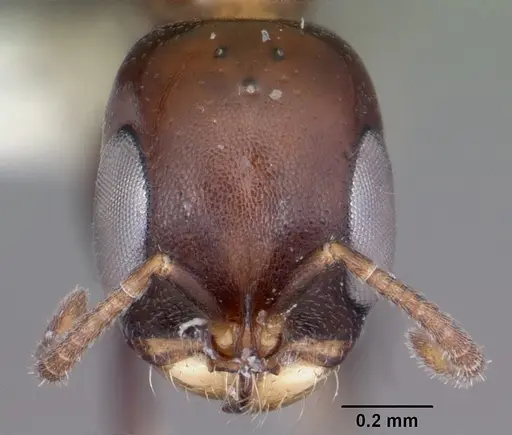
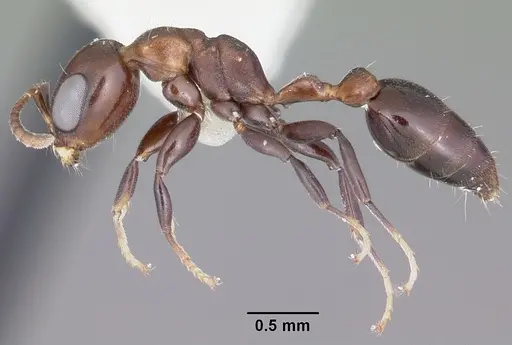
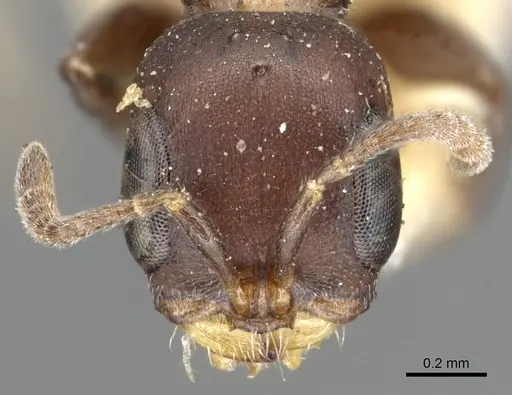
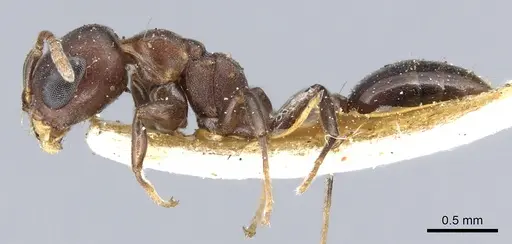
Pseudomyrmex brunneus is a small, dark brown ant native to the Neotropical region, found throughout Mexico, Costa Rica, and the Greater Antilles, with populations extending into southern Texas and South Carolina in the United States. Workers measure approximately 0.77-0.86mm in head length with a wide head and broadly rounded occipital margin, giving them a distinctive appearance among Pseudomyrmex species. They nest exclusively in dead, dry pithy twigs and plant stalks, such as those of Melia azedarach or unidentified mint plants, making them a truly arboreal nesting species. This appears to be an uncommon species that often occurs alongside its close relative P. ejectus in the same habitats.
Quick Summary
- Difficulty: Medium
- Origin & Habitat: Native to the Neotropical region, Mexico, Costa Rica, Greater Antilles, with populations in southern Texas and South Carolina. Found in lakeshore, pine, and hardwood vegetation, nesting in dry pithy twigs and dead plant stalks [1][2].
- Colony Type: Multi-queen colonies with 30-200 workers and 2-3 fertile queens in larger colonies [1]. Likely polygynous (multiple queens) based on colony structure.
- Colony: Polygyne
- Size & Growth:
- Queen: Not directly measured in available literature, estimated based on genus patterns at 6-8mm
- Worker: 0.77-0.86mm head length,0.67-0.72mm head width [3]
- Colony: Up to 200 workers [1]
- Growth: Unknown, likely moderate based on small colony size
- Development: Unconfirmed, no direct development data available for this species (Development timeline has not been studied. Related Pseudomyrmex species typically develop in 4-8 weeks at optimal temperatures.)
- Antkeeping:
- Temperature: Based on their Mexican and Neotropical distribution, keep in the warm range around 22-28°C. Room temperature (22-24°C) is likely suitable. Provide a gentle temperature gradient if possible.
- Humidity: These are dry-nesting ants that inhabit dry pithy twigs in nature. Keep nesting material dry to moderately dry, avoid damp conditions. They prefer arid to semi-arid conditions.
- Diapause: Unknown for this species. Given their southern distribution (Mexico, Texas), they likely have reduced activity in winter but may not require true hibernation. Consider a cool period (15-18°C) for 2-3 months in winter if colony shows reduced activity.
- Nesting: Provide dead twigs, plant stems, or bamboo sections as nesting material. These ants naturally nest in dry, pithy twigs. A horizontal setup with narrow chambers or a test tube with added twig sections works well. They are arboreal so they prefer elevated nesting sites.
- Behavior: These ants are relatively docile and not particularly aggressive. They are arboreal foragers, naturally nesting in elevated dead twigs and plant stalks. Workers forage in trees and can be found at ground level near isolated trees. Their small colony size (max ~200 workers) and multi-queen structure means they are not aggressive defenders. Escape risk is moderate, they are small but not as tiny as some species, standard test tube setups work well.
- Common Issues: dry nesting requirement, damp substrate will kill colonies as they naturally nest in dry pithy twigs, small colony size means slower development and less buffer against mistakes, limited distribution in hobby means fewer established care protocols, arboreal nature requires elevated nest sites or horizontal setups, multi-queen structure may cause stress if colonies are disturbed during founding
Nest Preferences and Housing
Pseudomyrmex brunneus is an obligate twig-nester, meaning they naturally nest in dead, dry, pithy plant material like twigs and stems. In captivity, you can replicate this by providing short sections of bamboo, dried plant stems, or wooden twigs. The nesting material should be completely dry inside, these ants avoid damp conditions. Horizontal or slightly angled setups work best since they naturally nest in horizontal twig positions. Some keepers use modified test tubes with cork or wooden inserts to simulate the pithy interior of twigs. Because they are arboreal, they prefer having their nest elevated off the ground. A simple setup with a horizontal nest chamber and a separate foraging area works well. Avoid moist substrates in the nest chamber. [1][3]
Feeding and Diet
Like other Pseudomyrmex species, these ants are likely omnivorous with a preference for small insects and honeydew. In their natural habitat, workers forage in trees and shrubs, likely tending aphids or feeding on small arthropods. For captive care, offer small live prey such as fruit flies, pinhead crickets, or small mealworms. Sugar sources like honey water or sugar water are typically accepted, offer these in a small container with a cotton wick to prevent drowning. A varied diet of protein (insects) and carbohydrates (sugar sources) is recommended. Feed small amounts 2-3 times per week, removing any uneaten prey after 24 hours.
Temperature and Seasonal Care
Given their range across Mexico and into southern Texas, these ants prefer warm conditions. Aim for temperatures in the 22-28°C range, with room temperature (22-24°C) being a good starting point. They can tolerate slightly higher temperatures but avoid overheating. During winter months in temperate climates, you may notice reduced activity. If your colony shows signs of slowing down in winter (fewer workers active, queens producing less brood), consider providing a cool period around 15-18°C for 2-3 months. This mimics their natural seasonal cycle. However, since they come from relatively warm climates, a true hibernation may not be necessary, they may simply reduce activity at room temperature during winter. [2]
Colony Structure and Multi-Queen Dynamics
This species is polygynous, meaning colonies naturally have multiple queens. Research shows colonies contain 2-3 fertile queens in larger colonies, with worker counts ranging from 30-200 individuals [1]. This is unusual compared to many ant species that have single queens, and it affects how you care for them. Multiple queens likely share reproductive duties, which may help the colony grow faster initially. When keeping this species, you may notice more than one egg-laying queen. Do not attempt to separate queens unless you have experience, these ants are adapted to living with multiple queens. The small colony size (maximum around 200 workers) means colonies remain relatively modest compared to species like Camponotus or Lasius.
Behavior and Temperament
Pseudomyrmex brunneus is a relatively docile species. They are not particularly aggressive and do not have painful stings. Workers are small and tend to flee rather than fight when threatened. Their natural behavior involves foraging in trees and shrubs, so they are good climbers. You may see workers exploring vertical surfaces in their enclosure. They are diurnal, active during daylight hours. Because they nest in twigs, they are accustomed to confined spaces and do well in narrow, horizontal nest setups. Their small colony size means you will have fewer workers to observe compared to larger species, but their active foraging behavior makes them interesting to watch. [1]
Handling and Escape Prevention
While not aggressive, these ants are small and can slip through small gaps. Use standard ant keeping equipment, test tubes with cotton plugs, and ensure any connections between nest and foraging area are secure. Because they are arboreal and naturally live in elevated twigs, they may attempt to climb out of setups more than ground-nesting species. A thin barrier of fluon or petroleum jelly on the rim of the foraging area helps prevent escapes. When observing or moving colonies, work carefully and gently, sudden movements can stress the colony. These ants are not dangerous to handle and cannot sting effectively through human skin.
Frequently Asked Questions
How long does it take for Pseudomyrmex brunneus to produce first workers?
The development timeline has not been directly documented for this species. Based on related Pseudomyrmex species, expect approximately 4-8 weeks from egg to worker at optimal temperatures (around 24-26°C). Claustral founding (queen raising first workers alone) likely takes several months.
Can I keep multiple Pseudomyrmex brunneus queens together?
Yes, this is natural for the species. P. brunneus is polygynous, meaning colonies naturally have multiple queens (2-3 in larger colonies). You can keep multiple founding queens together, and they will likely establish a colony cooperatively.
What do Pseudomyrmex brunneus ants eat?
They are omnivorous. Offer small live insects (fruit flies, pinhead crickets, small mealworms) as protein, and sugar water or honey as carbohydrates. They will likely accept both. Feed small amounts 2-3 times per week.
Are Pseudomyrmex brunneus good for beginners?
This species is rated as Medium difficulty. While not the easiest species, they are manageable for intermediate ant keepers. Their main requirements are dry nesting conditions and warm temperatures. The challenge is providing appropriate dry twig-style housing and their small colony size means slower growth.
Do Pseudomyrmex brunneus ants sting?
They have a stinger but it is too small to effectively penetrate human skin. They are not considered dangerous or aggressive. These ants will more likely flee than bite or sting when threatened.
What type of nest do Pseudomyrmex brunneus need?
They are twig-nesting ants that naturally live in dead, dry, pithy twigs and plant stems. Provide bamboo sections, dried plant stems, or similar materials as nesting sites. Keep the nest material completely dry inside. Horizontal setups work best.
How big do Pseudomyrmex brunneus colonies get?
Colonies reach a maximum of around 200 workers with 2-3 queens. This is a relatively small colony size compared to many common ant species. The multi-queen structure helps maintain the colony despite the modest worker count.
Do Pseudomyrmex brunneus need hibernation?
Given their southern distribution (Mexico, Texas), they likely do not require true hibernation. In winter, they may simply reduce activity. If your colony slows down during winter months, you can provide a cool period around 15-18°C for 2-3 months, but this is optional.
Where is Pseudomyrmex brunneus found in the wild?
They are native to the Neotropical region: Mexico, Costa Rica, Greater Antilles, and extending into southern Texas and South Carolina in the United States. They nest in dry pithy twigs in lakeshore, pine, and hardwood vegetation.
Why is my Pseudomyrmex brunneus colony dying?
The most common cause is damp nesting conditions. These ants naturally nest in dry, pithy twigs, excessive moisture will kill them. Also ensure temperatures are warm (22-28°C) and they have adequate food. Small colonies are also vulnerable to stress from excessive disturbance.
References

This caresheet is licensed under CC BY-SA 4.0 .
CASENT0104806
View on AntWeb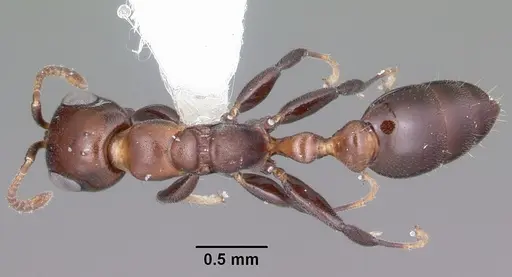
CASENT0902891
View on AntWeb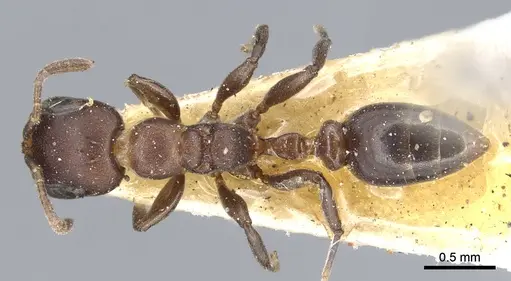
Literature
Loading...Loading products...