

Pseudomyrmex atripes
- Scientific Name
- Pseudomyrmex atripes
- Tribe
- Pseudomyrmecini
- Subfamily
- Pseudomyrmecinae
- Author
- Smith, 1860
- Distribution
- Found in 7 countries
Pseudomyrmex atripes Overview
Pseudomyrmex atripes is an ant species of the genus Pseudomyrmex. It is primarily documented in 7 countries , including Bolivia, Plurinational State of, Brazil. Detailed taxonomic data and occurrence records can be further explored via authoritative databases such as AntWeb or the Global Biodiversity Information Facility (GBIF).
Pseudomyrmex atripes
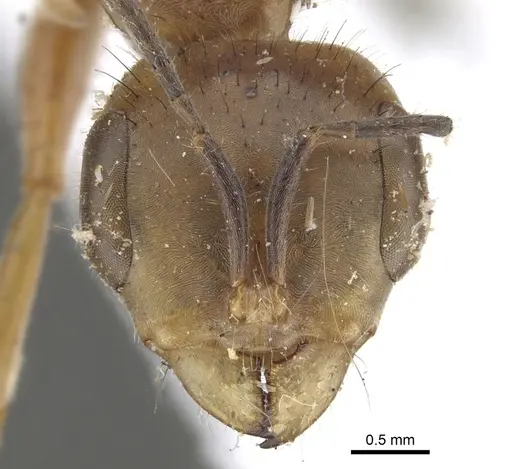
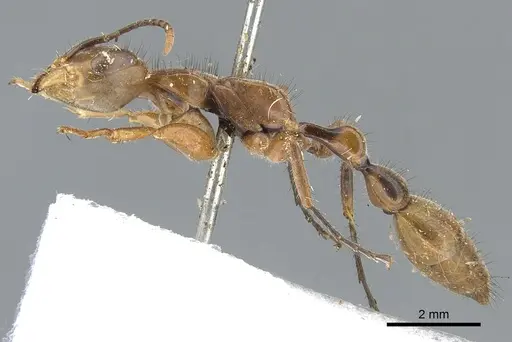
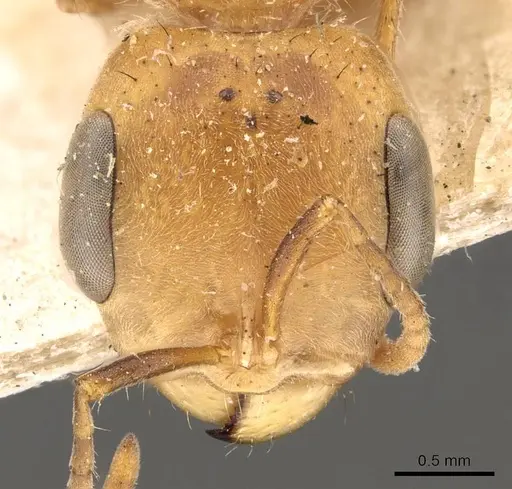
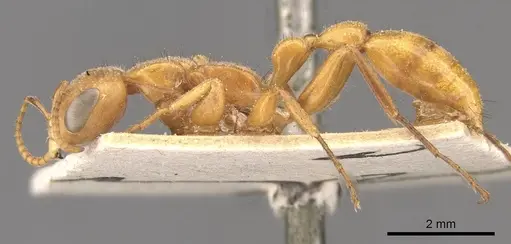
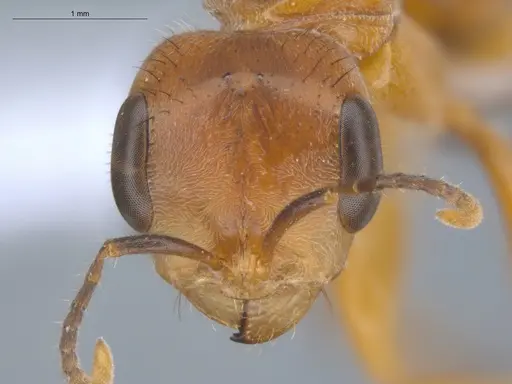
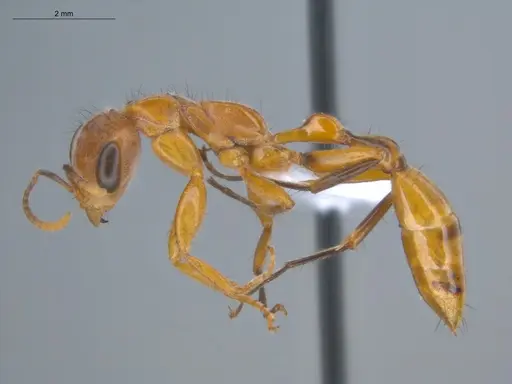
Pseudomyrmex atripes is a slender, elongated ant species native to the Neotropical region, found across Bolivia, Brazil, Colombia, Ecuador, and French Guiana [1]. Workers feature an orange-brown body with a densely pubescent and subopaque head, giving them a distinctive velvety appearance [2]. The species was originally described from Brazil in 1860,with the synonym P. levigata kitschelti from Colombia later recognized as the same species [3]. As a Pseudomyrmecinae member, these ants share the genus characteristic of being fast-moving, elongated ants often found in arboreal habitats.
Quick Summary
- Difficulty: Medium
- Origin & Habitat: Neotropical region, found in Bolivia, Brazil, Colombia, Ecuador, and French Guiana. In Colombia, documented in Chocó, Cundinamarca, and Magdalena regions [4][2]. Typical lowland tropical forest habitat.
- Colony Type: Colony structure is unconfirmed. The genus Pseudomyrmex typically forms moderate-sized colonies in arboreal nesting sites.
- Size & Growth:
- Queen: Estimated 8-10mm based on genus typical sizes
- Worker: Estimated 4-6mm based on genus typical sizes
- Colony: Estimated 200-500 workers based on similar Pseudomyrmex species
- Growth: Moderate, estimated based on genus patterns
- Development: 6-8 weeks, estimated from related Pseudomyrmex species at tropical temperatures (This is an estimate based on genus patterns, specific development time for P. atripes has not been documented)
- Antkeeping:
- Temperature: Keep at 24-28°C, these are tropical ants requiring warm conditions. A heating cable on one side of the nest creates a suitable gradient.
- Humidity: Moderate to high humidity (60-80%). Provide a water tube and keep the nest substrate slightly moist. These ants prefer humid forest conditions.
- Diapause: No, as tropical ants, they do not require hibernation. Maintain warm temperatures year-round.
- Nesting: Arboreal nesting preferences, they naturally nest in hollow twigs, stems, and under bark. In captivity, a Y-tong (AAC) nest or plaster nest with narrow chambers works well. Provide twigs or small hollow structures if using a naturalistic setup.
- Behavior: Pseudomyrmex ants are known for being alert and fast-moving. They are defensive of their nests and may bite if threatened. Workers are slender and quick, with good escape abilities. Use tight-fitting lids and fine mesh barriers, their small size means escapes are possible.
- Common Issues: tropical species requires consistent warmth, cold drafts can be fatal, small size means excellent escape prevention is essential, arboreal nature means they need vertical space and climbing structures, wild-caught colonies may harbor parasites that can devastate captive colonies, limited species-specific information means keepers must adapt from genus knowledge
Nest Preferences and Housing
Pseudomyrmex atripes is an arboreal species, meaning in the wild they nest in hollow twigs, dead stems, under bark, and similar elevated locations. In captivity, provide a nest that mimics these conditions. A Y-tong (AAC) formicarium with narrow chambers works well, or you can use a plaster nest that holds humidity. The key is providing chambers sized appropriately for their slender bodies, not too wide. Include a water tube for humidity and consider adding small twigs or cork bark pieces in the outworld to satisfy their natural arboreal instincts. These ants are not soil-nesters, so avoid setups designed for ground-dwelling species. [2]
Feeding and Diet
Like other Pseudomyrmex species, P. atripes likely has a varied diet including nectar, honeydew, and small insects. Offer sugar water or honey as a constant energy source. For protein, provide small live prey such as fruit flies, small crickets, or mealworm pieces. These ants are active foragers and will readily take protein sources. Feed them small prey items 2-3 times per week, removing any uneaten food within 24 hours to prevent mold. Sugar water should always be available. Observe your colony's preferences, some Pseudomyrmex colonies favor protein over sweets.
Temperature and Seasonal Care
As a tropical species from the Neotropical region, Pseudomyrmex atripes requires warm temperatures year-round. Keep the nest area between 24-28°C (75-82°F). A heating cable placed on one side of the nest creates a temperature gradient that allows the ants to regulate their own conditions. Avoid temperatures below 22°C as prolonged cool conditions can weaken and eventually kill the colony. Unlike temperate species, these ants do not enter diapause or hibernation. Maintain consistent warmth throughout the year. Room temperature in most homes may be too cool, so consider supplemental heating. [4][2]
Behavior and Temperament
Pseudomyrmex ants are known for being alert, fast-moving, and defensive. Workers are slender with good vision and will quickly respond to threats. If their nest is disturbed, expect rapid mobilization and defensive behavior. They may bite if handled or threatened. These ants are excellent climbers and will explore vertical surfaces in their outworld. Their small size and speed mean they are escape artists, always use tight-fitting lids, apply fluon to barrier zones, and ensure any connections between nest areas are secure. Provide enrichment with twigs, cork bark, or other climbing structures to keep them active and engaged.
Acquiring and Establishing a Colony
This species is not commonly available in the antkeeping hobby, so finding a colony may require connecting with specialized breeders or collectors in regions where it occurs. If acquiring a wild-caught colony, watch for parasites, tropical ants often carry mites or other ectoparasites that can devastate captive colonies. Quarantine and carefully inspect new colonies before introducing them to your main setup. Since specific founding behavior is unconfirmed for this species, assume the queen will seal herself in a chamber (claustral founding) and survive on stored fat reserves until her first workers emerge. Provide a quiet, dark location during the founding stage and avoid disturbing the nest. [3]
Frequently Asked Questions
How long does it take for Pseudomyrmex atripes to produce first workers?
Based on related Pseudomyrmex species, expect 6-8 weeks from egg to first worker at tropical temperatures (24-28°C). This is an estimate since specific development time for P. atripes has not been documented.
Can I keep Pseudomyrmex atripes in a test tube setup?
Yes, a test tube setup works well for founding colonies. Use a small test tube with a water reservoir and cotton plug, keeping it horizontal and dark. Ensure the tube is sealed with fluon or a tight-fitting cap since their small size makes them escape-prone.
Do Pseudomyrmex atripes ants sting?
Pseudomyrmex ants can bite and may attempt to sting if threatened, though their sting is not considered medically significant to humans. They are more likely to bite and run than to deliver a painful sting.
What temperature do Pseudomyrmex atripes need?
Keep them warm at 24-28°C (75-82°F). Use a heating cable on part of the nest to create a gradient. Do not let temperatures drop below 22°C for extended periods.
Are Pseudomyrmex atripes good for beginners?
This species is rated Medium difficulty. While not the hardest species, the lack of species-specific care information means you should have some experience with tropical ants. Their escape ability and temperature requirements demand attention.
How big do Pseudomyrmex atripes colonies get?
Based on similar species in the genus, colonies likely reach 200-500 workers. They are not among the largest Pseudomyrmex species but can still form substantial colonies.
What do Pseudomyrmex atripes eat?
Offer sugar water or honey as a constant energy source. Feed small insects like fruit flies, small crickets, or mealworm pieces 2-3 times per week. Remove uneaten prey within 24 hours.
Do Pseudomyrmex atripes need hibernation?
No, they do not require hibernation. As tropical ants from the Neotropical region, they need warm temperatures year-round. Maintain 24-28°C consistently.
When should I move my colony to a formicarium?
Move to a formicarium once the colony reaches 20-30 workers and the test tube is becoming cramped. Pseudomyrmex prefer vertical spaces and narrow chambers. A Y-tong or plaster nest works well.
Why are my Pseudomyrmex atripes dying?
Common causes include: temperatures below 22°C, low humidity, poor escape prevention allowing escapes, parasites from wild-caught colonies, or mold from overwatering. Check these parameters first.
References

This caresheet is licensed under CC BY-SA 4.0 .
CASENT0005833
View on AntWeb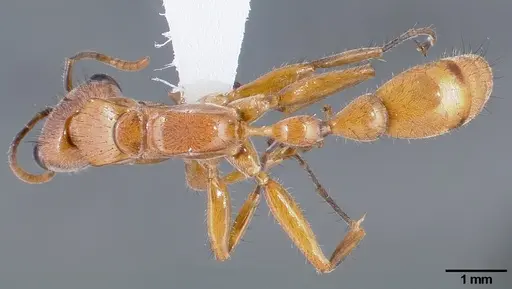
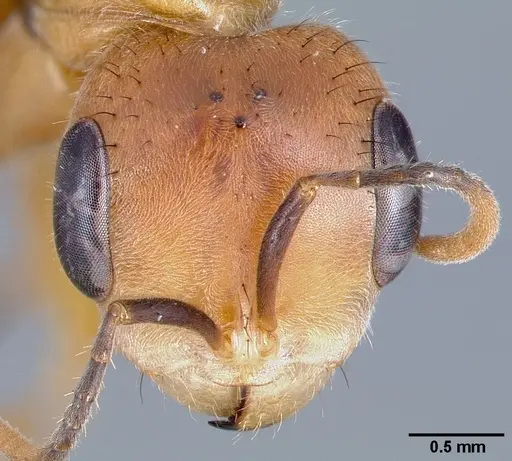
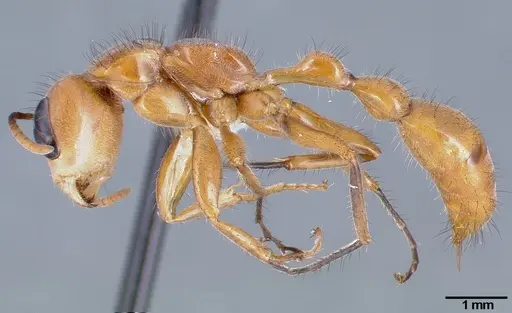
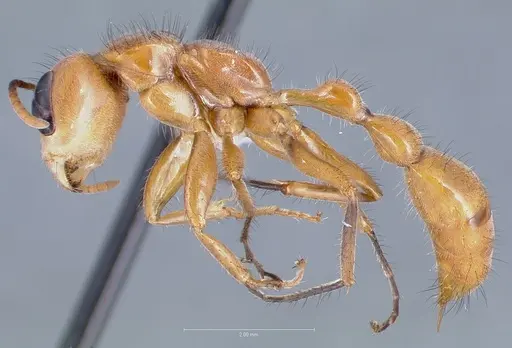
CASENT0902847
View on AntWeb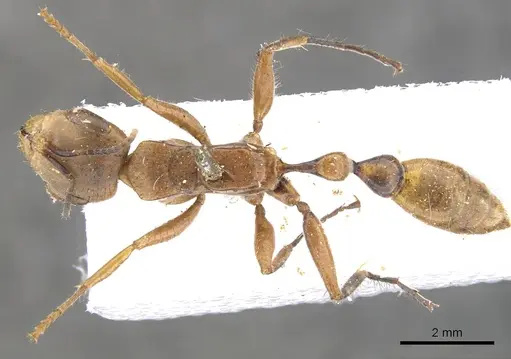
CASENT0907479
View on AntWeb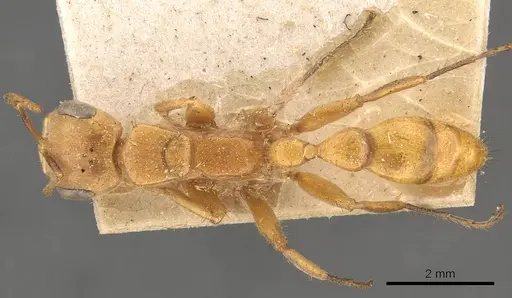
ECOFOG-BUG-0363-02
View on AntWeb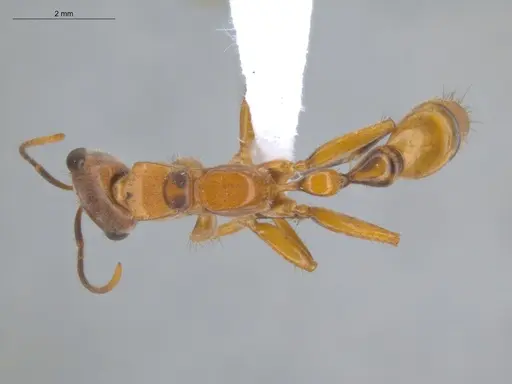
Literature
Loading...Loading products...