

Pseudomyrmex alvarengai
- Scientific Name
- Pseudomyrmex alvarengai
- Tribe
- Pseudomyrmecini
- Subfamily
- Pseudomyrmecinae
- Author
- Kempf, 1961
- Distribution
- Found in 1 countries
Pseudomyrmex alvarengai Overview
Pseudomyrmex alvarengai is an ant species of the genus Pseudomyrmex. It is primarily documented in 1 countries , including French Guiana. Detailed taxonomic data and occurrence records can be further explored via authoritative databases such as AntWeb or the Global Biodiversity Information Facility (GBIF).
Pseudomyrmex alvarengai
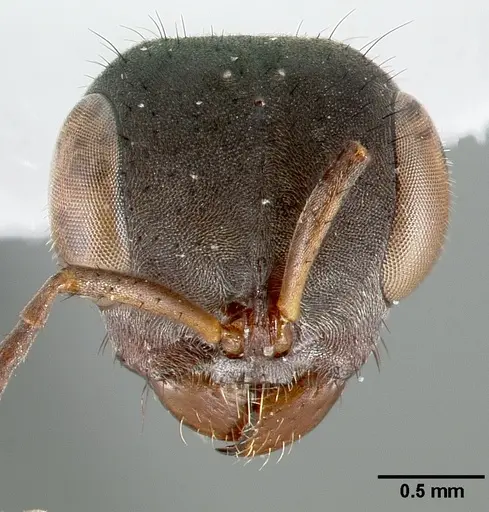
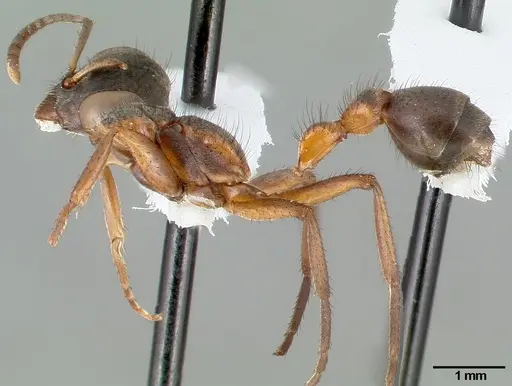
Pseudomyrmex alvarengai is a slender, wasp-like ant belonging to the subfamily Pseudomyrmecinae. Workers are typical of the genus with a long, narrow body and relatively large eyes. This species is known from Brazil, French Guiana, and the Colombian Amazon region [1][2]. As a tropical ant from Amazonian habitats, it likely inhabits forest environments where it nests in natural cavities like hollow twigs, stems, or under bark, typical nesting sites for Pseudomyrmex species. The genus is known for active foraging behavior and good vision, with workers readily patrolling vegetation and surfaces in search of prey and resources.
Quick Summary
- Difficulty: Medium
- Origin & Habitat: Brazil, French Guiana, and Colombian Amazon region, tropical rainforest environments [1][2]
- Colony Type: Likely single-queen (monogyne) colonies based on typical Pseudomyrmex patterns, though colony structure is not directly documented for this species
- Colony: Monogyne
- Founding: Claustral
- Size & Growth:
- Queen: Estimated 7-9mm based on genus Pseudomyrmex typical sizes
- Worker: Estimated 4-6mm based on genus descriptions
- Colony: Likely moderate, several hundred workers based on typical Pseudomyrmex colony sizes
- Growth: Moderate, inferred from tropical ant development patterns
- Development: Estimated 6-8 weeks at tropical temperatures (25-28°C), based on typical Pseudomyrmecinae development (Development time is inferred from related species in the genus, direct measurements for this species are unavailable)
- Antkeeping:
- Temperature: Keep at 24-28°C, these are tropical ants requiring warm conditions. A heating cable on one side of the nest creates a suitable gradient.
- Humidity: High humidity (70-80%) is essential, think damp tropical forest floor. Keep nest substrate consistently moist but not waterlogged.
- Diapause: No, being a tropical species, they do not require hibernation. Maintain warm conditions year-round.
- Nesting: Provide a naturalistic setup with multiple small cavities or a Y-tong/plaster nest with narrow chambers. They prefer tight-fitting spaces similar to their natural hollow twig habitats.
- Behavior: These ants are active foragers with good vision. Workers likely patrol both ground level and vegetation, searching for prey and sugar sources. They are probably moderately aggressive when defending the colony but not particularly large. Escape prevention is important, use fine mesh barriers as they are agile climbers. Their small to moderate size means they can squeeze through small gaps if not properly contained.
- Common Issues: tropical temperature requirements mean colonies can fail if kept too cool, high humidity needs can lead to mold if ventilation is poor, limited natural history data means some care aspects are based on genus inference rather than species-specific research, active foragers may escape if enclosure barriers are not secure, wild-caught colonies may carry parasites that can affect captive populations
Natural History and Distribution
Pseudomyrmex alvarengai is known from the Amazonian region of South America, with documented occurrences in Brazil, French Guiana, and the Colombian Amazon [1][2]. As a tropical species, it inhabits humid rainforest environments where it likely nests in pre-existing cavities in wood or vegetation rather than excavating its own nests. The genus Pseudomyrmex is known for species that nest in hollow twigs, stems, and under bark, with workers that actively forage on vegetation and ground surfaces. This species was originally described from Brazil by Kempf in 1961.
Housing and Nest Preferences
For Pseudomyrmex alvarengai, provide a naturalistic setup that mimics their natural hollow twig habitat. A Y-tong (acrylic) nest with narrow chambers works well, or a naturalistic setup with multiple small cavities. The nest should have tight-fitting chambers scaled to their worker size (4-6mm). Include an outworld area where foragers can patrol and hunt. Because they are active climbers, ensure all connections are secure and use appropriate escape prevention. Provide some vertical surfaces or materials they can climb on, as Pseudomyrmex ants often traverse vegetation in the wild.
Feeding and Diet
Pseudomyrmex ants are typically omnivorous with a strong predatory tendency. Offer small live prey such as fruit flies, small crickets, and other tiny insects. They likely also accept sugar sources like honey water or sugar water, which can be provided in a shallow dish. A varied diet is best, offer protein prey 2-3 times per week and keep a sugar source available continuously. Remove uneaten prey after 24-48 hours to prevent mold issues. The active foraging behavior of this genus means workers will readily hunt and collect food from the outworld.
Temperature and Humidity Requirements
As a tropical Amazonian species, Pseudomyrmex alvarengai requires warm and humid conditions. Maintain temperatures between 24-28°C year-round, this is essential for colony health and development. Use a heating cable on one side of the nest to create a temperature gradient if room temperature is below this range. Humidity should be kept high at 70-80%. Keep the nest substrate consistently moist but not waterlogged, the substrate should feel damp to the touch. Poor temperature control (too cool) is one of the most common reasons tropical ant colonies fail in captivity.
Colony Development
Colony growth is expected to be moderate in speed. The queen will initially lay eggs after mating, and the first workers (nanitics) should emerge after approximately 6-8 weeks at optimal tropical temperatures. Once established, colonies likely grow steadily with worker numbers increasing over months to years. Maximum colony size is estimated at several hundred workers based on typical Pseudomyrmex patterns. Regular feeding with protein-rich prey will support healthy brood development. Monitor colony activity levels as an indicator of health, active foragers suggest good conditions.
Frequently Asked Questions
How long does it take for Pseudomyrmex alvarengai to produce first workers?
First workers typically emerge 6-8 weeks after the queen lays eggs, when kept at optimal tropical temperatures (24-28°C). This timeline is based on typical Pseudomyrmecinae development patterns.
What temperature do Pseudomyrmex alvarengai ants need?
Keep them at 24-28°C year-round. These are tropical ants that require warm conditions, temperatures below 22°C can slow or stop brood development and harm the colony.
Can I keep Pseudomyrmex alvarengai in a test tube setup?
A test tube setup can work for founding colonies, but you will need to move them to a more spacious formicarium as the colony grows. They prefer tight chambers similar to their natural hollow twig habitats.
Do Pseudomyrmex alvarengai ants sting?
Most Pseudomyrmex species can sting, though their stingers are small and the pain is typically mild for humans. They are not considered dangerous but will defend the colony if threatened.
What do Pseudomyrmex alvarengai eat?
They are omnivorous with predatory tendencies. Feed small live prey like fruit flies and small insects, plus sugar water or honey as an energy source. Offer protein 2-3 times weekly and keep sugar available.
Is Pseudomyrmex alvarengai good for beginners?
This species is rated as medium difficulty. While not the hardest species, the tropical temperature and humidity requirements make it better suited for keepers who already have some experience maintaining warm, humid conditions.
How big do Pseudomyrmex alvarengai colonies get?
Colonies likely reach several hundred workers based on typical Pseudomyrmex sizes. Exact maximum is unknown for this species but is not expected to be extremely large.
Do Pseudomyrmex alvarengai need hibernation?
No, as a tropical species from the Amazon, they do not require hibernation or winter cooling. Maintain warm temperatures (24-28°C) year-round.
When should I move Pseudomyrmex alvarengai to a formicarium?
Move from test tube to a formicarium when the colony reaches 20-30 workers and you see frequent forager activity. Ensure the new setup maintains the humidity and temperature requirements they need.
Why are my Pseudomyrmex alvarengai dying?
The most common causes are temperatures that are too cool (below 22°C), low humidity, or poor escape prevention. Check that your heating and humidity levels are appropriate for a tropical species.
References

This caresheet is licensed under CC BY-SA 4.0 .
CASENT0005832
View on AntWeb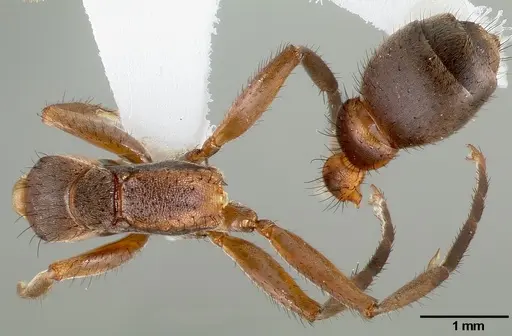
Literature
Loading...Loading products...