

Pseudolasius trimorphus
- Scientific Name
- Pseudolasius trimorphus
- Tribe
- Lasiini
- Subfamily
- Formicinae
- Author
- Karavaiev, 1929
- Distribution
- Found in 1 countries
Pseudolasius trimorphus Overview
Pseudolasius trimorphus is an ant species of the genus Pseudolasius. It is primarily documented in 1 countries , including Indonesia. Detailed taxonomic data and occurrence records can be further explored via authoritative databases such as AntWeb or the Global Biodiversity Information Facility (GBIF).
Pseudolasius trimorphus
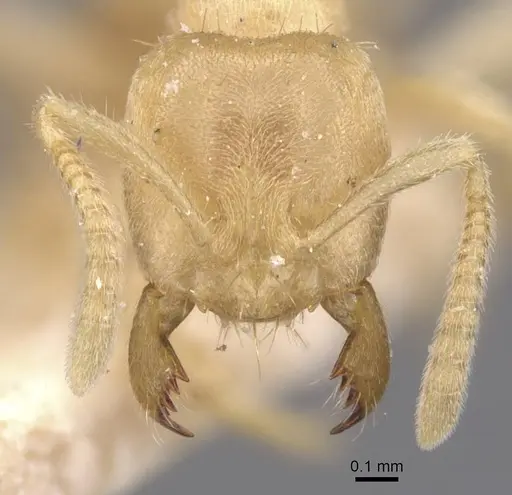
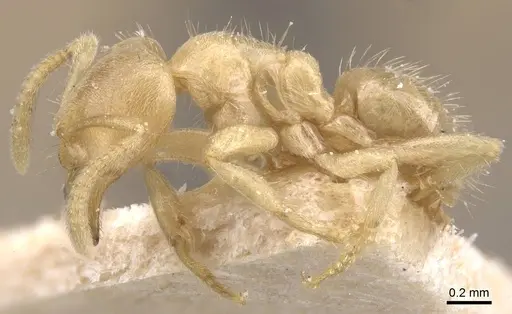
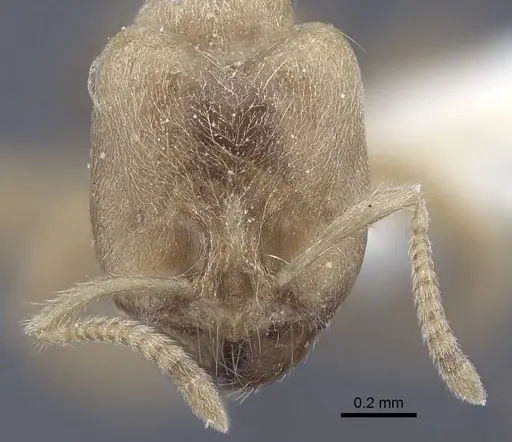
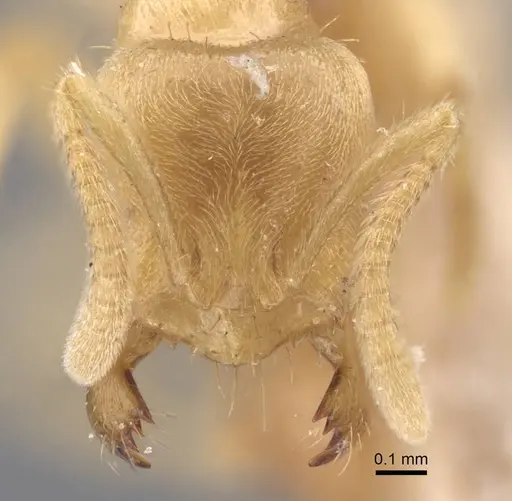
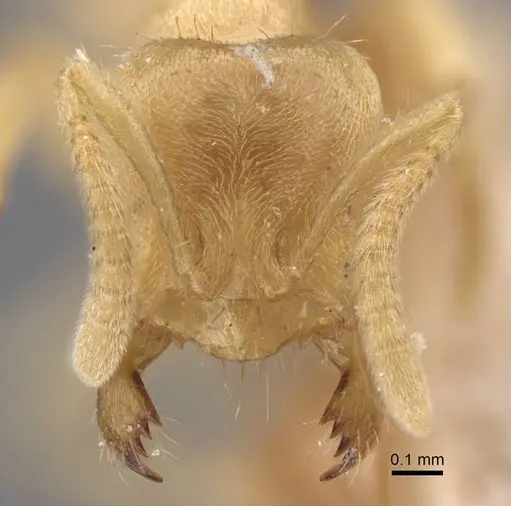
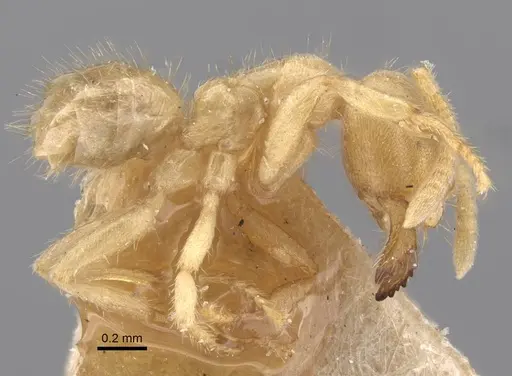
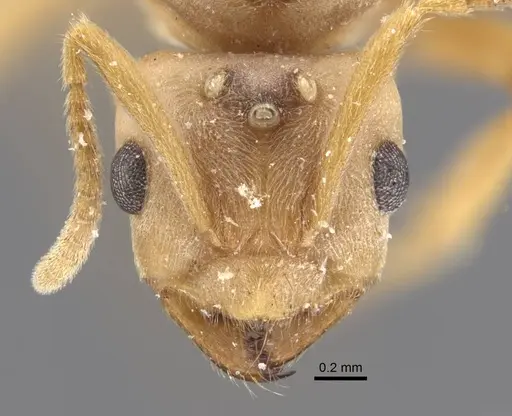
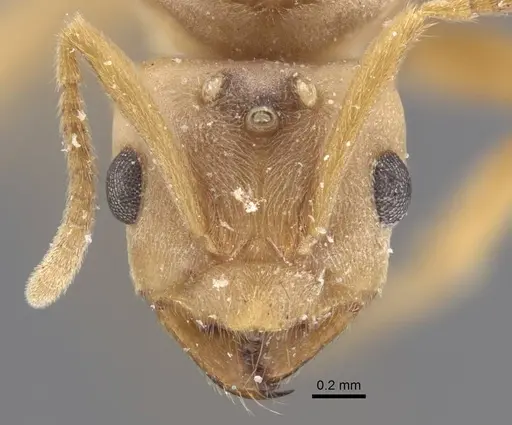
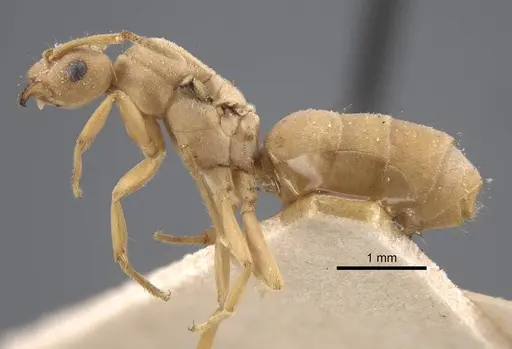
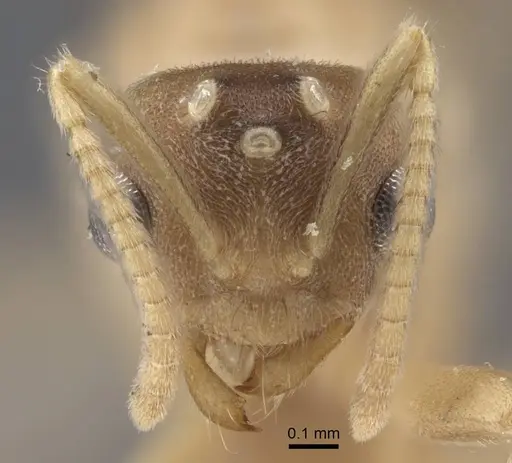
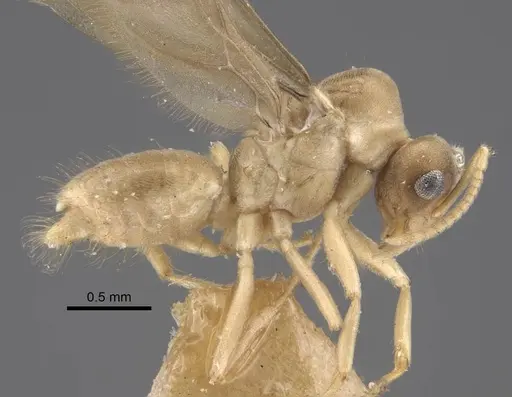
Pseudolasius trimorphus is a small to medium-sized ant species in the Formicinae subfamily, part of the Lasiini tribe. Workers measure approximately 3-5mm, with queens significantly larger. The species was originally described from Java, Indonesia, with type specimens collected from multiple locations including Tjibodas and Buitenzorg on Java [1]. The species is known from Indonesia (Java) and Singapore in the Indomalaya region [2]. These ants are part of the Pseudolasius genus, which contains around 20 described species primarily distributed throughout tropical Asia. The genus is closely related to Lasius and shares many behavioral and ecological characteristics with other Formicine ants.
Quick Summary
- Difficulty: Medium
- Origin & Habitat: Native to Java, Indonesia and Singapore in the Indomalaya region. In nature, these ants nest in soil and rotting wood in tropical forest environments [1]. The type specimens were collected from forest areas in Java at elevations ranging from lowland to hill forests.
- Colony Type: Colony structure is not well documented in scientific literature. Based on typical Pseudolasius patterns, colonies likely establish with a single founding queen (monogyne), though some related species in the Lasiini tribe can form multi-queen colonies. The type series includes numerous queens and males, suggesting potential colony flexibility.
- Size & Growth:
- Queen: Estimated 8-10mm based on related Pseudolasius species and genus patterns, direct measurements not available for this species
- Worker: Estimated 3-5mm based on genus descriptions [1]
- Colony: Unknown for this specific species, related Pseudolasius species typically form colonies of several hundred to a few thousand workers
- Growth: Moderate, based on typical Formicinae development patterns
- Development: Estimated 6-10 weeks at optimal tropical temperatures (25-28°C), based on typical Lasiini development patterns [2] (Development time is inferred from related species in the tribe. Actual timeline for P. trimorphus has not been directly studied.)
- Antkeeping:
- Temperature: Keep at 24-28°C (tropical room temperature). A slight gradient allowing workers to self-regulate is beneficial. These are tropical ants from Java, so they do not tolerate cool temperatures well.
- Humidity: Maintain moderate to high humidity (60-80%). Keep the nest substrate consistently moist but not waterlogged. Tropical forest ants prefer damp conditions.
- Diapause: No, as a tropical species from Java, they do not require hibernation or winter dormancy. Maintain stable temperatures year-round.
- Nesting: In captivity, they do well in test tube setups for founding, then can be moved to Y-tong (AAC), plaster, or naturalistic setups. They prefer dark, humid nests with moist substrate. Avoid dry environments.
- Behavior: Generally calm and non-aggressive. Workers are active and will forage for food. They likely use chemical trails to recruit nestmates to food sources, similar to related Lasius species. As small ants, they can escape through tiny gaps, use fine mesh and tight-fitting barriers. They are primarily nocturnal or crepuscular foragers in the wild.
- Common Issues: tropical species, temperature drops below 20°C can stress or kill colonies, small size means escape prevention must be excellent, use fine mesh barriers, limited species-specific information means some care is based on genus-level inference, wild-caught colonies may carry parasites that can devastate captive populations, overfeeding can lead to mold problems in enclosed nest setups
Housing and Nest Setup
For founding colonies, a simple test tube setup works well. Fill a test tube one-third with water, plug with a cotton ball, and place the queen in the tube. Cover with a dark cloth to reduce stress. Once workers arrive (after 6-10 weeks), you can transition to a more permanent formicarium. Y-tong (AAC) nests work well for Pseudolasius as they provide darkness, humidity control, and appropriate chamber sizes. Plaster nests with water reservoirs also maintain the moisture levels these tropical ants need. Avoid dry acrylic nests unless you can maintain high humidity in the outworld. Always provide an outworld for foraging, these ants will venture out to collect food. [2]
Feeding and Diet
Like other Formicinae in the Lasiini tribe, Pseudolasius trimorphus likely accepts a varied diet. Offer sugar water or honey as a constant energy source, these ants are known to tend aphids for honeydew in the wild. For protein, offer small insects like fruit flies, small mealworms, or cricket pieces. Feed protein 2-3 times per week, and keep sugar water available at all times. Remove uneaten prey after 24-48 hours to prevent mold. Some keepers report that Pseudolasius species prefer liquid sugars, so ensure honey water or sugar water is in a form they can access easily. [2]
Temperature and Humidity
As a tropical species from Java, Pseudolasius trimorphus needs warm, humid conditions. Keep the nest area at 24-28°C, this is typical room temperature in many homes, but verify with a thermometer. A heating cable on one side of the nest can create a temperature gradient if your room runs cool. Humidity should be 60-80% in the nest, the substrate should feel damp but not have standing water. Mist the nest occasionally or use a water reservoir system. Do not let temperatures drop below 20°C for extended periods, this species is not cold-tolerant. Unlike temperate ants, they do not need a winter dormancy period. [2]
Colony Growth and Development
A newly mated queen will seal herself in a chamber and lay her first eggs. She feeds the larvae from her own body reserves and the first brood (nanitics) will be smaller than normal workers. Once nanitics emerge, they take over colony maintenance and foraging, and the colony begins to grow. Expect 6-10 weeks from egg to first worker at optimal temperatures. Growth is moderate, the colony may reach 100 workers in the first year under good conditions. Maximum colony size for this unstudied species is estimated at several thousand workers based on related Pseudolasius species. Be patient, Formicinae colonies often grow slower than some Myrmicinae species. [2]
Behavior and Temperament
Pseudolasius trimorphus is generally calm and not aggressive toward keepers. Workers are active foragers and will establish chemical trails to food sources. They are not known for biting or stinging, their defense is primarily through escape and chemical alarm signals. The workers are small (estimated 3-5mm), so observe them carefully to appreciate their behavior. They are likely primarily nocturnal or crepuscular in the wild, so you may see more activity during evening hours. When threatened, workers may release formic acid as a defensive chemical, though this is mild compared to more aggressive species. [2]
Frequently Asked Questions
How long does it take for Pseudolasius trimorphus to raise first workers?
Expect 6-10 weeks from egg to first worker at optimal temperatures (24-28°C). This is based on typical development times for related Lasiini species. The exact timeline for P. trimorphus has not been scientifically documented.
What do Pseudolasius trimorphus ants eat?
They likely accept a standard ant diet: sugar water or honey for energy, and small insects like fruit flies, mealworms, or cricket pieces for protein. Related species are known to farm aphids for honeydew, so sugar sources are important.
Do Pseudolasius trimorphus ants need hibernation?
No. As a tropical species from Java, Indonesia, they do not require hibernation. Keep them at stable tropical temperatures (24-28°C) year-round.
Are Pseudolasius trimorphus good for beginners?
They are rated Medium difficulty. They require warm, humid conditions typical of tropical ants, and their small size requires good escape prevention. If you have experience with other Formicinae like Lasius, this species should be manageable.
How big do Pseudolasius trimorphus colonies get?
The exact maximum colony size is unknown for this species. Based on related species, colonies likely reach several hundred to a few thousand workers over several years.
Can I keep multiple Pseudolasius trimorphus queens together?
The colony structure is not well documented for this species. Based on typical Pseudolasius patterns, single-queen colonies are likely most stable. Combining unrelated queens is not recommended without documented evidence of success.
What size formicarium do I need for Pseudolasius trimorphus?
Start with a test tube for the founding queen. Once the colony reaches 30-50 workers, you can move to a small Y-tong (AAC) or plaster nest. They prefer dark, humid nests with moist substrate.
Why are my Pseudolasius trimorphus dying?
Common causes include: temperatures below 20°C (tropical species are cold-sensitive), low humidity causing desiccation, poor escape prevention allowing escapes, or parasites from wild-caught colonies. Check your temperature and humidity levels first.
Where is Pseudolasius trimorphus found in the wild?
This species is native to Java, Indonesia and Singapore in the Indomalaya region. Type specimens were collected from forest areas in Java, including Tjibodas and Buitenzorg.
References

This caresheet is licensed under CC BY-SA 4.0 .
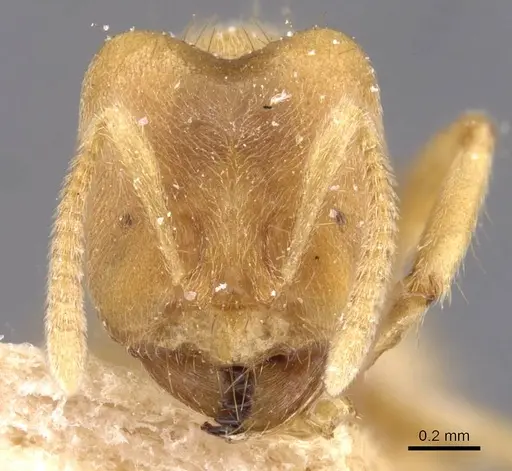
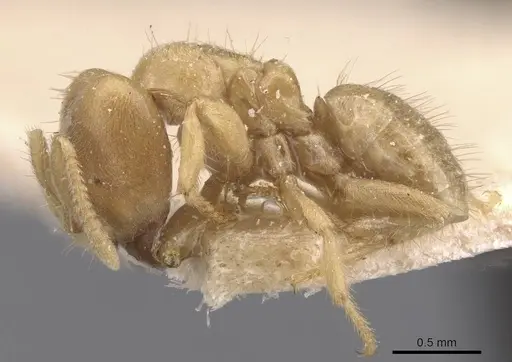
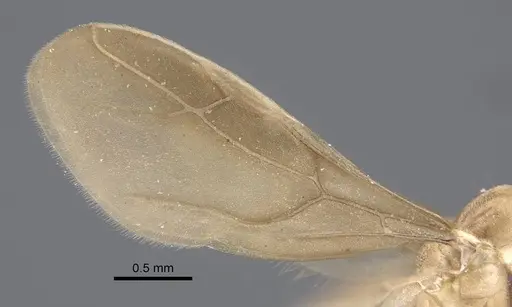
CASENT0912326
View on AntWeb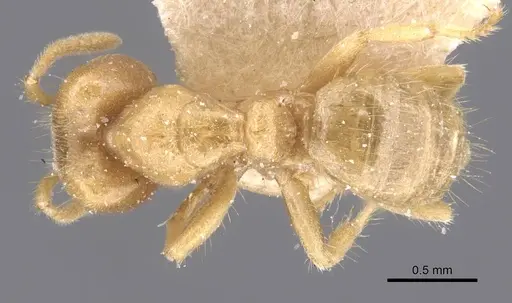
CASENT0912327
View on AntWeb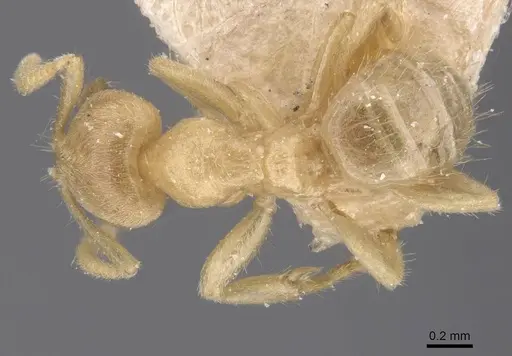
CASENT0916786
View on AntWeb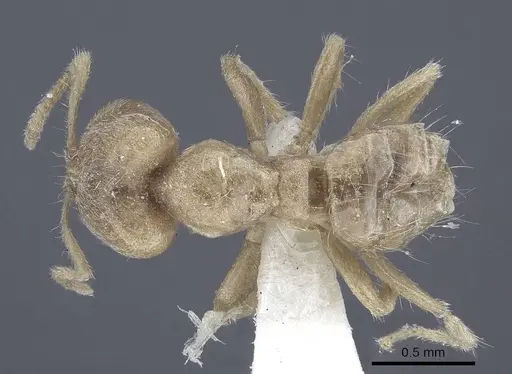
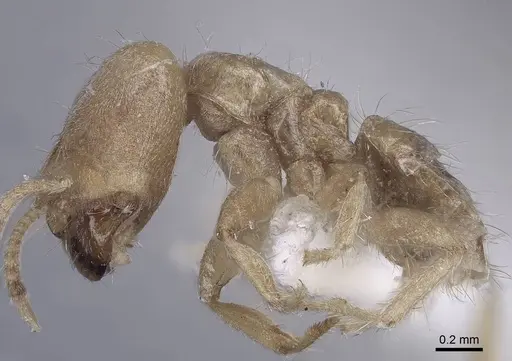
CASENT0916787
View on AntWeb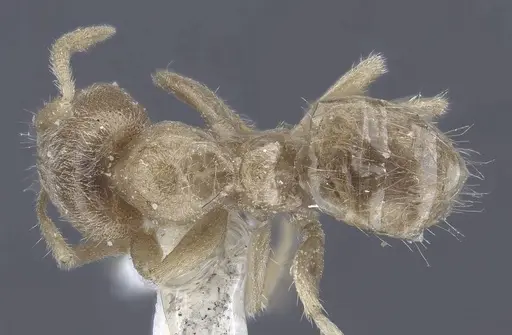
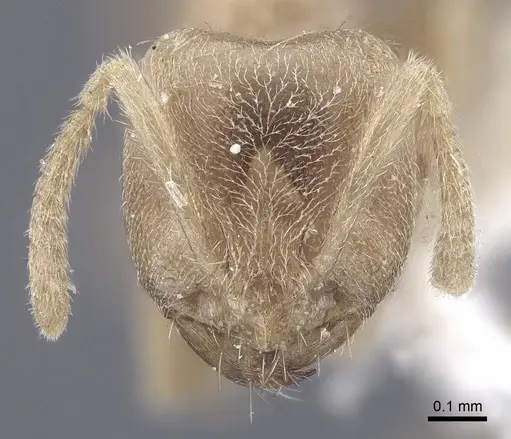
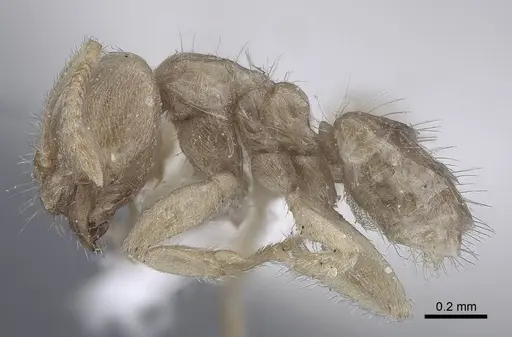
CASENT0917299
View on AntWeb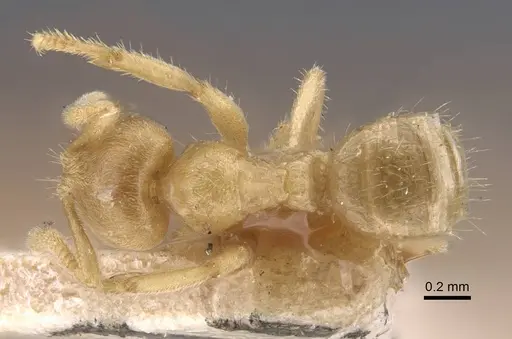
CASENT0917300
View on AntWeb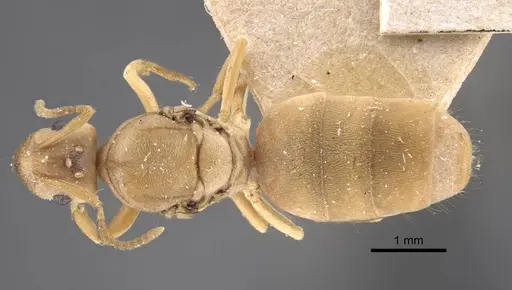
CASENT0917301
View on AntWeb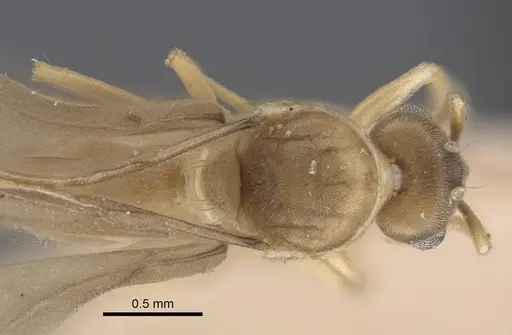
Literature
Loading...Loading products...