

Pseudolasius silvestrii
- Scientific Name
- Pseudolasius silvestrii
- Tribe
- Lasiini
- Subfamily
- Formicinae
- Author
- Wheeler, 1927
- Distribution
- Found in 3 countries
Pseudolasius silvestrii Overview
Pseudolasius silvestrii is an ant species of the genus Pseudolasius. It is primarily documented in 3 countries , including China, Lao People's Democratic Republic, Thailand. Detailed taxonomic data and occurrence records can be further explored via authoritative databases such as AntWeb or the Global Biodiversity Information Facility (GBIF).
Pseudolasius silvestrii
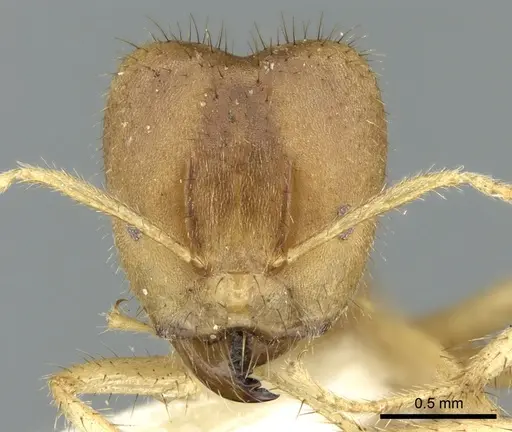
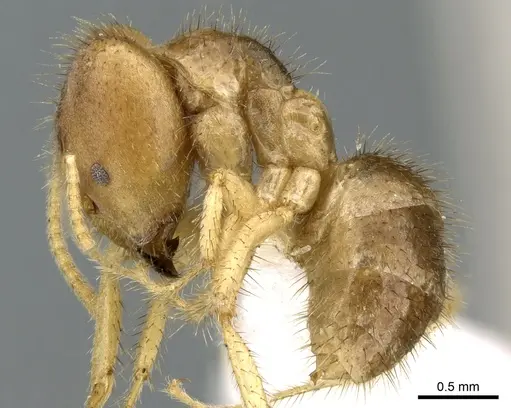
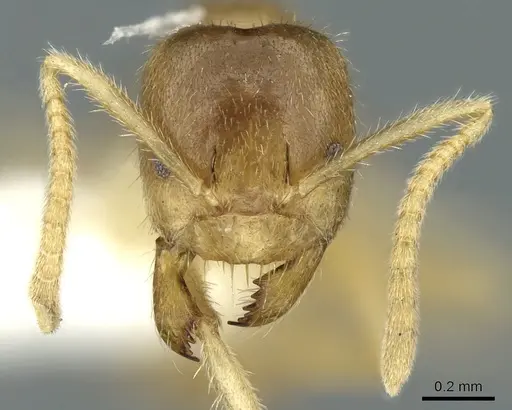
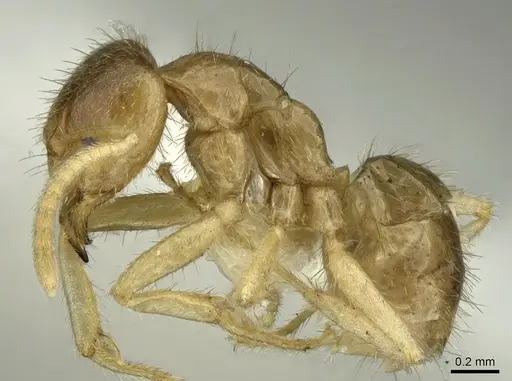
Pseudolasius silvestrii is a small, ground-dwelling ant native to Southeast Asia, found across southern China, Vietnam, and Cambodia. Workers measure 1.9-3.4mm depending on caste, with a yellowish-brown body and distinctive blackish-brown gastral dorsum. This species inhabits underground environments in tropical and subtropical forests, where it feeds on resources obtained from the soil and ground level. A notable characteristic is its commensal relationship with mealybugs (Rhizoecus terrestris), which it tends for honeydew on plants like coffee. The species shows strong ecological flexibility, thriving in primary forests, secondary forests, and even agricultural areas like rubber plantations.
Quick Summary
- Difficulty: Unknown, limited data available
- Origin & Habitat: Tropical and subtropical forests of southern China (Yunnan), Vietnam, and Cambodia. Found at elevations around 1200m in Yunnan, and in dipterocarp forests on sandy soil in Vietnam. Occupies forest floors and underground habitats [1][2][3].
- Colony Type: Colony structure is unconfirmed, no published data on queen number or colony organization for this species.
- Size & Growth:
- Queen: Undocumented, no queen measurements available
- Worker: Major workers: 3.3-3.4mm, Medium workers: 2.9mm, Minor workers: 1.9-2.4mm [1]
- Colony: Unknown, no colony size data published
- Growth: Unknown, no development timing data available
- Development: Unconfirmed, no direct observations of development timing exist for this species (Based on typical Pseudolasius patterns and related Formicinae, expect development of several months at tropical temperatures, but this is an estimate only)
- Antkeeping:
- Temperature: Likely requires warm conditions similar to its tropical origin. Based on habitat data from Yunnan and Vietnam, aim for roughly 24-28°C with some variation allowed. Monitor colony activity to fine-tune.
- Humidity: Given its underground foraging habits and forest floor habitat, this species likely prefers moderate to high humidity. Keep nest substrate consistently moist but not waterlogged, with some drier areas available.
- Diapause: Unknown, no published data on overwintering requirements. As a tropical/subtropical species, it may have reduced activity during cooler months rather than true hibernation.
- Nesting: Natural nesting occurs in soil and underground environments. In captivity, a naturalistic setup with moist soil or a Y-tong/plaster nest works well. Provide tight-fitting barriers as workers are small (1.9-3.4mm) and can escape through tiny gaps.
- Behavior: This is a ground-dwelling, primarily subterranean ant that forages underground and on the forest floor. It tends mealybugs for honeydew, suggesting it accepts sugar sources. Workers are small and may be nocturnal or crepuscular based on typical underground feeder behavior. Temperament is not well-documented but Pseudolasius generally are not aggressive. Escape prevention is important due to small worker size.
- Common Issues: small worker size means escape prevention must be excellent, use fine mesh barriers, limited data means care requirements are estimated from related species rather than direct observations, no published information on founding behavior, queens may be claustral like most Formicinae but this is unconfirmed, wild-caught colonies may have parasites given their ground-dwelling habits, humidity control is important, too dry can kill colonies, too wet can cause mold
Nest Preferences and Housing
Pseudolasius silvestrii is a ground-dwelling species that naturally nests in soil and underground environments. In captivity, provide a nest with moist substrate, a Y-tong (acrylic) nest with narrow chambers or a plaster/naturalistic setup works well. The species has been found in forest floors at various elevations and in dipterocarp forests on sandy soil, indicating it prefers conditions that remain moderately moist. Because workers are small (1.9-3.4mm), ensure your setup has excellent escape prevention, even small gaps can allow escape. A test tube setup can work for founding colonies, but monitor humidity carefully as the small chambers can dry out or flood easily. [1][2]
Feeding and Diet
This species has been documented tending mealybugs (Rhizoecus terrestris) on coffee plants, which indicates it consumes honeydew as a primary sugar source [1]. In captivity, offer sugar water, honey, or diluted honey water as a constant sugar source. For protein, provide small insects appropriate to their size, fruit flies, small mealworms, or other micro-prey. Given their small worker size, prey items should be appropriately sized. The underground foraging habit suggests they may also scavenge on organic matter in the soil.
Temperature and Seasonal Care
As a species from tropical Yunnan (China), Vietnam, and Cambodia, Pseudolasius silvestrii likely requires warm conditions. Based on its geographic range, aim for temperatures in the range of 24-28°C. The species has been found across various forest types including primary forest, secondary forest, and rubber plantations, suggesting some adaptability. However, no published data exists on diapause or overwintering requirements. Monitor your colony, if activity decreases during cooler months, reduce feeding and expect slower development. As a precaution, maintain warm conditions year-round unless the colony clearly enters dormancy. [3][2]
Behavior and Observation
This species is primarily an underground feeder, spending significant time in soil environments [2]. Workers are small (1.9-3.4mm) and likely forage on the forest floor or within the nest structure. The commensal relationship with mealybugs indicates a peaceful, non-aggressive temperament typical of honeydew-feeding ants. When keeping this species, observe their activity patterns, if they consistently avoid certain areas of the nest, it may indicate temperature or humidity preferences. Their small size makes them challenging to observe closely but also makes them fascinating to watch as they tend their food sources.
Frequently Asked Questions
How long does it take for Pseudolasius silvestrii to produce first workers?
The egg-to-worker timeline is unconfirmed for this species, no published development data exists. Based on related Formicinae ants, expect several months (possibly 2-4 months) at optimal tropical temperatures, but this is an estimate only.
Can I keep Pseudolasius silvestrii in a test tube?
Yes, test tubes can work for founding colonies, but monitor humidity closely. The small worker size (1.9-3.4mm) means you need excellent escape prevention, use cotton plugs that are packed firmly and consider additional barriers.
What do Pseudolasius silvestrii ants eat?
They likely accept sugar sources (honeydew from mealybugs in the wild) and small protein prey. Offer sugar water or honey water as a constant sugar source, and supplement with small insects like fruit flies or micro mealworms.
Are Pseudolasius silvestrii good for beginners?
This species is not recommended for beginners due to limited published care information. The care requirements are largely estimated from related species rather than direct observations. Experienced antkeepers who can adapt to uncertain conditions may have success.
How big do Pseudolasius silvestrii colonies get?
Colony size is unconfirmed, no published data exists on maximum colony size. Based on related Pseudolasius species and their small worker size, colonies likely reach several hundred workers at most.
Do Pseudolasius silvestrii need hibernation?
Diapause requirements are unknown. As a tropical/subtropical species from Vietnam, Cambodia, and southern China, it may not require true hibernation. Reduce activity during cooler months if observed, but maintain warm conditions unless the colony clearly enters dormancy.
Why are my Pseudolasius silvestrii dying?
Common issues include: escape due to small size (use fine mesh barriers), improper humidity (too dry or too wet), and stress from insufficient data to guide care. This is a poorly studied species, so experimental approaches may be needed. Ensure sugar and protein are available, and maintain stable warm, humid conditions.
References

This caresheet is licensed under CC BY-SA 4.0 .
CASENT0906268
View on AntWeb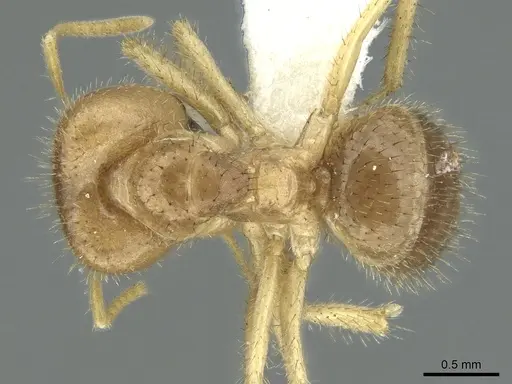
CASENT0906274
View on AntWeb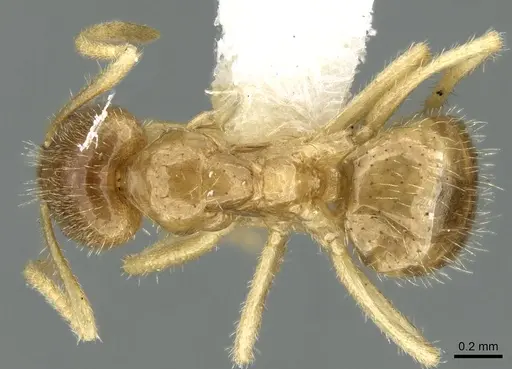
Literature
Loading...Loading products...