

Pseudolasius pheidolinus
- Scientific Name
- Pseudolasius pheidolinus
- Tribe
- Lasiini
- Subfamily
- Formicinae
- Author
- Emery, 1887
- Distribution
- Found in 1 countries
Pseudolasius pheidolinus Overview
Pseudolasius pheidolinus is an ant species of the genus Pseudolasius. It is primarily documented in 1 countries , including Indonesia. Detailed taxonomic data and occurrence records can be further explored via authoritative databases such as AntWeb or the Global Biodiversity Information Facility (GBIF).
Pseudolasius pheidolinus
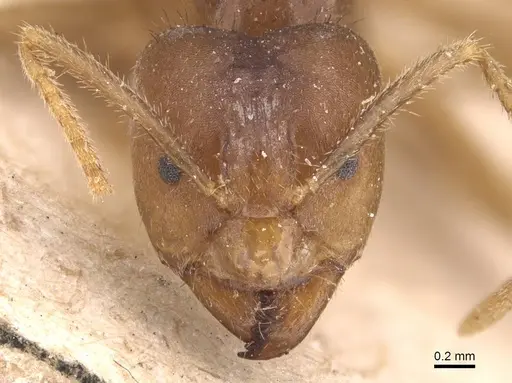
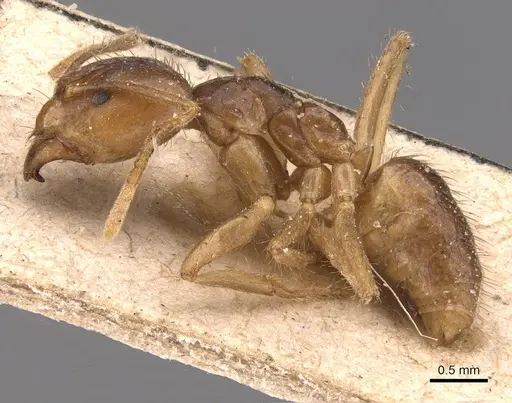
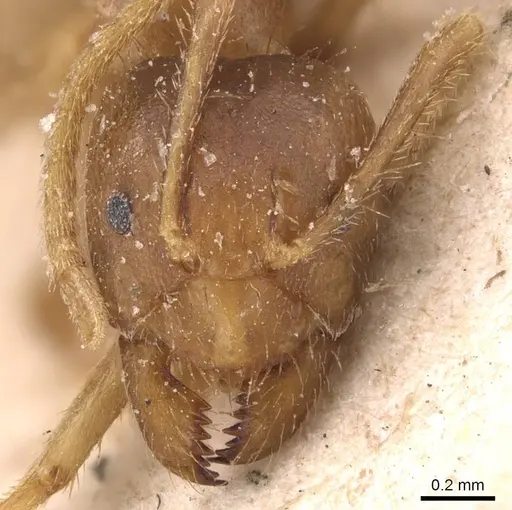
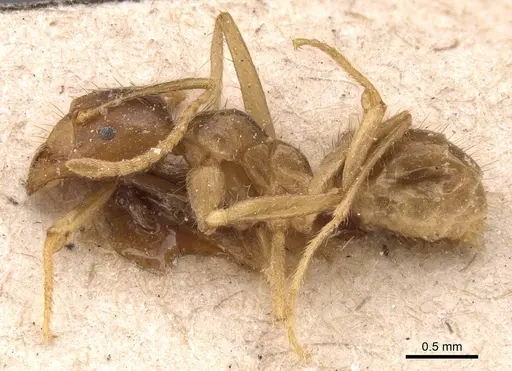
Pseudolasius pheidolinus is a small ant species in the subfamily Formicinae, native to the Indomalaya region including Indonesia (Sumatra, Java) and Brunei [1]. Workers are small and typically yellowish to light brown, characteristic of many ground-nesting Formicinae. This species was described by Emery in 1887 from Java, with males later described by Forel in 1913. It was recorded as a new species for Borneo when collected in Brunei in 2022 via pitfall trap in lowland dipterocarp forest [1]. Very little is known about this species' specific biology, behavior, or colony structure in the scientific literature.
Quick Summary
- Difficulty: Unknown, limited data available
- Origin & Habitat: Indomalaya region (Brunei, Indonesia, Sumatra, Java). Found in lowland dipterocarp forest [1].
- Colony Type: Unconfirmed colony structure. Likely single-queen based on typical Formicinae patterns, but this has not been documented for this specific species.
- Size & Growth:
- Queen: Estimated 5-7mm based on genus Pseudolasius patterns [2]
- Worker: Estimated 2-4mm based on genus patterns [2]
- Colony: Unknown, no colony size data available
- Growth: Unknown, no development data available
- Development: Estimated 6-10 weeks based on typical Formicinae development at tropical temperatures (Development timeline is not directly documented for this species. Estimates based on related Formicinae species.)
- Antkeeping:
- Temperature: Aim for 24-28°C based on their lowland tropical forest origin. A gentle gradient allowing workers to self-regulate is recommended
- Humidity: Keep substrate moderately moist, these forest-floor ants prefer damp but not waterlogged conditions. Provide a gradient from moist to slightly drier areas
- Diapause: Unknown, tropical species may not require formal hibernation but may show reduced activity in cooler months
- Nesting: A naturalistic setup with moist substrate or a Y-tong/plaster nest works well. They likely prefer enclosed chambers similar to other ground-nesting Formicinae
- Behavior: Behavior is not well documented. Based on genus patterns, they are likely relatively docile, ground-nesting ants that forage in the leaf litter layer. Escape prevention should be moderate, their small size means standard barriers are usually sufficient but fine mesh is recommended.
- Common Issues: limited data means care recommendations are based on genus inference rather than species-specific research, colony growth rate is unknown making it difficult to gauge if your colony is developing normally, no documented founding behavior, assume claustral like other Formicinae but this is unconfirmed, tropical origin means they may be sensitive to temperature drops, keep warm year-round
Natural History and Distribution
Pseudolasius pheidolinus is known from Brunei and Indonesia (Sumatra and Java), with the Brunei record representing a new species for Borneo [1]. The species was originally described by Carlo Emery in 1887 from Java, making it one of the older-described Pseudolasius species from the region. It has been collected in lowland dipterocarp forest environments, which are characterized by high humidity, dense canopy, and year-round warm temperatures. The ant was captured using pitfall traps, suggesting it forages on the forest floor or in the leaf litter layer. Beyond these basic distribution records, the species' specific biology, nesting habits, and colony dynamics remain unstudied in the scientific literature.
Housing and Nest Preferences
Based on their origin in lowland dipterocarp forest, these ants likely prefer humid, enclosed nesting environments. A Y-tong (acrylic) nest or plaster nest with moisture chambers works well for Pseudolasius species. The nest should have chambers appropriately sized for their small worker size (estimated 2-4mm). Provide a water reservoir or moisture source to keep the nest substrate damp but not waterlogged. The outworld can be a standard foraging area, these are small ants so ensure escape prevention is adequate, though they are not strong climbers like some Formicinae. A naturalistic setup with a soil-filled container also works if you want to observe more natural behaviors.
Feeding and Diet
The specific diet of P. pheidolinus has not been documented. As a Formicine ant, they likely have typical ant dietary preferences: nectar/honeydew as a sugar source, and protein from small insects or arthropods. Based on their small size and forest-floor habitat, they probably forage for tiny prey items and honeydew in the leaf litter. In captivity, offer sugar water or honey water as a constant carbohydrate source, and provide small protein sources like fruit flies, pinhead crickets, or other appropriately-sized insects. Feed protein roughly twice weekly and ensure fresh sugar water is always available.
Temperature and Seasonal Care
As a tropical species from lowland Southeast Asian forests, P. pheidolinus requires warm conditions year-round. Aim for temperatures in the range of 24-28°C, avoiding any prolonged drops below 20°C. Room temperature within this range is ideal, if your space is cooler, use a heating cable on one side of the nest to create a gentle gradient. Unlike temperate species, they likely do not require a formal diapause or hibernation period. However, they may show reduced activity during cooler months, monitor your colony and adjust heating accordingly. Maintain humidity by keeping the nest substrate moist but not saturated.
Behavior and Colony Dynamics
The specific behavioral traits of this species remain unstudied. Based on genus-level inference, they are likely relatively docile ground-nesting ants with typical Formicinae social structure. Workers probably forage individually or in small groups on the forest floor, collecting nectar and small prey. The colony size at maturity is unknown, it may be moderate given their small worker size. Queens are estimated at 5-7mm based on genus patterns. If you obtain a wild-caught colony, watch for any unusual behaviors and document them, as any observations would contribute to our limited knowledge of this species.
Frequently Asked Questions
How long does it take for Pseudolasius pheidolinus to develop from egg to worker?
The exact development timeline has not been documented for this species. Based on typical Formicinae development at tropical temperatures, estimate roughly 6-10 weeks from egg to first worker. Monitor your colony's progress and adjust temperature if development seems unusually slow.
What temperature should I keep Pseudolasius pheidolinus at?
Keep them warm at 24-28°C. This matches their natural lowland tropical forest habitat in Brunei and Indonesia. Avoid temperatures below 20°C for extended periods.
How big do Pseudolasius pheidolinus colonies get?
Colony size is not documented in the scientific literature. Based on their small worker size (estimated 2-4mm), colonies are likely moderate, probably in the range of hundreds of workers rather than thousands.
What do Pseudolasius pheidolinus eat?
Their specific diet is unconfirmed, but they likely accept standard ant foods: sugar sources (honey water, sugar water) and small protein items (fruit flies, tiny crickets, other insects). Offer sugar water constantly and protein roughly twice weekly.
Is Pseudolasius pheidolinus good for beginners?
This species is not well-documented in antkeeping, so it cannot be recommended as a beginner species. The limited scientific data means care is based on genus inference rather than proven husbandry. More common species with established care guides are better choices for beginners.
Do Pseudolasius pheidolinus need hibernation?
Hibernation is unlikely required, they are a tropical species from lowland Southeast Asian forests. They may show reduced activity in cooler conditions but do not need a formal diapause period like temperate species.
Can I keep multiple Pseudolasius pheidolinus queens together?
Colony structure is unconfirmed for this species. Combining unrelated queens is not recommended since this has not been studied and could result in aggression.
What type of nest should I use for Pseudolasius pheidolinus?
A Y-tong (acrylic) nest or plaster nest with moisture chambers works well. Keep the substrate moderately moist and provide appropriately-sized chambers for their small worker size. A naturalistic soil setup is also suitable.
Where is Pseudolasius pheidolinus found in the wild?
This species is known from Indonesia (Sumatra, Java) and Brunei on Borneo. It lives in lowland dipterocarp forest environments [1].
References

This caresheet is licensed under CC BY-SA 4.0 .
CASENT0905650
View on AntWeb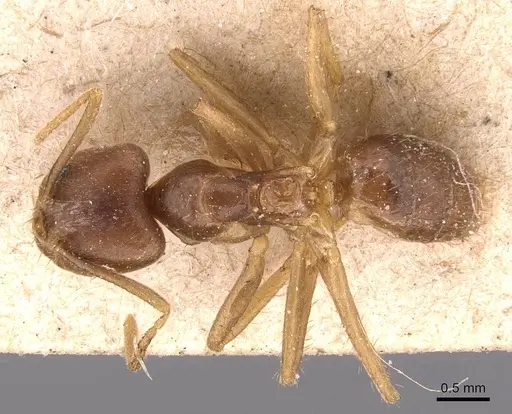
CASENT0905651
View on AntWeb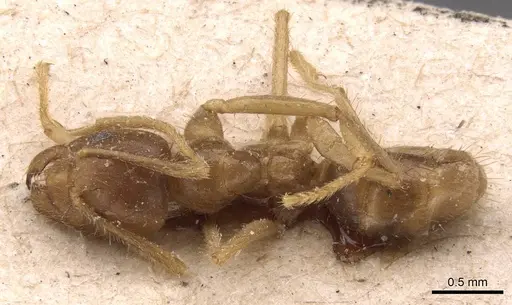
Literature
Loading...Loading products...