

Pseudolasius mayri
- Scientific Name
- Pseudolasius mayri
- Tribe
- Lasiini
- Subfamily
- Formicinae
- Author
- Emery, 1911
- Distribution
- Found in 1 countries
Pseudolasius mayri Overview
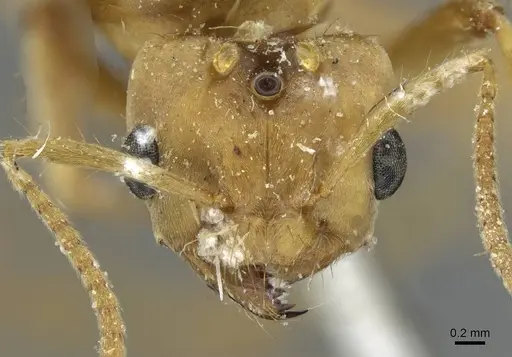
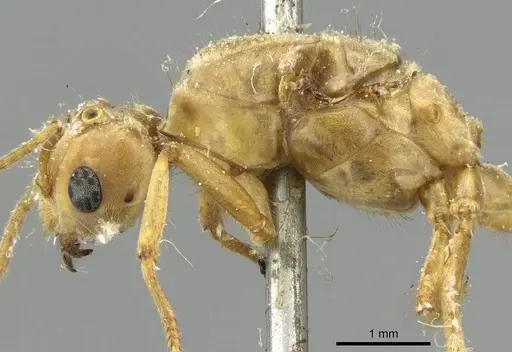
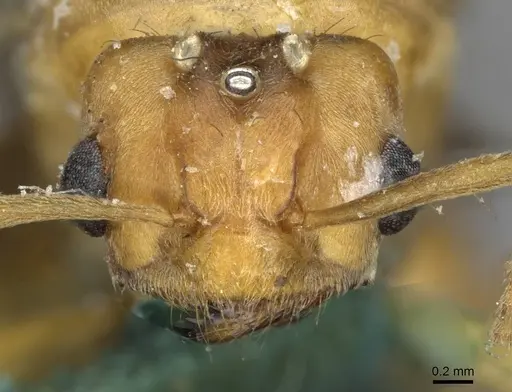
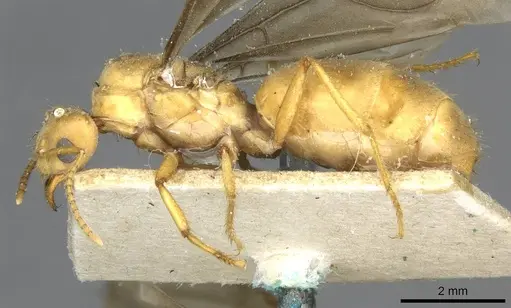
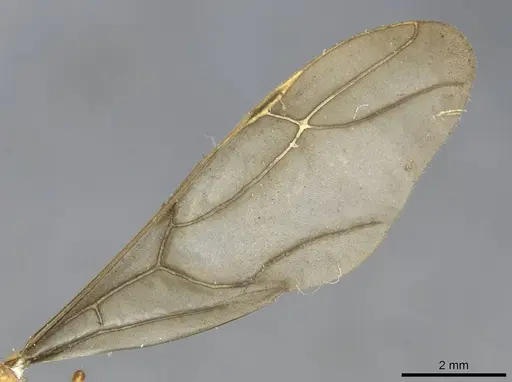
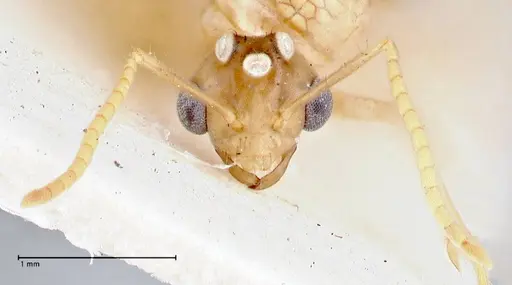
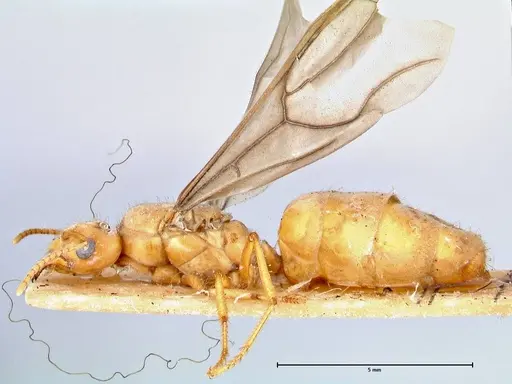
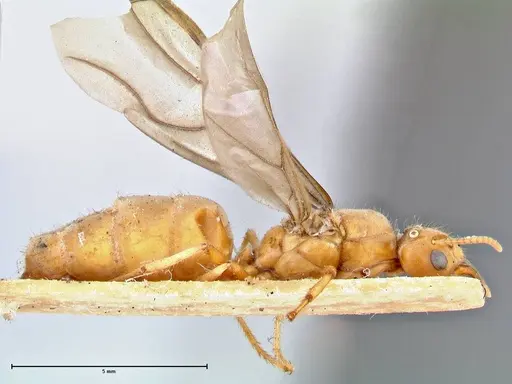
Pseudolasius mayri is an ant species of the genus Pseudolasius. It is primarily documented in 1 countries , including Singapore. Detailed taxonomic data and occurrence records can be further explored via authoritative databases such as AntWeb or the Global Biodiversity Information Facility (GBIF).
Pseudolasius mayri
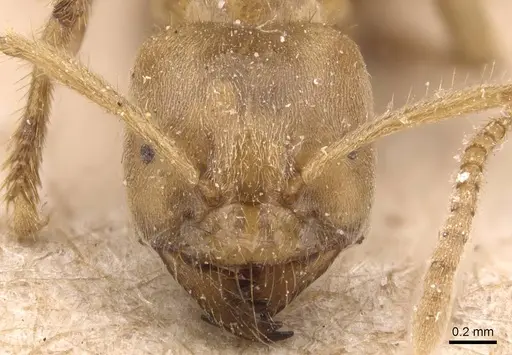
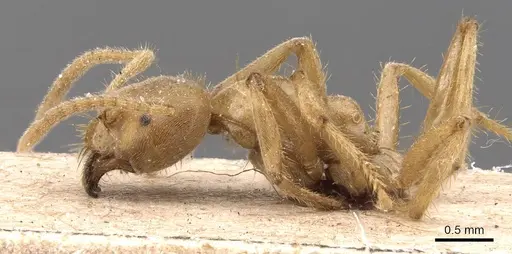
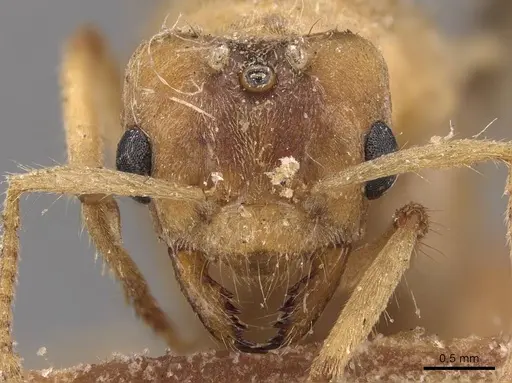
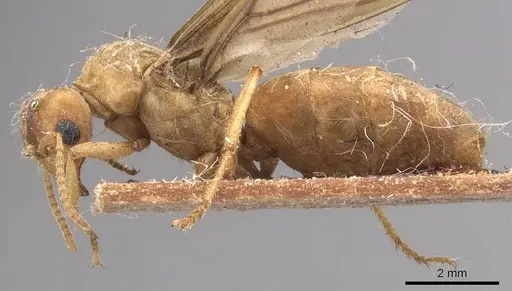
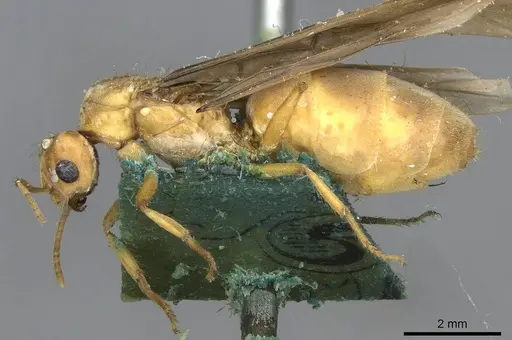
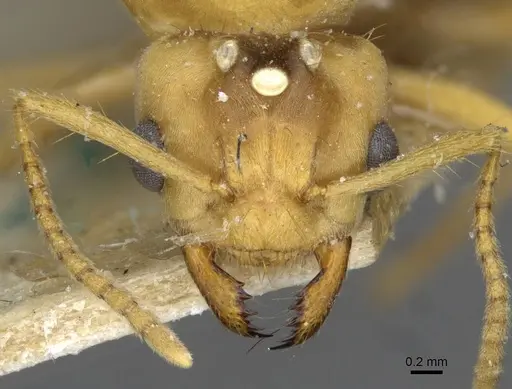
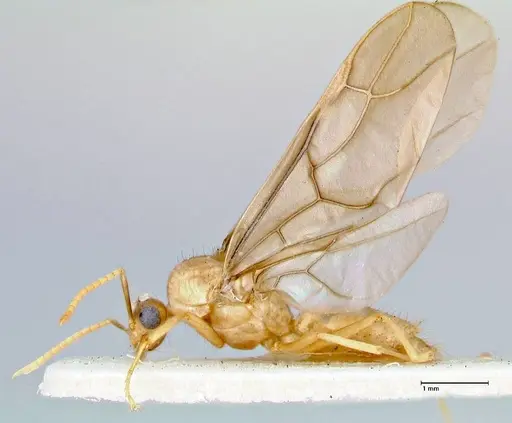
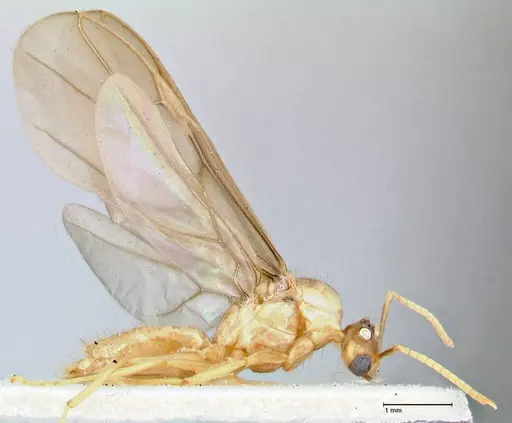
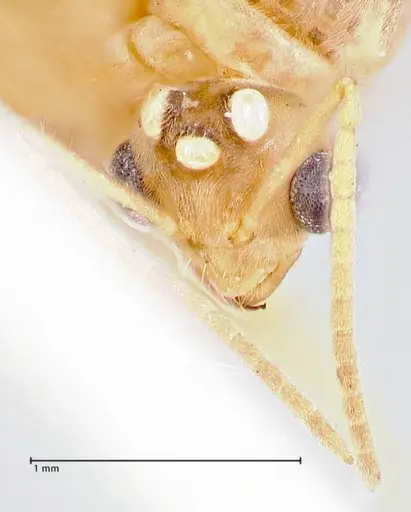
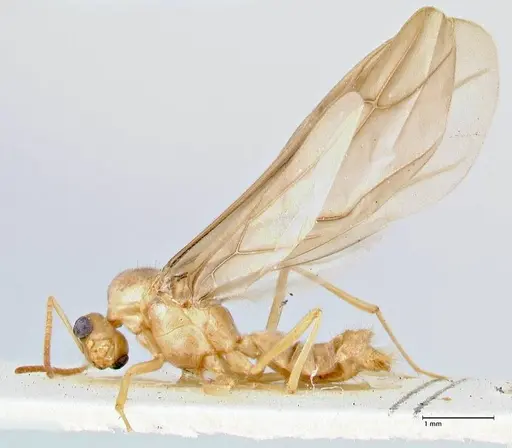
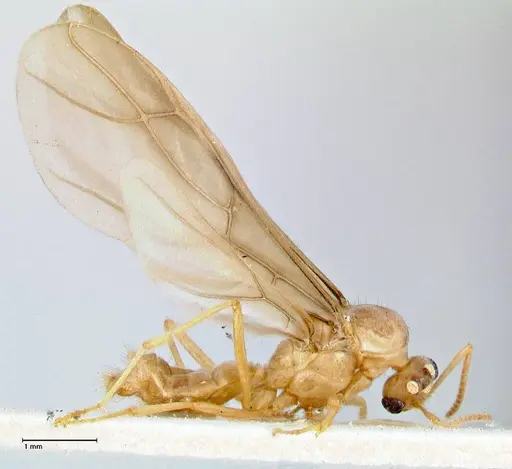
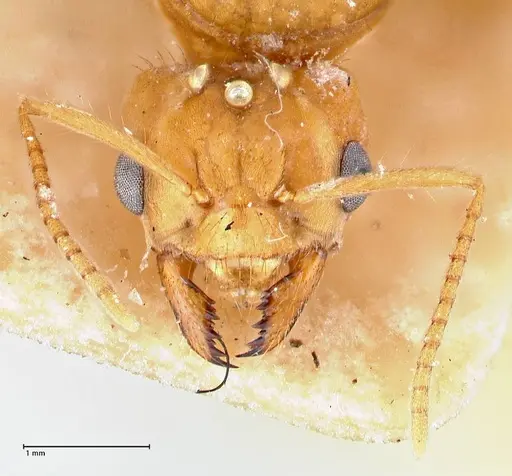
Pseudolasius mayri is a small ant species native to the Indomalaya region, found across Borneo, Indonesia, Malaysia, and Java [1]. Workers are tiny, typically measuring 2-4mm, with a pale to yellowish-brown coloration typical of the genus. The queen was described alongside workers in the original 1911 description by Emery. This species has been recorded in undisturbed forest environments and shows up in light trap collections, suggesting some nocturnal or crepuscular foraging activity. Six subspecies are recognized across their range, including bedoti, duplicatus, and sarawakanus. The genus Pseudolasius belongs to the Formicinae subfamily and is closely related to Lasius ants, which are well-known to antkeepers.
Quick Summary
- Difficulty: Unknown, limited data available
- Origin & Habitat: Indomalaya region, Borneo, Indonesia (Java), Malaysia. Found in undisturbed forest environments [2].
- Colony Type: Colony structure is unconfirmed. Based on genus patterns, likely single-queen colonies but this needs verification.
- Size & Growth:
- Queen: Approximately 4-6mm, estimated from genus patterns [1]
- Worker: 2-4mm [1]
- Colony: Unknown, likely small colonies based on typical Pseudolasius patterns
- Growth: Unknown, estimated as moderate based on related Lasius species
- Development: Estimated 6-10 weeks based on related Formicinae species (Direct development data unavailable, estimate based on genus-level inference from typical Lasiini patterns)
- Antkeeping:
- Temperature: Keep at room temperature, roughly 22-26°C. No specific thermal studies exist for this species [1].
- Humidity: Moderate to high humidity preferred, forest floor species. Keep nest substrate moist but not waterlogged.
- Diapause: Unknown for this species. Related Lasius species require winter hibernation, but tropical populations may not.
- Nesting: In nature they likely nest in soil or under stones in forest environments. Test tube setups work for founding, with naturalistic or Y-tong nests for established colonies.
- Behavior: Behavior is poorly documented. Based on genus patterns, they are likely relatively docile and not aggressive. Light trap captures suggest they are attracted to artificial light, which may indicate nocturnal foraging. Escape prevention should be excellent given their tiny size, they can squeeze through standard test tube barriers. No documented stinging ability.
- Common Issues: limited species-specific care data makes precise recommendations difficult, tiny size creates escape risk without fine mesh barriers, tropical origin means hibernation requirements are unclear, wild-caught colonies may not adapt well to captive conditions, slow colony growth can frustrate beginners
General Overview
Pseudolasius mayri is a small ant species belonging to the Formicinae subfamily, tribe Lasiini. Originally described by Emery in 1911 from Java, this species has since been recorded across the Indomalaya region including Borneo, Malaysia, and Indonesia [1]. Six subspecies are recognized, suggesting significant variation across their range. The species has been documented in undisturbed forest environments in Ambon [2] and appears in light trap collections in Singapore, indicating some attraction to artificial light sources [3][4]. Workers are small and typically pale-colored, consistent with other Pseudolasius species. This is a poorly studied species in the scientific literature, with most records being distribution surveys rather than detailed biological studies.
Housing and Nesting
For this tropical forest species, a test tube setup works well for colony founding. Use a standard test tube with a water reservoir plugged with cotton, the colony will need access to moisture. Given their tiny size, ensure escape prevention is excellent by using fine mesh barriers on any outworld connections. For established colonies, a Y-tong (acrylic) nest or naturalistic setup with moist substrate works well. Since they are documented from forest environments, they likely prefer humid conditions with some darkness. Avoid overly dry conditions. A small outworld for foraging allows you to observe their behavior and offer food. [1]
Feeding and Diet
Specific dietary studies for Pseudolasius mayri do not exist. Based on genus patterns and related Lasius species, they likely consume honeydew from aphids and scale insects, plus small insects for protein. In captivity, offer sugar water or honey water as a constant energy source. For protein, provide small prey items like fruit flies, pinhead crickets, or mealworm pieces. Given their tiny worker size, prey items should be appropriately small. Observe feeding behavior, if they ignore certain foods, try alternatives. Avoid overfeeding as uneaten prey can mold and harm the colony. [1]
Temperature and Seasonal Care
No specific temperature studies exist for this species. As a tropical ant from the Indomalaya region, aim for warm room temperature around 22-26°C. This matches typical tropical ant requirements and aligns with their natural habitat in Southeast Asian forests. Since they come from a tropical climate without harsh winters, hibernation may not be required, however, related Lasius species do undergo diapause. Monitor your colony for signs of stress during cooler months. If workers become less active in winter, a slight temperature reduction may be appropriate, but avoid cold temperatures below 18°C unless the colony shows clear dormancy signs. [1]
Colony Development
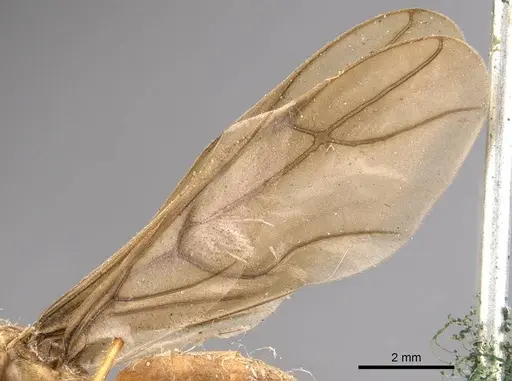
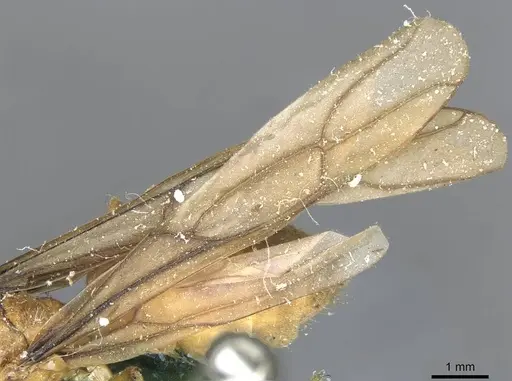
The original description by Emery in 1911 described workers, queens, and males, confirming this species has winged reproductive castes [1]. However, detailed colony development data including egg-to-worker timeline, nanitic worker production, and colony growth rates are not documented in available literature. Based on inference from related Formicinae species in the Lasiini tribe, expect development to take roughly 6-10 weeks from egg to worker at optimal temperatures. Colony size likely remains modest, probably under a few hundred workers in established colonies. Growth is likely slower than faster-developing genera like Tapinoma or Paratrechina. Patience is key with this species.
Frequently Asked Questions
How long does it take for Pseudolasius mayri to produce first workers?
Exact timing is unknown, but based on related Formicinae species, expect 6-10 weeks from egg to first worker at room temperature (22-26°C). This is an estimate since no species-specific development data exists.
What do Pseudolasius mayri ants eat?
Based on genus patterns, they likely accept honeydew and small insects. Offer sugar water or honey water as a constant food source, plus small protein items like fruit flies or tiny crickets. Adjust based on what your colony actually accepts.
Can I keep Pseudolasius mayri in a test tube?
Yes, test tubes work well for founding colonies. Ensure excellent escape prevention, their tiny size means they can squeeze through standard gaps. Use fine mesh on any openings.
Do Pseudolasius mayri need hibernation?
Hibernation requirements are unknown for this tropical species. Related Lasius species require winter dormancy, but this tropical ant may not. Monitor colony activity, if they slow down in winter, a slight temperature reduction may help.
How big do Pseudolasius mayri colonies get?
Colony size is not documented, but based on typical Pseudolasius patterns, they likely reach a few hundred workers at most. Expect modest colony growth compared to faster-developing genera.
Are Pseudolasius mayri good for beginners?
Difficulty level cannot be accurately assessed due to limited species-specific data. They are docile and likely manageable, but the lack of detailed care information makes them challenging for true beginners who benefit from well-documented species.
What temperature should I keep Pseudolasius mayri at?
Aim for room temperature around 22-26°C. No specific optimal range has been studied for this species, but this range suits their tropical origin.
Where is Pseudolasius mayri found?
They are native to the Indomalaya region, documented in Borneo, Indonesia (Java), and Malaysia. Also recorded in Singapore and Ambon Island [2][3][4].
Is Pseudolasius mayri aggressive?
Aggression levels are not documented, but Pseudolasius species are generally considered docile and non-aggressive based on genus patterns.
References

This caresheet is licensed under CC BY-SA 4.0 .
CASENT0905647
View on AntWeb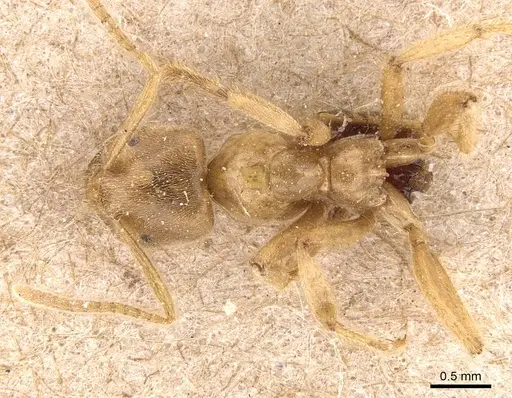
CASENT0905648
View on AntWeb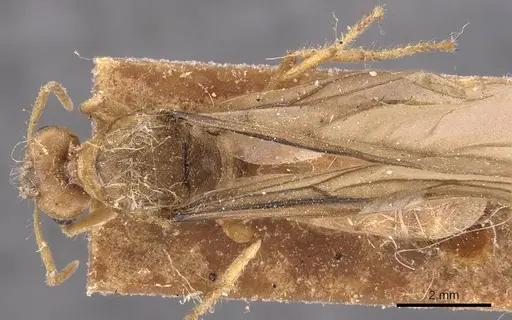
CASENT0910983
View on AntWeb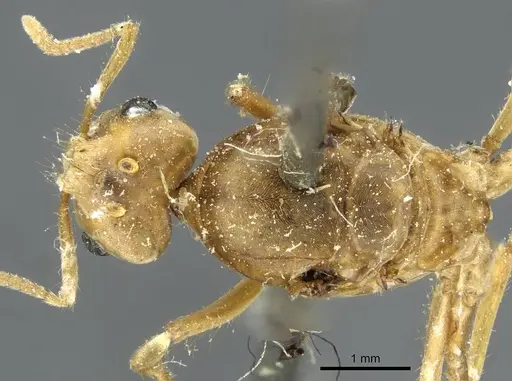
CASENT0910984
View on AntWeb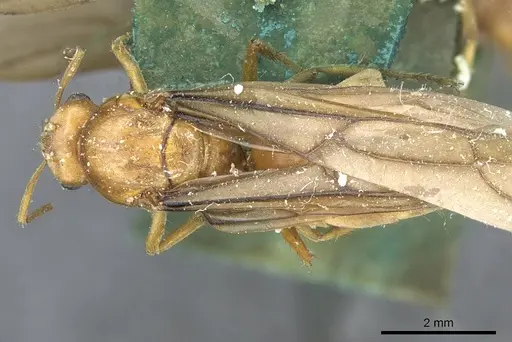
CASENT0910985
View on AntWeb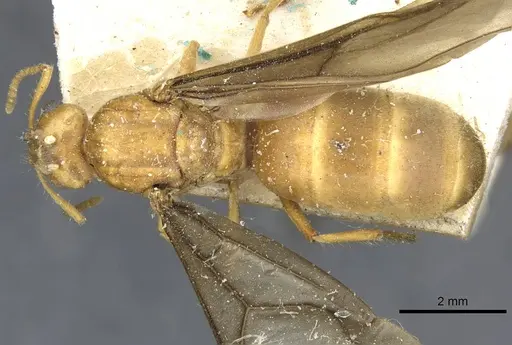
FOCOL2688
View on AntWeb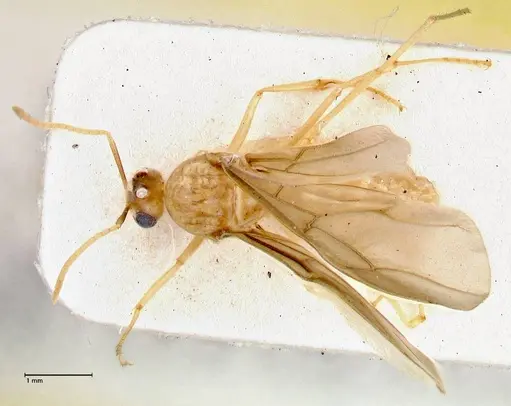
FOCOL2689
View on AntWeb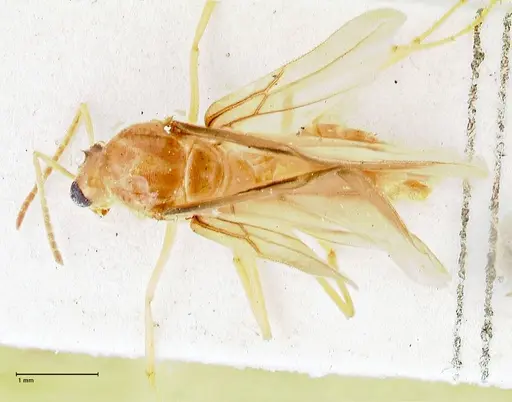
FOCOL2690
View on AntWeb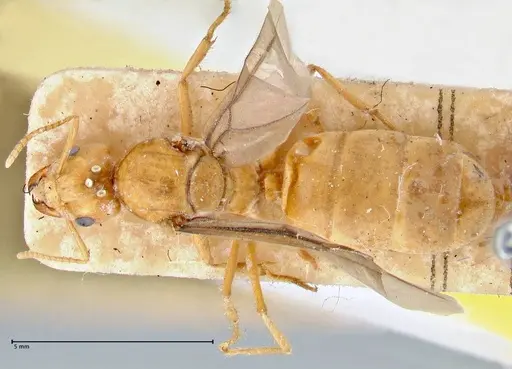
Literature
Loading...Loading products...