

Pseudolasius ludovici
- Scientific Name
- Pseudolasius ludovici
- Tribe
- Lasiini
- Subfamily
- Formicinae
- Author
- Forel, 1913
- Distribution
- Found in 1 countries
Pseudolasius ludovici Overview
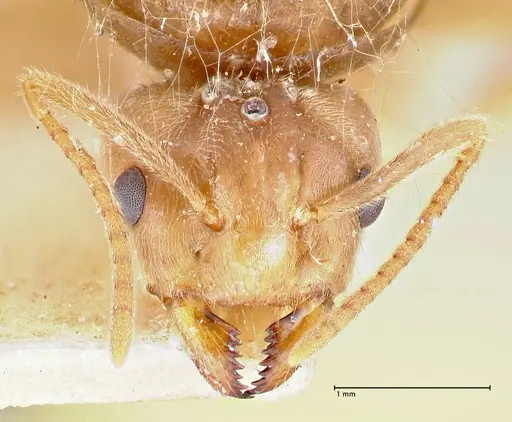
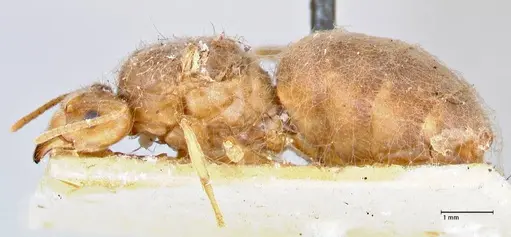
Pseudolasius ludovici is an ant species of the genus Pseudolasius. It is primarily documented in 1 countries , including Malaysia. Detailed taxonomic data and occurrence records can be further explored via authoritative databases such as AntWeb or the Global Biodiversity Information Facility (GBIF).
Pseudolasius ludovici
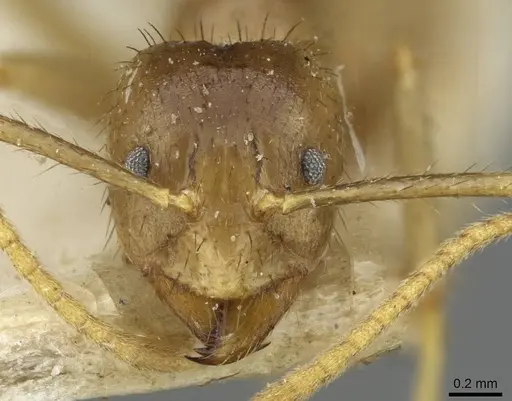
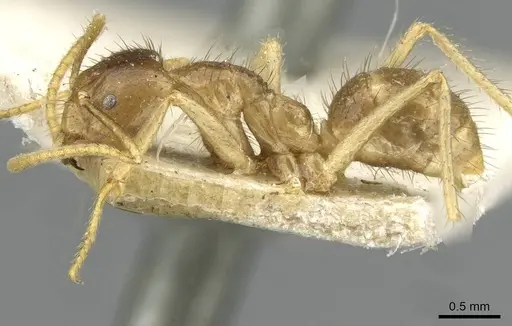
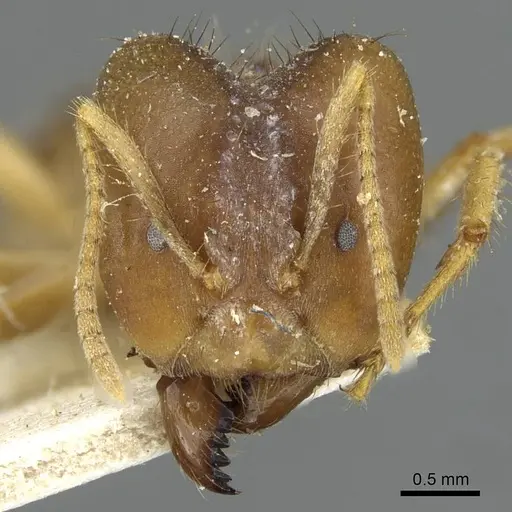
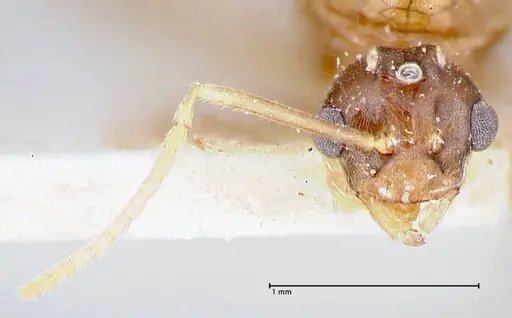
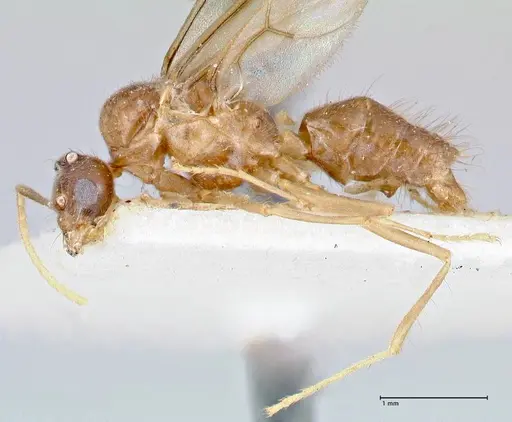
Pseudolasius ludovici is a small to medium-sized ant in the Formicinae subfamily, originally described from Sumatra, Indonesia. Workers are relatively small with the typical body proportions of the genus, they have a compact mesosoma and a well-developed gaster. The species is known from Indonesia (Sumatra) and Singapore in the Indomalaya region. Two subspecies are recognized: P. ludovici malaccanus and P. ludovici papuanus. This species has been caught using light traps, suggesting they are attracted to artificial light at night. Historical breeding attempts in the 1920s failed when larvae pupated, indicating some specific requirement for complete development is not well understood. As a Pseudolasius species, they likely share traits with related Formicinae ants, though detailed biological studies are lacking.
Quick Summary
- Difficulty: Unknown, limited data available
- Origin & Habitat: Indomalaya region, Indonesia (Sumatra) and Singapore. Specific habitat preferences are not documented in available literature [1].
- Colony Type: Colony structure is unconfirmed. Based on related Formicinae patterns, likely single-queen colonies, but this requires verification.
- Size & Growth:
- Queen: Undocumented in available literature, genus estimate suggests 5-8mm
- Worker: Undocumented in available literature, likely 2-4mm based on genus typical sizes
- Colony: Unknown, no colony size data available
- Growth: Unknown, no development timing data available
- Development: Unconfirmed, no direct measurements exist. Based on typical Pseudolasius and Formicinae patterns, estimate 6-10 weeks at warm temperatures, but this is highly uncertain. (Historical breeding attempts failed at the pupal stage, suggesting either specific environmental requirements or potential reproductive issues with this species in captivity.)
- Antkeeping:
- Temperature: Start around 24-28°C based on tropical Indomalaya origin. Adjust based on colony activity, if workers cluster together, they may prefer warmer conditions, if they avoid heated areas, reduce temperature. No species-specific thermal studies exist.
- Humidity: Keep moderately humid. Pseudolasius species typically nest in soil or under stones in natural habitats, suggesting they prefer damp but not waterlogged conditions. Provide a moisture gradient so ants can choose their preferred zone.
- Diapause: Unknown for this species. Tropical ants from the Indomalaya region may not require formal hibernation, but a slight cooling period during cooler months may be beneficial.
- Nesting: Natural nesting is undocumented. Based on genus patterns, they likely nest in soil or under stones in shaded locations. For captivity, standard test tubes work for founding colonies, with plaster or acrylic nests suitable for established colonies. Provide some substrate depth for potential burrowing.
- Behavior: Behavior is poorly documented. As Formicinae ants, they likely have moderate activity levels and may show typical ant behaviors like foraging trails and brood care. Escape risk is likely moderate given their small size, use standard barrier methods. No specific aggression or defense mechanisms are documented.
- Common Issues: Historical breeding failures at pupal stage suggest this species may have specific requirements not yet understood by keepers, Limited natural history data means care is largely based on genus-level inference rather than species-specific research, Tropical origin means they may be sensitive to temperature drops, keep warm and stable, No documented diet preferences, keepers must experiment with protein and sugar sources, Wild-caught specimens may have parasites or diseases that cause colony failure
Nest Preferences
The natural nesting habits of Pseudolasius ludovici are not documented in available scientific literature. Based on the genus Pseudolasius, which typically nests in soil or under stones in shaded locations, provide a nest environment that mimics these conditions. For founding colonies, standard test tube setups work well, fill with water and plug with cotton, providing a dark, humid chamber. For established colonies, plaster nests or acrylic formicaria with some soil substrate allow for natural burrowing behavior. The key is providing a humid but not waterlogged environment with stable temperatures. Avoid excessive ventilation that dries the nest, as these are likely adapted to more stable underground conditions.
Feeding and Diet
Specific dietary requirements for Pseudolasius ludovici are unknown, no feeding studies or gut content analyses exist for this species. As Formicinae ants, they likely have a typical omnivorous diet similar to related genera like Lasius and Paratrechina. Offer a variety of foods to determine preferences: sugar water or honey as an energy source, and protein sources like small insects (fruit flies, pinhead crickets, mealworms). Start with small amounts and remove uneaten food within 24-48 hours to prevent mold. Since historical breeding attempts failed at the pupal stage, ensuring proper nutrition may be critical for successful colony development, consider offering diverse protein sources and possibly supplements.
Temperature and Care
Pseudolasius ludovici originates from tropical Indonesia and Singapore, suggesting they prefer warm, stable temperatures. Start around 24-28°C and monitor colony behavior, active foraging and brood development indicate appropriate conditions. Avoid temperature fluctuations and keep the nest away from drafts or air conditioning. Since this is a poorly studied species, observe your colony closely: if workers cluster in warmer areas of the nest, increase heat slightly, if they avoid heated zones, reduce temperature. A heating cable on one side of the nest creates a gradient allowing ants to self-regulate. No specific diapause requirements are documented, but tropical ants often benefit from a slight seasonal reduction in temperature during winter months rather than a true hibernation.
Behavior and Temperament
Detailed behavioral observations for Pseudolasius ludovici do not exist in the scientific literature. The species was originally described by Forel in 1913 based on specimens from Sumatra, with subsequent subspecies described from the Malay Peninsula and Papua. They have been caught using light traps, suggesting nocturnal activity or at least attraction to artificial light sources. As Formicinae ants, they likely exhibit typical ant behaviors including foraging, brood care, and colony defense. Their small size suggests moderate escape risk, use standard barrier methods like fluon on test tube rims. No specific defense mechanisms or aggression levels are documented, so observe your colony for individual temperament. [1]
Colony Founding
Colony founding behavior has not been directly documented for this species. Based on typical Formicinae patterns, the queen likely seals herself in a claustral chamber and raises the first brood alone using stored fat reserves. Historical records from the 1920s mention females caught at light traps and attempted breeding that failed when larvae became pupae [2][3]. This suggests the species can produce brood in captivity but may have specific requirements for complete development. When starting a colony from a caught queen, provide a dark, humid test tube setup and do not disturb her during the founding phase. Monitor but do not intervene unless the colony appears to be failing.
Growth and Development
No specific development timeline data exists for Pseudolasius ludovici. The historical breeding attempts documented in the 1920s failed when larvae turned into pupae, suggesting either nutritional issues, environmental requirements, or potential reproductive problems with this species [2][3]. Based on related Pseudolasius species and general Formicinae development patterns, expect 6-10 weeks from egg to worker at optimal warm temperatures (around 25-27°C). First workers (nanitics) are typically smaller than mature workers. The failure at pupation is concerning, ensure proper humidity levels and consider providing varied protein sources. Growth rate is unknown but likely moderate for a tropical species. Patience is essential, as this species may require specific conditions not yet understood.
Frequently Asked Questions
How long does it take for Pseudolasius ludovici to produce first workers?
The exact timeline is unconfirmed, no species-specific development data exists. Based on typical Formicinae patterns, estimate 6-10 weeks from egg to worker at warm temperatures (24-28°C). However, historical records show breeding attempts failed at the pupal stage, so actual development may be more complex than typical ants.
What do Pseudolasius ludovici ants eat?
Diet is unconfirmed for this species. Based on related Formicinae ants, offer sugar water or honey for energy and small insects (fruit flies, pinhead crickets, mealworms) for protein. Start with small amounts and remove uneaten food within 24 hours. The breeding failure at pupation suggests nutrition may be important, consider offering diverse protein sources.
Can I keep Pseudolasius ludovici in a test tube?
Yes, test tubes work well for founding colonies. Provide a water reservoir setup with cotton, creating a humid dark chamber. Keep the tube in stable temperatures around 24-28°C and in darkness during the founding phase. Once workers emerge and the colony grows, you can transition to a larger formicarium.
Do Pseudolasius ludovici ants need hibernation?
Diapause requirements are unknown. As a tropical species from Indonesia and Singapore, they likely do not require true hibernation. A slight temperature reduction during winter months (down to around 20-22°C) may be beneficial, but avoid cold temperatures that could harm the colony.
Are Pseudolasius ludovici good for beginners?
This species is not recommended for beginners due to the complete lack of documented care information and historical breeding difficulties. The 1920s attempts failed at the pupal stage, suggesting this species has specific requirements not yet understood. Consider starting with better-documented species like Lasius or Paratrechina before attempting Pseudolasius ludovici.
How big do Pseudolasius ludovici colonies get?
Colony size is unknown, no colony size data exists in available literature. Based on genus patterns, colonies likely reach several hundred workers over time, but this is an estimate. The historical breeding difficulties suggest colonies may be challenging to establish and maintain long-term.
Can I keep multiple Pseudolasius ludovici queens together?
Colony structure is unconfirmed. No data exists on whether they are monogyne (single queen) or polygyne (multiple queens). Based on related Formicinae, single-queen colonies are more likely. Do not attempt combining unrelated foundress queens without documented evidence that this is safe.
Why did the historical breeding attempts fail?
The 1920s breeding attempts failed when larvae turned into pupae [2][3]. The exact cause is unknown, possible factors include improper humidity, temperature issues, nutritional deficiencies, or disease. Modern keepers should ensure proper humidity, varied diet, and stable warm temperatures. This may be a challenging species to breed in captivity.
What temperature should I keep Pseudolasius ludovici at?
Start around 24-28°C based on their tropical origin. Create a temperature gradient using a heating cable on one side of the nest so ants can choose their preferred zone. Monitor behavior, active foraging suggests appropriate temperatures. Avoid temperatures below 20°C or above 32°C.
Where is Pseudolasius ludovici found in the wild?
They are documented from Indonesia (Sumatra) and Singapore in the Indomalaya region. Two subspecies are recognized: malaccanus from the Malay Peninsula and papuanus from Papua. Specific microhabitat preferences are not documented.
Is Pseudolasius ludovici invasive or dangerous?
No evidence suggests this species is invasive. It is native to the Indomalaya region. Danger to humans is minimal, they are small ants with no documented aggressive behavior or dangerous stings. They are not considered pest species.
References

This caresheet is licensed under CC BY-SA 4.0 .
CASENT0910979
View on AntWeb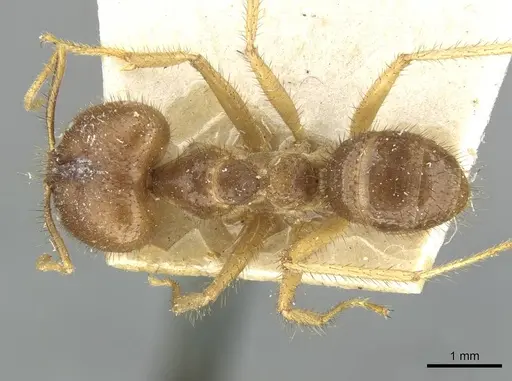
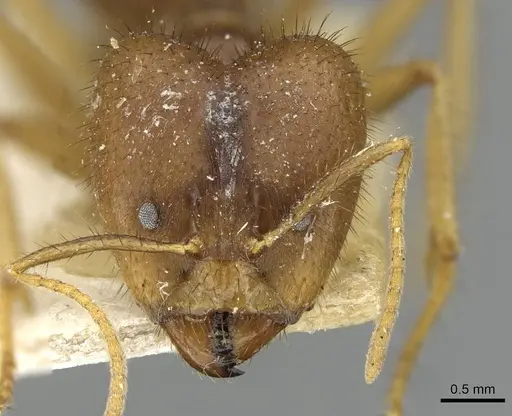
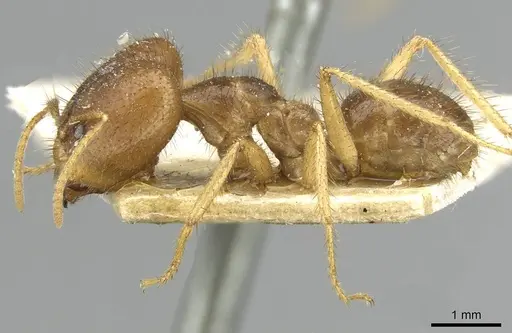
CASENT0910980
View on AntWeb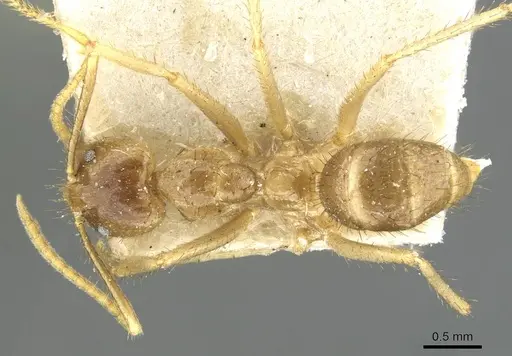
CASENT0910981
View on AntWeb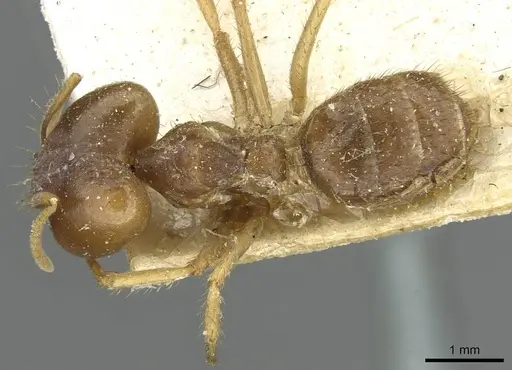
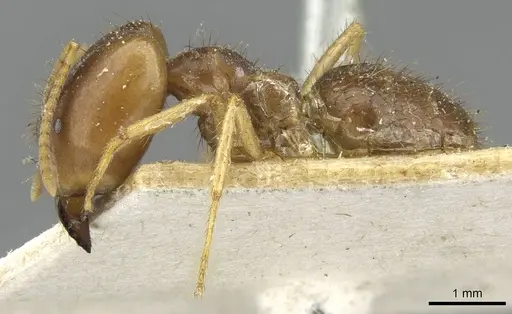
CASENT0910982
View on AntWeb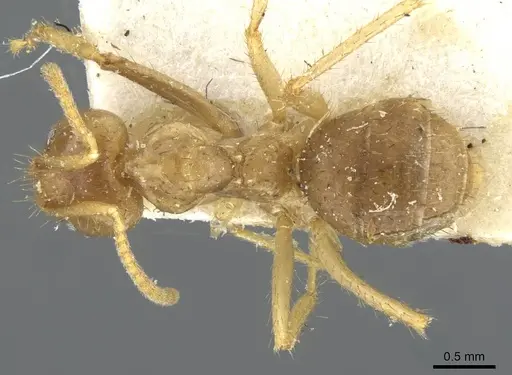
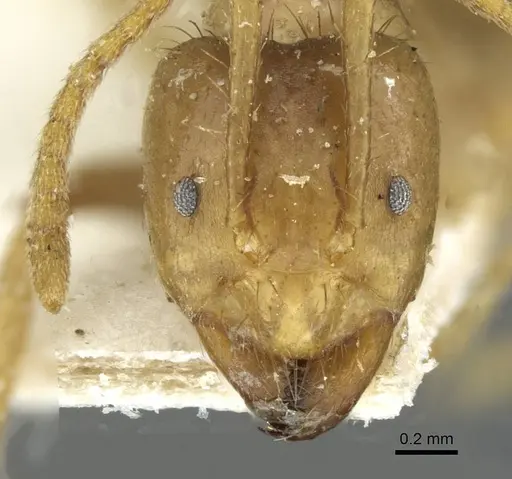
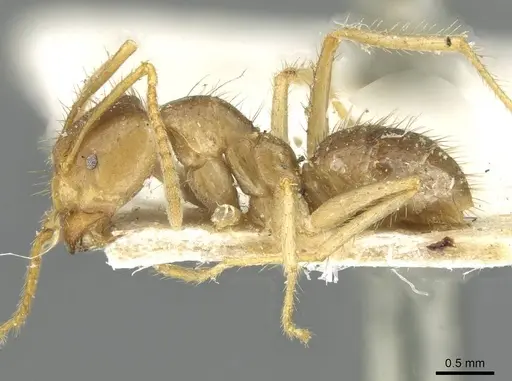
FOCOL2682
View on AntWeb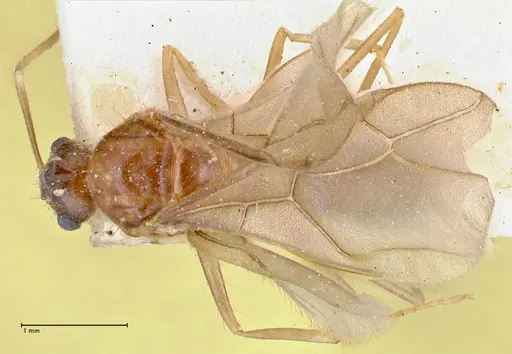
FOCOL2683
View on AntWeb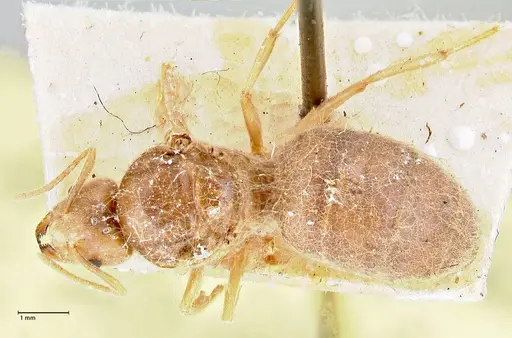
Literature
Loading...Loading products...