

Pseudolasius familiaris
- Scientific Name
- Pseudolasius familiaris
- Tribe
- Lasiini
- Subfamily
- Formicinae
- Author
- Smith, 1860
- Distribution
- Found in 2 countries
Pseudolasius familiaris Overview
Pseudolasius familiaris is an ant species of the genus Pseudolasius. It is primarily documented in 2 countries , including China, Indonesia. Detailed taxonomic data and occurrence records can be further explored via authoritative databases such as AntWeb or the Global Biodiversity Information Facility (GBIF).
Pseudolasius familiaris
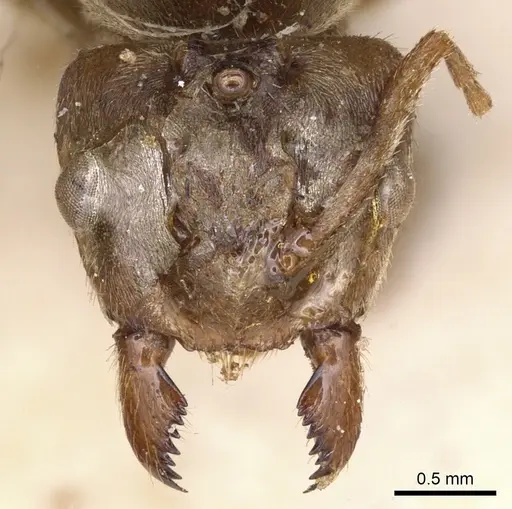
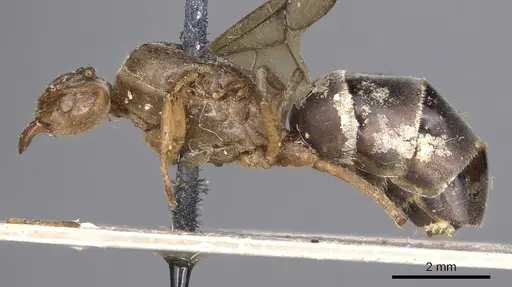
Pseudolasius familiaris is a small to medium-sized ant species native to South and Southeast Asia, ranging from India and Nepal through Indonesia to southern China. Workers measure 6-7mm and have a distinctive appearance: reddish-yellow body with a darker reddish-brown abdomen, covered in fine erect hairs and dense silky pubescence on the gaster. The antennae have twelve segments with scapes that extend beyond the posterior margin of the head. This species inhabits diverse forest environments from lowland wet forests to montane areas up to 3000m elevation in the Himalayas, nesting in soil and under stones. Unlike many forest-dwelling ants, P. familiaris is adaptable and can also thrive in human-modified landscapes like rubber plantations.
Quick Summary
- Difficulty: Medium
- Origin & Habitat: Native to the Indomalaya region including Borneo, India, Indonesia, Malaysia, Nepal, Sulawesi, and extends into southern China. Found in diverse habitats from lowland wet forests to montane forests at elevations up to 3000m. Nests in soil, under stones, and on ground surfaces [1][2][3].
- Colony Type: Colony structure is unconfirmed. Based on genus-level patterns, likely forms single-queen colonies (monogyne). Further research needed to confirm queen number and colony social structure.
- Size & Growth:
- Queen: Unknown, not directly measured in available literature
- Worker: 6-7mm [4]
- Colony: Unknown, no colony size data available
- Growth: Unknown, no development timing data available
- Development: Unknown, no direct measurements available. Based on typical Formicinae patterns, estimate 6-10 weeks at optimal temperature. (Development timeline is unconfirmed. Related Formicinae species typically take 6-10 weeks from egg to first worker.)
- Antkeeping:
- Temperature: Keep at room temperature around 20-26°C. This species tolerates a wide elevation range (574-3000m), suggesting adaptability. Start at room temperature and adjust based on colony activity.
- Humidity: Moderate humidity around 50-70%. In nature they inhabit forest floors with varying moisture levels. Keep nest substrate moderately moist but not waterlogged.
- Diapause: Likely requires a winter rest period (diapause) given their distribution in temperate-to-subtropical Himalayan regions. Reduce temperature to 10-15°C for 2-3 months during winter.
- Nesting: Prefers soil-based nests with some moisture. A naturalistic setup with soil or a plaster/acrylic nest works well. They nest under stones and in soil in the wild, so provide appropriate substrate depth.
- Behavior: Workers forage on ground surfaces, under stones, and within soil. They are likely generalist foragers, similar to related Formicinae species. Their small size (6-7mm) means escape prevention should be considered, though they are not among the smallest ants. Likely non-aggressive and shy, typical of forest-dwelling Formicinae.
- Common Issues: development timeline is unknown, making it difficult to track colony progress, colony structure and founding behavior unconfirmed, requiring careful observation, winter diapause requirements are estimated rather than documented, escape prevention should be considered given their active foraging behavior, limited captive care information means keepers must adapt from related species
Natural History and Distribution
Pseudolasius familiaris has a broad distribution across South and Southeast Asia. The species is documented from Nepal, Bhutan, India (Arunachal Pradesh, Himachal Pradesh, Jammu & Kashmir, Meghalaya, Sikkim), Myanmar, Malaysia, Indonesia (Sulawesi, Borneo, Ambon Island), and southern China (Yunnan, Sichuan). This wide distribution spans tropical lowland forests to montane Himalayan environments, with elevation records ranging from 574m in Sichuan to 3000m in the Himalayas. They are found in various forest types including conifer-broadleaf forest, semi-evergreen broadleaf forest, and even human-modified rubber plantations, indicating ecological flexibility. Workers are distinctive with their reddish-yellow coloration, dark gaster, and body covered in erect setae and dense pubescence. [4][3][1]
Nesting and Colony Structure
In the wild, Pseudolasius familiaris nests in soil, under stones, and on ground surfaces. They are ground-nesting ants that create colonies in forest floor environments. Colony size data is not available in the scientific literature, but related Formicinae species typically form colonies ranging from hundreds to a few thousand workers. The colony structure (monogyne vs polygyne) has not been directly studied. Based on genus-level patterns and the fact that most Formicinae are single-queen species, colonies likely have one queen. The presence of ergatoid (wingless) replacement queens has not been documented for this species. [1]
Foraging and Diet
Workers forage in multiple locations including on ground surfaces, under stones, and within soil. While specific dietary studies are lacking for P. familiaris, related Formicinae in the Lasiini tribe are typically generalist omnivores that consume honeydew, small insects, and nectar. In captivity, they likely will accept sugar water or honey, protein sources like small insects (fruit flies, small mealworms), and possibly seeds. Their foraging behavior suggests they are active hunters that search for food both on the surface and in soil crevices. [1]
Temperature and Seasonal Care
Given their broad elevation range (574-3000m), Pseudolasius familiaris likely tolerates various temperature conditions. In captivity, maintain temperatures between 20-26°C. The species is present in Himalayan regions where temperatures drop significantly in winter, suggesting they require a diapause (winter rest) period. During winter, reduce temperatures to 10-15°C for 2-3 months to simulate natural seasonal cycles. This rest period is important for colony health and reproduction. In summer, room temperature is generally suitable, but avoid extreme heat above 30°C. [1]
Housing and Nest Setup
Pseudolasius familiaris is a ground-nesting species that prefers soil-based environments. In captivity, provide a naturalistic setup with moist soil substrate or use a plaster/acrylic formicarium with a soil chamber. The nest should have moderate humidity (50-70%) and maintain consistent moisture in the substrate. Since workers forage on ground surfaces and under stones, include some open foraging areas in the setup. A test tube setup can work for founding colonies, but transfer to a more spacious formicarium as the colony grows. Ensure adequate ventilation while maintaining humidity. [1]
Behavior and Temperament
This is a shy, non-aggressive forest ant species. Workers are active foragers that search for food across the forest floor. Their small size (6-7mm) and ground-nesting habits make them less likely to escape than arboreal species, but standard escape prevention (tight-fitting lids, barrier tape) should still be used. They are not known to be particularly aggressive or to have painful stings. The presence of erect setae covering their body suggests they may use chemical defenses rather than physical aggression when threatened. Overall, they are calm colony residents suitable for observation. [4][3]
Frequently Asked Questions
How long does it take for Pseudolasius familiaris to develop from egg to worker?
The exact development timeline is unknown, no specific studies exist for this species. Based on typical Formicinae patterns, expect approximately 6-10 weeks from egg to first worker at optimal temperature (around 24°C). Be patient, as development may vary.
What do Pseudolasius familiaris ants eat?
While not specifically studied, they likely accept sugar sources (honey, sugar water) and protein (small insects like fruit flies, pinhead crickets). Feed them a varied diet with constant access to sugar water and protein prey 2-3 times per week.
Do Pseudolasius familiaris ants need hibernation?
Yes, likely they do. Given their presence in Himalayan regions where winters are cold, they probably require a winter rest period. Reduce temperatures to 10-15°C for 2-3 months during winter.
Can I keep multiple Pseudolasius familiaris queens together?
The colony structure is not well-documented. Based on typical Formicinae behavior, they likely form single-queen colonies. Combining unrelated queens is not recommended as it has not been studied and may result in aggression.
What size colony do Pseudolasius familiaris reach?
Colony size data is not available in the scientific literature. Based on related Formicinae species, they likely reach several hundred to a few thousand workers over several years.
Are Pseudolasius familiaris good for beginners?
They are rated as medium difficulty. Limited captive care information exists, so they are better suited for keepers with some experience who can adapt from related species. Their temperature and humidity requirements are moderate.
What nest type is best for Pseudolasius familiaris?
A naturalistic setup with soil substrate or a plaster/acrylic formicarium with a soil chamber works best. They are ground-nesting ants that naturally nest in soil and under stones.
When should I move my colony to a formicarium?
Move them when the colony reaches 20-30 workers or when the test tube becomes crowded. Provide a formicarium with soil chambers and moderate humidity to accommodate their natural nesting behavior.
What temperature range is ideal for Pseudolasius familiaris?
Keep them at 20-26°C. They tolerate a wide range given their elevation distribution (574-3000m), but avoid temperatures above 30°C or below 15°C for extended periods.
References

This caresheet is licensed under CC BY-SA 4.0 .
CASENT0901892
View on AntWeb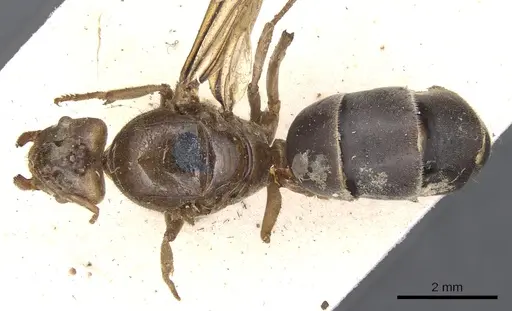
Literature
Loading...Loading products...