

Pseudolasius emeryi
- Scientific Name
- Pseudolasius emeryi
- Tribe
- Lasiini
- Subfamily
- Formicinae
- Author
- Forel, 1911
- Distribution
- Found in 1 countries
Pseudolasius emeryi Overview
Pseudolasius emeryi is an ant species of the genus Pseudolasius. It is primarily documented in 1 countries , including China. Detailed taxonomic data and occurrence records can be further explored via authoritative databases such as AntWeb or the Global Biodiversity Information Facility (GBIF).
Pseudolasius emeryi
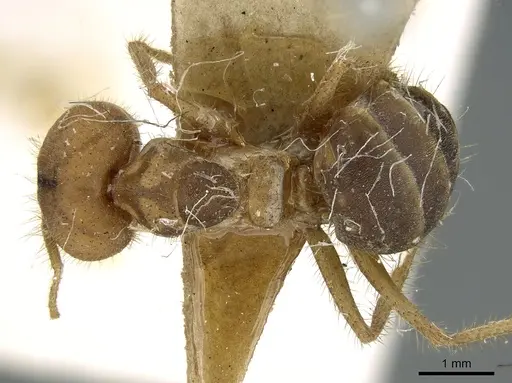
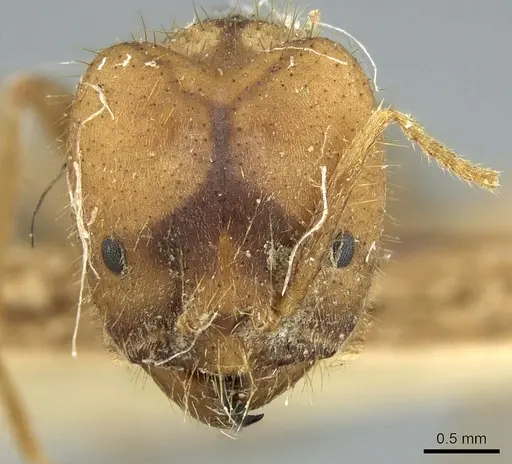
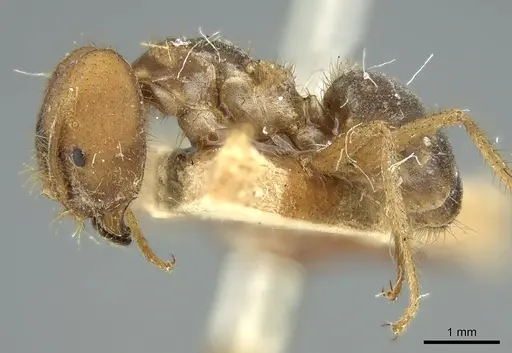
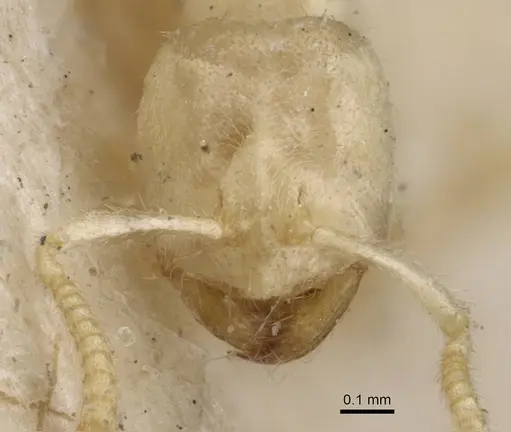
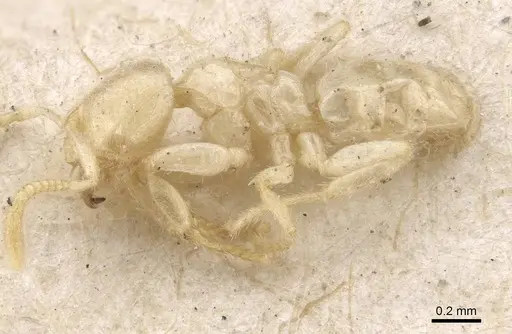
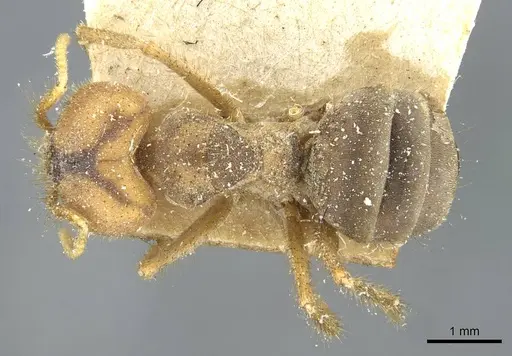
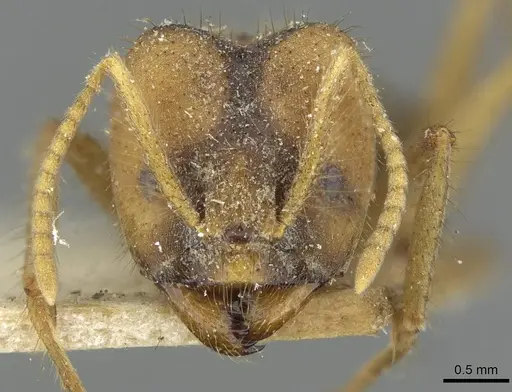
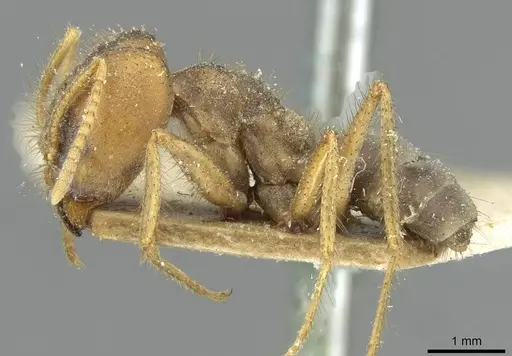
Pseudolasius emeryi is a small to medium-sized ant belonging to the subfamily Formicinae. Workers measure 2.3-3.8mm for minor castes and 4.0-5.0mm for major workers [1][2]. They have a distinctive reddish-brown coloration with the alitrunk and gaster appearing darker, almost blackish, while the cheek and mandibles are yellowish-brown [1]. The queens are significantly larger at 8.1mm [2]. This species is native to Southeast Asia and southern China, where it inhabits primary forest environments [3].
This ant is notable for being a habitat specialist restricted to primary forest ecosystems, research in Xishuangbanna, China found them only in primary forest and not in secondary forest or rubber plantations [3]. They have been recorded at higher elevations in the Hengduan Mountains of Yunnan Province, China [4]. The genus Pseudolasius is known for having diploid males occur in some species, which is a rare trait in ants [5].
Quick Summary
- Difficulty: Medium
- Origin & Habitat: Native to Southeast Asia and southern China. Found in primary forest ecosystems in Myanmar, China (Zhejiang, Hubei, Sichuan, Fujian, Taiwan), and India (Sikkim) [2][6][1]. This is a habitat specialist restricted to primary forest, not found in secondary forest or rubber plantations [3].
- Colony Type: Colony structure is unconfirmed. No published data on whether they are single-queen (monogyne) or multi-queen (polygyne) colonies.
- Size & Growth:
- Queen: 8.1mm [2]
- Worker: 2.3-3.8mm (minor) to 4.0-5.0mm (major) [1][2]
- Colony: Unknown, no published colony size data
- Growth: Unknown, no development timing data available
- Development: Unknown, no direct measurements available. Based on typical Formicinae patterns, estimate 6-10 weeks at optimal temperature. (Development timeline has not been directly studied. Estimates based on genus patterns rather than species-specific data.)
- Antkeeping:
- Temperature: Keep at 24-28°C. Being a tropical/subtropical forest species from southern China and Southeast Asia, they prefer warm conditions. A gentle gradient allowing workers to self-regulate is ideal.
- Humidity: Keep moderately humid, around 60-80%. As a primary forest species, they prefer stable humidity rather than dry conditions. Provide a moist nest substrate but avoid waterlogging.
- Diapause: Unknown, no published data on overwintering requirements. Based on their tropical/subtropical origin, they likely do not require a true hibernation but may slow down during cooler periods.
- Nesting: Naturalistic setups with moist substrate work well. In the wild they nest in soil in primary forest environments. Y-tong nests or plaster nests with good humidity retention are suitable options.
- Behavior: This is a relatively docile species not known for aggression. Workers are small and slow-moving. As a primary forest species, they likely prefer darker, more enclosed spaces and may be shy about coming into the open. Escape prevention should be moderate, while not the smallest ants, they can still squeeze through small gaps. They are likely nocturnal or crepuscular foragers based on typical forest ant behavior.
- Common Issues: habitat specialist stress, wild-caught colonies may struggle if kept in open, dry environments unlike their primary forest home, humidity management, too dry conditions will likely cause colony decline, no development data, keepers should expect slower growth and not overfeed in an attempt to speed things up, escape risk, minor workers at 2.3mm can fit through standard test tube cotton gaps if not careful, unknown colony structure, combining queens is not recommended since founding behavior is unstudied
Natural History and Distribution
Pseudolasius emeryi ranges across Southeast Asia and southern China. Known populations exist in Myanmar, China (Zhejiang, Hubei, Sichuan, Fujian, Taiwan), and India (Sikkim) [2][6][1]. They have also been recorded in the Hengduan Mountains at higher elevations [4]. This species is a habitat specialist restricted to primary forest ecosystems, research in Xishuangbanna, China found them only in primary forest samples and not in secondary forest or rubber plantation environments [3]. This makes them a good indicator of old-growth forest health in their range. The workers are polymorphic with major workers reaching 4.0-5.0mm and minor workers at 2.3-3.8mm [1][2]. Queens are substantially larger at 8.1mm [2]. The species was first described by Forel in 1911 from Myanmar [5].
Housing and Nest Preferences
As a primary forest species, Pseudolasius emeryi prefers humid, stable conditions. Naturalistic setups with moist substrate work well, these ants nest in soil in their natural habitat. Y-tong (acrylic) nests or plaster nests with good humidity retention are suitable captive environments. The nest area should stay consistently moist but not waterlogged. Given their small size, ensure that any connections to outworlds are secure. They likely prefer darker nesting areas and may be shy about coming into bright light, so placing the nest in a shaded location helps. A small outworld connected to the nest allows for feeding without excessive disturbance.
Feeding and Diet
Like most Formicinae, Pseudolasius emeryi likely accepts a varied diet including sugar sources and protein. Offer sugar water or honey regularly as an energy source. For protein, small insects like fruit flies, pinhead crickets, or mealworms are appropriate given their worker size. As a forest floor species, they probably scavenge rather than actively hunt large prey. Feed protein 2-3 times per week and keep sugar water available at all times. Remove uneaten prey after 24-48 hours to prevent mold. Start with modest portions, overfeeding can cause issues in species with unknown growth rates.
Temperature and Humidity
Keep Pseudolasius emeryi at 24-28°C, reflecting their tropical to subtropical origin in Southeast Asia and southern China. Room temperature in this range is typically suitable. A slight temperature gradient allows workers to self-regulate if needed. For humidity, maintain 60-80% relative humidity, these forest ants prefer consistent moisture. The nest substrate should feel damp to the touch but not have standing water. Avoid placing the nest near heating elements that could dry it out quickly. Monitor condensation levels as an indicator of humidity balance.
Colony Development and Growth
Colony development details for this species are not published, making it difficult to predict exact timelines. Based on typical Formicinae development, expect 6-10 weeks from egg to first worker at optimal temperature. Queens are 8.1mm and significantly larger than workers, which is typical for claustral founders. The colony likely grows moderately, without specific data, avoid overfeeding in an attempt to accelerate growth. Start with a small colony (queen alone or with a few workers) and be patient. Major and minor worker castes develop naturally as the colony matures. The presence of diploid males has been documented in related Pseudolasius species, which is genetically interesting but doesn't affect captive care. [2]
Behavior and Temperament
Pseudolasius emeryi is a relatively docile, non-aggressive species. Workers are small and slow-moving, not given to major defensive displays. As a forest species, they are likely more comfortable in enclosed, darker spaces and may not venture frequently into open areas. They probably forage during cooler hours or at night, typical for many forest-floor ants. Workers may be shy about crossing open areas to reach food. This makes them interesting to observe but less dramatic than some more active species. They are not known to sting and present no danger to keepers.
Frequently Asked Questions
How long does it take for Pseudolasius emeryi to produce first workers?
The exact egg-to-worker timeline is unconfirmed for this species. Based on typical Formicinae development patterns, expect approximately 6-10 weeks at optimal temperature (24-28°C). Be patient, without published development data, growth may be slower than expected.
What size colony does Pseudolasius emeryi reach?
Maximum colony size is unknown, no published data exists on colony size for this species. Based on worker size and genus patterns, colonies likely reach several hundred workers at most, but this is an estimate.
Can I keep multiple Pseudolasius emeryi queens together?
Not recommended. The colony structure (monogyne vs polygyne) has not been studied for this species. Combining unrelated queens carries significant risk of aggression and colony failure. Start with a single queen colony.
What temperature do Pseudolasius emeryi need?
Keep them at 24-28°C. This reflects their tropical/subtropical origin in Southeast Asia and southern China. Room temperature in this range is typically suitable.
Are Pseudolasius emeryi good for beginners?
They are rated as medium difficulty. While not aggressive, they are a less common species with limited published care information. Their habitat specialist nature (primary forest requirement) means they need more attention to humidity and environment than hardy species. Experienced antkeepers will have more success.
Do Pseudolasius emeryi need hibernation?
Diapause requirements are unknown. Based on their tropical/subtropical origin, they likely do not require true hibernation. They may slow down during cooler periods, but a full hibernation is probably not necessary.
Why are my Pseudolasius emeryi dying?
The most likely cause is improper humidity, being a primary forest species, they need consistent moisture. Dry conditions quickly cause colony decline. Also ensure temperatures stay in the 24-28°C range. Wild-caught colonies may struggle in captive environments unlike their natural primary forest home.
What do Pseudolasius emeryi eat?
They likely accept standard ant diets: sugar water or honey for energy, and small insects for protein. Feed protein 2-3 times per week and keep sugar water available. Remove uneaten food promptly.
When should I move Pseudolasius emeryi to a formicarium?
Wait until the colony has at least 20-30 workers before considering a formicarium. They do well in test tubes initially. A naturalistic setup with moist substrate works well when ready to upgrade.
References

This caresheet is licensed under CC BY-SA 4.0 .
Literature
Loading...Loading products...