

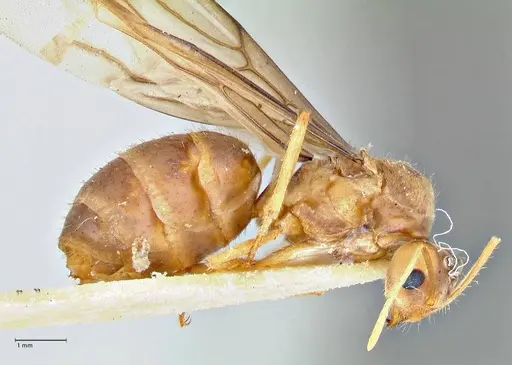
Pseudolasius breviceps
- Scientific Name
- Pseudolasius breviceps
- Tribe
- Lasiini
- Subfamily
- Formicinae
- Author
- Emery, 1887
- Distribution
- Found in 2 countries
Pseudolasius breviceps Overview
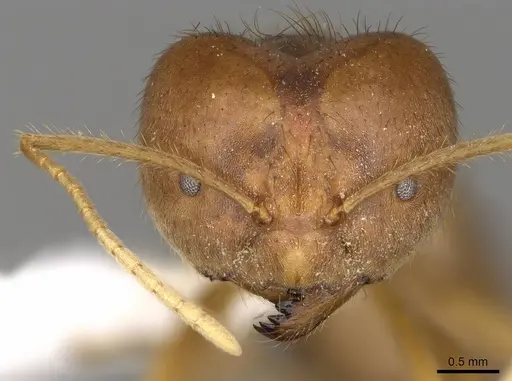
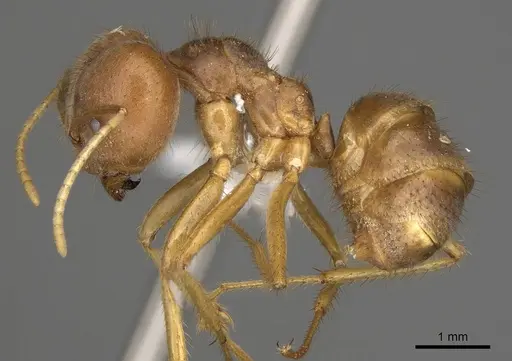
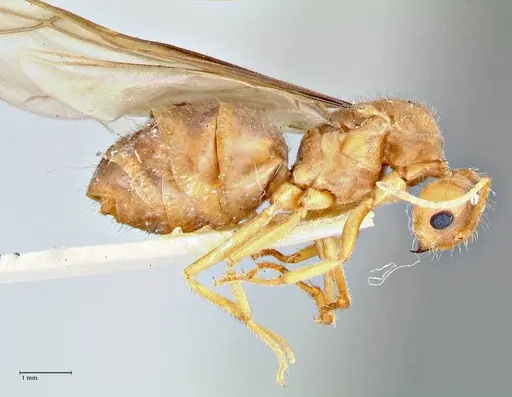
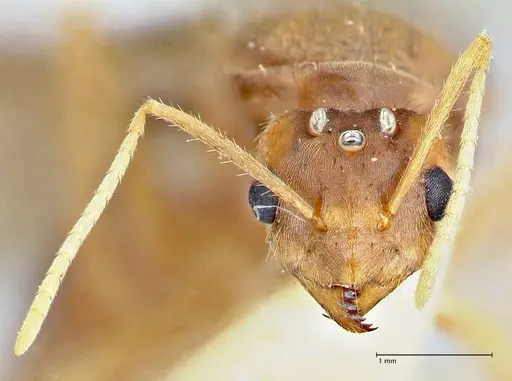
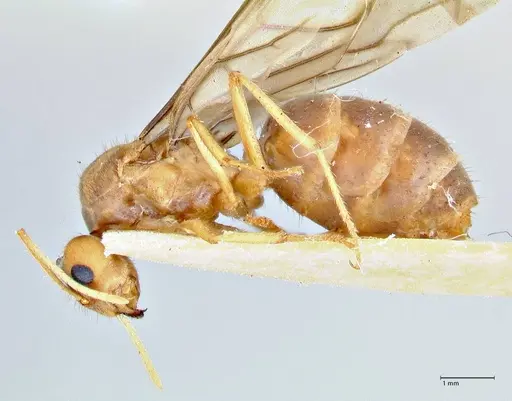
Pseudolasius breviceps is an ant species of the genus Pseudolasius. It is primarily documented in 2 countries , including Indonesia, Papua New Guinea. Detailed taxonomic data and occurrence records can be further explored via authoritative databases such as AntWeb or the Global Biodiversity Information Facility (GBIF).
Pseudolasius breviceps
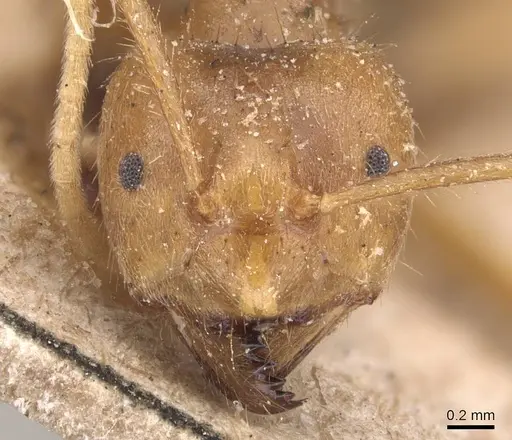
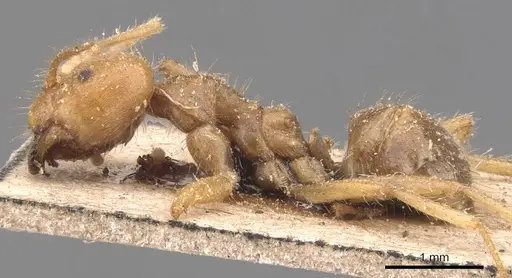
Pseudolasius breviceps is a small to medium-sized ant species native to the Indo-Pacific region, specifically found in New Guinea and the Indonesian archipelago including Ambon Island [1][2]. Workers are relatively small and typically dark in coloration, though exact measurements are not well-documented in available literature. This species belongs to the Formicinae subfamily, placing it in the same group as familiar ants like Lasius and Camponotus.
What makes P. breviceps particularly interesting is its documented relationship with planthoppers (Flatidae). These ants keep immature planthoppers inside their nests and tend them in a mutualistic relationship, workers can be seen antennating the nymphs and protecting them within soil structures built on tree bark [3]. This trophobiotic behavior is unusual and distinguishes them from many other ant species. They nest at tree trunk bases and along trunks from near ground level up to over 15 meters high [3].
Quick Summary
- Difficulty: Unknown, likely Expert
- Origin & Habitat: Native to New Guinea and the Indonesian archipelago (Ambon Island) in the Australasian and Indomalayan regions [1][2]. Found in undisturbed tropical rainforest environments at elevations between 200m and 1200m above sea level, with peak abundance around 900m elevation [3].
- Colony Type: Colony structure is unconfirmed. Based on related Pseudolasius species, likely single-queen colonies, but this has not been directly studied for this species.
- Size & Growth:
- Queen: Undocumented in available literature, estimated 6-8mm based on genus patterns
- Worker: Undocumented in available literature, estimated 3-5mm based on related species
- Colony: Unknown, related Pseudolasius species typically form colonies of several hundred to a few thousand workers
- Growth: Unknown, likely moderate based on tropical ant patterns
- Development: Unconfirmed, estimated 6-10 weeks based on typical Formicinae development at tropical temperatures (Direct development data does not exist for this species. Estimate based on genus-level patterns and related Formicinae ants.)
- Antkeeping:
- Temperature: Keep at tropical temperatures around 24-28°C. This species is from a warm, humid tropical environment and requires consistent warmth [3]. A gentle gradient allowing workers to self-regulate is recommended.
- Humidity: High humidity is essential, these ants come from tropical rainforest environments with high ambient moisture. Keep nest substrate consistently moist but not waterlogged. The natural habitat features regular rainfall and high humidity year-round [3].
- Diapause: Unlikely, this is a tropical species that does not experience cold winters. No diapause requirement is expected based on its native range [3].
- Nesting: In nature, they nest on tree trunks and at tree bases, building soil structures on bark [3]. For captive care, a naturalistic setup with access to vertical surfaces (like cork bark or wooden structures) would best approximate their natural nesting preferences. A Y-tong or plaster nest with moisture provision would also work. They appear to prefer nesting at various heights off the ground.
- Behavior: This species is poorly documented in captivity. Based on field observations, workers are active on tree trunks and engage in trophobiosis, tending planthopper nymphs inside their nests [3]. They show protective behavior toward their symbionts, antennating and defending them. Escape risk is moderate given their small size, standard barrier methods should suffice. Aggression levels are not documented but related species are typically not particularly aggressive. Their relationship with planthoppers suggests they may be more focused on tending symbionts than typical foraging.
- Common Issues: this species has never been documented in captivity, all care recommendations are extrapolated from field observations and related species, the trophobiotic relationship with planthoppers means they may have specialized dietary needs that are difficult to replicate, tropical humidity requirements can be challenging to maintain consistently, virtually nothing is known about their founding behavior or colony development in captivity, availability is extremely limited as this species is not commonly kept or available in the antkeeping hobby
Natural History and Distribution
Pseudolasius breviceps is native to the Indo-Pacific region, specifically New Guinea and the Indonesian archipelago including Ambon Island [1][2]. The species was first described by Emery in 1887 from specimens collected on Ambon Island, and was later recognized as the senior synonym of Pseudolasius breviceps [2].
This species inhabits tropical rainforest environments in undisturbed forest areas. Field research has documented them at elevations ranging from 200m to 1200m above sea level, with the highest abundance occurring around 900m elevation [3]. They show a clear preference for mid-elevation sites in tropical rainforests.
Their nesting behavior is distinctive, they build nests on tree trunks, both at the base and along the trunk itself, ranging from 0.2m to over 15m above ground level [3]. This arboreal and semi-arboreal nesting is unusual among ants and reflects their adaptation to the tropical forest environment.
Trophobiotic Relationship with Planthoppers
One of the most remarkable aspects of P. breviceps biology is its documented mutualistic relationship with planthopper insects (Flatidae). Research in New Guinea has documented this species keeping immature planthopper nymphs inside their nests [3]. In fact, in 9 out of 10 observed nests containing planthoppers, this relationship was monopolized by P. breviceps, meaning no other ant species was found in association [3].
The ants show active protective behaviors toward their symbionts. When researchers disturbed nests, workers were observed running in excited circles around nymphs, antennating both the front and back of the nymphs, attempting to grasp them (though this often failed due to waxy protective structures), and physically pushing nymphs back to shelter [3]. The nymphs themselves remained still on the trunk when nests were broken, with some skipping away to escape.
This trophobiotic relationship means the ants likely benefit from honeydew and other secretions produced by the planthoppers, similar to how many ant species tend aphids. For antkeepers, this suggests P. breviceps may have more specialized dietary requirements than typical ants, potentially requiring access to honeydew-producing insects or similar sugar sources.
Housing and Nesting Preferences
Based on field observations, P. breviceps requires access to vertical structures for nesting. In their natural habitat, they build soil-covered nests on tree trunks at various heights [3]. This suggests they would do well in a naturalistic setup that includes cork bark, wood, or other vertical surfaces they can build on.
A naturalistic terrarium-type enclosure would be ideal, something with soil or other substrate at the base, combined with vertical structures like cork bark or wooden branches that the ants can build on. The enclosure should be kept humid and warm to replicate their tropical rainforest origin.
For more traditional formicarium setups, a Y-tong (AAC) or plaster nest could work if provided with adequate moisture and if vertical surfaces or structures are added for the ants to build their characteristic soil structures on. The key is providing both humidity and vertical nesting options.
Feeding and Diet
The trophobiotic relationship with planthoppers suggests this species likely consumes honeydew and plant-derived sugars in addition to protein from prey. In the wild, they would tend their planthopper symbionts and consume the honeydew these insects produce [3].
For captive care, you should offer a varied diet including sugar water or honey as a constant energy source. Protein should come from typical insect prey like fruit flies, small crickets, or mealworms. Given their relationship with planthoppers, they may particularly benefit from or require access to honeydew-producing insects, though this is speculative.
Feed sugar sources constantly and offer protein prey 2-3 times per week. Remove uneaten prey after 24-48 hours to prevent mold issues in the humid environment they require.
Temperature and Humidity Requirements
As a tropical species from New Guinea and the Indonesian archipelago, P. breviceps requires warm and humid conditions. Maintain temperatures in the range of 24-28°C, which aligns with their natural habitat in tropical rainforests [3].
Humidity is particularly important, these ants come from environments with high ambient moisture and regular rainfall. Keep the nest substrate consistently moist but avoid waterlogging. The enclosure should maintain high humidity, ideally in the 70-80% range or higher.
Since this is a tropical species with no documented diapause requirement, they should be kept at consistent temperatures year-round without a winter cooling period [3]. A heating cable on one side of the nest can help maintain appropriate temperatures while allowing the colony to self-regulate by moving between warmer and cooler areas.
Frequently Asked Questions
Is Pseudolasius breviceps available in the antkeeping hobby?
No, this species is extremely rare in the antkeeping hobby. It has never been documented as being kept in captivity, and finding a colony for sale would be highly unlikely. This species is known primarily from scientific field research in New Guinea and Indonesia.
How do I care for Pseudolasius breviceps ants?
Since this species has never been kept in captivity, all care recommendations are extrapolated from field observations. Provide a naturalistic setup with vertical surfaces (cork bark or wood) for nesting, maintain high humidity (70-80%), and keep temperatures around 24-28°C. Offer sugar water constantly and protein prey 2-3 times weekly. This is an expert-level species due to the complete lack of captive husbandry data.
What do Pseudolasius breviceps eat?
Based on their documented relationship with planthoppers, they likely consume honeydew from these insects in addition to typical ant prey. Offer sugar water or honey as a constant energy source, along with small insects like fruit flies or pinhead crickets for protein. They may have more specialized dietary needs than typical ants due to their trophobiotic relationship.
Do Pseudolasius breviceps ants need hibernation?
No, this is a tropical species from New Guinea and Indonesia that does not experience cold winters. No hibernation or diapause period is expected or recommended. Keep them at consistent tropical temperatures year-round.
What type of nest should I use for Pseudolasius breviceps?
A naturalistic setup with vertical surfaces is most appropriate based on their natural nesting behavior on tree trunks. A terrarium-style enclosure with soil substrate and cork bark or wooden structures for the ants to build on would best replicate their natural habitat. Traditional formicariums can work if modified to provide vertical surfaces and adequate moisture.
How big do Pseudolasius breviceps colonies get?
Colony size is not well documented for this species. Based on related Pseudolasius species, colonies likely reach several hundred to a few thousand workers. The maximum colony size is unknown as no comprehensive colony data exists for this species.
Are Pseudolasius breviceps good for beginners?
No, this species is not recommended for beginners. It has never been documented in captivity, meaning there is no established husbandry knowledge. All care recommendations are extrapolated from field observations, making this an expert-level species suitable only for experienced antkeepers interested in keeping rare, poorly-studied species.
Where does Pseudolasius breviceps live in the wild?
This species is native to New Guinea and the Indonesian archipelago, particularly Ambon Island. They inhabit undisturbed tropical rainforests at elevations between 200m and 1200m, with peak abundance around 900m elevation. They nest on tree trunks and at tree bases, building soil structures on bark.
What makes Pseudolasius breviceps unique among ants?
Their most unique characteristic is the documented trophobiotic relationship with planthopper insects (Flatidae). They keep immature planthopper nymphs inside their nests and actively tend and protect them, a mutualistic relationship that is uncommon among ant species. They also have unusual arboreal nesting habits, building nests on tree trunks at various heights.
References

This caresheet is licensed under CC BY-SA 4.0 .
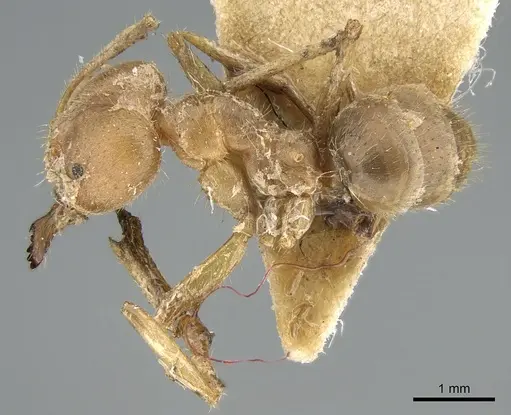
CASENT0281487
View on AntWeb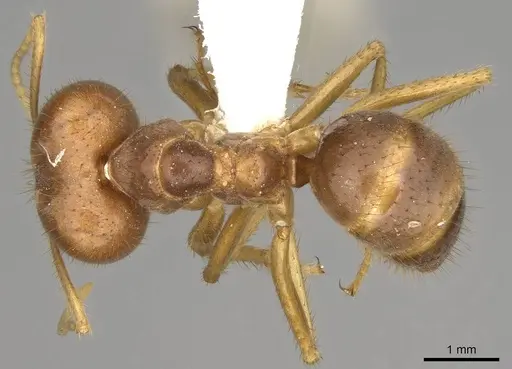
CASENT0905653
View on AntWeb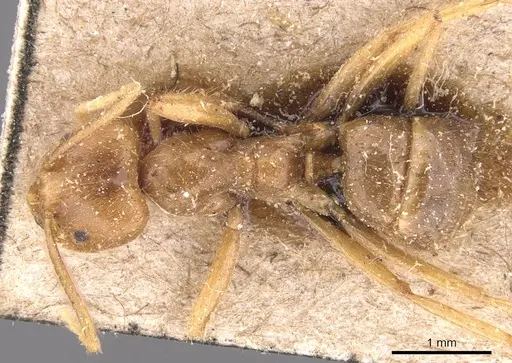
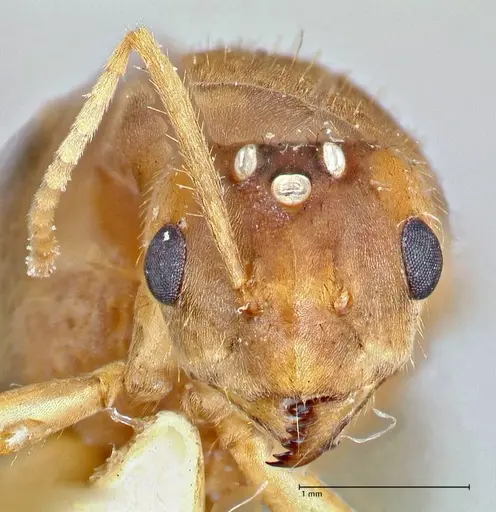
CASENT0906266
View on AntWeb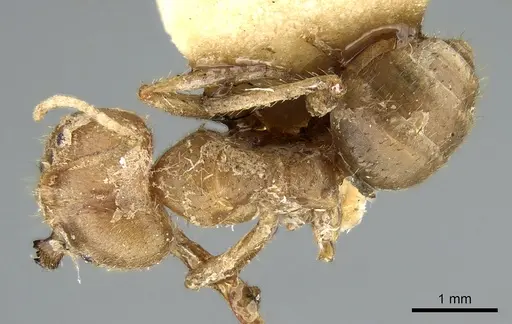
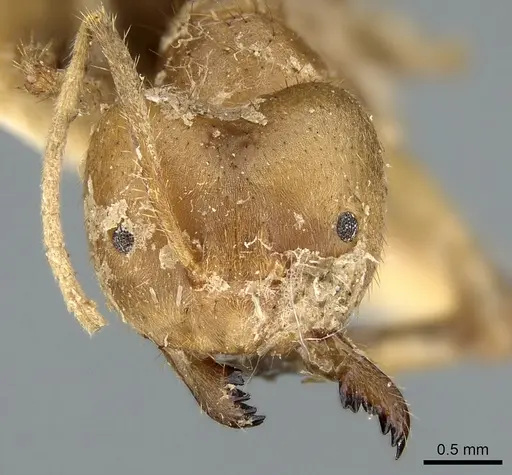
FOCOL2704
View on AntWeb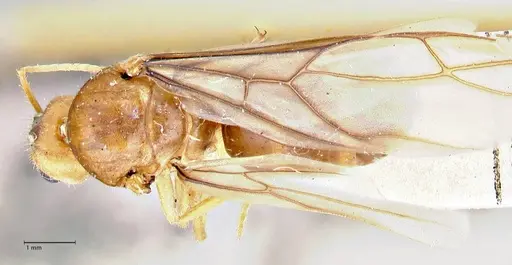
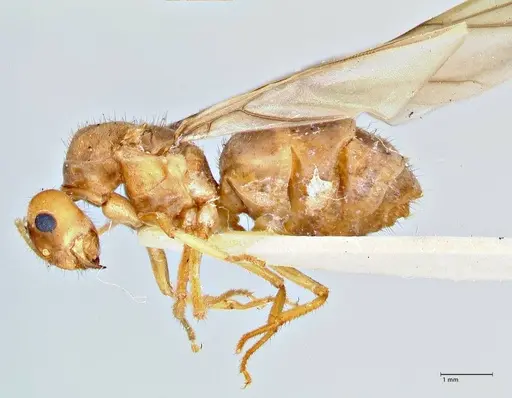
FOCOL2705
View on AntWeb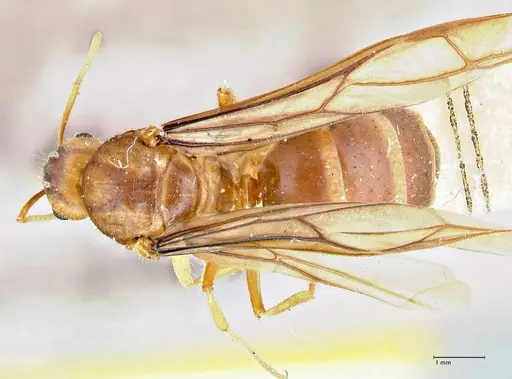
Literature
Loading...Loading products...