

Pseudolasius binghami
- Scientific Name
- Pseudolasius binghami
- Tribe
- Lasiini
- Subfamily
- Formicinae
- Author
- Emery, 1911
- Distribution
- Found in 1 countries
Pseudolasius binghami Overview
Pseudolasius binghami is an ant species of the genus Pseudolasius. It is primarily documented in 1 countries , including Taiwan, Province of China. Detailed taxonomic data and occurrence records can be further explored via authoritative databases such as AntWeb or the Global Biodiversity Information Facility (GBIF).
Pseudolasius binghami
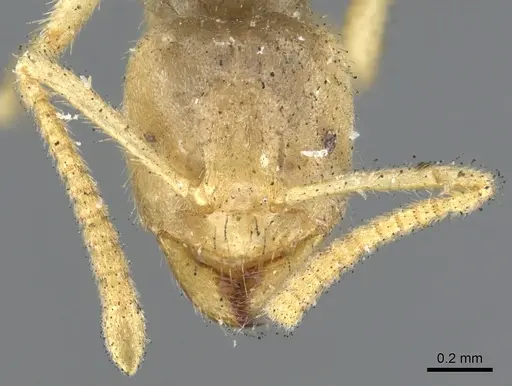
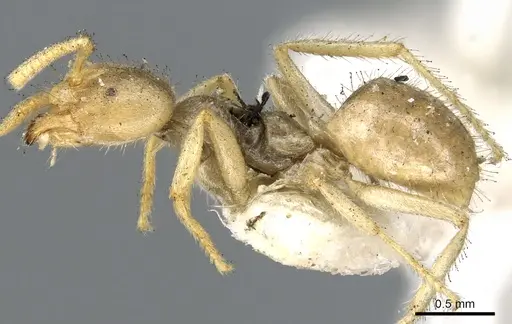
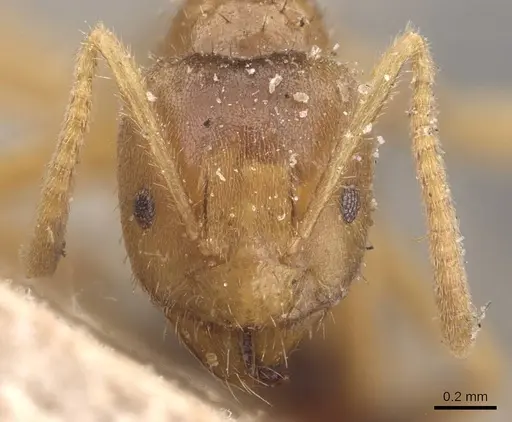
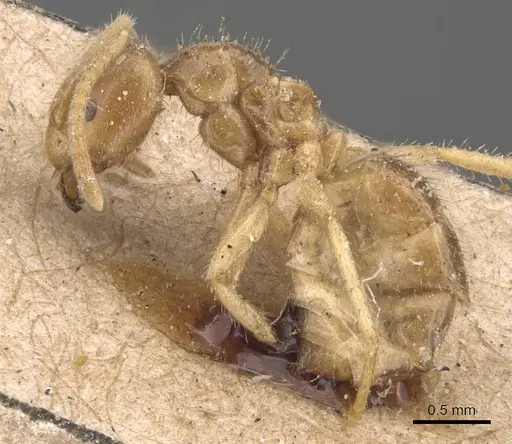
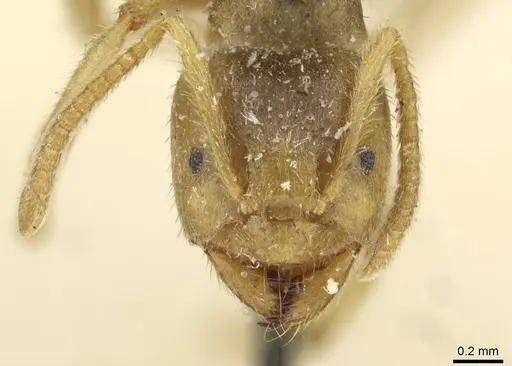
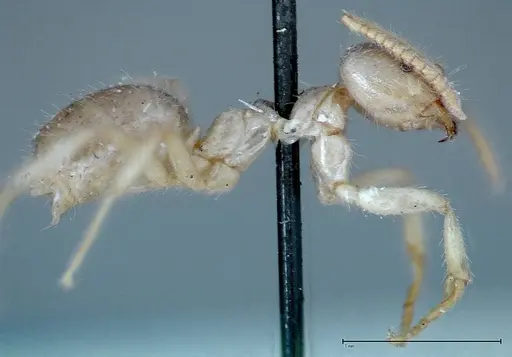
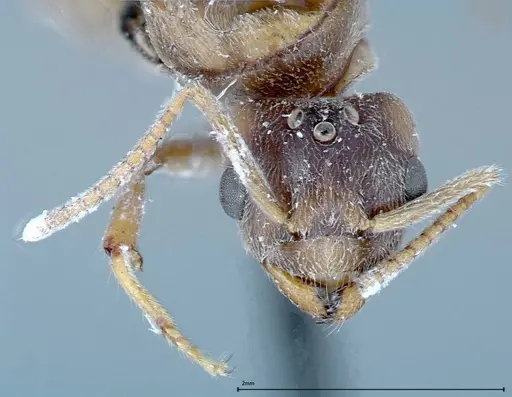
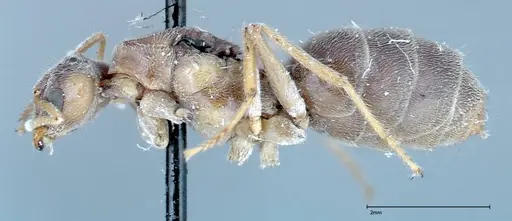
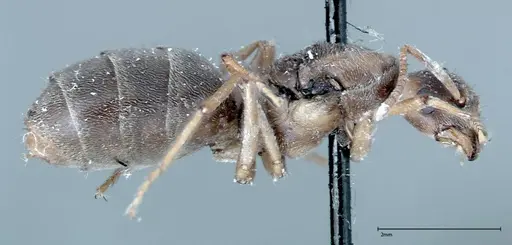
Pseudolasius binghami is a small ant species in the subfamily Formicinae, native to the Indomalaya region including India, Myanmar, and Taiwan. Workers measure 2.5-3.5mm and are reddish-brown to brown in color with fine punctate sculpture on the head. The head is slightly longer than broad with weakly convex sides, and the posterior margin is weakly emarginate in the middle. This species is one of six Pseudolasius species found in India and can be identified by its unique mandible structure lacking the basal two teeth combined [1][2]. Queens are significantly larger at 7.5mm and have distinct trapezoidal heads [1]. This species is relatively poorly studied in the scientific literature, with most records coming from Taiwan and northeastern India.
Quick Summary
- Difficulty: Medium
- Origin & Habitat: Native to the Indomalaya region, found in India (Sikkim), Myanmar, and Taiwan. Inhabits tropical and subtropical environments with warm temperatures year-round [3][4].
- Colony Type: Colony structure is unconfirmed. Based on related Pseudolasius species, likely single-queen (monogyne) colonies, though this requires confirmation.
- Founding: Claustral
- Size & Growth:
- Queen: 7.5mm [1]
- Worker: 2.5-3.5mm [1]
- Colony: Unknown, no colony size data available. Likely moderate-sized colonies based on genus patterns.
- Growth: Unknown, no development data available for this species
- Development: Unknown, estimated 6-10 weeks based on typical Formicinae development at warm temperatures (Development timeline inferred from related Formicinae species. Actual timing may vary.)
- Antkeeping:
- Temperature: Keep at 24-28°C. Tropical species requiring warm conditions year-round. A heating cable on one side of the nest creates a suitable gradient.
- Humidity: Moderate to high humidity (60-80%). Keep nest substrate slightly moist but not waterlogged. Provide a water tube for drinking water.
- Diapause: No, being a tropical species, they do not require hibernation. Keep temperatures stable year-round.
- Nesting: In nature they likely nest in soil or under stones in shaded locations. In captivity, a test tube setup works well for founding colonies. For established colonies, a Y-tong or plaster nest with moisture chambers works well. Avoid dry, exposed locations.
- Behavior: These are small, relatively docile ants that are not aggressive. Workers are slow-moving and forage individually or in small groups. They likely feed on honeydew and small insects, similar to related Lasius species. Their small size (2.5-3.5mm) means escape prevention is important, they can squeeze through small gaps. They are not known to sting and pose no danger to keepers.
- Common Issues: tropical species requires warm temperatures year-round, cold kills colonies, small size means escapes are likely without fine mesh barriers, no published care information means keepers must adapt from related species, humidity must be maintained, too dry causes colony decline, slow growth may frustrate beginners expecting fast development
Housing and Nest Setup
For founding colonies, a standard test tube setup works well. Fill the tube one-third with water and plug it with cotton, this provides humidity and a water source. Cover the tube with a dark cloth for the first few weeks until workers emerge. For established colonies with 50+ workers, transfer to a Y-tong (acrylic) nest or a plaster nest with moisture chambers. These ants prefer tight, enclosed spaces rather than open areas. Place the nest in a warm area (24-28°C) away from direct sunlight and drafts. An outworld for foraging should be connected to the nest, with escape barriers applied to prevent escapes through the tiny gaps these small ants can exploit.
Feeding and Diet
Like other Formicinae ants, Pseudolasius binghami likely accepts a varied diet. Offer sugar water (1:1 ratio) or honey as an energy source, replace every 2-3 days. For protein, offer small insects like fruit flies, small mealworms, or crickets appropriately sized to the workers. Feed protein 2-3 times per week. These are small ants, so prey items should be tiny. They likely also collect honeydew in nature, so occasional sweet offerings are appreciated. Remove uneaten food after 24 hours to prevent mold. Always provide a fresh water source.
Temperature and Seasonal Care
As a tropical species from India, Myanmar, and Taiwan, Pseudolasius binghami requires warm temperatures year-round. Keep the nest area at 24-28°C consistently. A heating cable placed on one side of the nest creates a temperature gradient allowing ants to self-regulate. Avoid temperatures below 20°C for extended periods, this can weaken or kill colonies. Unlike temperate species, they do not require a winter diapause period. Maintain stable temperatures rather than allowing fluctuations. Room temperature in a heated home is often suitable, but monitor with a thermometer.
Colony Growth and Development
The queen seals herself in during claustral founding and raises the first workers (nanitics) alone without foraging. This first brood develops using the queen's stored fat reserves. Once nanitics emerge (estimated 6-10 weeks based on related species), the colony grows as the queen continues laying eggs and workers forage for food. Growth rate is unknown for this species but is likely moderate, not as fast as some tropical species but faster than cold-climate ants. Colonies likely reach several hundred workers over time, though maximum colony size is unconfirmed. Patience is key with this species as growth may be slower than more commonly kept ants.
Handling and Temperament
Pseudolasius binghami is a docile species that poses no threat to keepers. Workers are small and slow-moving, not aggressive, and do not have a painful sting. They are suitable for observation but are not particularly active or exciting to watch. When disturbed, they may retreat into the nest rather than engage in defensive behavior. Their small size makes them somewhat fragile. For observation, use a well-lit formicarium with a connecting foraging area. Avoid frequent disturbances during the founding stage as this can cause queen stress and colony failure.
Frequently Asked Questions
How long does it take for Pseudolasius binghami to produce first workers?
The exact timeline is unconfirmed, but based on related Formicinae species, expect 6-10 weeks from egg to worker at optimal temperatures (24-28°C). This is an estimate, actual timing may vary.
What temperature do Pseudolasius binghami ants need?
Keep them warm at 24-28°C year-round. This is a tropical species that does not tolerate cold temperatures. A heating cable on part of the nest helps maintain suitable temperatures.
Do Pseudolasius binghami ants need hibernation?
No, they do not require hibernation. Being a tropical species from India and Southeast Asia, they need warm conditions year-round. Do not expose them to cold temperatures.
What do Pseudolasius binghami ants eat?
They likely accept a standard ant diet: sugar water or honey for energy, and small insects (fruit flies, small mealworms) for protein. This is inferred from related species in the Formicinae subfamily.
How big do Pseudolasius binghami colonies get?
The maximum colony size is unconfirmed. Based on related Pseudolasius species, colonies likely reach several hundred workers. More research is needed on colony development.
Can I keep multiple Pseudolasius binghami queens together?
This is unconfirmed. Most Pseudolasius species appear to be single-queen colonies. It is not recommended to combine unrelated foundress queens as aggression may occur.
Is Pseudolasius binghami good for beginners?
This species is rated Medium difficulty. While not the easiest species, it is manageable for keepers who can maintain warm temperatures year-round. The main challenge is the lack of published care information.
Why are my Pseudolasius binghami dying?
Common causes include: temperatures below 20°C (tropical species cannot tolerate cold), low humidity causing desiccation, escape through tiny gaps due to their small size, or stress from disturbance during founding. Check temperature, humidity, and escape prevention first.
When should I move Pseudolasius binghami from a test tube to a formicarium?
Move to a larger nest when the colony reaches 50+ workers and the test tube is becoming crowded. Ensure the new nest has appropriate humidity and escape prevention before transferring.
References

This caresheet is licensed under CC BY-SA 4.0 .
CASENT0903171
View on AntWeb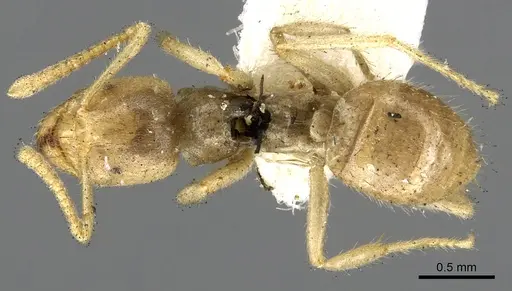
CASENT0905654
View on AntWeb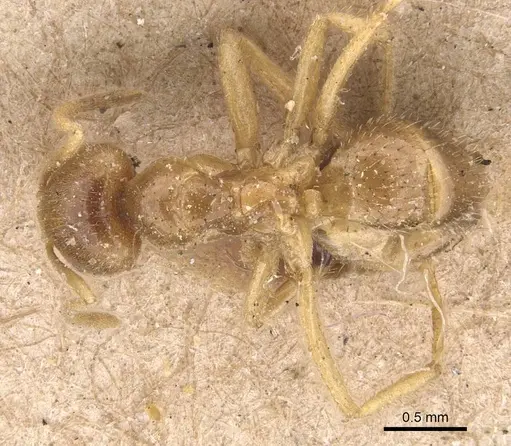
CASENT0910973
View on AntWeb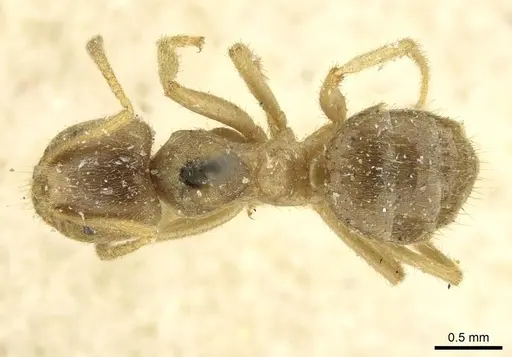
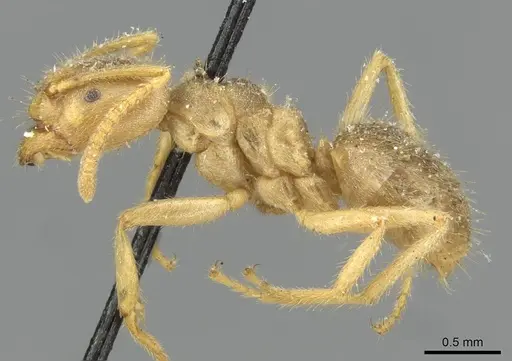
FOCOL0135
View on AntWeb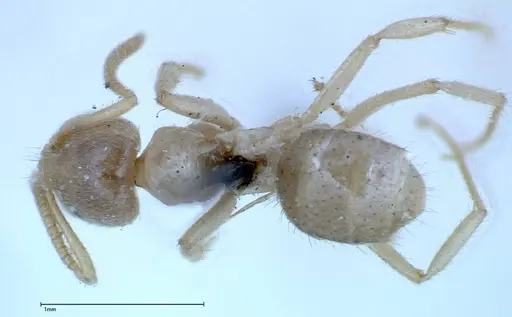
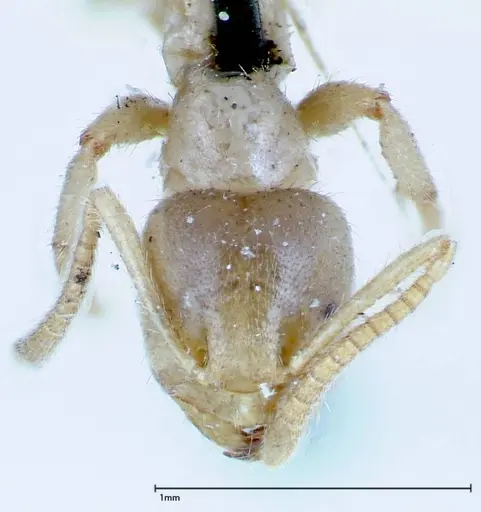
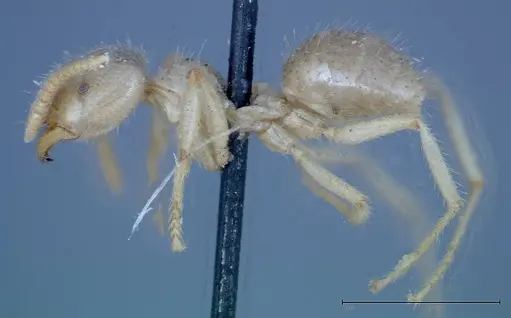
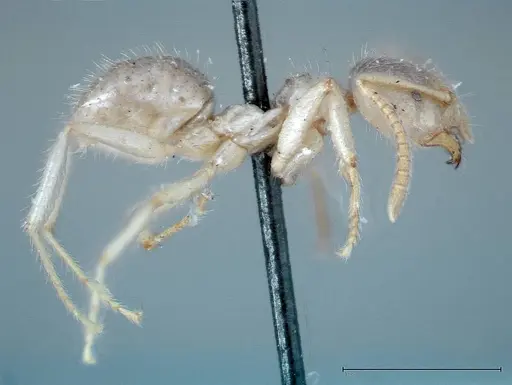
FOCOL0136
View on AntWeb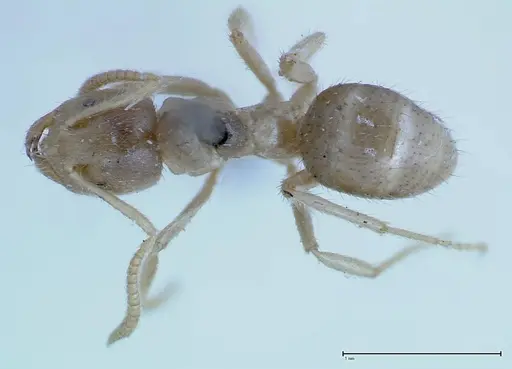
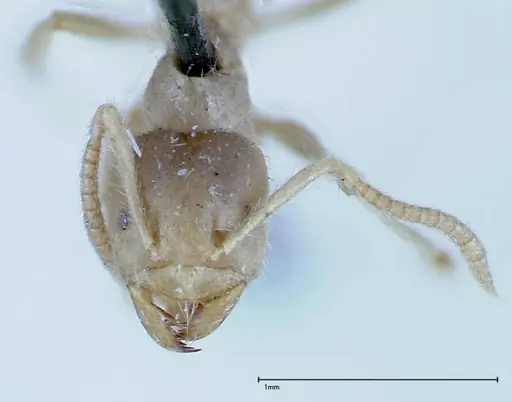
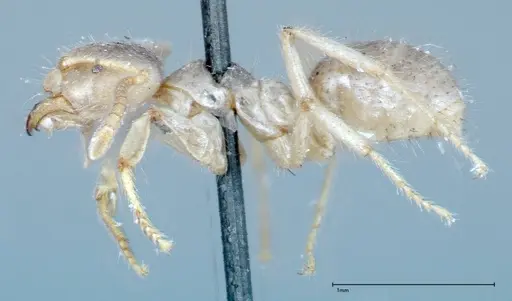
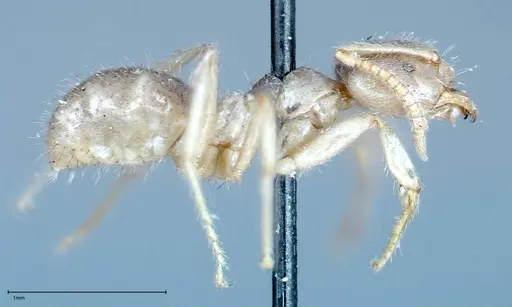
FOCOL0137
View on AntWeb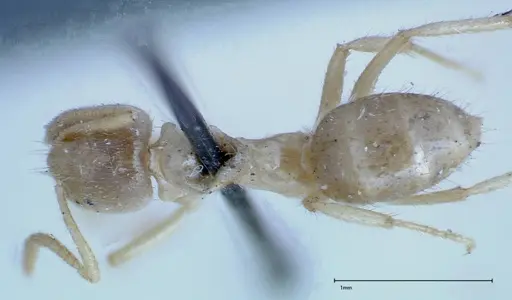
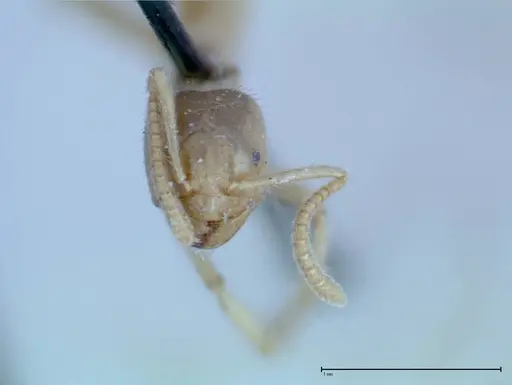
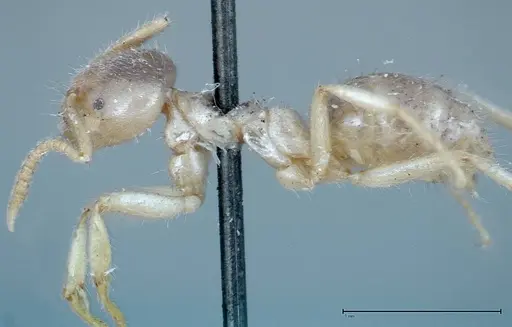
FOCOL0138
View on AntWeb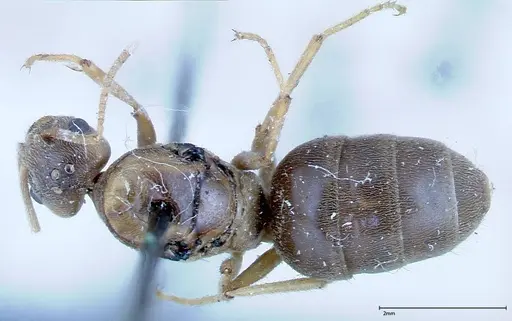
Literature
Loading...Loading products...