

Pseudolasius australis
- Scientific Name
- Pseudolasius australis
- Tribe
- Lasiini
- Subfamily
- Formicinae
- Author
- Forel, 1915
- Distribution
- Found in 1 countries
Pseudolasius australis Overview
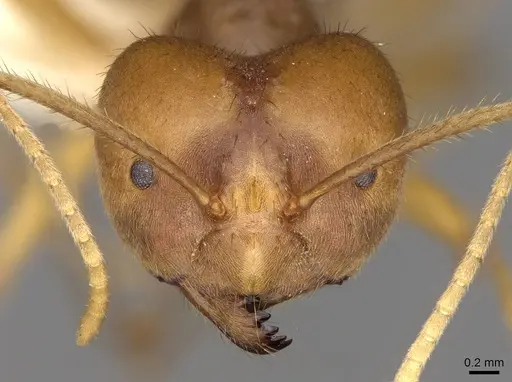
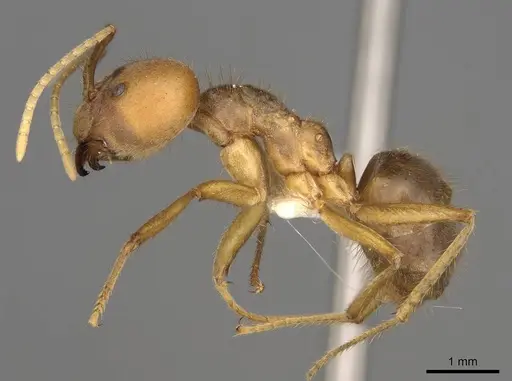
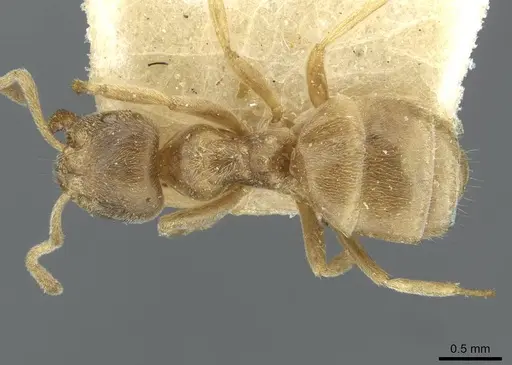
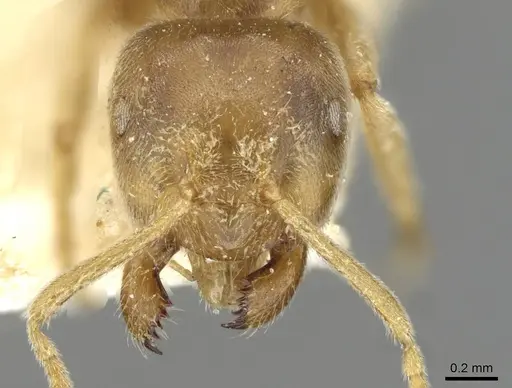
Pseudolasius australis is an ant species of the genus Pseudolasius. It is primarily documented in 1 countries , including Australia. Detailed taxonomic data and occurrence records can be further explored via authoritative databases such as AntWeb or the Global Biodiversity Information Facility (GBIF).
Pseudolasius australis
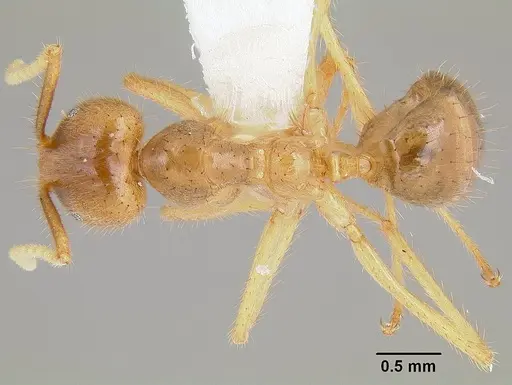
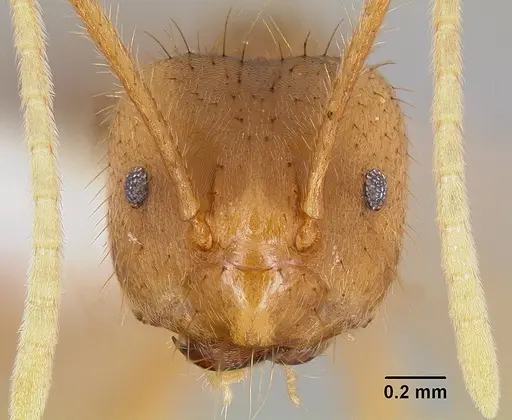
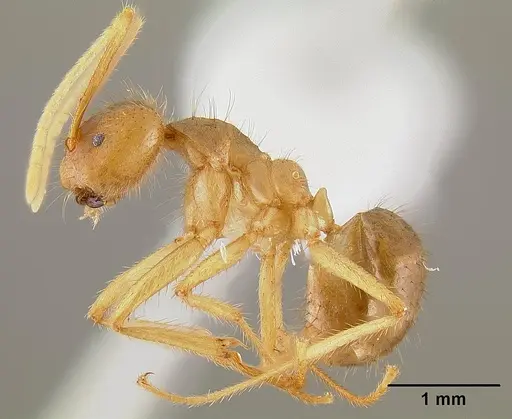
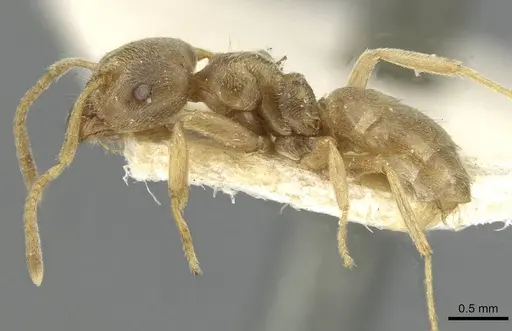
Pseudolasius australis is a small ant species native to Australia, belonging to the subfamily Formicinae. Workers are tiny, typically measuring just 2-4mm. They have the typical Formicinae body plan with a single waist segment (petiole) and a rounded abdomen. The genus Pseudolasius belongs to the tribe Lasiini, which includes other well-known ants like Lasius and Prenolepis. These ants are found throughout Australia, particularly in warmer northern regions. They are ground-nesting ants that often form colonies in soil or under stones. As members of the Formicinae subfamily, they lack a functional stinger but can spray formic acid as a defense [1].
Quick Summary
- Difficulty: Easy
- Origin & Habitat: Australia, found throughout the continent in various habitats from tropical north to temperate south. They nest in soil and under stones in open areas and forest edges [1].
- Colony Type: Likely monogyne (single queen) based on typical genus patterns, though colony structure is not specifically documented for this species.
- Colony: Monogyne
- Founding: Semi-claustral
- Size & Growth:
- Queen: Estimated 5-7mm based on genus patterns [1]
- Worker: 2-4mm [1]
- Colony: Likely several hundred workers based on typical Pseudolasius colonies
- Growth: Moderate, typical for small Formicinae
- Development: Estimated 6-10 weeks based on related Lasiini species (Development time is inferred from genus-level data since species-specific timing is unconfirmed)
- Antkeeping:
- Temperature: Keep at room temperature, roughly 20-26°C. They can tolerate a range from 18°C to around 30°C. A gentle heat gradient allows them to self-regulate [1].
- Humidity: Moderate humidity around 50-70%. Keep the nest substrate slightly moist but allow some drying between waterings. These ants handle drying better than waterlogging.
- Diapause: Likely a mild winter slowdown in cooler regions of Australia, but not a true hibernation. In captivity, a cool period around 15-18°C for 2-3 months may benefit colonies in temperate areas.
- Nesting: Test tube setups work well for founding colonies. For established colonies, a Y-tong or plaster nest with chambers scaled to their small size. They prefer dark, quiet locations.
- Behavior: These are generally peaceful ants that focus on honeydew and small prey. Workers are active foragers, often trailing along edges and baseboards. They are not aggressive but will defend their colony if threatened. Escape prevention is important due to their small size, they can squeeze through tiny gaps. They are primarily nocturnal or crepuscular in their foraging patterns, which is common in the Lasiini tribe.
- Common Issues: tiny size means escapes are likely without fine mesh barriers, colonies can be slow to establish, patience is needed during founding, overfeeding can lead to mold problems in test tube setups, wild-caught colonies may have parasites that affect survival in captivity, queen loss during founding is common, monitor but avoid disturbing too often
Housing and Nest Setup
For founding colonies, a simple test tube setup works excellently. Fill a test tube one-third with water, plug with cotton, and place the queen in the dark. The cotton should be tight enough to prevent flooding but allow the queen to move. Keep the tube horizontal or at a slight angle so the queen can move between the water reservoir and dry areas. Once workers emerge (typically 4-8 weeks), you can continue in the test tube for several months or transition to a small formicarium. For larger colonies, a Y-tong (acrylic) nest or plaster nest with small chambers works well. The chambers should be appropriately sized, tiny passages for these small ants. Avoid tall, open spaces that can make them feel insecure. They prefer dark conditions and will often nest in the shadiest parts of any setup. [1]
Feeding and Diet
Pseudolasius australis, like other Lasiini ants, is omnivorous with a preference for sweet liquids. Feed them sugar water (1:3 sugar to water ratio) or honey diluted with water. They also need protein, small prey items like fruit flies, pinhead crickets, or tiny mealworms work well. In the wild, they likely tend aphids and collect honeydew, so offering a small amount of sugar consistently is beneficial. Feed protein every 2-3 days for growing colonies, and remove any uneaten prey after 24 hours to prevent mold. Sugar water can be offered in a shallow container (like a bottle cap) with a cotton ball inside to prevent drowning. Remove and replace sugar water every 2-3 days to prevent fermentation. [1]
Temperature and Seasonal Care
These ants do well at standard room temperature, roughly 20-26°C. They can tolerate temperatures as low as 18°C and as high as 30°C, but growth is optimal in the middle of this range. If your room is consistently below 20°C, a small heating cable on one side of the nest can help. Place heating on top of the nest, not underneath, to avoid drying out the substrate. In their native Australia, winter temperatures can drop significantly in southern areas, so a cool period of 2-3 months around 15-18°C may simulate natural seasonal changes and benefit long-term colony health. This is not a true hibernation but a period of reduced activity. Reduce feeding during this cool period. [1]
Colony Development and Growth
Colony growth is moderate, faster than large Camponotus species but slower than some tropical invasives. The queen lays eggs after mating, and these develop through larval and pupal stages before emerging as workers. First workers (nanitics) are typically smaller than mature workers and may have slightly shorter lifespans. The colony will grow from just the queen to dozens of workers over the first year, then potentially into the hundreds. Growth rate depends heavily on temperature and feeding, warmer conditions and consistent protein accelerate development. A healthy colony should produce new workers every few weeks once established. Watch for brood piles (groups of eggs, larvae, and pupae) as a sign of a healthy, growing colony.
Behavior and Temperament
These are relatively docile ants that focus on foraging and colony maintenance rather than aggressive territorial behavior. Workers are active and will explore their environment, often establishing trails to food sources. They are not known for biting and pose no danger to keepers. However, they can be quick-moving and their small size makes them excellent escape artists. Always use excellent escape prevention, fine mesh on any openings, Fluon barrier on smooth surfaces, and secure lids. They are primarily crepuscular (active at dawn and dusk) or nocturnal, so you may see more activity in the evening hours. Provide enrichment like small stones or debris in the outworld to give foragers something to explore. [1]
Common Problems and Solutions
The biggest challenge with these small ants is escape prevention, they can squeeze through gaps that seem impossible. Check all connections and openings regularly. Mold can be an issue if you overfeed or keep the nest too wet, remove uneaten food promptly and allow the nest to dry slightly between waterings. Founding colonies are fragile, avoid disturbing the queen during the founding period as stress can cause her to eat her brood or die. If the colony seems sluggish, check temperature, they may be too cold. Slow growth is normal for the first few months, so don't panic if progress seems slow. Wild-caught colonies may carry parasites that can devastate captive colonies, quarantine and observe new colonies for several weeks before introducing them to any existing ant collections.
Frequently Asked Questions
How long does it take for Pseudolasius australis to have first workers?
First workers typically appear 6-10 weeks after the queen lays eggs, depending on temperature. Warmer conditions (around 24-26°C) speed development, while cooler temperatures (below 20°C) can significantly delay it. This timeline is estimated from related Lasiini species since species-specific development data is not available.
Can I keep Pseudolasius australis in a test tube?
Yes, test tubes are excellent for founding colonies. Use a standard test tube with a water reservoir (cotton-plugged) and keep it in darkness. Once workers emerge, you can keep them in the test tube for several more months or transition to a small formicarium when the colony reaches 20-30 workers.
What do Pseudolasius australis eat?
They are omnivorous but prefer sweet liquids. Offer sugar water or diluted honey consistently, and supplement with small protein sources like fruit flies, tiny crickets, or mealworms every 2-3 days. Remove uneaten prey after 24 hours to prevent mold.
How big do Pseudolasius australis colonies get?
Based on typical Pseudolasius patterns, colonies likely reach several hundred workers at maturity. Exact maximum size is unconfirmed for this species, but it should be manageable in a standard formicarium setup.
Do Pseudolasius australis need hibernation?
They likely benefit from a mild cool period (2-3 months around 15-18°C) rather than true hibernation. This simulates the cooler winter months in their Australian range. Reduce feeding during this period but don't stop entirely.
Why are my Pseudolasius australis escaping?
Their small size makes them excellent escape artists. Use fine mesh on all openings, apply Fluon or similar barriers to smooth surfaces, and check all lids and connections regularly. Even tiny gaps that seem too small for escape will be exploited.
Are Pseudolasius australis good for beginners?
Yes, they are considered easy to keep due to their moderate temperature requirements and generally hardy nature. The main challenges are escape prevention and the slow initial growth during founding. They are forgiving of minor care mistakes.
When should I move my colony to a formicarium?
Move them when the test tube becomes crowded or shows signs of stress (workers clustering at the cotton, condensation issues). This is typically when the colony reaches 30-50 workers. A small Y-tong or plaster nest works well for transition.
Can I keep multiple Pseudolasius australis queens together?
This is not recommended. While colony structure is not fully documented, Pseudolasius is likely monogyne (single queen). Combining unrelated queens typically leads to fighting and colony failure. Only keep one queen per colony.
References

This caresheet is licensed under CC BY-SA 4.0 .
Literature
Loading...Loading products...