

Pseudolasius amblyops
- Scientific Name
- Pseudolasius amblyops
- Tribe
- Lasiini
- Subfamily
- Formicinae
- Author
- Forel, 1901
- Distribution
- Found in 1 countries
Pseudolasius amblyops Overview
Pseudolasius amblyops is an ant species of the genus Pseudolasius. It is primarily documented in 1 countries , including Papua New Guinea. Detailed taxonomic data and occurrence records can be further explored via authoritative databases such as AntWeb or the Global Biodiversity Information Facility (GBIF).
Pseudolasius amblyops
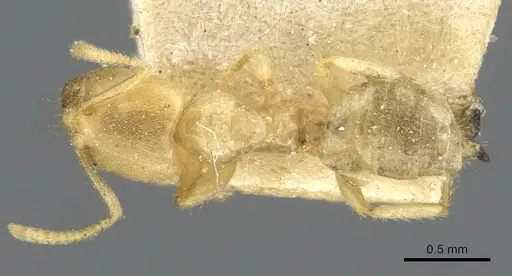
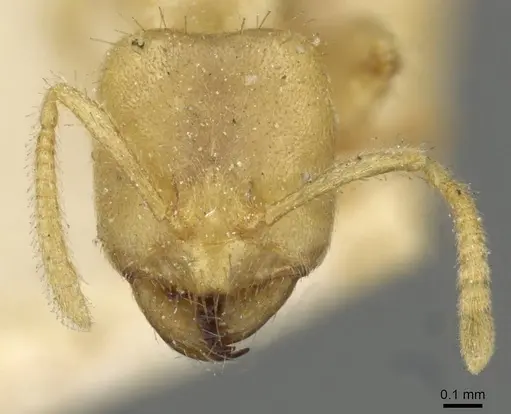
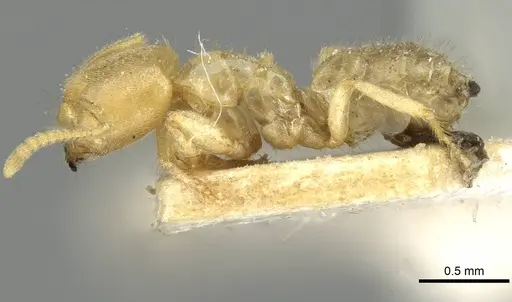
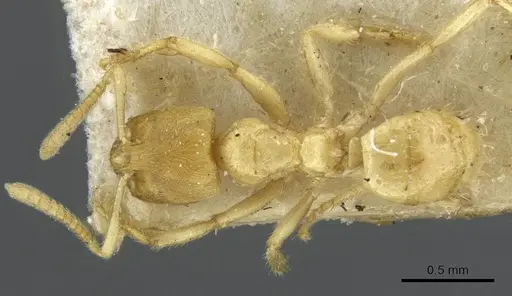
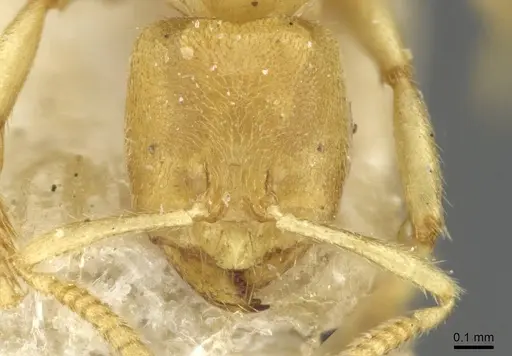
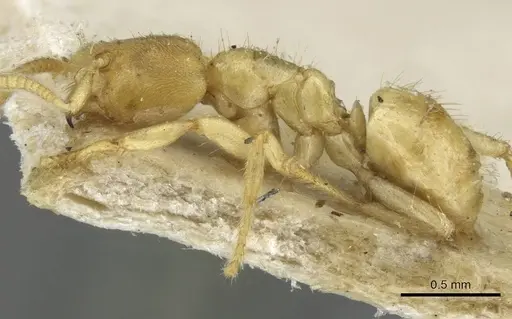
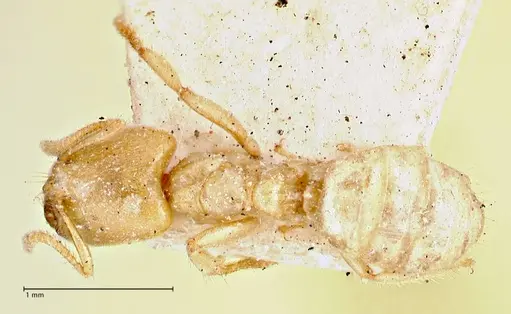
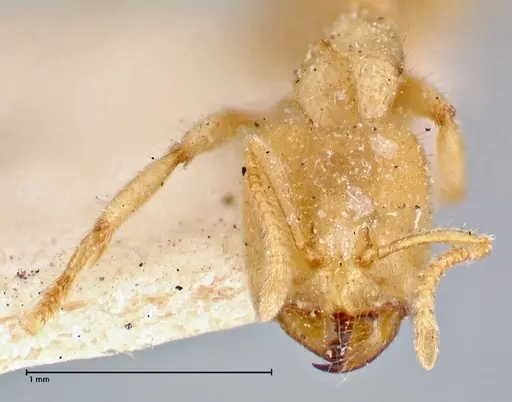
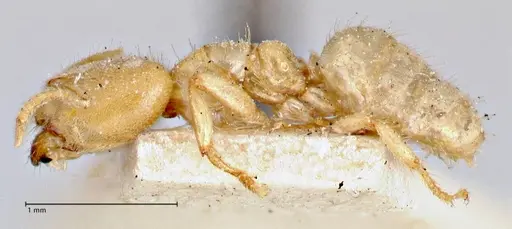
Pseudolasius amblyops is a small ant species in the Formicinae subfamily, originally described by Forel in 1901 from the Bismarck Archipelago in New Guinea [1]. Workers are typical of the Lasiini tribe, small, with relatively soft bodies and a generally unremarkable appearance. The species is known primarily from New Britain and surrounding islands in the Australasian region [1]. This is a poorly documented species with limited scientific study, so much of its biology and behavior in captivity remains unconfirmed. What we know about related Pseudolasius species suggests these are ground-nesting ants that likely form moderate-sized colonies, but specific details for P. amblyops are sparse.
Quick Summary
- Difficulty: Medium
- Origin & Habitat: Native to the Bismarck Archipelago and New Guinea region, specifically recorded from New Britain [1]. Inhabits tropical forest environments in this region. The natural habitat consists of warm, humid conditions typical of lowland tropical islands.
- Colony Type: Colony structure is unconfirmed. Based on genus patterns, likely forms single-queen colonies (monogyne), though this has not been directly documented for this species.
- Size & Growth:
- Queen: Estimated 5-7mm based on genus typical sizes [2]
- Worker: Estimated 2-3mm based on genus typical sizes [2]
- Colony: Likely reaches several hundred workers based on related Pseudolasius species [2]
- Growth: Moderate, estimated based on tropical Formicinae patterns
- Development: Estimated 6-8 weeks at tropical temperatures (25-28°C) based on related Lasiini species [2] (Development time is estimated from genus-level data, as species-specific measurements are unavailable)
- Antkeeping:
- Temperature: Keep at 24-28°C. This is a tropical species from the Bismarck Archipelago, so warmth is essential for colony activity and brood development. A heating cable on one side of the nest creates a suitable gradient.
- Humidity: Keep substrate consistently moist but not waterlogged. Tropical forest floor conditions mean they prefer damp substrate with some drier areas available. Mist occasionally and provide a water tube for drinking water.
- Diapause: Unknown, tropical species may not require formal hibernation, but may slow down during cooler periods.
- Nesting: Based on genus patterns, they likely nest in soil or under stones in the wild. A naturalistic setup with soil substrate or a Y-tong/plaster nest with moisture retention works well. Avoid completely dry setups.
- Behavior: Behavior is not well documented for this species. Based on related Pseudolasius and Lasiini ants, they are likely relatively docile, non-aggressive ants that forage for honeydew and small insects. They are not known to be particularly defensive or to have painful stings. Their small size means escape prevention should be moderate, they can squeeze through small gaps but are not as tiny as some myrmicines.
- Common Issues: limited availability, this species is rarely available in the antkeeping hobby, care requirements are estimated from genus patterns rather than species-specific research, tropical humidity needs can lead to mold issues if ventilation is poor, slow colony growth may frustrate beginners expecting rapid development, wild-caught colonies may have parasites or diseases not yet documented
Housing and Nest Setup
Pseudolasius amblyops is a tropical species that requires warm, humid conditions. For founding colonies, a test tube setup works well, fill one end with water trapped behind a cotton ball, providing humidity for several weeks. For established colonies, a Y-tong (acrylic) nest with narrow chambers or a plaster/soil naturalistic setup maintains the moisture levels they need. Avoid completely dry setups or those with poor ventilation, as this leads to mold problems. A small outworld connected to the nest allows for foraging. Since this species is rarely kept, start with standard tropical ant parameters and adjust based on colony behavior. [2]
Feeding and Diet
Based on genus patterns, Pseudolasius amblyops likely has a typical Formicinae diet: they probably consume honeydew from aphids and scale insects in the wild, along with small insects and other protein sources. In captivity, offer sugar water or honey water as a constant energy source. For protein, provide small insects like fruit flies, small mealworms, or cricket pieces. Feed protein roughly twice weekly, and replace uneaten prey within 24 hours to prevent mold. Fresh water should always be available. This species is not known to be particularly aggressive or to require large prey items. [2]
Temperature and Heating
As a tropical species from the Bismarck Archipelago region, Pseudolasius amblyops requires warm temperatures to thrive. Keep the nest area at 24-28°C consistently. Temperatures below 22°C may cause sluggish behavior and slow brood development. Use a heating cable or heating mat on one side of the nest to create a temperature gradient, allowing the ants to self-regulate by moving between warmer and cooler areas. Place the heating element on top of the nest rather than underneath to avoid drying out the substrate too quickly. Room temperature may be sufficient if your home stays in the low-to-mid 20s°C range. [2]
Humidity Management
Maintain moderate to high humidity within the nest, think damp forest floor conditions. The substrate should feel moist to the touch but not have standing water. Provide a water tube in the outworld so ants can drink directly. Mist the nest occasionally, but allow surfaces to dry between misting to prevent mold buildup. Good ventilation is important: without airflow, mold becomes a serious problem that can kill colonies. Balance humidity with ventilation, the goal is consistently damp substrate, not a wet, stagnant environment. [2]
Colony Development
Colony growth is expected to be moderate rather than rapid. A newly mated queen will likely seal herself in a chamber (claustral founding) and lay eggs after a week or two. The first workers (nanitics) may appear after 6-8 weeks at optimal temperature, though this is estimated from genus patterns. Initial colony size will be small, perhaps 5-15 workers in the first few months. Growth to a mature colony of several hundred workers likely takes 1-2 years under good conditions. Be patient with this species, they are not fast growers, and rushing development by overheating can stress or kill the colony. [2]
Frequently Asked Questions
How long does it take for Pseudolasius amblyops to produce first workers?
Based on estimated development from related species, expect first workers (nanitics) approximately 6-8 weeks after the queen lays eggs, at optimal temperatures of 25-28°C. This is an estimate since species-specific development data is not available.
What temperature do Pseudolasius amblyops ants need?
Keep them at 24-28°C. This tropical species from the Bismarck Archipelago needs warmth to stay active and develop brood properly. Temperatures below 22°C may cause sluggish behavior.
Is Pseudolasius amblyops a good species for beginners?
This is not an ideal beginner species due to limited availability and care information. Related species like Lasius are better documented and more available. If you do obtain this species, expect some trial and error in establishing the right care parameters.
How big do Pseudolasius amblyops colonies get?
Based on genus patterns, colonies likely reach several hundred workers over 1-2 years. This is an estimate as colony size has not been directly documented for this species.
What do Pseudolasius amblyops eat?
They likely accept honeydew/sugar sources and small insects like other Formicinae. Offer sugar water or honey water constantly, and protein (small insects) roughly twice weekly.
Do Pseudolasius amblyops need hibernation?
Unknown, as a tropical species from the Bismarck Archipelago, they likely do not require formal hibernation. They may slow down during cooler periods, but a full winter dormancy is probably not necessary.
Can I keep multiple Pseudolasius amblyops queens together?
This has not been documented. Based on genus patterns, they likely form single-queen colonies (monogyne). Do not combine unrelated queens unless you have specific evidence they will tolerate each other.
Where is Pseudolasius amblyops found in the wild?
This species is native to the Bismarck Archipelago and New Guinea region, specifically documented from New Britain [1]. It inhabits tropical forest environments in this area.
Why is Pseudolasius amblyops so rarely available?
This species has limited scientific documentation and is not commonly collected for the antkeeping hobby. It is endemic to a relatively restricted geographic area (New Britain and surrounding islands) and may not be frequently exported.
References

This caresheet is licensed under CC BY-SA 4.0 .
Literature
Loading...Loading products...