

Psalidomyrmex reichenspergeri
- Scientific Name
- Psalidomyrmex reichenspergeri
- Tribe
- Ponerini
- Subfamily
- Ponerinae
- Author
- Santschi, 1913
- Distribution
- Found in 2 countries
Psalidomyrmex reichenspergeri Overview
Psalidomyrmex reichenspergeri is an ant species of the genus Psalidomyrmex. It is primarily documented in 2 countries , including Congo, Democratic Republic of the, Uganda. Detailed taxonomic data and occurrence records can be further explored via authoritative databases such as AntWeb or the Global Biodiversity Information Facility (GBIF).
Psalidomyrmex reichenspergeri
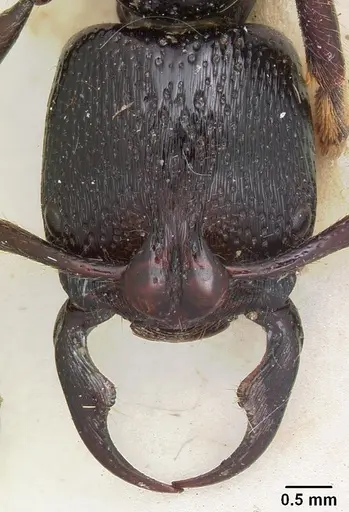
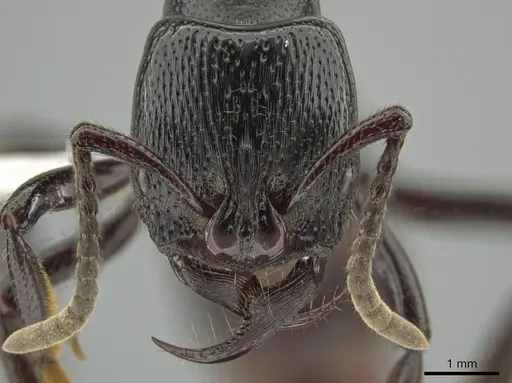
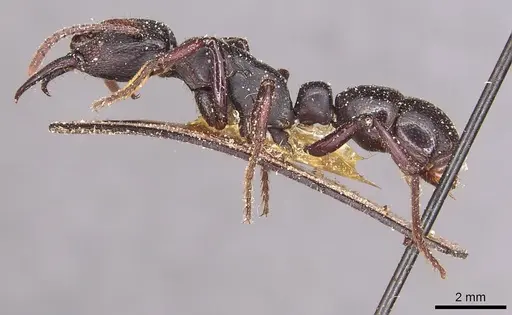
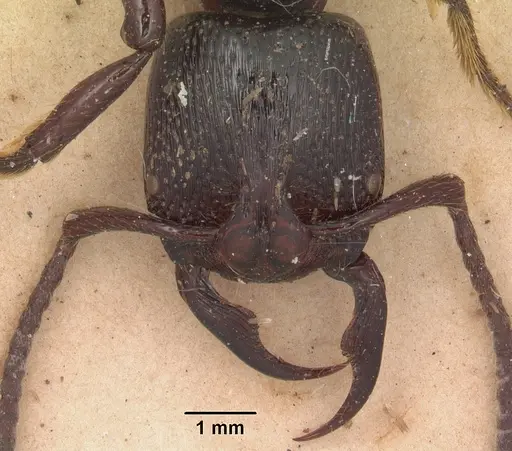
Psalidomyrmex reichenspergeri is a predatory ant species native to the Democratic Republic of Congo in Central Africa [1]. Workers are medium-sized with distinctive powerful mandibles adapted for hunting prey. As a member of the Ponerinae subfamily, this species retains many primitive ant characteristics including a functional stinger. The genus Psalidomyrmex is known for its carnivorous diet and active hunting behavior, with workers that typically forage individually rather than in groups. These ants nest in soil or rotting wood in forest environments, preferring warm and humid tropical conditions.
Quick Summary
- Difficulty: Unknown, limited keeper experience data
- Origin & Habitat: Democratic Republic of Congo, Africa. Found in forest habitats where they nest in soil or rotting wood [1].
- Colony Type: Colony structure is unconfirmed. Based on typical Ponerinae patterns, likely single-queen colonies, though this has not been directly documented for this species.
- Size & Growth:
- Queen: Estimated 10-12mm based on genus Psalidomyrmex worker size range
- Worker: Estimated 6-9mm based on genus patterns
- Colony: Unknown, no colony size data available for this species
- Growth: Unknown, no development data available
- Development: Unknown, no direct measurements exist. Based on related Ponerine ants, estimate 2-4 months at tropical temperatures, but this is a rough guess. (Development timeline is unconfirmed. Ponerine ants typically have longer development than more advanced ant subfamilies.)
- Antkeeping:
- Temperature: Keep warm, roughly 24-28°C. This is based on the species' tropical African origin and typical Ponerine temperature preferences [1].
- Humidity: High humidity needed, around 70-80%. These forest-dwelling ants prefer consistently moist substrate conditions.
- Diapause: Unknown, tropical species may not require formal hibernation, but may slow down during cooler periods.
- Nesting: Natural nesting in soil or rotting wood suggests a naturalistic setup with moist substrate works well. Y-tong or plaster nests with good moisture retention would be appropriate.
- Behavior: Active predators with powerful stings. Workers forage individually for small invertebrates. Likely defensive of their nest and capable of stinging if threatened. Escape risk is moderate, standard barrier precautions recommended.
- Common Issues: no documented captive breeding success to reference, this species is extremely rare in captivity, temperature requirements are inferred rather than confirmed through captive observation, humidity needs may be higher than typical, err on the damp side, wild-caught colonies may be stressed from collection and transport, feeding may be challenging, they likely require live prey items
Species Background
Psalidomyrmex reichenspergeri is known from historical records in the Democratic Republic of Congo, originally documented by Wheeler in 1922 and later noted by Bolton in 1975 [1]. This species belongs to the Ponerinae subfamily, which contains many primitive ant species that retain characteristics from early ant evolution. The genus name Psalidomyrmex comes from Greek roots meaning 'blade ant', referring to their distinctive sharp mandibles. Despite being described nearly a century ago, this species remains poorly studied in both the wild and captivity. The Democratic Republic of Congo provides a warm, humid tropical environment with dense forest cover, giving us baseline expectations for their care requirements.
Housing and Nesting
Based on the species' forest habitat in Central Africa, provide a nest that maintains high humidity. Naturalistic setups with soil or rotting wood work well for this species. Y-tong (acrylic) nests or plaster nests with moisture reservoirs are practical options that allow you to control humidity levels. The nest should have chambers sized appropriately for a medium-sized Ponerine ant, not too large, not too small. Provide an outworld area for foraging that is easy to keep clean. Ensure excellent escape prevention, while not among the smallest ants, they are agile and determined.
Feeding and Diet
As predatory Ponerine ants, Psalidomyrmex reichenspergeri likely requires a protein-rich diet of small live invertebrates. Offer small prey items such as fruit flies, small crickets, mealworms, or other appropriately-sized insects. Feed prey items that are roughly the size of the ant's head or smaller. The frequency should match colony size, a founding queen needs less food, while a growing colony may need several prey items per week. Remove uneaten prey after 24-48 hours to prevent mold. Sugar sources may be accepted but should not be the primary food, these are primarily predatory ants.
Temperature and Humidity
Keep the nest environment warm, targeting 24-28°C. This matches the tropical climate of their native DRC habitat. A heating cable on one side of the nest creates a temperature gradient allowing the ants to self-regulate. Humidity should be high, around 70-80% relative humidity. The substrate should feel consistently moist but not waterlogged. Monitor condensation levels in the nest, some condensation is normal and indicates good humidity. Avoid both drying out and stagnation. Room temperature in heated homes may be adequate if it falls within their preferred range.
Behavior and Temperament
Ponerine ants like Psalidomyrmex are typically more primitive in their social structure than advanced ants like Formicinae or Myrmicinae. Workers are likely to forage individually rather than in coordinated groups. They possess a functional stinger and will use it if they feel threatened. These ants are not aggressive toward humans unless directly provoked, but they will defend their nest energetically. They are unlikely to be escape artists in the same way as tiny ants, but standard barrier precautions should still be used. Observation is rewarding, watching a Ponerine ant tackle prey reveals their powerful mandibles in action.
Frequently Asked Questions
How long does it take for Psalidomyrmex reichenspergeri to produce first workers?
The egg-to-worker timeline is unconfirmed for this species. Based on typical Ponerine development patterns, expect 2-4 months at warm tropical temperatures (around 26°C), but this is a rough estimate rather than a confirmed measurement.
What do Psalidomyrmex reichenspergeri ants eat?
They are predatory ants that likely hunt small invertebrates. Feed small live prey such as fruit flies, pinhead crickets, small mealworms, or other appropriately-sized insects. Remove uneaten prey after a day or two.
Are Psalidomyrmex reichenspergeri ants good for beginners?
This species is not recommended for beginners. It is extremely rare in the antkeeping hobby with no established captive breeding protocols. The species is poorly documented and care requirements are largely inferred from genus patterns rather than confirmed through captive experience.
What temperature do Psalidomyrmex reichenspergeri ants need?
Keep them warm at 24-28°C. This matches their tropical African origin in the Democratic Republic of Congo.
How big do Psalidomyrmex reichenspergeri colonies get?
Colony size is unknown, no published colony data exists for this species. Based on genus patterns, colonies likely reach dozens to low hundreds of workers.
Can I keep multiple Psalidomyrmex reichenspergeri queens together?
Colony structure is unconfirmed. Combining unrelated queens is not recommended since this has not been studied for this species.
Do Psalidomyrmex reichenspergeri ants need hibernation?
As a tropical species from Central Africa, they likely do not require formal hibernation. They may slow down during cooler periods but do not need a winter dormancy period.
What humidity level do Psalidomyrmex reichenspergeri ants need?
High humidity around 70-80% is recommended. Keep the nest substrate consistently moist but not waterlogged.
Is Psalidomyrmex reichenspergeri a difficult species to keep?
Difficulty level cannot be determined due to lack of captive data. This is an extremely rare species with no established keeper community or care protocols. It is not recommended for anyone except advanced antkeepers working with scientific collections.
References

This caresheet is licensed under CC BY-SA 4.0 .
CASENT0102913
View on AntWeb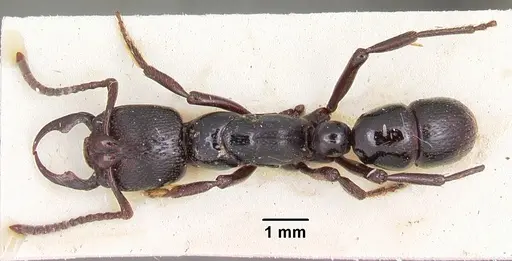
CASENT0639782
View on AntWeb
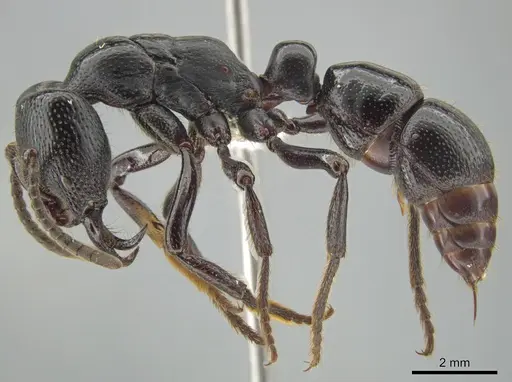
CASENT0915303
View on AntWeb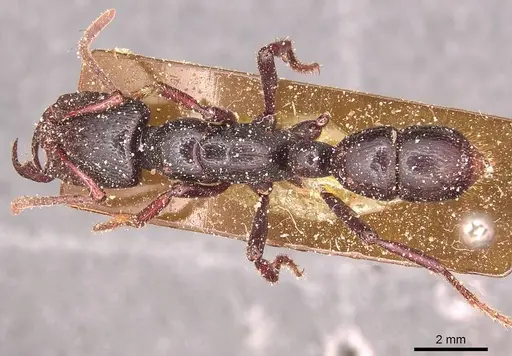
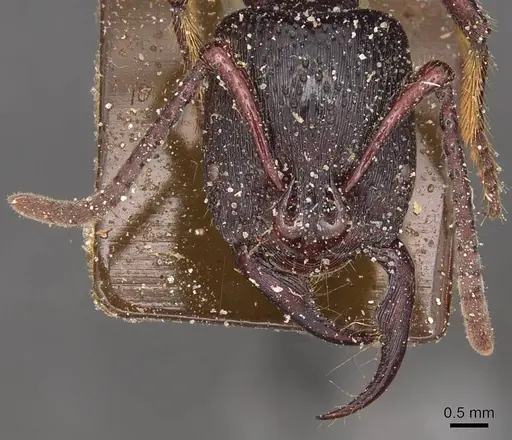
SAM-ENT-11551
View on AntWeb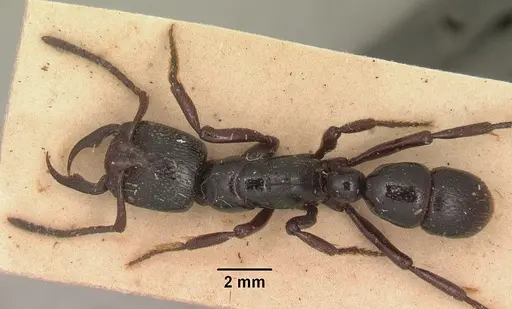
Literature
Loading...Loading products...