

Psalidomyrmex procerus
- Scientific Name
- Psalidomyrmex procerus
- Tribe
- Ponerini
- Subfamily
- Ponerinae
- Author
- Emery, 1901
- Distribution
- Found in 5 countries
Psalidomyrmex procerus Overview
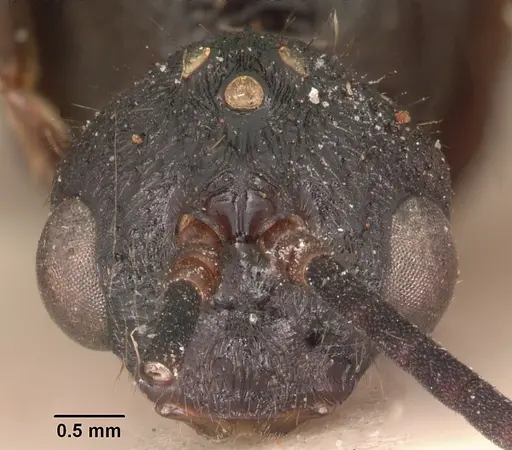
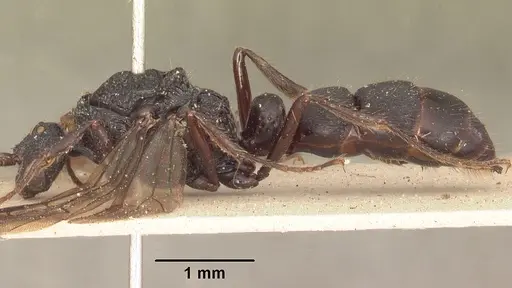
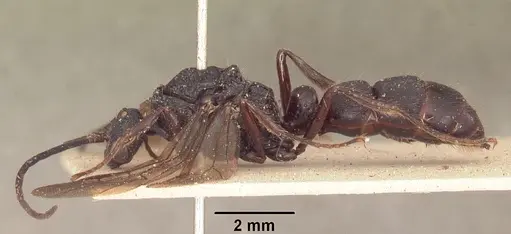
Psalidomyrmex procerus is an ant species of the genus Psalidomyrmex. It is primarily documented in 5 countries , including Congo, Democratic Republic of the, Cameroon. Detailed taxonomic data and occurrence records can be further explored via authoritative databases such as AntWeb or the Global Biodiversity Information Facility (GBIF).
Psalidomyrmex procerus
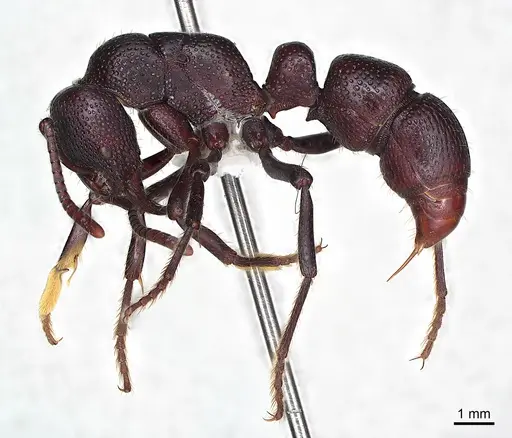
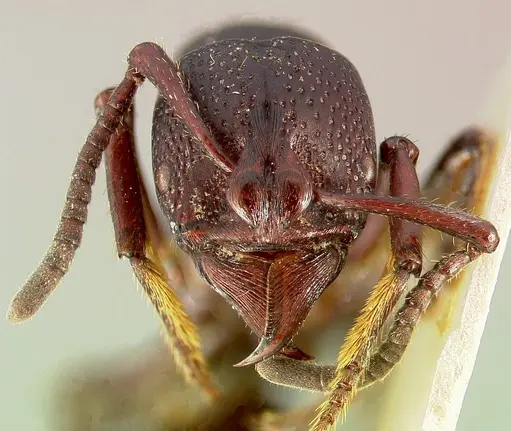
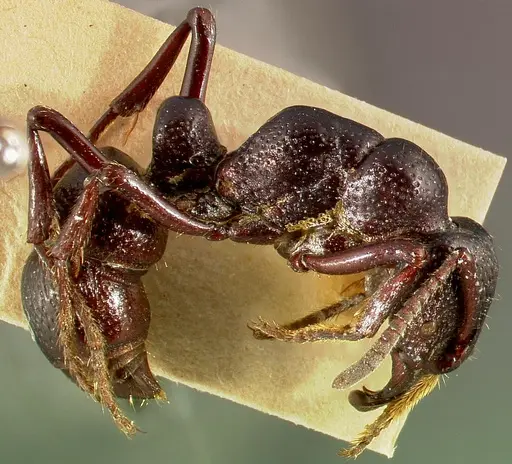
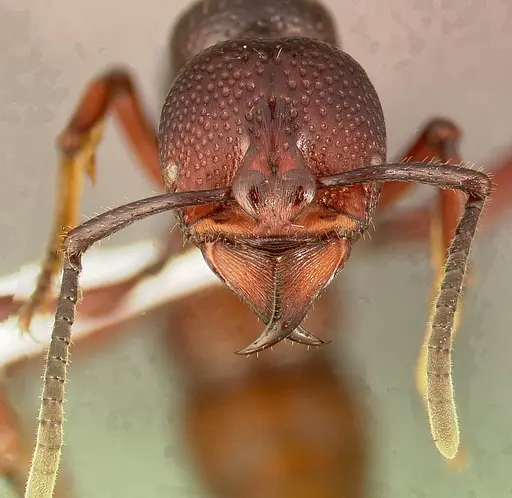
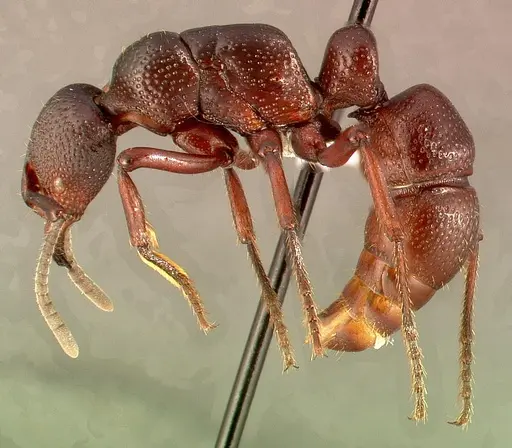
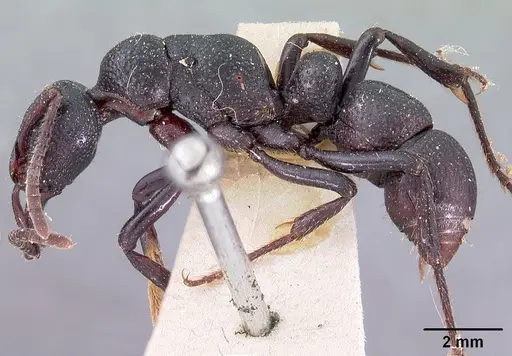
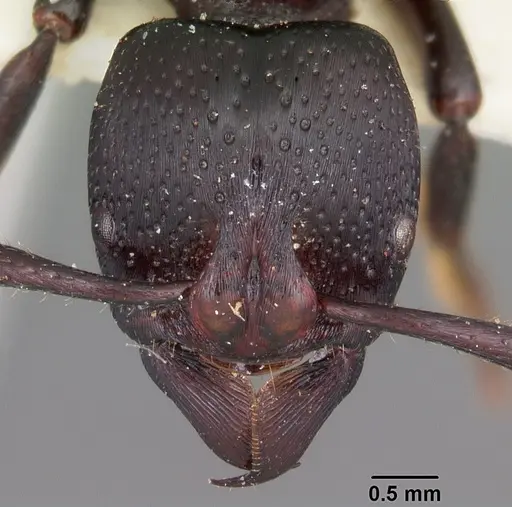
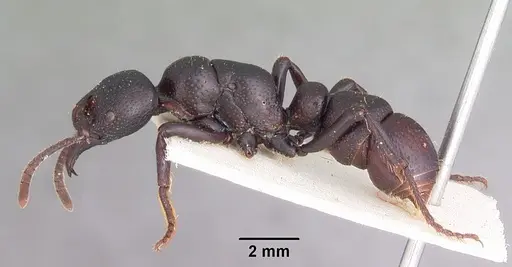
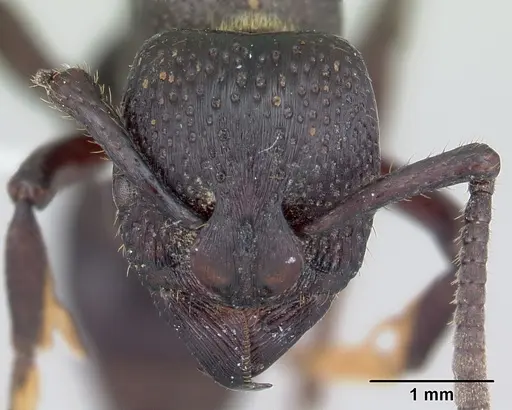
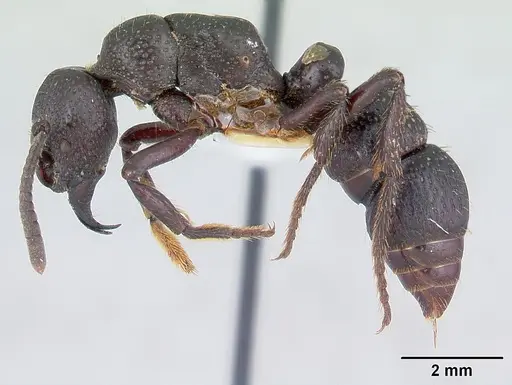
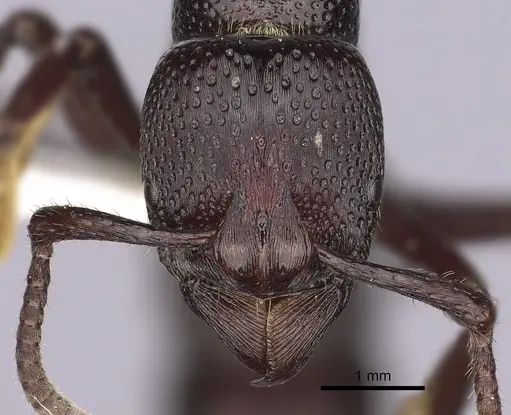
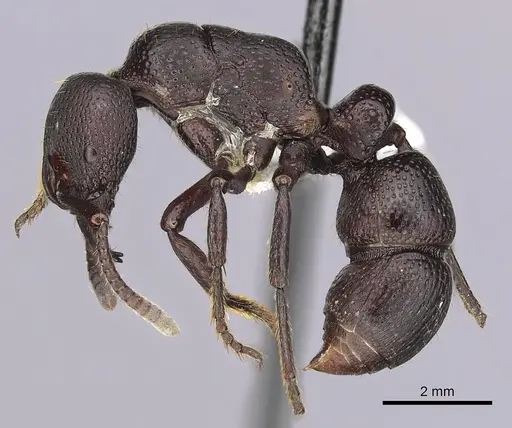
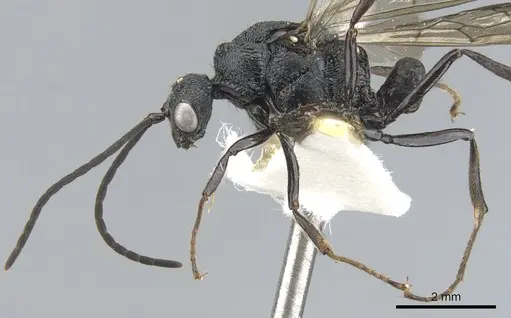
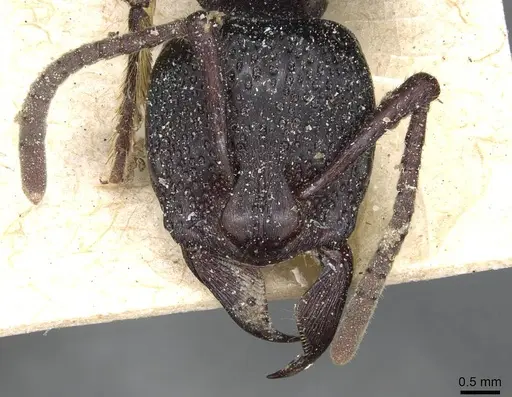
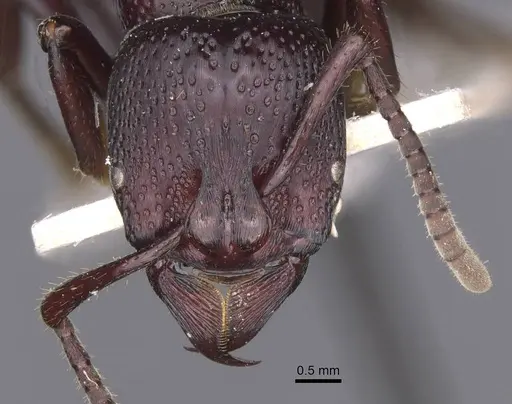
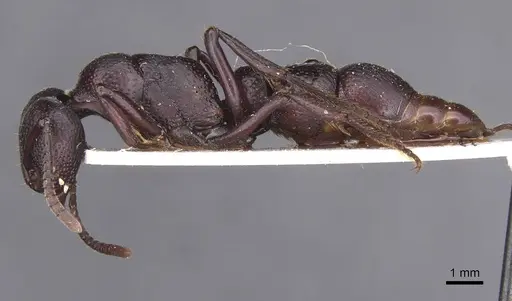
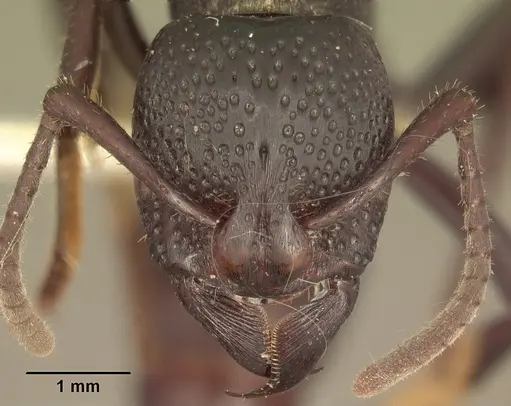
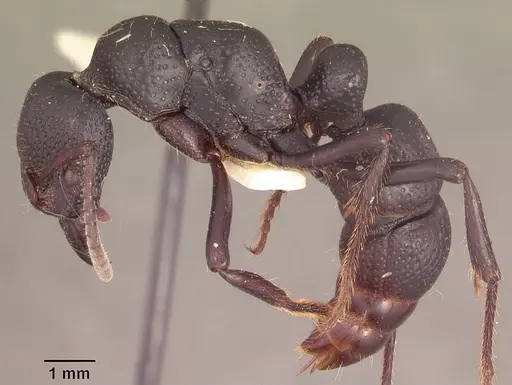
Psalidomyrmex procerus is a medium-sized African ponerine ant known for its specialized predation on earthworms. Workers measure around 6-9mm with robust, dark reddish-brown to black coloration and powerful mandibles. This species belongs to the Ponerinae subfamily and is found across West and Central Africa including Ghana, Guinea, Gabon, Cameroon, Democratic Republic of Congo, Kenya, and Uganda [1][2]. They inhabit lowland forest areas at elevations between 375-640m, nesting in rotten wood, beneath logs, or directly in the ground [2]. What makes P. procerus remarkable is its specialized predatory behavior, these ants are specialist earthworm hunters capable of taking down prey up to 10cm in length, using their venom to paralyze the worm's anterior section while the rest remains immobilized, allowing them to retrieve the entire prey [3][4][5].
Quick Summary
- Difficulty: Medium
- Origin & Habitat: West and Central Africa, found in Ghana, Guinea, Gabon, Cameroon, Democratic Republic of Congo, Kenya, Burundi, and Uganda. Inhabits lowland forest areas at 375-640m elevation, nesting in rotten wood, beneath logs, or directly in soil [1][2].
- Colony Type: Monogyne (single queen) colonies. Queens establish nests through claustral founding, the queen seals herself in a chamber and lives off stored fat reserves until her first workers emerge.
- Colony: Monogyne
- Founding: Claustral
- Size & Growth:
- Queen: Estimated 10-12mm based on genus, direct measurements not available
- Worker: 6-9mm [2]
- Colony: Estimated 100-300 workers based on similar Ponerinae, colony size data not directly studied
- Growth: Slow, Ponerinae species typically develop slowly over several months
- Development: Estimated 8-12 weeks at optimal temperature based on typical Ponerinae development patterns (Ponerine ants generally have longer development times than many common ant species. First workers (nanitics) will be smaller than mature workers.)
- Antkeeping:
- Temperature: Keep at 24-27°C (warm room temperature). This matches their natural lowland forest habitat in tropical Africa. Use a heating cable on one side of the nest to create a gentle gradient if room temperature is below 24°C [2].
- Humidity: High humidity required, aim for 70-80%. Keep the nest substrate consistently moist but not waterlogged. These ants naturally nest in rotting wood and damp soil, so monitor moisture levels closely and rehydrate when the substrate surface begins drying [2].
- Diapause: No, as a tropical species from lowland Africa, they do not require hibernation. Maintain consistent warm temperatures year-round.
- Nesting: Prefers nesting in moist, rotting wood or damp soil. In captivity, a naturalistic setup with damp soil/wood material works well, or a Y-tong/plaster nest with high humidity chambers. Avoid dry conditions. Provide a nest area that stays consistently moist [2].
- Behavior: These ants are relatively docile but possess a potent sting. Workers forage solitarily (alone, not in groups) for earthworms and other soil-dwelling prey [2][6]. They are not aggressive toward humans but will defend if threatened. Their small size means escape prevention is important, use tight-fitting lids and fine mesh barriers. They are primarily nocturnal or crepuscular hunters, so expect most activity during evening and night hours.
- Common Issues: slow colony growth can frustrate beginners who expect rapid development, specialized diet means they need live earthworms or appropriate prey, they won't accept standard ant foods, high humidity requirements can lead to mold if ventilation is poor, wild-caught colonies may have parasites that can decimate the colony in captivity, their potent sting means handling requires caution despite their docile nature
Housing and Nest Setup
Psalidomyrmex procerus requires a moist, naturalistic setup that mimics their natural habitat in rotting wood and damp soil. A naturalistic terrarium with damp soil substrate and pieces of rotting wood or cork works well. Alternatively, a Y-tong (acrylic) nest with plaster or soil-filled chambers can work if humidity is maintained high (70-80%). The key is keeping the nest material consistently moist but not waterlogged. Provide a water reservoir in the outworld and ensure the nest has access to moisture. Use a shallow water dish for drinking access. Because they are small (6-9mm workers), ensure any gaps in the setup are sealed, these ants can squeeze through surprisingly small openings. [2]
Feeding and Diet
This is the most critical aspect of keeping P. procerus successfully. They are specialist earthworm predators and will not thrive on typical ant diets. You must provide live earthworms, red wigglers, or other soil-dwelling worms as their primary food source. Small earthworms (around 4cm length) are ideal, workers seize the anterior end, sting to paralyze the rest, then retrieve the entire worm [3][4]. Larger earthworms can be offered but the ants may only retrieve the portion they initially grabbed. Other potential prey includes small soil arthropods, but earthworms should form the bulk of their diet. They are solitary hunters, workers hunt alone rather than in groups [2][6]. Feed every 2-3 days, removing uneaten prey after 24 hours. Sugar water or honey is unlikely to be accepted given their specialized predatory nature.
Temperature and Humidity
As a tropical lowland species from Central and West Africa, P. procerus requires warm, humid conditions year-round. Maintain temperatures between 24-27°C. Room temperature in most homes may be insufficient, use a heating cable on one side of the nest to create a warm zone. Place the heating on top of the nest, not underneath, to avoid drying out the substrate. Humidity should be kept high at 70-80%. The nest substrate should feel consistently damp to the touch. Mist the nest area periodically, but ensure good ventilation to prevent mold buildup. Avoid temperatures below 22°C or above 30°C. Unlike temperate species, they do not require any cooling or hibernation period, keep them warm continuously. [2]
Colony Development
Ponerine ants like P. procerus grow more slowly than many common ant species. A newly mated queen will seal herself in a chamber (claustral founding) and lay eggs after 1-2 weeks. She will not leave to forage, she survives entirely on stored fat reserves and metabolic water. Eggs develop through larvae and pupae to become workers. Expect the first workers (nanitics) to emerge in 8-12 weeks under optimal conditions (24-27°C). These first workers will be smaller than mature workers. The colony will grow slowly at first, a healthy established colony may reach 100-300 workers over several years. Patience is essential with this species. Do not disturb the queen during founding, vibrations and light can cause her to abandon or eat her brood.
Behavior and Temperament
Psalidomyrmex procerus workers are relatively docile and non-aggressive toward humans. They are solitary foragers, hunting alone rather than in raiding parties [2]. Workers are primarily nocturnal or crepuscular, so expect most foraging activity during evening and night hours. When hunting earthworms, they use their venomous sting to paralyze the prey before retrieval [3]. Despite their docile nature, they possess a potent sting and should be handled with care. They are not escape artists in the sense of climbing smooth surfaces, but their small size means they can slip through tiny gaps. Always use excellent escape prevention with fine mesh and sealed edges. The colony will establish a central nest area and workers will venture out into the outworld to hunt.
Common Keeping Problems
The biggest challenge with P. procerus is their specialized diet, they simply will not survive on standard ant foods. Without live earthworms or appropriate soil-dwelling prey, the colony will starve. Second, their slow growth tests keeper patience, don't expect rapid expansion. Third, maintaining proper humidity without causing mold requires balance, use adequate ventilation while keeping substrate moist. Fourth, wild-caught colonies may carry parasites that can devastate captive colonies. Quarantine and observe new colonies carefully. Finally, because they are from a tropical climate, they cannot tolerate cold temperatures, keep them warm year-round.
Frequently Asked Questions
Can I keep Psalidomyrmex procerus in a test tube?
Test tubes are not ideal for this species. They require high humidity and a naturalistic setup with moist substrate. A test tube would dry out too quickly and cannot accommodate their earthworm prey. Use a naturalistic setup with damp soil or a Y-tong nest with moisture-retaining material instead.
What do Psalidomyrmex procerus eat?
They are specialist earthworm predators. You must provide live earthworms, red wigglers, or similar soil-dwelling worms. Small worms around 4cm are ideal, workers sting and paralyze them, then retrieve the entire prey. They will not accept standard ant foods like sugar water, honey, or commercial protein mixes.
How long until first workers in Psalidomyrmex procerus?
Expect 8-12 weeks from egg to first worker at optimal temperature (24-27°C). Ponerine ants develop more slowly than many common species. First workers (nanitics) will be smaller than mature workers. Colony growth is slow, patience is essential.
Are Psalidomyrmex procerus good for beginners?
No, this species is not recommended for beginners. Their specialized earthworm diet, high humidity requirements, slow growth, and tropical temperature needs make them challenging. They are better suited for keepers with experience in Ponerine ants or those willing to commit to providing live earthworm prey.
Do Psalidomyrmex procerus need hibernation?
No, they do not require hibernation. As a tropical species from lowland Africa, they need warm temperatures year-round (24-27°C). Do not cool them down or expose them to temperatures below 22°C.
How big do Psalidomyrmex procerus colonies get?
Colony size is estimated at 100-300 workers based on similar Ponerinae species. Exact colony size data is not available in scientific literature. Growth is slow, it takes several years to reach maximum size.
When should I move Psalidomyrmex procerus to a formicarium?
Wait until the colony has at least 20-30 workers before moving to a larger setup. They can remain in their initial founding setup for the first several months. When moving, ensure the new setup has pre-humidified substrate and is ready to receive the colony without major disturbance.
Why are my Psalidomyrmex procerus dying?
Common causes include: lack of live earthworm prey (starvation), humidity too low (drying out), temperature too cold, mold from poor ventilation, or parasites from wild-caught colonies. Review each parameter and ensure you are meeting their specialized requirements. Consult an experienced keeper if problems persist.
Can I keep multiple queens together?
No, P. procerus is monogyne (single queen). Multiple unrelated queens will fight. Only keep one queen per colony. If you have a queen and she has established workers, introducing additional queens will result in conflict.
References

This caresheet is licensed under CC BY-SA 4.0 .
ANTWEB1008585
View on AntWeb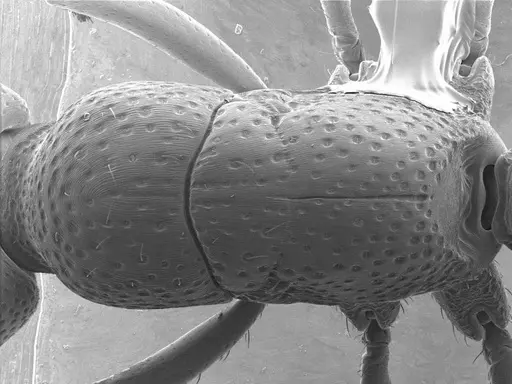
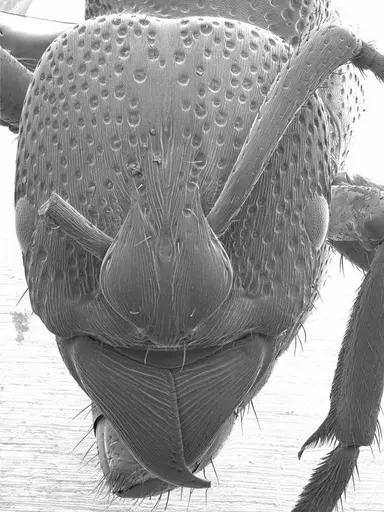
CASENT0003082
View on AntWeb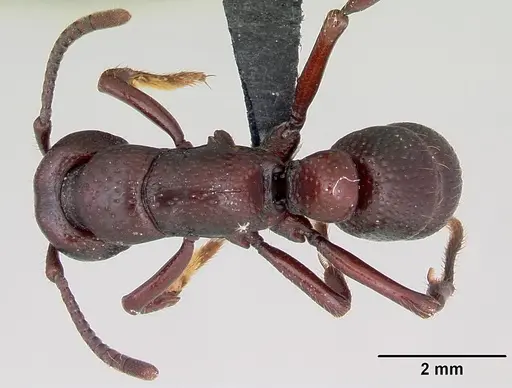
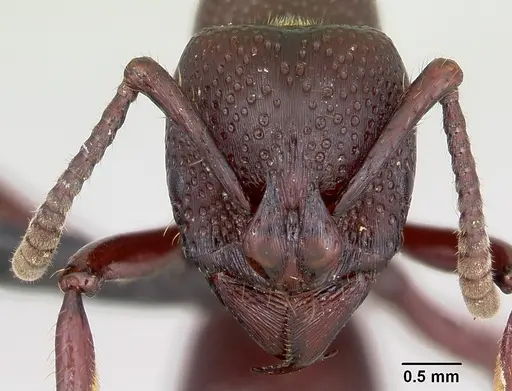
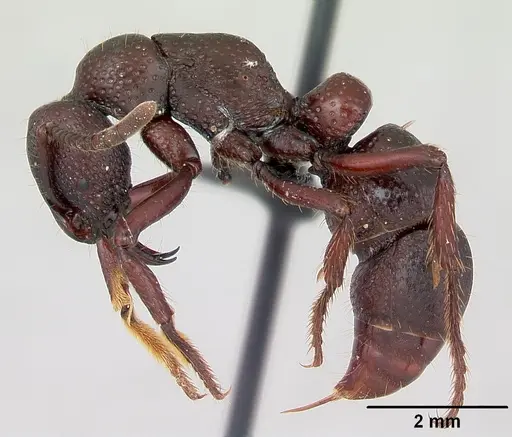
CASENT0003083
View on AntWeb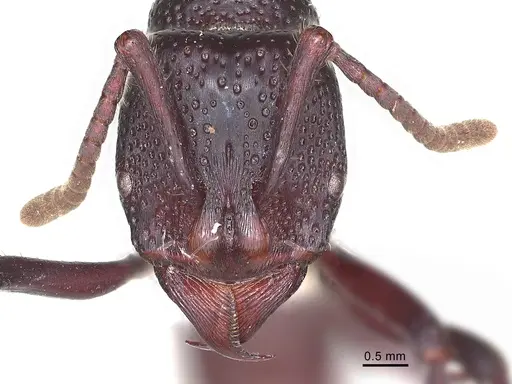
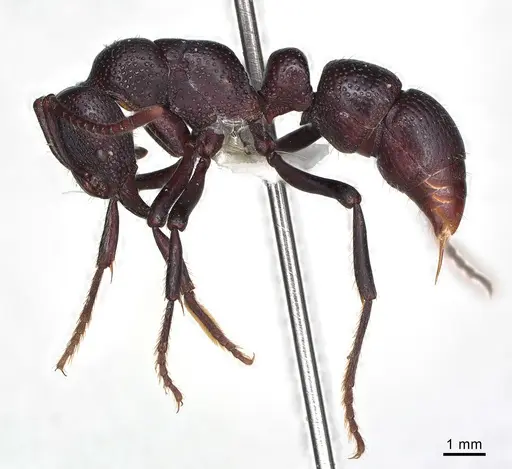
CASENT0003084
View on AntWeb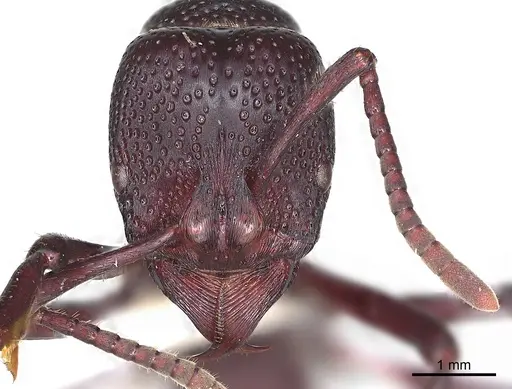
CASENT0003153
View on AntWeb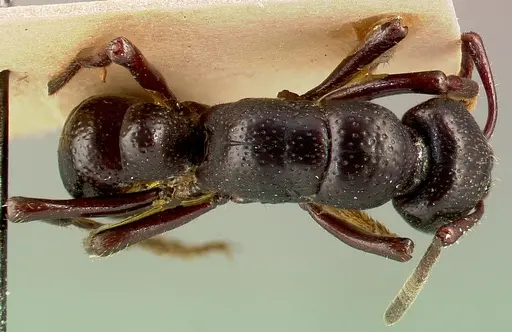
CASENT0004984
View on AntWeb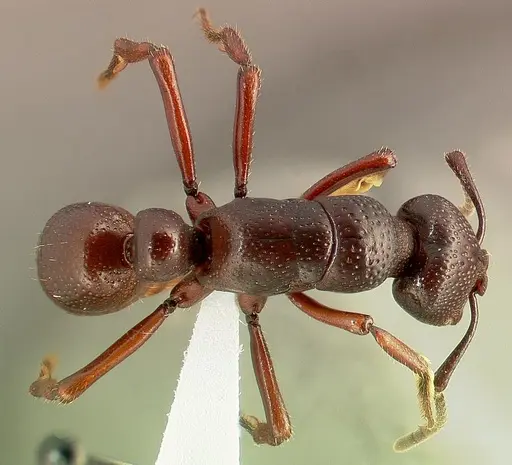
CASENT0102143
View on AntWeb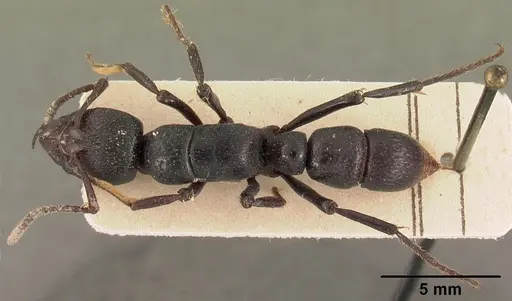
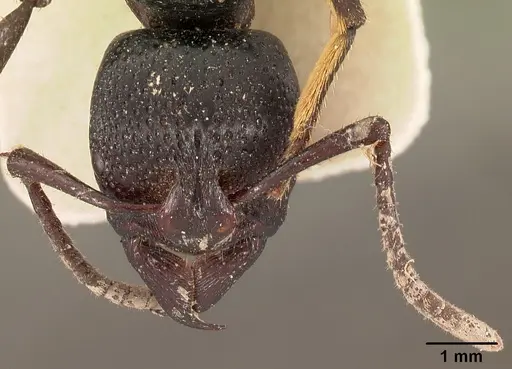
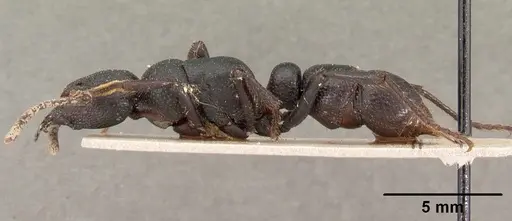
CASENT0102144
View on AntWeb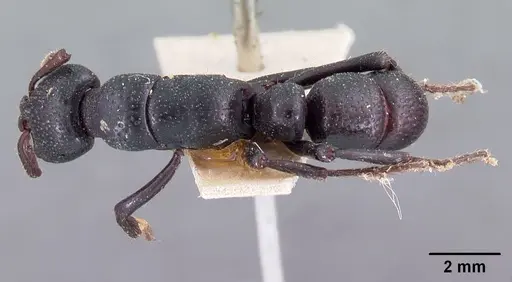
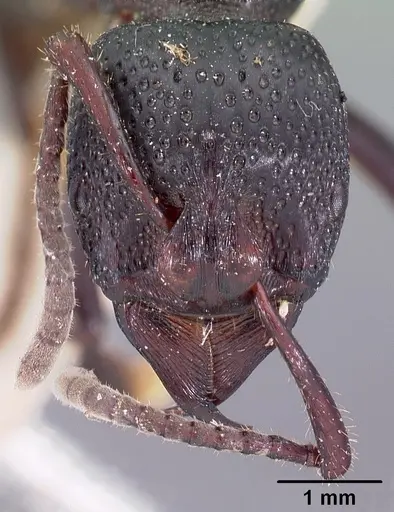
CASENT0102914
View on AntWeb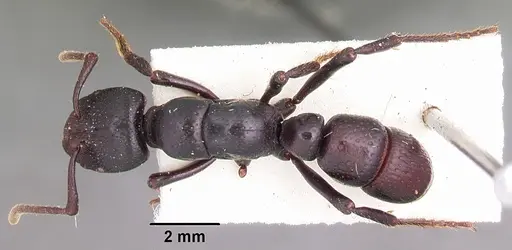
CASENT0178267
View on AntWeb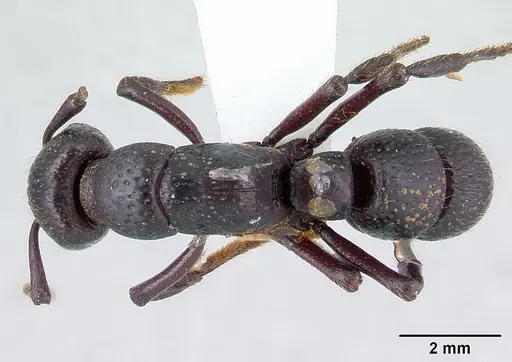
CASENT0249242
View on AntWeb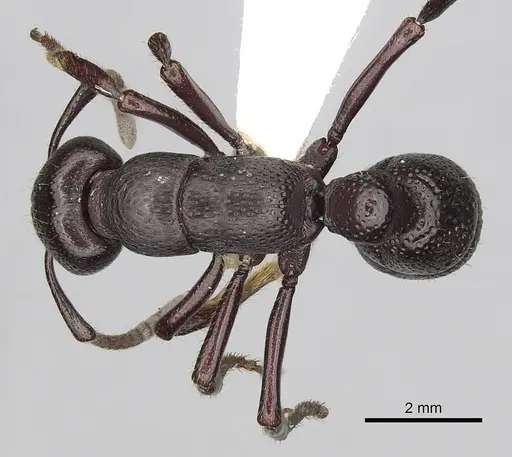
CASENT0903661
View on AntWeb
CASENT0915301
View on AntWeb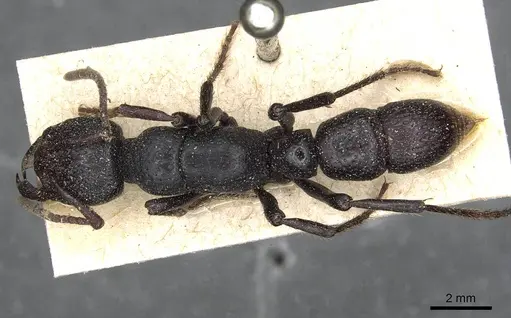
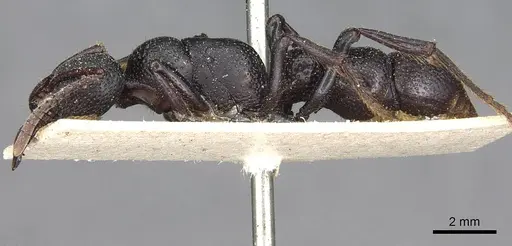
CASENT0915302
View on AntWeb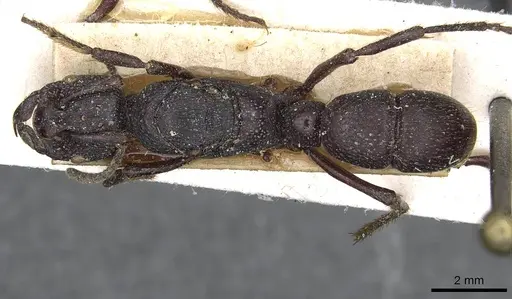
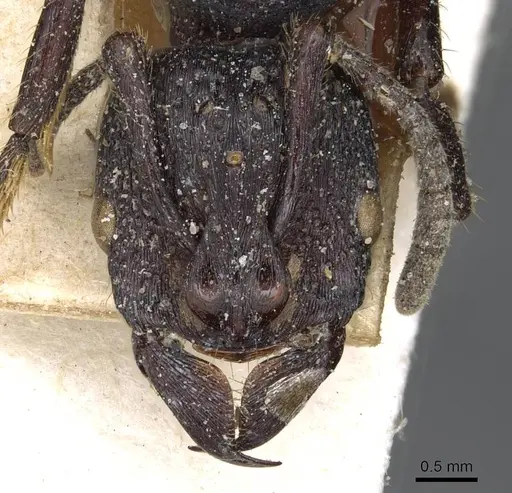
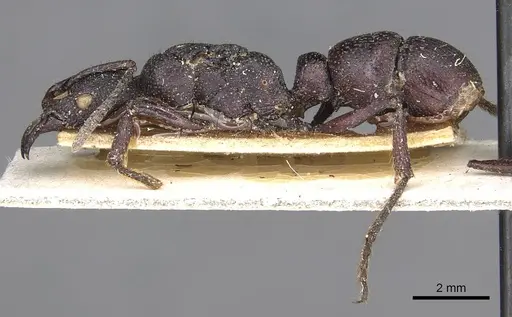
RMCAENT000017735
View on AntWeb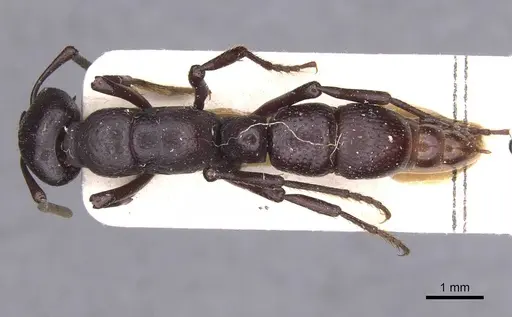
SAM-HYM-C002831
View on AntWeb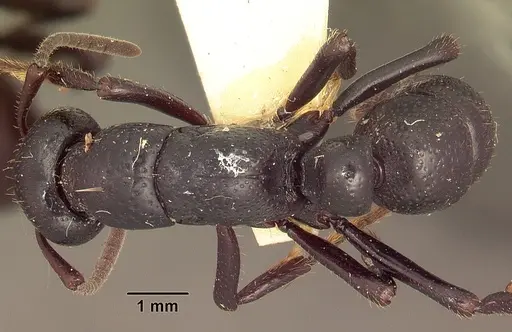
SAM-HYM-C002833
View on AntWeb
Literature
Loading...Loading products...