

Protanilla rafflesi
- Scientific Name
- Protanilla rafflesi
- Tribe
- Leptanillini
- Subfamily
- Leptanillinae
- Author
- Taylor, 1990
- Distribution
- Found in 3 countries
Protanilla rafflesi Overview
Protanilla rafflesi is an ant species of the genus Protanilla. It is primarily documented in 3 countries , including Brunei Darussalam, Malaysia, Singapore. Detailed taxonomic data and occurrence records can be further explored via authoritative databases such as AntWeb or the Global Biodiversity Information Facility (GBIF).
Protanilla rafflesi
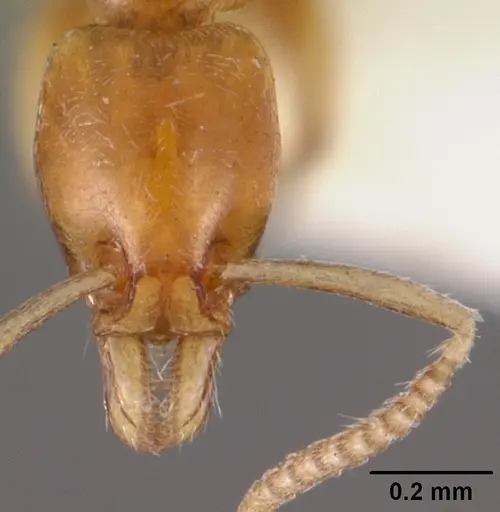
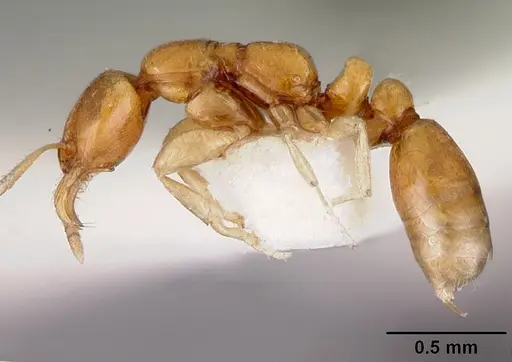
Protanilla rafflesi is a tiny ant species native to Singapore and Malaysia (Borneo), making it part of the Indo-Malayan region's ant fauna. Workers measure just 2.7mm in total length, making them one of the smaller ant species you'll encounter. They have a distinctive brownish-yellow coloration with yellowish mandibles, antennae, and legs. Their most notable physical features include 12-segmented antennae, mandibles with around 14 peg-like teeth, and a visible stinger. This species is the type species of the genus Protanilla, meaning it was the first species described when the genus was established. They belong to the rafflesi species group alongside P. schoedli and P. wardii [1][2].
Unfortunately, almost nothing is known about the biology of this species in the wild. The research literature focuses entirely on taxonomy and morphology, with no observations of colony behavior, founding, feeding, or reproduction. Based on their placement in the Leptanillinae subfamily, they are likely predatory micro-ant predators, but specific prey preferences and behaviors remain unconfirmed [3].
Quick Summary
- Difficulty: Expert
- Origin & Habitat: Singapore and East Malaysia (Borneo), found in the Indomalaya Region. Their exact habitat preferences are unknown, but related Leptanillinae species typically inhabit forest floor environments in tropical regions [1][4][3].
- Colony Type: Unconfirmed, no data exists on colony structure (monogyne vs polygyne) for this species. As the type species of the genus, more taxonomic than biological research has been conducted [5][6].
- Size & Growth:
- Queen: Unknown, queen caste has not been described in the scientific literature [5].
- Worker: 2.7mm total length (TL) [1].
- Colony: Unknown, no colony size data exists in the literature.
- Growth: Unknown, no development timing or growth data has been documented.
- Development: Unknown, no direct observations of brood development exist. Based on typical Leptanillinae patterns and their small size, development likely takes 4-8 weeks at tropical temperatures, but this is entirely estimated. (No research has documented the egg-to-worker timeline. This is a rough estimate based on genus-level patterns for small tropical ants.)
- Antkeeping:
- Temperature: Likely 24-28°C based on their tropical Southeast Asian distribution. Start in the mid-range and observe colony activity. Do not allow temperatures to drop below 22°C [inferred from distribution].
- Humidity: Likely requires high humidity (70-85%) similar to other Leptanillinae and tropical forest floor ants. Keep the nest substrate consistently moist but not waterlogged. Provide a water tube for drinking water [inferred from habitat].
- Diapause: Unlikely, being a tropical species from Singapore and Malaysia, they probably do not require a diapause period. No seasonal data exists for this species [inferred from distribution].
- Nesting: Unknown in captivity. In nature, related Leptanillinae typically nest in soil or rotting wood in forest settings. A small test tube setup or Y-tong nest with moist substrate would be a reasonable starting point. Their tiny size means chambers should be appropriately scaled [inferred from genus].
- Behavior: Behavior is unstudied. Based on their morphology (visible stinger, peg-like mandibular teeth), they are likely predatory on small arthropods. Their small size and tropical origin suggest they are active foragers. Escape prevention is critical due to their tiny 2.7mm size, they can easily slip through standard test tube barriers. Use fine mesh and ensure all connections are sealed [1].
- Common Issues: almost no biological data exists, everything about their care is inferred, not confirmed, tiny size makes escape prevention challenging, they can squeeze through gaps that larger ants cannot, no confirmed diet preferences, must experiment with small live prey, colony may fail if kept at temperatures outside their tolerance range, no information on founding behavior, introducing a queen to a new setup is uncharted territory
Why Protanilla rafflesi Is an Expert-Only Species
This species is not for beginners. Unlike common ant species like Camponotus or Lasius that have decades of captive breeding history, Protanilla rafflesi has never been kept in captivity that we know of. The scientific literature contains zero information about their biology, no one has ever documented what they eat, how they found colonies, how fast they grow, or what conditions they need to thrive. Every aspect of their care must be inferred from related species and guesswork. This makes them an experimental species best suited for antkeepers who enjoy the process of discovery and can afford to lose a colony while learning. If you want a guaranteed success, choose a species with established care protocols instead [3].
Appearance and Identification
Workers are tiny at just 2.7mm total length, making them one of the smaller ant species available in the hobby. They have a brownish-yellow body with distinctly lighter yellowish mandibles, antennae, and legs. Their most distinctive features include 12-segmented antennae and mandibles equipped with approximately 14 peg-like teeth along the masticatory margin. In profile, the petiolar node has a characteristic concave anterior face, and the postpetiole is inclined forward. A visible stinger is present, which is relatively unusual among small ants, most species this size have stingers too small to penetrate human skin. The head is longer than broad with a distinctly narrowed anterior third, and the occipital margin is weakly concave [1].
Distribution and Wild Habitat
Protanilla rafflesi is known from Singapore and East Malaysia (Borneo), making it native to the Indomalayan biogeographic region. The holotype was collected in Singapore at McRitchie in 1970. Despite being the type species of the genus, specimens are rarely collected, suggesting they are either uncommon or difficult to detect. Their exact natural habitat preferences are undocumented, but related Leptanillinae species typically inhabit forest floor environments in tropical regions. They are considered part of the rafflesi species group along with P. schoedli and P. wardi [1][2][7].
Housing and Nest Setup
Given their tiny 2.7mm size, standard test tube setups may need modification for escape prevention. Use fine mesh barriers and check all connections for gaps. A small Y-tong nest with appropriately scaled chambers would work well, or a naturalistic setup with moist soil. Since nothing is known about their nesting preferences, start with a moist substrate that holds humidity well, think the damp forest floor conditions typical of their likely habitat. A test tube with a cotton ball providing water, plus a small outworld for feeding, is a reasonable starting point. The nest area should be kept dark or dim, as many Leptanillinae are subterranean or cryptic [inferred from subfamily].
Feeding and Diet - The Big Unknown
This is the biggest knowledge gap for P. rafflesi. No one has ever documented what this species eats in the wild or captivity. Based on their morphology (peg-like teeth, visible stinger) and their placement in the Leptanillinae subfamily, they are almost certainly predatory on small arthropods. Related Leptanillinae like Opamyrma hungvuong are known to prey on centipedes [8]. For P. rafflesi, you should start with tiny live prey: springtails, fruit flies, pinhead crickets, and other small micro-arthropods. Sugar sources are unlikely to be accepted, these are predators, not sugar-feeding ants. Offer small live prey items and remove uneaten portions within 24 hours. Do not expect them to accept honey or sugar water [inferred from subfamily][8].
Temperature and Humidity Requirements
Being from tropical Singapore and Malaysia, these ants almost certainly require warm, humid conditions. Aim for temperatures in the 24-28°C range, never let them experience temperatures below 22°C. A heating cable on one side of the nest can create a gradient if your room temperature is below this range. Humidity should be high, likely 70-85%. Keep the nest substrate consistently moist but avoid standing water. A water tube connected to the nest provides drinking water. Given how little we know about their requirements, observe colony behavior: if workers are clustered together and inactive, they may be too cold, if they avoid the nest area, it may be too warm or dry [inferred from distribution].
The Challenge of Working with Poorly Studied Species
Before acquiring Protanilla rafflesi, understand that you are entering uncharted territory. Unlike documented species where you can follow established care guides, everything about P. rafflesi is an experiment. You may discover they prefer certain foods, temperatures, or nest setups that no one has ever documented. This is both the challenge and the potential reward of keeping rare, poorly studied species. Document your observations carefully, they could contribute to our understanding of this enigmatic ant. Be prepared for colony failures, and do not purchase this species if you cannot afford to lose it. The information you gather could be scientifically valuable [3].
Frequently Asked Questions
How long does it take for Protanilla rafflesi to produce first workers?
Unknown, no one has ever documented the development timeline for this species. Based on typical Leptanillinae patterns and their small size, expect roughly 4-8 weeks from egg to worker at tropical temperatures (25-27°C), but this is entirely an estimate with no scientific backing.
What do Protanilla rafflesi ants eat?
Unconfirmed, no documented diet exists. Based on their morphology and subfamily, they are likely predatory on small arthropods. Offer tiny live prey like springtails, fruit flies, and micro-arthropods. Do not expect them to accept sugar water or honey.
Are Protanilla rafflesi good for beginners?
No. This species is expert-only due to almost complete lack of biological data. Every aspect of care must be inferred, not confirmed. Choose established species like Lasius, Camponotus, or Messor for your first colony.
Do Protanilla rafflesi ants sting?
Yes, they have a visible stinger [1]. However, at 2.7mm, they are too small to penetrate human skin effectively. The sting is likely effective against their natural prey (small arthropods) but not against predators their own size.
What temperature do Protanilla rafflesi need?
Likely 24-28°C based on their tropical distribution in Singapore and Malaysia. Do not allow temperatures below 22°C. This is inferred, not confirmed.
Do Protanilla rafflesi need hibernation?
Unlikely, being from tropical Singapore and Malaysia, they probably do not require a diapause period. No seasonal data exists for this species.
How big do Protanilla rafflesi colonies get?
Unknown, no colony size data exists in the scientific literature. Related Leptanillinae typically have smaller colonies, but specific numbers for P. rafflesi are unconfirmed.
Can I keep multiple Protanilla rafflesi queens together?
Unknown, no data exists on colony structure or queen behavior for this species. Do not attempt combining unrelated queens without documented evidence that they will not fight.
What is the best nest type for Protanilla rafflesi?
Unknown, no captive nesting observations exist. Start with a small test tube setup or Y-tong nest with moist substrate. Their tiny size means chambers should be appropriately scaled.
Where is Protanilla rafflesi found in the wild?
Singapore and East Malaysia (Borneo), making them part of the Indomalayan faunal region. They are rarely collected, suggesting they are either uncommon or difficult to detect in the wild.
References

This caresheet is licensed under CC BY-SA 4.0 .
CASENT0102375
View on AntWeb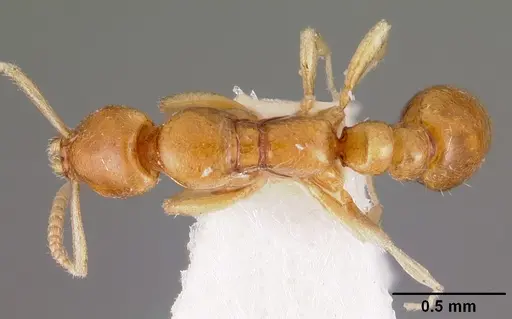
Literature
Loading...Loading products...