

Protanilla lini
- Scientific Name
- Protanilla lini
- Tribe
- Leptanillini
- Subfamily
- Leptanillinae
- Author
- Terayama, 2009
- Distribution
- Found in 2 countries
Protanilla lini Overview
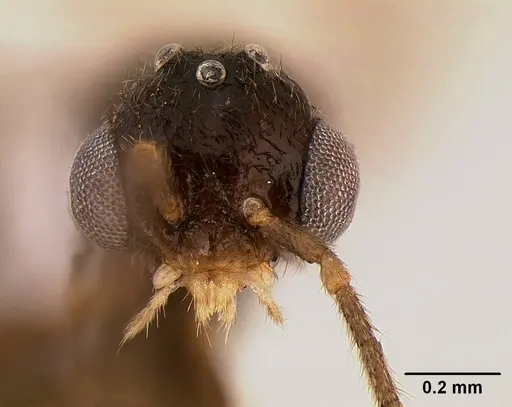
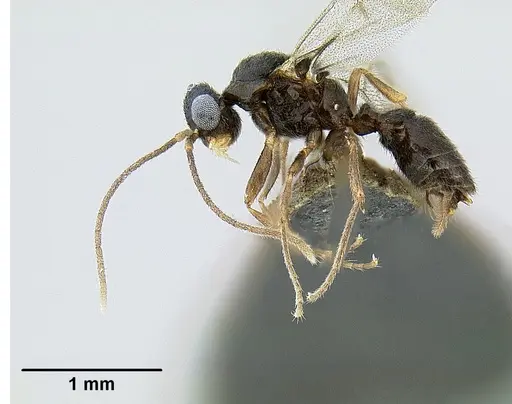
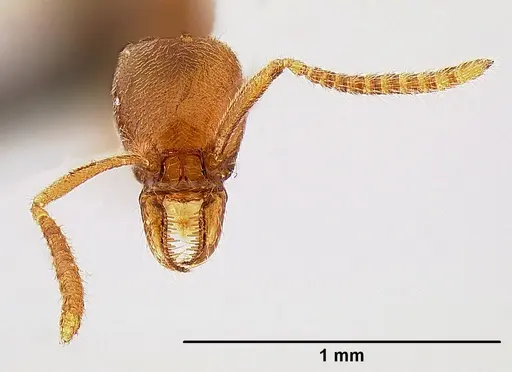
Protanilla lini is an ant species of the genus Protanilla. It is primarily documented in 2 countries , including Japan, Taiwan, Province of China. Detailed taxonomic data and occurrence records can be further explored via authoritative databases such as AntWeb or the Global Biodiversity Information Facility (GBIF).
Protanilla lini
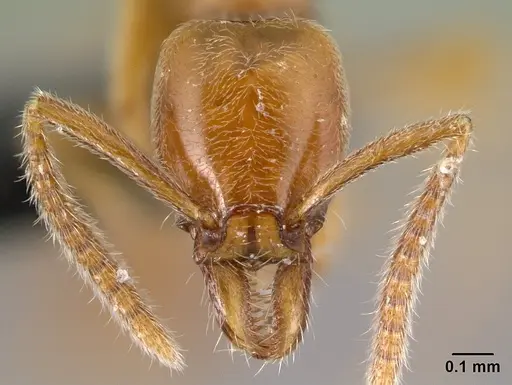
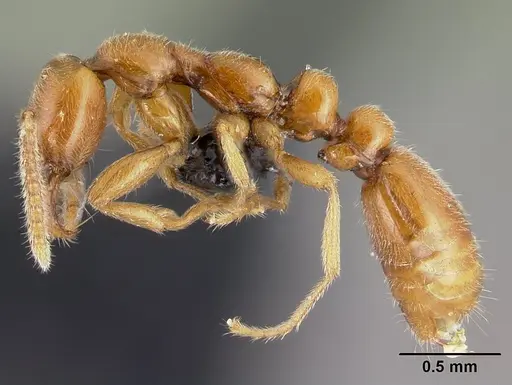
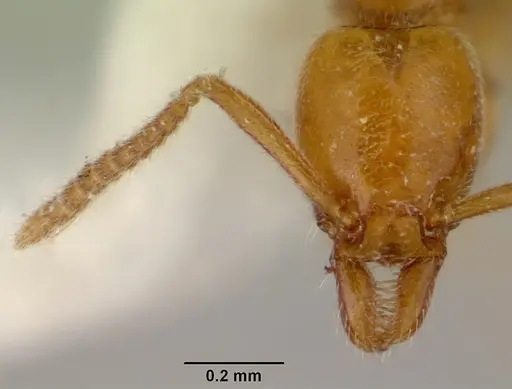
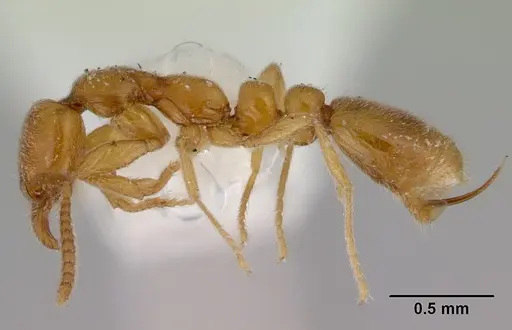
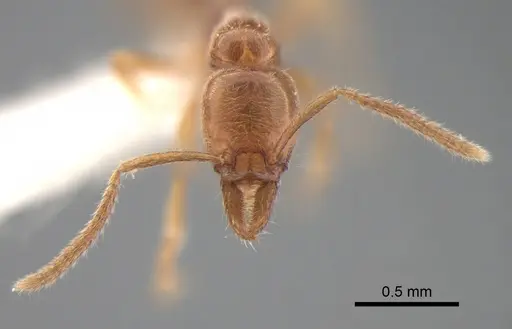
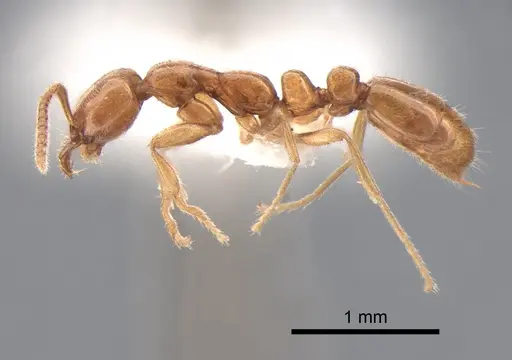
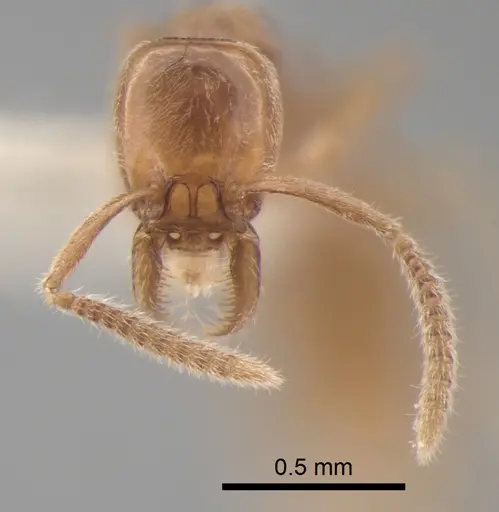
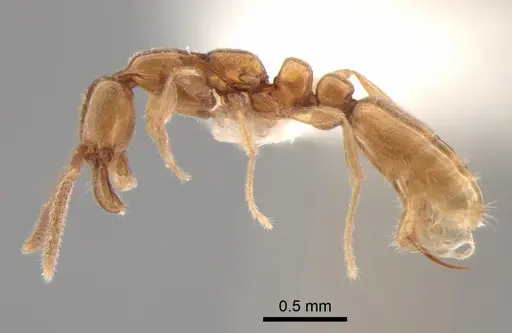
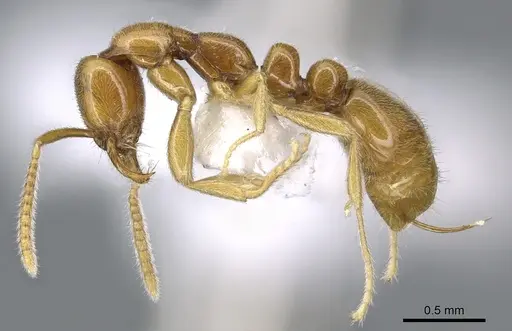
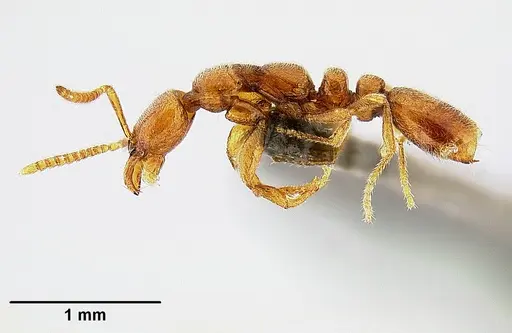
Protanilla lini is a tiny, yellowish-brown ant measuring around 2.9mm in total length, belonging to the Leptanillinae subfamily. These ants are found across Taiwan and the Ryukyu Islands of Japan, typically in natural forest areas above 600m altitude. They nest in cavities within fallen dead branches and decaying wood. What makes P. lini remarkable is their trap-jaw mechanism, workers can open their mandibles to 180 degrees and snap them shut during predatory attacks, similar to the famous trap-jaw ants in the genus Odontomachus. This species is a specialized centipede predator, accepting only certain types of centipedes (particularly geophilomorphs around 3-4cm) as prey in captivity. Colonies are relatively small, typically reaching around 100 workers with a single queen.
Quick Summary
- Difficulty: Expert
- Origin & Habitat: Taiwan and Ryukyu Islands (Japan), natural and seminatural forest areas above 600m altitude, Machilus-Castanopsis forest zones [1]
- Colony Type: Monogyne, single queen colonies with approximately 100 workers,30 larvae, and 5 dealated gynes observed [1]
- Colony: Monogyne
- Size & Growth:
- Queen: 0.55-0.63mm head length [1][2], similar in size to workers
- Worker: 2.9mm total length, workers 0.60mm head length [1][3]
- Colony: Up to approximately 100 workers [1]
- Growth: Moderate, larvae of different instars present simultaneously suggests continuous brood development [1]
- Development: Unknown, no specific development data available (Related Leptanilla species suggest 4-8 weeks at optimal temperature, but P. lini specific timeline unconfirmed)
- Antkeeping:
- Temperature: Keep at 22-26°C based on subtropical Taiwan/Ryukyu distribution, adjust based on colony activity
- Humidity: High humidity required, forest floor species that nests in decaying wood, keep substrate consistently moist but not waterlogged [1]
- Diapause: Likely minimal or no diapause given subtropical distribution, but specific requirements unconfirmed
- Nesting: Naturalistic setup with decaying wood or test tube setups with high humidity, they nest in cavities within fallen branches [1]. Y-tong or plaster nests work well for maintaining humidity.
- Behavior: These ants are specialized predators with a unique trap-jaw mechanism. Workers can open mandibles to 180 degrees and snap them shut during predatory interactions, this is used both for capturing centipede prey and defending the nest [1]. Workers guard nest entrances with mandibles locked in the striking position, similar to related Leptanilla species. They are defensive and will sting intruders, stings can last at least 20 minutes [2]. Colonies produce a strong, distinct odor, especially when disturbed. Escape risk is moderate due to their small size, use standard barrier precautions.
- Common Issues: Specialized diet, they require live centipedes (geophilomorphs 3-4cm) and may refuse other prey, making them extremely difficult to feed [1][5], Small colony size limits food consumption, overfeeding can lead to mold and sanitation problems in the nest, Strong odor production may be unpleasant in enclosed spaces, ensure adequate ventilation, Stinging behavior, workers deliver powerful stings lasting up to 20 minutes when defending the nest [2], Humidity control is critical, they nest in decaying wood and require consistently moist conditions
Housing and Nest Setup
Protanilla lini requires high humidity environments similar to their natural forest floor habitat. They naturally nest in cavities and tunnels within fallen dead branches, so naturalistic setups with decaying wood work well. In captivity, Y-tong (acrylic) nests or plaster nests are practical options that allow you to maintain humidity. Test tube setups can work if you keep them in a humid enclosure. The key is providing a dark, humid space with narrow chambers that mimic the natural cavities they would occupy in the wild. Avoid dry conditions, these ants are adapted to the moist microclimate of decomposing wood in shaded forests. [1][2]
Feeding and Diet - The Critical Challenge
This is the most challenging aspect of keeping Protanilla lini. They are specialized centipede predators and show strong preferences for geophilomorph centipedes approximately 3-4cm in length [1]. In laboratory observations, they accepted geophilomorph, lithobiomorph, and scolopendromorph centipedes, plus cockroaches and isopods [5][2]. Smaller and larger centipedes were less preferred, those exceeding 4cm were left uneaten. When hunting, workers quickly snap their mandibles onto the centipede's appendages, sting to paralyze it within minutes, then transport it back to the nest where larvae are carried and attached to the prey to feed [1]. You will need a reliable source of small live centipedes to maintain this species long-term. This specialized diet makes P. lini suitable only for experienced antkeepers who can source appropriate prey.
Temperature and Humidity
As a species from subtropical Taiwan and the Ryukyu Islands, Protanilla lini needs warm conditions. Aim for temperatures in the 22-26°C range, this matches their natural environment at moderate altitudes. Monitor colony activity to fine-tune: if workers become sluggish, slightly increase temperature, if they avoid certain areas, it may be too warm. Humidity is equally important since they naturally inhabit moist decaying wood in forest settings. Keep the nest substrate consistently damp but not waterlogged. A gradient with slightly drier areas allows ants to self-regulate. The strong humidity requirement means you should house them in a humid room or use a humidified setup rather than relying on occasional misting. [1][2]
Trap-jaw Behavior and Defense
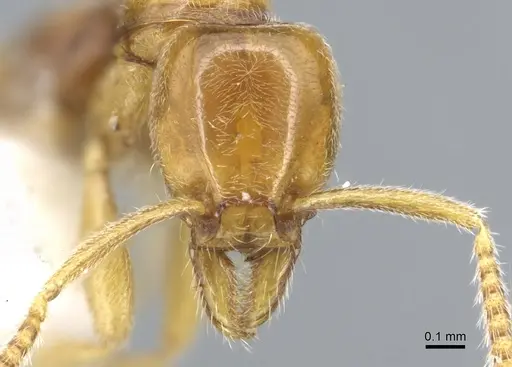
One of the most fascinating aspects of Protanilla lini is their trap-jaw mechanism. Unlike the linear mandibles of Odontomachus trap-jaw ants, Protanilla workers have triangular mandibles that can still open to 180 degrees and snap shut with force [1]. This behavior serves both predatory and defensive purposes. In captivity, you may observe workers guarding nest entrances with mandibles locked in the striking position, a behavior also documented in related Leptanilla species. When threatened, they will snap their mandibles at intruders and deliver stings. The stings are notably powerful and can last at least 20 minutes [2]. Additionally, colonies produce a strong, distinct odor, this is particularly noticeable when the colony is disturbed or first excavated. This odor may be a chemical defense mechanism.
Colony Structure and Growth
Protanilla lini colonies are monogyne, meaning they have a single queen. Observed colonies contain around 100 workers,30 larvae, and 5 dealated gynes (wingless queen candidates) [1]. Unlike many ant species with distinct brood stages, P. lini colonies show larvae of different instars (sizes) present simultaneously, suggesting continuous rather than synchronized brood development [1]. This means you should expect a steady but slow build-up of workers rather than dramatic broods. The colony structure is relatively simple compared to larger ant species, which aligns with their small colony size. Queens are similar in size to workers and are dealate (wingless) once they establish a colony.
Seasonal Care and Overwintering
Given their subtropical distribution across Taiwan and the Ryukyu Islands, Protanilla lini likely experiences mild winters without prolonged cold periods. Specific diapause requirements have not been documented. In captivity, you can likely maintain them year-round at room temperature (around 22-24°C) without a formal hibernation period. However, you might observe reduced activity during winter months if room temperatures drop. The key is consistency, avoid sudden temperature swings. If you live in a temperate climate, ensure they are kept in a warm room during winter. The natural habitat at 600m+ altitude in Taiwan may experience cooler temperatures, so some seasonal variation in activity is expected but they likely do not require true cold hibernation. [1]
Frequently Asked Questions
Can I keep Protanilla lini in a test tube?
Yes, test tubes can work but they must be kept in a humid enclosure to maintain the moisture levels these forest-floor ants need. A better option is a Y-tong or plaster nest that allows you to control humidity more easily. They naturally nest in decaying wood cavities, so the setup should provide dark, humid conditions.
What do Protanilla lini eat?
They are specialized centipede predators. In captivity, they accept geophilomorph centipedes best, about 3-4cm in length is ideal. They will also accept other centipede types (lithobiomorph, scolopendromorph), cockroaches, and isopods. However, centipedes are their preferred and most reliable food source. You will need a steady supply of small live centipedes to keep this species.
How long until first workers in Protanilla lini?
The exact egg-to-worker development time is unknown for this species. Based on related Leptanilla species, expect approximately 4-8 weeks at optimal temperature. However, this is an estimate, specific development data for P. lini has not been documented.
Are Protanilla lini good for beginners?
No. This is an expert-level species due to their specialized diet requirements. They need live centipedes as primary food, which is difficult to source and maintain. They also require high humidity, produce strong odors, and can deliver painful stings. Only experienced antkeepers should attempt this species.
Do Protanilla lini ants sting?
Yes, they can and will sting when defending their nest. Their stings are notably powerful and can last at least 20 minutes [2]. When handling or working with the colony, use caution. Workers also snap their mandibles as part of their defense response.
How big do Protanilla lini colonies get?
Colonies typically reach around 100 workers at maximum [1]. This is relatively small compared to many common ant species. The colony size remains modest even in established colonies.
Can I keep multiple Protanilla lini queens together?
No. Protanilla lini is monogyne, meaning colonies have a single queen [4]. Combining unrelated queens has not been documented and is not recommended. polygynous colonies have not been observed in this species.
Do Protanilla lini need hibernation?
Likely no. As a subtropical species from Taiwan and the Ryukyu Islands, they do not require cold hibernation. You can maintain them year-round at stable temperatures around 22-26°C. Some reduced winter activity is possible if temperatures drop, but a formal diapause period is not necessary.
Why are my Protanilla lini dying?
The most likely cause is diet, they are extremely specialized predators and may refuse food other than centipedes. Also check humidity levels (they need consistently moist conditions), temperature (22-26°C), and ensure no mold issues from overfeeding. Wild-caught colonies may also have parasites. The specialized diet is the most common failure point.
What makes Protanilla lini unique compared to other ants?
They have a trap-jaw mechanism similar to Odontomachus ants, despite having triangular rather than linear mandibles. Workers can open their mandibles 180 degrees and snap them shut for predation and defense. They are also one of the few ant species that specialize almost exclusively on centipedes as prey, and they produce a noticeable odor when disturbed.
References

This caresheet is licensed under CC BY-SA 4.0 .
CASENT0007002
View on AntWeb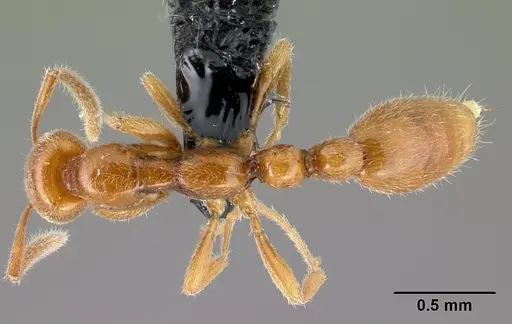
CASENT0172005
View on AntWeb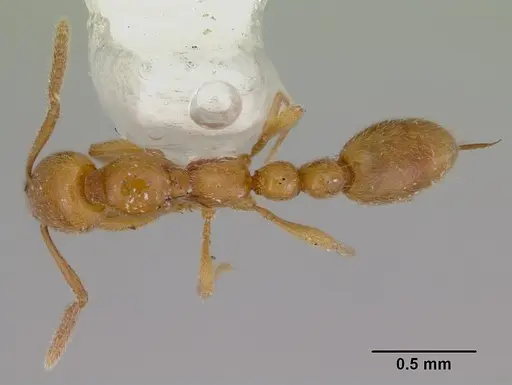
CASENT0842755
View on AntWeb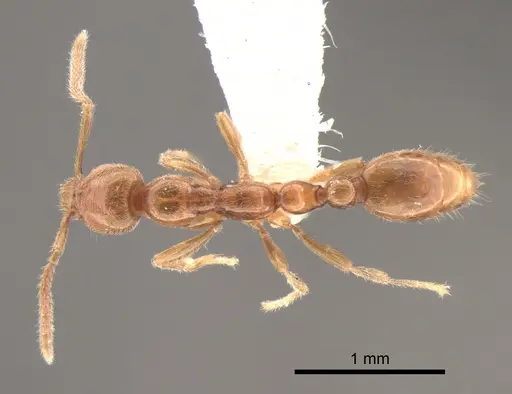
CASENT0842760
View on AntWeb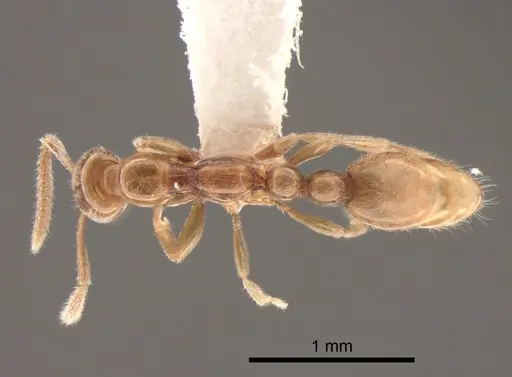
CASENT0902783
View on AntWeb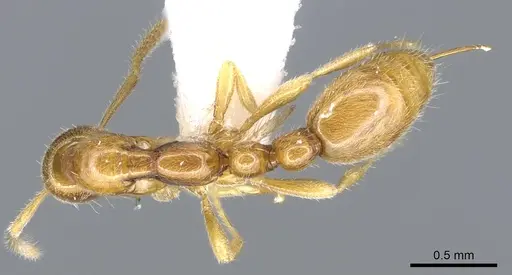
OKENT0027514
View on AntWeb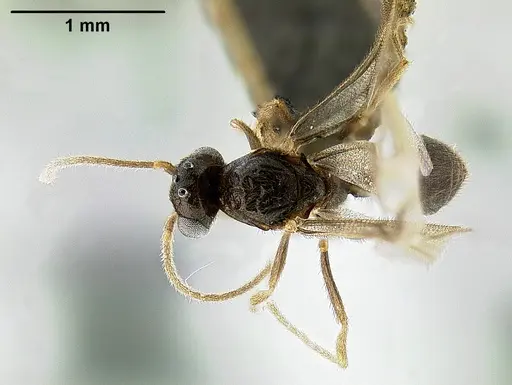
OKENT0035688
View on AntWeb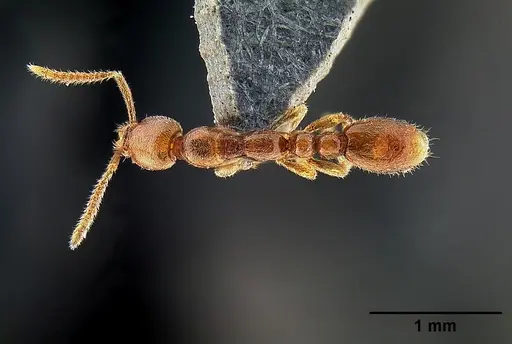
Literature
Loading...Loading products...