

Propodilobus pingorum
- Scientific Name
- Propodilobus pingorum
- Tribe
- Crematogastrini
- Subfamily
- Myrmicinae
- Author
- DuBois, 2000
- Distribution
- Found in 2 countries
Propodilobus pingorum Overview
Propodilobus pingorum is an ant species of the genus Propodilobus. It is primarily documented in 2 countries , including Brunei Darussalam, Malaysia. Detailed taxonomic data and occurrence records can be further explored via authoritative databases such as AntWeb or the Global Biodiversity Information Facility (GBIF).
Propodilobus pingorum
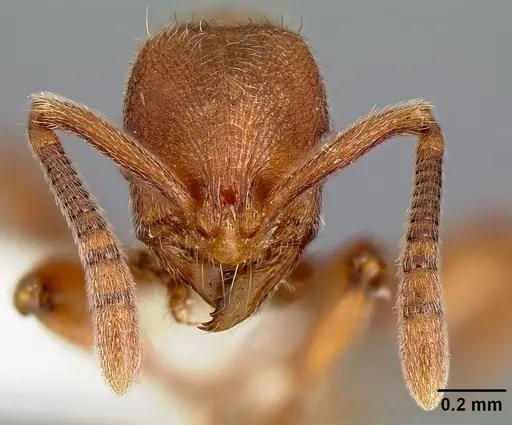
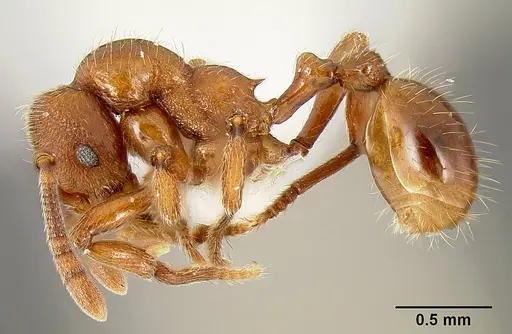
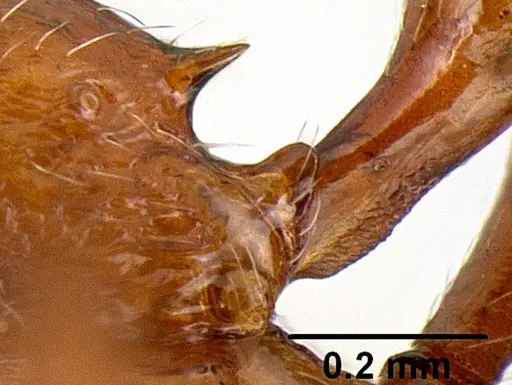
Propodilobus pingorum is an extremely rare miniature ant species known only from the rainforests of Borneo, Malaysia. Workers are tiny at approximately 2-3mm, with a distinctive appearance featuring a 12-segmented antenna ending in a 3-segmented club, elongate propodeal spines, and a broader-than-long postpetiole [1]. This species was originally described as Propodilobus orientale but was renamed when discovered to be a junior homonym, then moved to its own genus Propodilobus in 2009 due to unique morphological features that set it apart from Stenamma [2]. The genus Propodilobus forms a strongly supported clade with Lordomyrma and Ancyridris within the Myrmicinae subfamily [3].
What makes this species particularly challenging for antkeepers is that it is known almost exclusively from worker specimens collected via leaf litter extraction methods, no queens, males, or colony structures have ever been documented [1][4]. This means fundamental aspects of their biology including colony structure, founding behavior, and development remain completely unknown. They appear to be a litter-dwelling species, living in the decomposing leaf matter of Borneo's dipterocarp rainforests [4].
Quick Summary
- Difficulty: Expert
- Origin & Habitat: Borneo (Sarawak, Malaysia), specifically Semengoh Forest Reserve and Gunong Mulu National Park. They inhabit mixed dipterocarp rainforest, living in leaf litter and leaf mold within the forest floor layer [1][4].
- Colony Type: Unknown, only worker specimens have been collected, so colony structure (single queen vs multiple queens) has not been determined. Likely a small, litter-dwelling colony structure typical of related genera.
- Size & Growth:
- Queen: Unknown, queens have never been documented [1]
- Worker: Approximately 2-3mm (inferred from related Lordomyrma species which are similarly small)
- Colony: Unknown, likely small colonies of under 100 workers based on typical litter-ant patterns
- Growth: Unknown
- Development: Unknown, no development data exists for this species (No data available, related litter-dwelling Myrmicinae typically develop in 4-8 weeks at tropical temperatures)
- Antkeeping:
- Temperature: Unknown for this species. Based on their Bornean rainforest origin, they likely prefer warm, stable conditions in the low-to-mid 20s°C range. Start around 24-26°C and observe colony activity for guidance.
- Humidity: Likely requires high humidity consistent with rainforest leaf litter microhabitats. Keep the substrate consistently moist but not waterlogged, with some drier areas available for the ants to regulate their own conditions.
- Diapause: Unknown, Bornean rainforest ants may not enter true diapause but may show reduced activity during cooler or drier seasons.
- Nesting: In nature they live in leaf litter and rotting wood debris within the forest floor. In captivity, a naturalistic setup with moist substrate (coco fiber, peat, or soil mix) with plenty of hiding spaces and small passages would be most appropriate. Very small test tubes or acrylic nests with tight chambers may work for founding colonies.
- Behavior: Behavior is essentially unstudied. As a litter-dwelling ant related to Lordomyrma, they likely forage individually through the leaf litter layer, searching for small prey items and honeydew. They are probably docile and non-aggressive given their small size. Escape prevention is critical, at 2-3mm, they can squeeze through remarkably small gaps. Use fine mesh barriers and ensure all openings are sealed.
- Common Issues: This species is virtually unknown in captivity, no established husbandry protocols exist, Only workers have ever been found, meaning colony founding methods are completely unconfirmed, Their tiny size makes escape prevention challenging and requires excellent barriers, No information exists on their dietary needs or acceptance of common ant foods, Wild-caught colonies may be nearly impossible to obtain as they require specialized leaf litter extraction, Related species suggest they may be slow-growing and require significant patience
Why Propodilobus Pingorum Is an Expert-Only Species
Propodilobus pingorum represents one of the most poorly documented ant species in the hobby. This is not a species you can simply purchase and care for using established protocols, there simply are no protocols. The entire scientific knowledge of this species consists of fewer than 20 worker specimens collected between 1968 and 1978,and no specimens have been documented since [1][4]. This means everything about their care, from founding method to diet to temperature requirements, must be inferred from related genera like Lordomyrma and Stenamma, or discovered through experimental husbandry. For this reason, Propodilobus pingorum is suitable only for advanced antkeepers who have extensive experience with difficult, data-poor species and the patience to develop husbandry protocols through observation and experimentation. If you are looking for a challenging but manageable species, consider better-documented litter ants like Strumigenys or subtle species from established genera.
Natural History and Distribution
This species is endemic to the island of Borneo, specifically the Malaysian state of Sarawak. It is known from only two localities: Semengoh Forest Reserve near Kuching and Gunong Mulu National Park in the Fourth Division [1]. Both locations are in lowland mixed dipterocarp rainforest, the dominant forest type in Borneo. The specimens were collected using specialized extraction methods, Berlese funnels and Winkler samplers, which separate insects from leaf litter and soil samples [4]. This collection method tells us they are true leaf litter specialists, living within the decomposing organic matter on the forest floor rather than in above-ground nests or deeper soil. The fact that they have never been found in more than 50 years of subsequent ant research in Borneo suggests they are either extremely rare, very localized in their habitat preferences, or both.
Inferring Care from Related Species
Since no direct husbandry information exists for Propodilobus pingorum, we must look to related genera for guidance. Propodilobus is most closely related to Lordomyrma, and both were once classified within Stenamma before being separated [3][2]. Lordomyrma species are small, litter-dwelling ants found throughout the Australasian region. They typically form small colonies (often under 100 workers), nest in rotting wood fragments or within leaf litter, and are generalist predators feeding on small arthropods. Based on this relationship, Propodilobus pingorum likely has similar requirements: high humidity, small prey items, and a naturalistic setup with moist substrate. However, these are educated guesses rather than confirmed requirements, and keepers should be prepared to experiment with different conditions.
Housing and Nest Setup
Given their leaf litter habitat, a naturalistic setup is likely most appropriate. A shallow container filled with moist substrate (a mix of coco fiber, peat moss, and decaying leaf matter works well) provides the humidity and microhabitat they need. The substrate should be kept consistently moist but never waterlogged, standing water can drown small ants and promote harmful mold. A layer of dead leaves on top helps maintain humidity and provides foraging surfaces. Because they are so small, even standard test tube setups may be too large, consider using very small containers or custom acrylic nests with chambers scaled to their tiny size. Escape prevention is absolutely critical: at 2-3mm, these ants can slip through gaps that seem sealed. Use fine mesh (at least 0.5mm) on all ventilation holes and ensure lids fit tightly.
Feeding and Nutrition
The diet of Propodilobus pingorum is completely unconfirmed, but based on related litter-dwelling Myrmicinae, they are likely generalist predators and scavengers. In the wild, they probably hunt small springtails, mites, and other micro-arthropods living in the leaf litter layer. In captivity, you should offer small live prey items like springtails, fruit flies, and other tiny insects. Given their minute size, even standard ant foods like mealworm pieces may be too large. Sugar sources are unlikely to be significant in their diet, related Lordomyrma species show little interest in honey or sugar water. Offer protein foods consistently and remove any uneaten prey within 24-48 hours to prevent mold issues. Because their exact nutritional needs are unknown, experimentation may be necessary.
Frequently Asked Questions
Can I keep Propodilobus pingorum as a pet ant?
This species is essentially unavailable in the antkeeping hobby and is not recommended for any keeper. No established husbandry protocols exist, queens have never been documented, and even wild specimens are extremely rare. If you are interested in challenging ant species, consider better-documented litter ants like Strumigenys species or established Lordomyrma species instead.
How big do Propodilobus pingorum colonies get?
Unknown, colony size has never been documented. Based on related litter-dwelling ants like Lordomyrma, colonies likely remain small, probably under 100 workers. This is typical for leaf litter ant species that live in fragmented microhabitats.
What do Propodilobus pingorum eat?
Unconfirmed, but likely small live prey like springtails, mites, and other micro-arthropods found in leaf litter. They are probably generalist predators similar to related Lordomyrma species. Standard ant foods may be too large for their tiny size, experimental feeding with very small prey items would be necessary.
Do Propodilobus pingorum queens exist?
Queens have never been documented for this species. All known specimens are workers, collected between 1968 and 1978. This is one of the many fundamental gaps in our knowledge of this species, we do not know how they reproduce, found colonies, or even if they have ergatoid (worker-like) replacement reproductives.
What temperature should I keep Propodilobus pingorum at?
No specific data exists. As a Bornean rainforest species, they likely prefer warm, stable conditions in the low-to-mid 20s°C range. Start around 24-26°C and observe colony behavior, if workers seem sluggish, slightly warmer, if they avoid heated areas, slightly cooler. The key is consistency rather than exact temperature.
Are Propodilobus pingorum dangerous?
At 2-3mm, they pose no danger to humans. Their small size means they would be unable to sting or bite effectively even if they tried. However, their venom (if any) would be negligible due to their minute size.
Where can I find Propodilobus pingorum for sale?
This species is essentially unavailable in the antkeeping hobby. It has never been cultured in captivity, and wild colonies would require specialized leaf litter extraction methods to collect, even then, only a handful of workers have ever been found across more than 50 years of research. This is not a species you will find for sale from any breeder.
How do I set up a nest for Propodilobus pingorum?
A naturalistic setup with moist substrate is most appropriate. Use a shallow container with a substrate mix of coco fiber, peat, and decaying leaf matter. Keep it consistently moist but not waterlogged. Because of their tiny size, standard ant nests may be too large, very small containers or custom-scaled acrylic nests work better. Excellent escape prevention is essential.
Do Propodilobus pingorum need hibernation?
Unknown, Bornean rainforest ants may not enter true diapause, though they may show reduced activity during cooler or drier periods. There is no data on seasonal requirements for this species.
Is Propodilobus pingorum a good species for beginners?
Absolutely not. This is one of the least suitable species for any keeper, beginner or experienced. There is no care information, no established protocols, queens have never been documented, and the species may not even exist in captivity anywhere in the world. Even experienced antkeepers would struggle with this species due to the complete lack of baseline husbandry knowledge.
References

This caresheet is licensed under CC BY-SA 4.0 .
CASENT0171177
View on AntWeb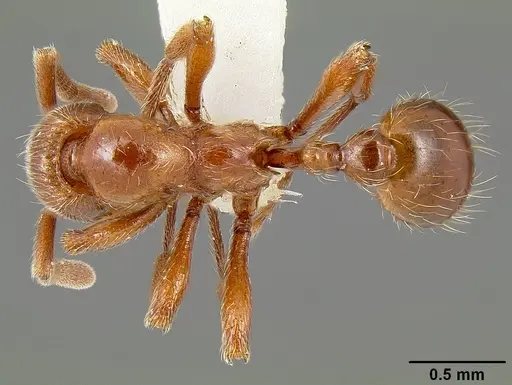
Literature
Loading...Loading products...