

Prolasius wheeleri
- Scientific Name
- Prolasius wheeleri
- Tribe
- Melophorini
- Subfamily
- Formicinae
- Author
- McAreavey, 1947
- Distribution
- Found in 1 countries
Prolasius wheeleri Overview
Prolasius wheeleri is an ant species of the genus Prolasius. It is primarily documented in 1 countries , including Australia. Detailed taxonomic data and occurrence records can be further explored via authoritative databases such as AntWeb or the Global Biodiversity Information Facility (GBIF).
Prolasius wheeleri
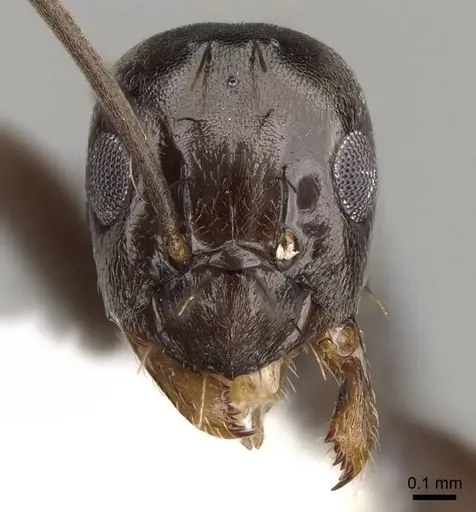
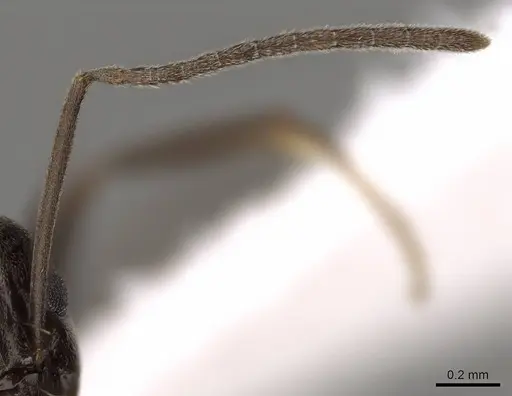
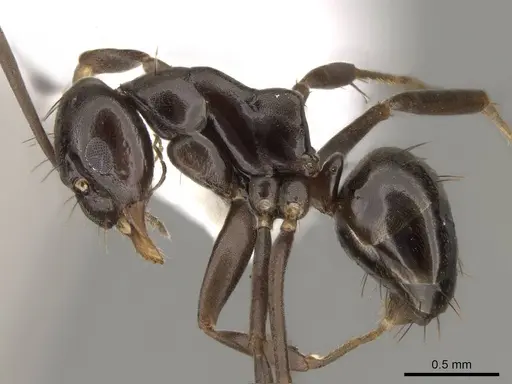
Prolasius wheeleri is a large, dull-colored ant native to southwestern Australia. Workers are medium-brown to blackish with a matte cuticle and distinctive stout hairs on the pronotum, and some populations also have hairs on the mesonotum. Coastal populations from white sand woodlands tend to be darker and hairier than those from the denser Darling Range forests. This species is part of the Melophorini tribe within the Formicinae subfamily. They are tree-dwelling ants, with workers commonly found foraging on Wandoo and Powderbark Wandoo tree trunks.
Quick Summary
- Difficulty: Unknown, limited data available
- Origin & Habitat: Western Australia, found in the Darling Range and Swan coastal plain, typically in coastal woodlands on white sand and taller forests [1]
- Colony Type: Unconfirmed colony structure, likely single-queen based on typical Formicinae patterns
- Size & Growth:
- Queen: Unknown, not documented in available literature
- Worker: Large medium [1], exact measurements not provided
- Colony: Unknown, no colony size data available
- Growth: Unknown
- Development: Unknown, no development data available for this species (Development timeline has not been studied. Related Formicinae species typically develop in 6-10 weeks at optimal temperatures.)
- Antkeeping:
- Temperature: Unknown, likely moderate temperatures matching southwestern Australian climate. Room temperature (18-24°C) is likely suitable as a starting point.
- Humidity: Unknown, the species inhabits coastal woodlands and forests, suggesting moderate humidity preferences. Provide a gradient with some damp areas.
- Diapause: Unknown, southwestern Australia has mild winters, but diapause requirements have not been studied for this species.
- Nesting: Arboreal/nesting in tree trunks, in captivity, provide vertical spaces or a formicarium with wood-themed materials. They likely prefer nesting in wood or under bark.
- Behavior: This is a poorly studied species with limited behavioral observations. Workers are active on tree trunks in their natural habitat. Likely generalist foragers typical of Formicinae. Escape risk assessment is unknown due to lack of size data.
- Common Issues: limited availability of wild-caught queens, this species is rarely collected, no established husbandry guidelines, keepers will be pioneers, exact temperature and humidity requirements unknown, requires experimentation, colony growth rate is unconfirmed, may be slow or fast, unknown, risk of overfeeding or wrong humidity due to lack of specific care data
Natural History and Distribution
Prolasius wheeleri is endemic to southwestern Western Australia, specifically the Darling Range and Swan coastal plain regions. The species shows some variation across its range: ants from coastal woodlands growing on white sand in the lower west coast and southwest districts tend to be darker and hairier than those collected in the thicker forests of the Darling Range. Workers have been collected from intercept traps on Wandoo and Powderbark Wandoo tree trunks at Dryandra, indicating this is a tree-dwelling or arboreal species that forages on tree bark. The species was originally described by McAreavey in 1947,with Prolasius reticulatus being recognized as a junior synonym [1].
Housing and Nesting
In captivity, this species will likely do well in a formicarium that accommodates their arboreal nature. Since they are found on tree trunks in the wild, consider setups with vertical spaces, wood-themed materials, or cork bark. A Y-tong (AAC) nest or plaster nest with some wood elements would be appropriate. Since specific humidity requirements are unknown, provide a moisture gradient, some damp areas and some drier areas, allowing the colony to self-regulate. Ensure excellent escape prevention as exact worker size is not documented but they are described as 'large medium' ants.
Feeding and Diet
As a Formicinae species, Prolasius wheeleri is likely a generalist omnivore. Feed a varied diet including sugar sources (honey water, sugar water) and protein (insects, mealworms, crickets). In the wild, workers forage on tree trunks, likely collecting honeydew from aphids or scale insects and hunting small invertebrates. Start with standard ant husbandry offerings and observe what the colony accepts. Fresh water should always be available.
Temperature and Seasonal Care
Specific temperature requirements are not documented for this species. They originate from southwestern Australia, which has a Mediterranean climate with mild winters and warm summers. Room temperature (18-24°C) is likely suitable as a starting point. Observe colony behavior, if workers are active and foraging, the temperature is likely acceptable. Whether they require a winter diapause period is unknown. The mild climate of their native range suggests they may not need strict hibernation, but cooler temperatures during winter months may be beneficial.
Frequently Asked Questions
How long does it take for Prolasius wheeleri to go from egg to worker?
The development timeline for this species has not been studied. Based on related Formicinae species, expect approximately 6-10 weeks from egg to first worker at optimal temperatures.
What do Prolasius wheeleri ants eat?
They are likely generalist omnivores typical of the Formicinae subfamily. Offer sugar water or honey regularly, along with protein sources like small insects, mealworms, or crickets.
Are Prolasius wheeleri ants good for beginners?
This species is not recommended for beginners due to limited available care information. There are no established husbandry guidelines, making it a species for experienced antkeepers who enjoy experimentation.
What is the best nest type for Prolasius wheeleri?
Since they are arboreal ants found on tree trunks, a formicarium with vertical spaces or wood-themed materials would be most appropriate. A Y-tong (AAC) nest or plaster nest with cork bark elements would be suitable.
How big do Prolasius wheeleri colonies get?
Maximum colony size is unknown. They are described as a large medium species, but colony development data has not been documented.
Do Prolasius wheeleri queens need to forage during founding?
Founding behavior has not been documented. Based on their placement in Formicinae subfamily, they are likely claustral, the queen seals herself in and lives off stored fat reserves until first workers emerge.
Where is Prolasius wheeleri found in the wild?
This species is endemic to southwestern Western Australia, specifically the Darling Range and Swan coastal plain regions.
What temperature should I keep Prolasius wheeleri at?
Specific requirements are unknown. Start with room temperature (18-24°C) and adjust based on colony activity. They originate from southwestern Australia which has a Mediterranean climate.
Can I keep multiple Prolasius wheeleri queens together?
Colony structure is unconfirmed. Unless you observe them naturally forming multi-queen colonies in the wild, it is not recommended to house unrelated queens together.
References

This caresheet is licensed under CC BY-SA 4.0 .
CASENT0172167
View on AntWeb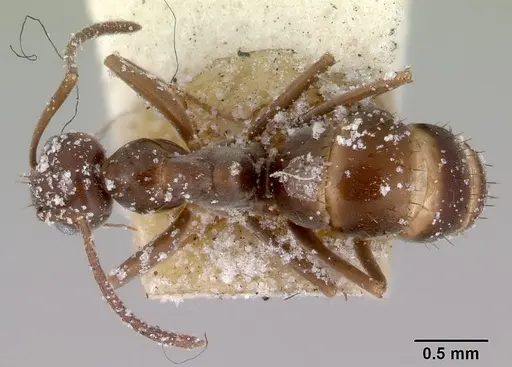
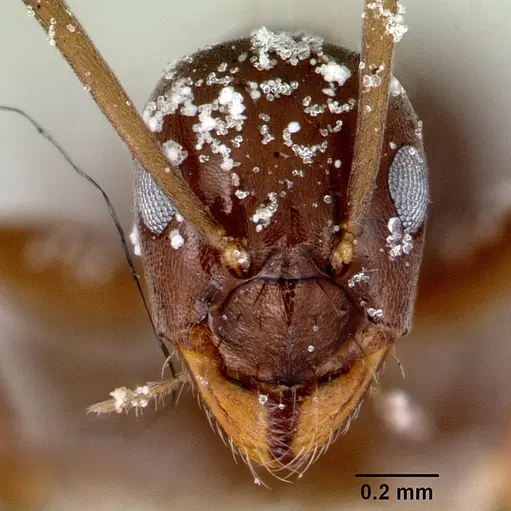
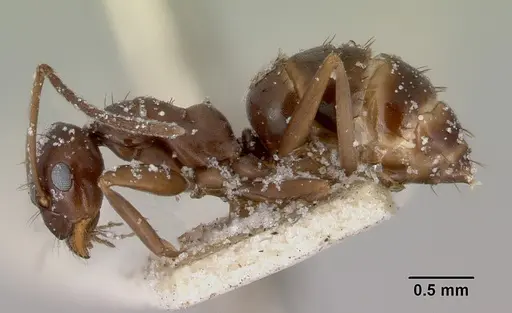
CASENT0281473
View on AntWeb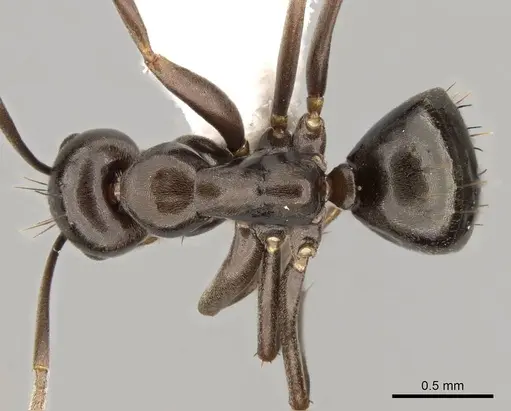
Literature
Loading...Loading products...