

Prolasius pallidus
- Scientific Name
- Prolasius pallidus
- Tribe
- Melophorini
- Subfamily
- Formicinae
- Author
- Clark, 1934
- Distribution
- Found in 1 countries
Prolasius pallidus Overview
Prolasius pallidus is an ant species of the genus Prolasius. It is primarily documented in 1 countries , including Australia. Detailed taxonomic data and occurrence records can be further explored via authoritative databases such as AntWeb or the Global Biodiversity Information Facility (GBIF).
Prolasius pallidus
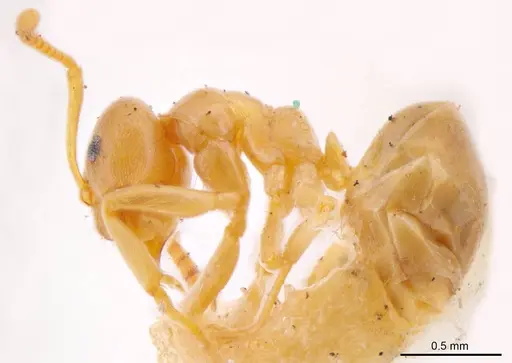
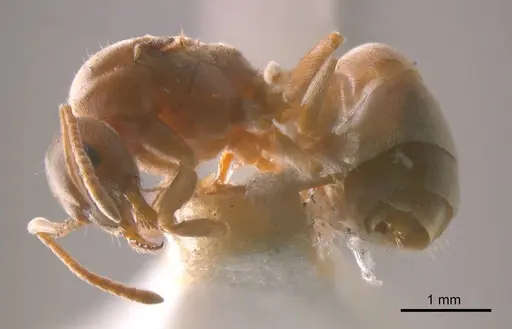
Prolasius pallidus is a small to medium-sized ant native to Australia, belonging to the subfamily Formicinae and tribe Melophorini. Workers are yellowish in color, typically measuring around 4-6mm, with queens being larger. This species is found across Australia, particularly in eastern regions including eastern Melbourne. As a seed harvester ant, it plays an important role in forest ecosystems by collecting and storing seeds. The genus Prolasius is closely related to Melophorus, a group known for their heat tolerance and adaptation to Australian conditions.
Quick Summary
- Difficulty: Medium
- Origin & Habitat: Eastern Australia, particularly documented in eastern Melbourne and surrounding Eucalyptus regnans forests. This species thrives in forest environments and has been observed increasing in abundance following high-intensity wildfires [1].
- Colony Type: Colony structure is not well documented in scientific literature. Based on typical Melophorini patterns, colonies are likely monogyne (single queen) but this remains unconfirmed.
- Size & Growth:
- Queen: Likely 7-9mm based on genus patterns, estimated
- Worker: Approximately 4-6mm [2]
- Colony: Unknown, likely moderate sized colonies typical of harvesters
- Growth: Moderate, estimated based on related Melophorus species
- Development: Estimated 6-10 weeks based on typical Formicinae development at warm temperatures, unconfirmed (Development timeline is not directly studied for this species. Related Melophorini species typically develop faster in warm conditions.)
- Antkeeping:
- Temperature: Warm conditions preferred, aim for 22-28°C based on Australian forest habitat and related Melophorus species. Provide a temperature gradient allowing workers to self-regulate.
- Humidity: Moderate humidity, they prefer drier conditions compared to tropical ants. Allow substrate to dry out partially between waterings. Forest-dwelling but not rainforest species.
- Diapause: Likely requires a mild winter rest period (diapause) given their Australian temperate distribution. Reduce temperature to 10-15°C for 2-3 months during winter.
- Nesting: Natural nesting involves underground chambers. In captivity, a dry test tube setup or Y-tong nest works well. Provide sand or soil substrate for seed storage behavior.
- Behavior: Generally peaceful and non-aggressive compared to many Formicinae. Workers are active foragers, primarily harvesting seeds but also collecting honeydew and small insects. As Formicinae, they defend with formic acid spray rather than a stinger. Escape risk is moderate, standard barrier precautions recommended.
- Common Issues: Limited availability, this Australian species is rarely available in the antkeeping hobby, Seed storage behavior can lead to mold if substrate stays too wet, Winter dormancy requirements are not fully understood, may cause colony issues if not provided appropriate rest period, Warm temperature needs may be challenging to maintain year-round in cooler climates, Colony growth may be slow, patience required during founding phase
Housing and Nest Setup
Prolasius pallidus does well in standard antkeeping setups. For founding colonies, a test tube setup works well, the queen seals herself in a dark chamber and workers eventually expand to the water reservoir. Once the colony reaches 20-30 workers, you can transition to a small formicarium. Y-tong (AAC) nests or plaster nests work nicely for this species. They prefer drier conditions than many ants, so avoid overly humid setups. A small outworld for foraging allows workers to collect seeds and explore. Ensure escape prevention is adequate, while not tiny, they can squeeze through small gaps.
Feeding and Diet
As a seed harvester ant, Prolasius pallidus collects and stores seeds in their nest. In captivity, offer a variety of small seeds appropriate to their size, millet, grass seeds, and birdseed work well. They also readily accept sugar water, honey, or diluted syrup as an energy source. Protein is important for colony growth: offer small insects like fruit flies, small mealworms, or cricket pieces. Observe your colony's preferences, some colonies favor seeds while others prefer liquid sugars. Remove uneaten seeds periodically to prevent mold issues. [1]
Temperature and Seasonal Care
This Australian species prefers warm conditions. Maintain temperatures between 24-28°C during the active season for optimal brood development. A heating cable on one side of the nest creates a gradient that workers will use to regulate their temperature. During Australian winter (roughly June-August in the southern hemisphere), reduce temperatures to 10-15°C to simulate their natural dormancy period. This winter rest appears important for colony health, colonies in their native range experience cooler winters in eastern Australia. Monitor your colony's activity levels and adjust temperature accordingly. [1]
Behavior and Defense
Prolasius pallidus workers are yellowish and relatively small, active foragers both day and night. They are not particularly aggressive and typically flee from threats rather than engage. Like all Formicinae ants, they defend by spraying formic acid, a chemical irritant that can cause discomfort if sprayed in eyes but poses minimal danger to humans. Workers communicate through chemical trails and can recruit nestmates to food sources. Their seed-harvesting behavior is fascinating to observe, workers carry seeds back to the nest for storage and consumption. [2]
Colony Development
Little is specifically documented about the founding behavior of Prolasius pallidus, but based on related species in Melophorini, the queen likely seals herself in a claustral chamber after mating. She relies on stored fat reserves to survive and produce the first workers (nanitics) without foraging. The founding chamber is typically small and dark. First workers are often smaller than mature workers but quickly expand the colony as they mature. Growth rate is moderate, expect 6-12 months from founding to a colony of 50+ workers under good conditions.
Frequently Asked Questions
How long does it take for Prolasius pallidus to get first workers?
The exact timeline is unconfirmed for this species, but based on related Melophorini ants, expect 6-10 weeks from egg to first worker at optimal warm temperatures (around 26°C). The queen will remain sealed in her chamber until nanitics emerge.
What do Prolasius pallidus ants eat?
They are seed harvesters, so they collect and store seeds (millet, grass seeds, small birdseed). They also need sugar sources (honey water, sugar water) and protein (small insects like fruit flies, mealworms). Offer a varied diet to see what they prefer.
Can I keep Prolasius pallidus in a test tube?
Yes, test tubes work well for founding colonies. Use a standard test tube setup with a water reservoir and cotton plug. Once the colony reaches 20-30 workers, consider moving to a small formicarium or Y-tong nest.
Do Prolasius pallidus need hibernation?
Based on their Australian distribution, they likely benefit from a mild winter rest period. Reduce temperatures to 10-15°C for 2-3 months during winter. This simulates their natural seasonal cycle in eastern Australia.
Are Prolasius pallidus good for beginners?
This species is rated as medium difficulty. They are less aggressive than many ants and don't require extreme humidity. However, they are rarely available in the antkeeping hobby, and their specific temperature and seasonal needs require attention. Not the best choice for complete beginners, but manageable for those with some experience.
How big do Prolasius pallidus colonies get?
Colony size is not well documented, but seed harvester ants typically form moderate-sized colonies. Expect perhaps 100-500 workers at maturity, though this is an estimate based on related species.
Why are my Prolasius pallidus dying?
Common causes include: temperatures too cold (they need warmth), excessive humidity (they prefer drier conditions), mold from uneaten seeds, or lack of protein in their diet. Check that your setup matches their preference for warm, relatively dry conditions with adequate food variety.
When should I move Prolasius pallidus to a formicarium?
Move from test tube to formicarium when the colony reaches roughly 20-30 workers and the test tube setup becomes crowded. Ensure the new nest provides appropriate dryness and a foraging area.
Can I keep multiple Prolasius pallidus queens together?
This is not recommended. Combining unrelated queens of this species has not been documented and would likely result in aggression. Single-queen colonies are recommended based on typical Melophorini colony structure.
References

This caresheet is licensed under CC BY-SA 4.0 .
ANTWEB1008272
View on AntWeb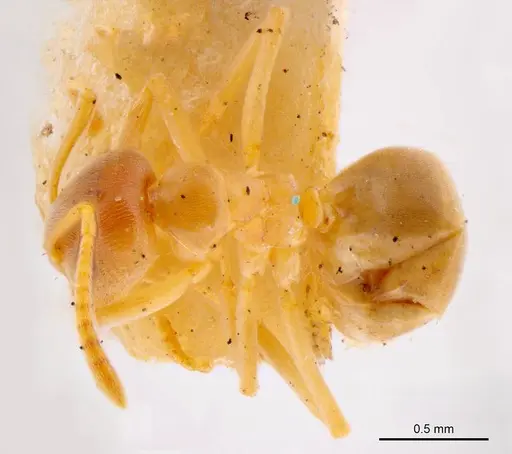
ANTWEB1008276
View on AntWeb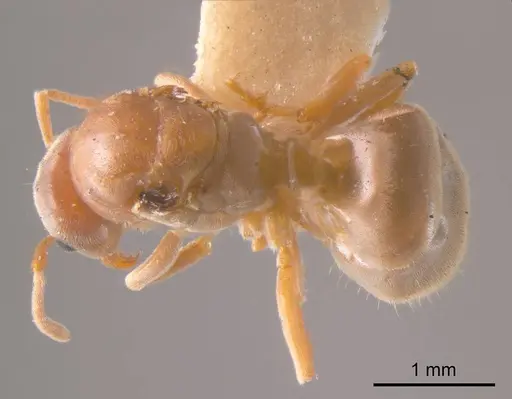
Literature
Loading...Loading products...