

Prolasius antennatus
- Scientific Name
- Prolasius antennatus
- Tribe
- Melophorini
- Subfamily
- Formicinae
- Author
- McAreavey, 1947
- Distribution
- Found in 1 countries
Prolasius antennatus Overview
Prolasius antennatus is an ant species of the genus Prolasius. It is primarily documented in 1 countries , including Australia. Detailed taxonomic data and occurrence records can be further explored via authoritative databases such as AntWeb or the Global Biodiversity Information Facility (GBIF).
Prolasius antennatus
Prolasius antennatus is a small to medium-sized brown ant native to Western Australia, specifically the Perth metropolitan area and the Darling Range region. These ants are characterized by their relatively long, downy pubescence (fine hairs) and 15 or more erect setae (stiff hairs) on the mesosoma (the middle body section). Workers are typically brown with a somewhat fuzzy appearance due to the dense pubescence. This species belongs to the Formicinae subfamily and Melophorini tribe, which includes various Australian ants adapted to warm, often drier conditions. In their natural habitat of wooded parkland and urban areas, they nest in soil or under stones and are frequently encountered foraging on the ground surface.
Quick Summary
- Difficulty: Unknown, this species has not been widely kept in captivity and has very limited documentation in scientific literature
- Origin & Habitat: Western Australia, specifically the Perth metropolitan area and central Darling Range. They inhabit wooded parkland and urban environments [1][2]
- Colony Type: Colony structure is unconfirmed. Based on typical Melophorini patterns, likely single-queen colonies but this requires confirmation.
- Size & Growth:
- Queen: Estimated 6-8mm based on genus-level patterns for Prolasius species
- Worker: Estimated 3-5mm based on genus-level patterns [1]
- Colony: Unknown, no colony size data available
- Growth: Unknown, no development data available
- Development: Estimated 6-10 weeks based on typical Formicinae development at warm temperatures (No direct species-specific data available. Estimate based on related Melophorini and Formicinae patterns.)
- Antkeeping:
- Temperature: Keep at 22-28°C. Based on their Australian distribution in temperate Western Australia, they likely prefer warm conditions with some variation. A heating cable on one side of the nest creates a useful gradient.
- Humidity: Moderate humidity around 50-70%. These ants come from a Mediterranean climate with dry summers, so avoid overly damp conditions. Keep the nest substrate lightly moist but allow it to dry partially between waterings.
- Diapause: Likely required. Western Australia experiences cool, wet winters when ant activity naturally decreases. Provide a winter rest period of 8-12 weeks at 10-15°C.
- Nesting: Based on their natural habitat in wooded parkland, they likely nest in soil or under stones in captivity. A Y-tong (AAC) nest or plaster nest with moderate humidity works well. Provide a test tube setup for founding colonies.
- Behavior: Behavior is not well documented. Based on genus-level observations, these ants are likely moderate foragers that search for sugar sources and small prey. They are probably not aggressive but may defend their nest if threatened. Escape prevention should be adequate for their size, use standard mesh barriers. Their small size means escapes are possible through small gaps.
- Common Issues: Very limited species-specific information makes care recommendations uncertain, No documented founding behavior, may be claustral but this is unconfirmed, Colony size and growth rate are unknown, making it difficult to plan for expansion, Winter diapause requirements are inferred, not directly studied, This species is rarely kept in captivity, so experienced keeper advice is limited
Natural History and Distribution
Prolasius antennatus is endemic to Western Australia, where it is most frequently encountered in the Perth metropolitan area and the central parts of the Darling Range [1]. This species prefers wooded parkland habitats, which suggests they thrive in areas with some tree cover and ground vegetation. The Perth region has a Mediterranean climate with hot, dry summers and mild, wet winters. This climate pattern suggests these ants are adapted to warm, relatively dry conditions during their active season and likely become less active during the cooler winter months. The species was described by McAreavey in 1947,and while it is recognized as part of the Australian ant fauna, it has received limited scientific attention compared to more widely studied species.
Appearance and Identification
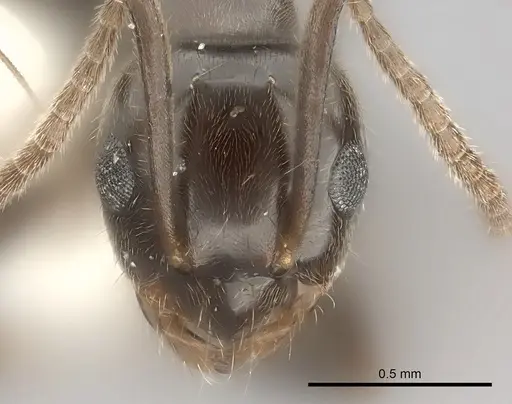
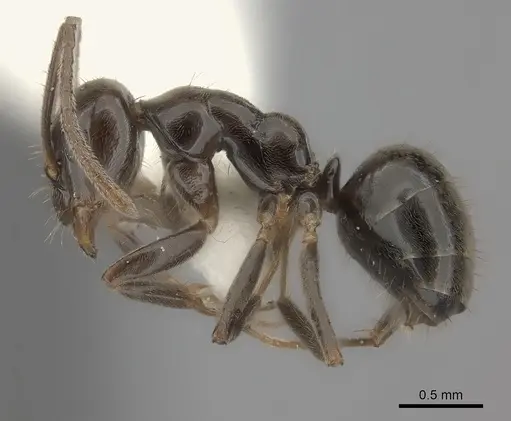
Prolasius antennatus is described as a brown ant with several distinctive physical characteristics. The most notable feature is the relatively long, downy pubescence that gives the ant a somewhat fuzzy or fuzzy-coated appearance. Additionally, they possess 15 or more erect setae (stiff, standing hairs) on the mesosoma, which is the middle section of the ant's body between the head and abdomen. This combination of pubescence and erect setae helps distinguish them from other small brown ants in the region. Workers are estimated to be in the 3-5mm range based on genus-level patterns, though exact measurements for this species have not been documented in available literature. [1][2]
Housing and Nesting
In captivity, these ants would likely do well in a Y-tong (acrylic and cotton) nest or a plaster formicarium, which allow for easy observation and humidity control. Based on their natural habitat in wooded parkland, they probably prefer nesting in soil or under stones in the wild. For founding colonies, a standard test tube setup works well, fill it with water reservoir and cotton, then place the queen in the tube. The tube should be kept in darkness and undisturbed until workers emerge. Once the colony reaches 15-20 workers, you can consider moving them to a larger formicarium with a foraging area. Ensure the nest has some vertical space and chambers scaled to their size.
Feeding and Diet
Based on typical Melophorini and Formicinae feeding patterns, Prolasius antennatus likely has an omnivorous diet. They probably consume honeydew from aphids and scale insects, as well as small insects and other protein sources. In captivity, offer a mix of sugar water or honey as a constant energy source, and protein foods such as small crickets, mealworms, or fruit flies. Feed protein sources 2-3 times per week, and remove any uneaten prey after 24 hours to prevent mold. Fresh water should always be available. Since this species has not been widely kept, monitor their acceptance of different foods and adjust accordingly.
Temperature and Seasonal Care
Based on their Western Australian distribution in a temperate climate, these ants likely prefer warm conditions during their active season. Maintain nest temperatures between 22-28°C, with a slight gradient allowing workers to choose their preferred temperature. During the Australian winter (roughly June-August in the Southern Hemisphere), reduce temperatures to 10-15°C for an 8-12 week diapause period. This mimics their natural seasonal cycle and helps maintain colony health. If you cannot provide natural seasonal temperature changes, a refrigerator-based hibernation during winter months is recommended. Do not feed the colony during diapause.
Frequently Asked Questions
How long does it take for Prolasius antennatus to produce first workers?
The egg-to-worker timeline is not directly documented for this species. Based on typical Formicinae development patterns, estimate 6-10 weeks from egg to first worker at optimal temperatures (around 25°C). This is an educated guess rather than confirmed data.
What do Prolasius antennatus ants eat?
They likely have an omnivorous diet similar to other Melophorini ants. Offer sugar water or honey as a constant energy source, and protein foods such as small crickets, mealworms, or fruit flies 2-3 times per week. They probably also collect honeydew from aphids if available.
What temperature should I keep Prolasius antennatus at?
Maintain nest temperatures between 22-28°C. A heating cable on one side of the nest creates a gradient that allows workers to regulate their own temperature. This is based on their temperate Australian distribution.
Do Prolasius antennatus need hibernation?
Likely yes. Based on their Western Australian distribution with distinct seasons, they probably require a winter rest period. Provide 8-12 weeks at 10-15°C during winter (roughly November to February in the Southern Hemisphere, or adjust to match your local winter).
How big do Prolasius antennatus colonies get?
Colony size is not documented in available literature. Based on typical Melophorini patterns, colonies likely reach several hundred workers at maximum, but this is an estimate.
Can I keep multiple Prolasius antennatus queens together?
Colony structure (monogyne vs polygyne) has not been documented for this species. Until more information is available, it is not recommended to keep multiple unrelated queens together, as they may fight.
Is Prolasius antennatus a good species for beginners?
This species is not recommended for beginners due to very limited documentation and care information. More commonly kept Australian ants like Iridomyrmex or some Melophorus species have more established care guidelines. If you do keep this species, be prepared to experiment and document your observations carefully.
What type of nest is best for Prolasius antennatus?
A Y-tong (AAC) nest or plaster formicarium works well for established colonies. For founding colonies, use a standard test tube setup with a water reservoir. The nest should allow for humidity control and have chambers scaled to their small size.
References

This caresheet is licensed under CC BY-SA 4.0 .
CASENT0217811
View on AntWeb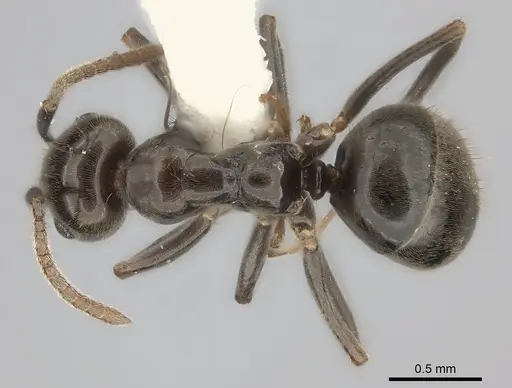
Literature
Loading...Loading products...