

Proformica pilosiscapa
- Scientific Name
- Proformica pilosiscapa
- Tribe
- Formicini
- Subfamily
- Formicinae
- Author
- Dlussky, 1969
- Distribution
- Found in 1 countries
Proformica pilosiscapa Overview
Proformica pilosiscapa is an ant species of the genus Proformica. It is primarily documented in 1 countries , including Türkiye. Detailed taxonomic data and occurrence records can be further explored via authoritative databases such as AntWeb or the Global Biodiversity Information Facility (GBIF).
Proformica pilosiscapa
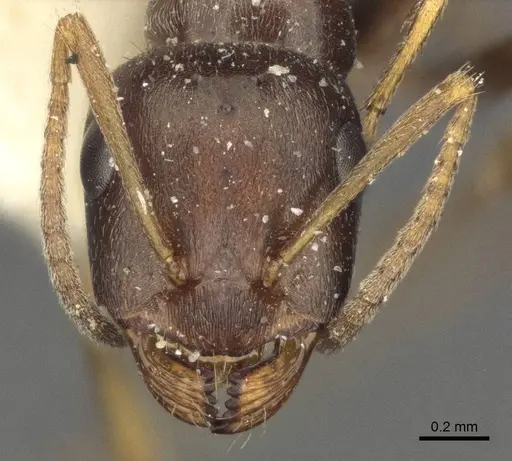
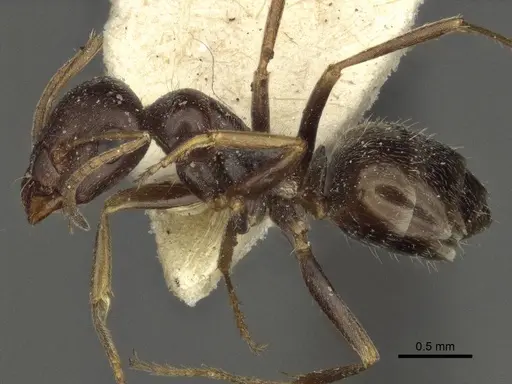
Proformica pilosiscapa is a small to medium-sized ant belonging to the Formicinae subfamily. Workers are typically dark in coloration, though exact measurements are not well documented in available literature. This species is found across the Palaearctic region, including Armenia (the type locality), Azerbaijan, Bulgaria, Georgia, Iran, and Turkey [1]. The species was originally described by Dlussky in 1969 and was briefly considered a junior synonym of Proformica caucasea before being revived as a valid species in 1992 [2]. These ants are known for their mutualistic relationship with aphids, particularly Brachycaudus amygdalinus, which they tend for honeydew [3]. The genus Proformica consists of relatively small ants that typically form moderate-sized colonies in natural habitats.
Quick Summary
- Difficulty: Medium
- Origin & Habitat: Palaearctic region spanning from the Balkans through the Caucasus to Central Asia. Found in Armenia (type locality), Azerbaijan, Bulgaria, China, Georgia, Iran, and Turkey. In Iran, they have been recorded at elevations around 1100-1300m in the East Azarbaijan Province, particularly in pasture and rocky areas [4]. The species appears to prefer temperate habitats with moderate vegetation where aphid populations are available.
- Colony Type: Colony structure is not well documented in available literature. Based on typical Proformica genus patterns, colonies are likely monogyne (single queen) with moderate worker populations. No documented ergatoid replacement reproductives have been reported for this species.
- Colony: Monogyne
- Founding: Claustral
- Size & Growth:
- Queen: Estimated 6-8mm based on genus Proformica typical measurements [5]
- Worker: Estimated 3-5mm based on genus Proformica typical measurements [5]
- Colony: Likely several hundred workers based on related Proformica species [5]
- Growth: Moderate, estimated based on similar Formicine ants
- Development: Estimated 6-10 weeks at optimal temperature based on related Formicine species [5] (Development time is estimated, specific data for this species is not available. Similar Formicine ants typically take 6-10 weeks from egg to worker at room temperature.)
- Antkeeping:
- Temperature: Keep at room temperature, roughly 20-24°C. These are temperate-adapted ants that can tolerate cooler conditions but prefer moderate warmth. A slight gradient allowing workers to choose their preferred temperature is ideal [5].
- Humidity: Moderate humidity is appropriate. Keep the nest substrate slightly moist but not waterlogged. These ants are not extreme moisture requirements like some tropical species. A damp substrate that doesn't dry out completely works well [5].
- Diapause: Yes, as a temperate species, they require a winter dormancy period. Reduce temperature to around 10-15°C for 2-3 months during winter, mimicking natural seasonal cycles. Reduce feeding and keep them in a cool, stable location during this period [5].
- Nesting: In nature, Proformica species typically nest in soil under stones or in decaying wood. In captivity, a naturalistic setup with a dirt/gravel mixture works well, or a Y-tong/plaster nest with moderate chamber sizes. Provide a shallow water tube and keep the nest moderately humid [5].
- Behavior: Workers are active foragers that tend aphids for honeydew, making them part of the 'honeydew ant' group within Formicinae. They are not particularly aggressive but will defend their colony and aphid colonies. Workers are moderate in size and can climb smooth surfaces, though escape prevention is still important. They are diurnal foragers, actively searching for honeydew and small prey during daylight hours. The colony will establish and maintain aphid 'farms' if given access to suitable plants [3].
- Common Issues: Limited documentation means specific care requirements are estimated, monitor your colony closely and adjust conditions based on behavior, As temperate ants, incorrect hibernation (too warm or too short) can weaken or kill colonies over time, Aphid availability is important, without honeydew sources, they may struggle, consider offering sugar water or honey as alternatives, Wild-caught colonies may carry parasites, quarantine and observe new colonies carefully, Small colony size initially means they are vulnerable to disturbance, minimize disruption during founding
Housing and Nest Setup
Proformica pilosiscapa can be housed in various setups that provide appropriate humidity and shelter. A naturalistic setup with a soil substrate and flat stones or pieces of bark works well, mimicking their natural nesting under stones. Alternatively, a Y-tong (acrylic) nest or plaster nest with narrow chambers scaled to their size works effectively. The nest should have a water reservoir to maintain moderate humidity, these ants prefer damp but not wet conditions. A small outworld for foraging allows workers to search for food. Ensure all connections are secure, as workers can squeeze through small gaps. Test tube setups can work for founding colonies, but transfer to a more spacious formicarium as the colony grows beyond 20-30 workers. [5]
Feeding and Diet
These ants are opportunistic feeders with a strong preference for honeydew. In captivity, offer sugar water, honey water, or commercial ant nectar as a constant carbohydrate source. For protein, provide small insects such as fruit flies, small crickets, or mealworm pieces. They will also accept other protein sources like bloodworms or small pieces of meat. Since they are known to tend aphids in the wild, providing access to a small aphid colony on a suitable plant can enrich their environment and provide natural honeydew. Feed protein 2-3 times per week and keep sugar water available at all times. Remove uneaten prey after 24-48 hours to prevent mold. [3][5]
Temperature and Seasonal Care
Proformica pilosiscapa is a temperate species requiring distinct seasonal care. Keep the colony at room temperature (20-24°C) during the active season. They can tolerate slightly cooler temperatures but avoid extremes. During winter, provide a diapause period of 2-3 months at 10-15°C. This can be achieved by moving the colony to a cool basement, garage, or refrigerator (not freezer). Reduce feeding during diapause to once every 2-3 weeks and keep the substrate slightly moist but not wet. Do not feed during deep hibernation. Resume normal care gradually in spring as temperatures rise. Proper hibernation is essential for colony health and longevity. [5]
Behavior and Colony Dynamics
Workers of Proformica pilosiscapa are active foragers that establish mutualistic relationships with aphids. In captivity, you may observe workers tending any aphids present and collecting honeydew. Colonies are not particularly aggressive but will defend against threats. The colony will grow from a founding queen through nanitic workers (first workers, typically smaller) to full-sized workers over several months. Workers have moderate climbing ability and may escape through small gaps. Use fluon or other barriers on smooth surfaces. Colony growth is moderate, expect 6-12 months to reach 50+ workers under good conditions. Mating flights likely occur in late summer or early fall, though specific timing for this species is not documented. [5]
Frequently Asked Questions
How long does it take for Proformica pilosiscapa to produce first workers?
Based on related Formicine species, expect 6-10 weeks from egg to first worker at room temperature (20-24°C). The first workers (nanitics) are typically smaller than mature workers. Patience is key during the founding stage, do not disturb the queen or open the nest unnecessarily.
Do Proformica pilosiscapa ants need hibernation?
Yes, as a temperate species they require a winter dormancy period. Reduce temperature to 10-15°C for 2-3 months during winter. This mimics their natural seasonal cycle and is essential for colony health. Without proper hibernation, colonies may become stressed and have reduced longevity.
What do Proformica pilosiscapa eat?
They are omnivorous with a preference for honeydew. Offer sugar water, honey water, or commercial ant nectar as a constant carbohydrate source. For protein, provide small insects like fruit flies, small crickets, or mealworm pieces. They will also accept other protein sources and may tend aphids if given access to plants.
Are Proformica pilosiscapa good for beginners?
This species is rated as medium difficulty. While not the most challenging ant, the limited documented care information means you should have some basic antkeeping experience. They require proper hibernation and have specific dietary needs. Beginners should be prepared to research and adjust care based on colony behavior.
How big do Proformica pilosiscapa colonies get?
Based on related Proformica species, colonies likely reach several hundred workers at maturity. Growth is moderate, expect several months to a year to reach moderate size. Maximum colony size is not well documented for this specific species.
Can I keep multiple Proformica pilosiscapa queens together?
Colony structure is not well documented for this species. Based on typical Proformica patterns, they are likely monogyne (single queen). Combining unrelated queens is not recommended as they may fight. If you capture a queen during nuptial flights, house her alone until she establishes a colony.
When should I move my colony to a formicarium?
Start with a test tube setup for the founding stage. Once the colony reaches 20-30 workers and you see active foraging, you can transfer to a formicarium with a suitable nest chamber size. Ensure the new setup has appropriate humidity and a small outworld for foraging.
Why is my Proformica pilosiscapa colony declining?
Common causes include improper hibernation (too warm, too short, or no hibernation), low humidity, insufficient food (especially protein or sugar), or stress from disturbance. Check that temperatures are appropriate, the substrate is moist but not waterlogged, and the colony has constant access to sugar and regular protein. Also ensure they are not being disturbed too frequently.
Where is Proformica pilosiscapa found in the wild?
This species is found across the Palaearctic region including Armenia (type locality), Azerbaijan, Bulgaria, Georgia, Iran, and Turkey. They inhabit temperate areas with moderate elevation, typically in pasture and rocky areas. In Iran, they have been found at elevations around 1100-1300m.
References

This caresheet is licensed under CC BY-SA 4.0 .
CASENT0916586
View on AntWeb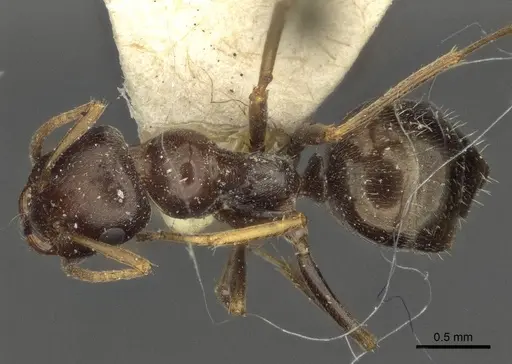
Literature
Loading...Loading products...