

Proformica mongolica
- Scientific Name
- Proformica mongolica
- Tribe
- Formicini
- Subfamily
- Formicinae
- Author
- Emery, 1901
- Distribution
- Found in 2 countries
Proformica mongolica Overview
Proformica mongolica is an ant species of the genus Proformica. It is primarily documented in 2 countries , including Kyrgyzstan, Mongolia. Detailed taxonomic data and occurrence records can be further explored via authoritative databases such as AntWeb or the Global Biodiversity Information Facility (GBIF).
Proformica mongolica
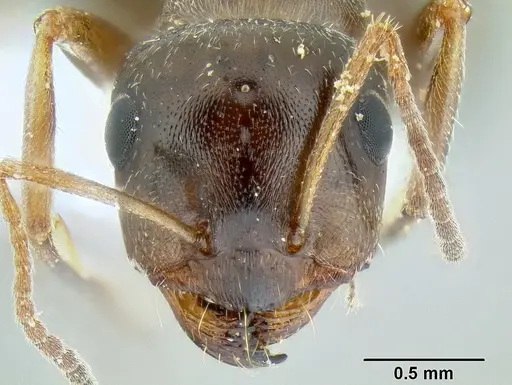
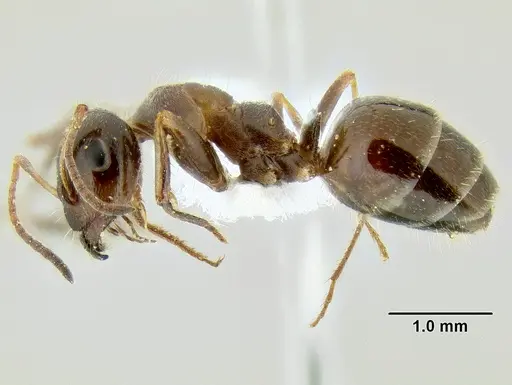
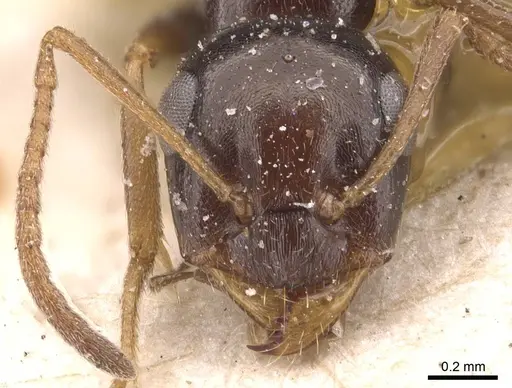
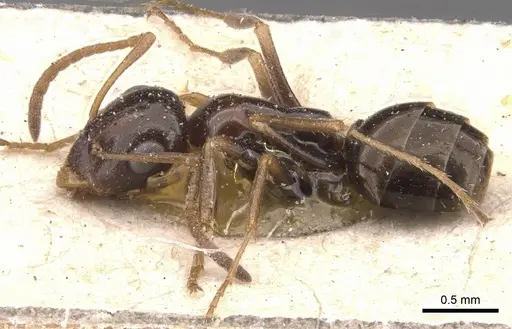
Proformica mongolica is a small to medium-sized ant native to the grasslands and steppes of Central Asia. Workers measure around 2.5mm or more in total length, with a dark brown to black body and distinctive dense setae (bristles) on the dorsal mesosoma [1]. The head has a quadrated occipital margin in full face view, and the clypeus bears 2-3 erect setae. This species is endemic to the desert grassland ant subregion, making it an indicator species for these dry, open habitats [2]. It is one of the most common and widely distributed ants in Mongolia, found in 11 out of 16 surveyed regions [3].
This ant plays an important ecological role as a host species for the slave-making ant Rossomyrmex [4]. In the wild, colonies nest in soil without forming mounds, creating crater-shaped entrances that weather into simple holes in the ground. Nests extend deep into the soil [5]. P. mongolica is a ground-nesting species that forages on the surface and likely tends aphids on grass roots, though they are also attracted to animal carcasses [5].
Quick Summary
- Difficulty: Medium
- Origin & Habitat: Native to the Palaearctic region, including Mongolia, China (northern Shaanxi, Xinjiang, Tibet), Kyrgyzstan, Kazakhstan, and southern Russia (East Siberia). Inhabits desert grassland, steppe, and semi-desert zones at elevations around 1400-1500m [2][3][6].
- Colony Type: Colony structure is not well documented in scientific literature. Based on related Formica species, likely monogyne (single queen) colonies. Further research needed on whether multiple queens are possible.
- Size & Growth:
- Queen: Not directly measured in available literature. Estimated around 5-7mm based on genus Proformica patterns [1].
- Worker: Total length greater than 2.5mm [1]. Related species have workers in the 2-4mm range.
- Colony: Colony size is not well documented. As one of the most common species in Mongolia, colonies likely reach several hundred workers [3].
- Growth: Growth rate is unconfirmed. Based on related Formica species, expect moderate growth.
- Development: Estimated 6-10 weeks based on typical Formicini development patterns at optimal temperature. (Direct development data not available for this species. Temperature-dependent, warmer conditions accelerate development.)
- Antkeeping:
- Temperature: Keep at room temperature, roughly 20-25°C. This species originates from temperate steppe regions with warm summers. A gentle gradient is beneficial, allow ants to choose their preferred temperature zone.
- Humidity: Low to moderate humidity. This is a steppe and semi-desert species that prefers drier conditions. Keep the nest substrate moderately dry, with a small moist area for brood but avoid excessive moisture. Think dry grassland, not rainforest [7][6].
- Diapause: Yes, likely required. As a species from temperate Mongolia with harsh winters, colonies should experience a winter rest period. Provide 3-4 months at roughly 10-15°C during winter.
- Nesting: Ground-nesting species. In captivity, a naturalistic setup with soil or a Y-tong/plaster nest works well. Provide a dry to moderately moist substrate. They do not build mounds, so a simple chambered nest is appropriate [5].
- Behavior: Generally peaceful and non-aggressive. Like most Formicinae, they do not have a functional stinger, they defend by spraying formic acid. Workers are active foragers, likely accepting both sugar sources and protein. Escape prevention should be moderate, workers are small but not extremely tiny. They are ground-nesting and may be more active on the substrate surface than arboreal species. As a host for Rossomyrmex, they may be targeted by parasitic ants if kept in the same area.
- Common Issues: dry conditions are preferred but too dry can kill brood, balance is key, winter diapause is likely required for colony health, skipping hibernation may cause problems, colonies may be targeted by slave-making ants if kept outdoors near native populations, limited published care information means some trial and error may be needed, test tube setups may be too moist, naturalistic or Y-tong nests suit this steppe species better
Natural History and Distribution
Proformica mongolica is a steppe and desert grassland specialist found across Central Asia. Its range includes Mongolia (where it is one of the most common ant species, recorded in 11 of 16 regions), northern China (Shaanxi, Xinjiang, Tibet), Kyrgyzstan, Kazakhstan, and southern Russia in East Siberia [3][8]. The species was originally described from Mongolia in 1901 and serves as an indicator species for the desert grassland ant subregion [2][1].
This ant inhabits dry grassland, steppe, and semi-desert environments at elevations around 1400-1500 meters. It is adapted to harsh continental conditions with hot summers and cold winters. In its natural habitat, colonies nest in soil, creating simple burrows that extend deep underground rather than building visible mounds [5]. Nest entrances are typically small, crater-shaped holes that can weather into simple openings. The species is associated with dry desert-steppes and semi-desert communities [9][10].
Housing and Nest Setup
For keeping P. mongolica in captivity, replicate their natural steppe nesting conditions. A naturalistic setup with a soil-filled container works well, allowing you to observe their burrowing behavior. Alternatively, a Y-tong (AAC) or plaster nest with moderate moisture levels is suitable. Avoid overly humid conditions, this is a dry-adapted species.
The nest should have a dry to slightly moist substrate area for the queen and brood, with access to a water source in the outworld. Because they are ground-nesting, provide a deep enough substrate layer for them to create chambers. Room temperature (20-25°C) is appropriate, with a heating cable on one side of the nest to create a gentle gradient if your room runs cool. Escape prevention is important, while not extremely small, workers can squeeze through small gaps, so ensure lids and barriers are secure. [5][7]
Feeding and Diet
In the wild, P. mongolica likely tends aphids on grass roots and forages for small insects and carrion [5]. In captivity, offer a varied diet including sugar water or honey as an energy source, and protein sources like small insects (fruit flies, small mealworms, crickets). Feed protein roughly twice weekly, and keep sugar available at all times.
This species is not a specialized predator, so standard ant feeding protocols work well. Remove uneaten prey after 24-48 hours to prevent mold. Fresh water should always be available in the outworld. Monitor acceptance, some colonies may prefer certain foods over others.
Seasonal Care and Hibernation
As a species from temperate Mongolia with harsh winters, P. mongolica requires a winter rest period. Reduce temperatures to roughly 10-15°C for 3-4 months during winter (typically November through February in the Northern Hemisphere). During this time, reduce feeding significantly, the colony will be less active.
Before hibernation, ensure the colony is well-fed with ample fat reserves. Keep the nest slightly moist during hibernation (not wet) to prevent desiccation. Do not feed during deep hibernation. In summer, normal room temperatures are suitable, this species tolerates the warm conditions of its steppe habitat. [3][6]
Behavior and Interactions
P. mongolica belongs to the tribe Formicini, which includes Formica and Cataglyphis. Like other Formicinae ants, they defend themselves by spraying formic acid rather than stinging, this is harmless to humans but can be irritating. Workers are active foragers and likely use chemical trails to recruit nestmates to food sources.
Notably, this species serves as a host for the slave-making ant Rossomyrmex [4]. If you keep multiple ant species, be aware that parasitic ants may target colonies of P. mongolica. The species is relatively peaceful and can be kept in community setups with other non-predatory ants of similar size, though individual colonies should always be housed separately.
Frequently Asked Questions
How long does it take for Proformica mongolica to raise first workers?
Exact development time is not documented, but based on related Formica species, expect 6-10 weeks from egg to worker at room temperature (20-25°C). The first workers (nanitics) will be smaller than mature workers.
What temperature do Proformica mongolica need?
Keep them at room temperature, roughly 20-25°C. This steppe species from Mongolia tolerates warm conditions. A gentle temperature gradient allows workers to choose their preferred zone.
Do Proformica mongolica need hibernation?
Yes, hibernation is likely required. As a species from temperate Mongolia with harsh winters, provide 3-4 months of winter rest at 10-15°C annually for colony health.
What do Proformica mongolica eat?
They accept standard ant foods: sugar sources (honey, sugar water) and protein (small insects like fruit flies, mealworms, crickets). In the wild, they likely tend aphids and scavenge on carrion.
Are Proformica mongolica good for beginners?
This species is rated Medium difficulty. While not extremely demanding, limited published care information means some experimentation may be needed. Their dry-habitat requirements differ from many common pet ants.
How big do Proformica mongolica colonies get?
Colony size is not well documented, but as one of the most common ants in Mongolia, colonies likely reach several hundred workers. Growth is moderate.
Can I keep multiple Proformica mongolica queens together?
Colony structure is not well studied. Based on related Formica species, single-queen colonies are likely. Combining unrelated queens is not recommended without specific research on this species.
Why is my Proformica mongolica colony declining?
Common causes include: excessive humidity (they prefer dry conditions), skipping hibernation, poor nutrition, or stress from disturbance. Ensure proper dry habitat conditions and annual winter rest.
References

This caresheet is licensed under CC BY-SA 4.0 .
CASENT0106258
View on AntWeb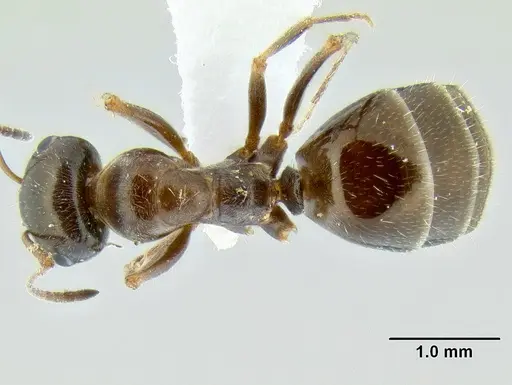
CASENT0905712
View on AntWeb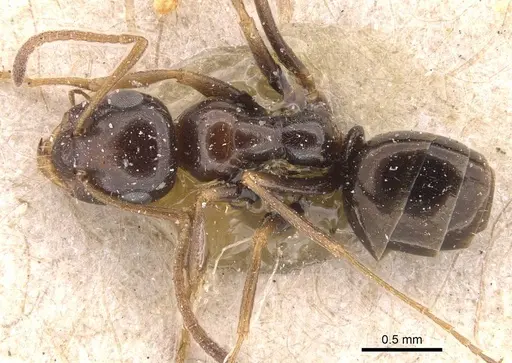
Literature
Loading...Loading products...