

Proformica epinotalis
- Scientific Name
- Proformica epinotalis
- Tribe
- Formicini
- Subfamily
- Formicinae
- Author
- Kuznetsov-Ugamsky, 1927
- Distribution
- Found in 4 countries
Proformica epinotalis Overview
Proformica epinotalis is an ant species of the genus Proformica. It is primarily documented in 4 countries , including Iran, Islamic Republic of, Kazakhstan. Detailed taxonomic data and occurrence records can be further explored via authoritative databases such as AntWeb or the Global Biodiversity Information Facility (GBIF).
Proformica epinotalis
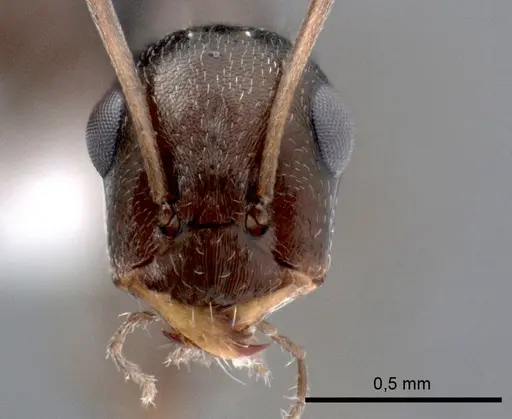
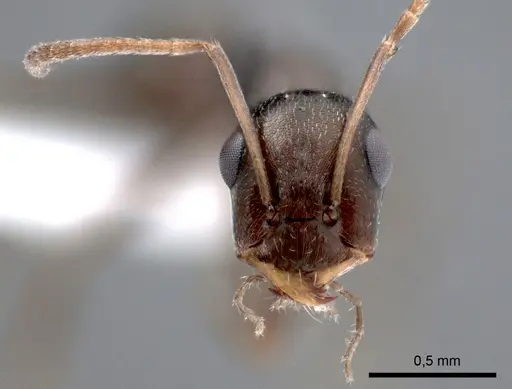
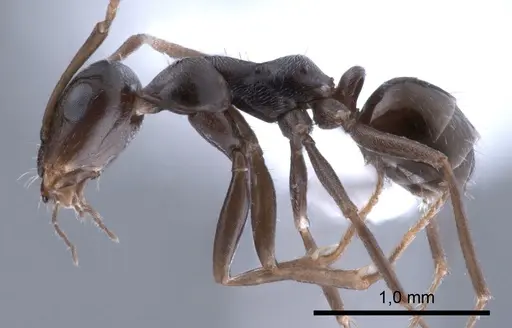
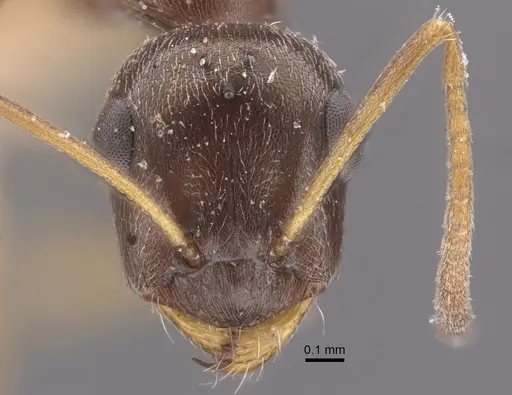
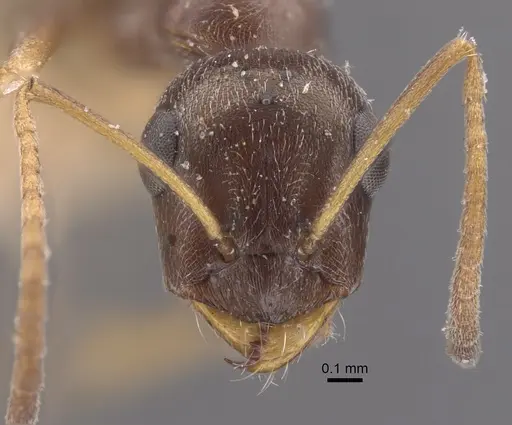
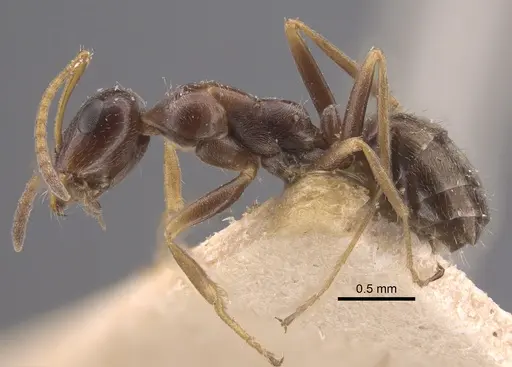
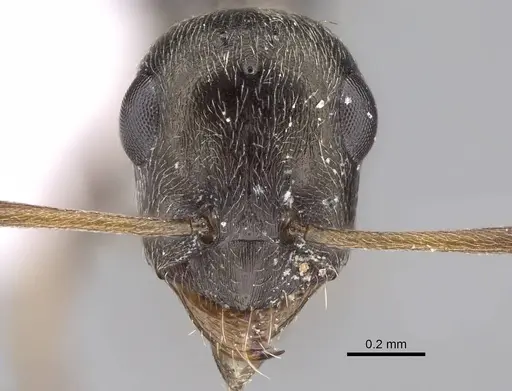
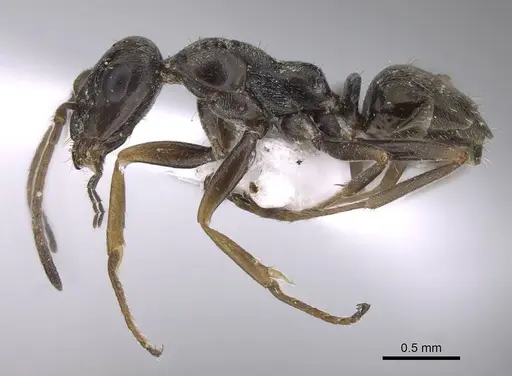
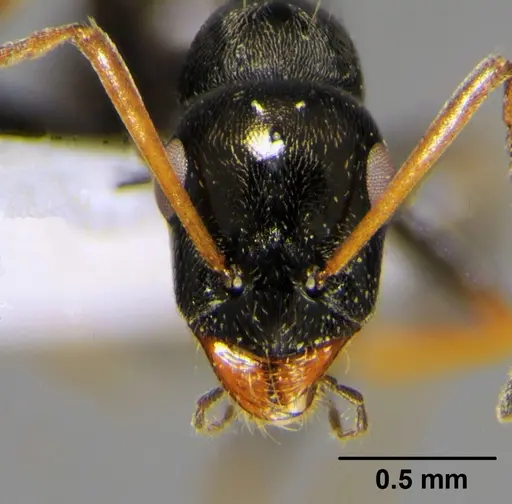
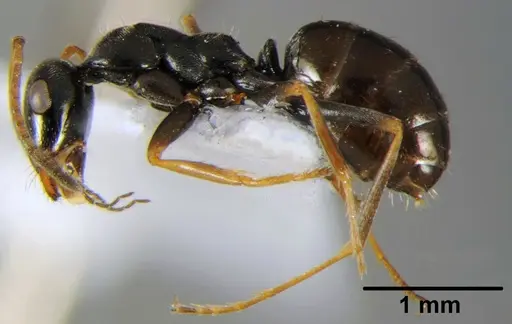
Proformica epinotalis is a medium-sized ant belonging to the Formicinae subfamily, found across the Palaearctic region from Romania and Moldova through Russia, Ukraine, the Caucasus, Iran, and Central Asia to northwestern China. Workers are dimorphic, meaning two distinct sizes exist: smaller workers around 3-4mm and larger major workers up to 6mm with notably enlarged heads. The species gets its common name 'steppe honey ant' from its unusual storage behavior, some major workers (called pleraergates) develop massively distended abdomens filled with liquid food reserves, acting as living food storage for the colony [1]. Colonies contain 100-200 workers and are monogyne (single queen) [1]. This is a diurnal, active forager species that hunts and scavenges alone rather than using recruitment [1]. The species prefers open steppe habitats with sparse vegetation and compact soil, typically at elevations between 1200-1700m in mountainous regions like Iran's Alborz Range [2].
Quick Summary
- Difficulty: Medium
- Origin & Habitat: Native to steppe and desert-steppe zones across the Palaearctic region, including Romania, Moldova, Russia, Ukraine, Azerbaijan, Iran, Kazakhstan, Kyrgyzstan, Turkmenistan, and northwestern China. Found in areas with dense soil (loess, clay, or loamy) and sparse grass vegetation [1][2].
- Colony Type: Monogyne (single-queen colonies). Workers are dimorphic with majors comprising about 15% of the workforce. Some majors develop into pleraergates with distended abdomens storing liquid food [1].
- Colony: Monogyne
- Founding: Claustral
- Size & Growth:
- Queen: Estimated 7-9mm based on genus Proformica patterns
- Worker: Small workers: 3-4mm, Major workers: 5-6mm [1]
- Colony: Up to 200 workers [1]
- Growth: Moderate
- Development: Estimated 8-12 weeks based on related Formicini species at optimal temperature (Development timeline not directly studied, estimate based on genus-level data for Formicinae)
- Antkeeping:
- Temperature: Keep at 22-26°C with a gentle gradient. This is a steppe species adapted to warm continental summers. Room temperature within this range works well, or use a heating cable on one side of the nest for cooler rooms.
- Humidity: Low to moderate. This species naturally inhabits dry steppe environments with compact soil. Keep nest substrate moderately moist but allow it to dry partially between waterings. Avoid overly damp conditions.
- Diapause: Yes, this is a temperate species requiring winter dormancy. Reduce temperature to 10-15°C for 3-4 months (roughly November-February in the Northern Hemisphere). Only adults overwinter, brood development pauses during this period [1].
- Nesting: Underground nester in nature. Use a naturalistic setup with compact substrate (sand-clay mix works well) or a Y-tong/plaster nest with chambers scaled to their size. Provide a deep enough nest (at least 10-15cm) for the vertical shaft system they naturally construct [1].
- Behavior: Diurnal and highly active foragers. They are solitary hunters, no recruitment or tandem-running has been observed. Workers hunt and scavenge alone across the outworld [1]. They are not aggressive toward keepers but will defend the nest if threatened. Escape risk is moderate, use standard barrier methods (Fluon on test tube rims, fine mesh on outworlds). Their moderate size makes them less prone to escape than tiny ants, but vigilance is still important.
- Common Issues: overwintering failure, colonies often die if kept too warm during winter dormancy, damp substrate issues, being from dry steppe, they struggle with overly moist nests, small colony fragility, with only 100-200 workers total, colonies are vulnerable to stress, slow growth, moderate development speed means patience is required, wild-caught colonies may have parasites that are difficult to treat
Housing and Nest Setup
Proformica epinotalis naturally nests underground with a vertical shaft reaching 50-75cm deep and horizontal chambers near the surface [1]. In captivity, replicate this with a deep nest container. A Y-tong (acrylic) nest with chambers or a plaster formicarium works well. Fill the nest with a compact substrate mix, a blend of sand and clay mimics their natural compact soil preference. The substrate should hold its shape when pressed but not become waterlogged. Provide a water tube for humidity but avoid saturating the substrate. Since they are active foragers, connect the nest to a spacious outworld with a secure connection tube. Use a shallow foraging area since they primarily forage on the surface in the wild.
Feeding and Diet
This species is a diurnal zoonecrophage, meaning they actively hunt and scavenge for protein during the day [1]. In captivity, offer small live prey such as fruit flies, small crickets, mealworms, or other appropriately-sized insects. They are solitary foragers, so scatter prey throughout the outworld rather than placing it all in one spot, they won't recruit nestmates but will find the food through individual searching. Beyond protein, they may accept sugar water or honey as an energy source, though this is not as critical as for some other species. Feed protein prey 2-3 times per week, adjusting based on colony size and consumption. Remove uneaten prey after 24-48 hours to prevent mold.
Temperature and Seasonal Care
As a steppe species from temperate regions, Proformica epinotalis requires distinct seasonal cycling. During the active season (spring through fall), maintain temperatures between 22-26°C. They can tolerate slightly warmer conditions during summer but avoid prolonged temperatures above 30°C. Come winter, they require a true diapause, reduce temperatures to 10-15°C and keep them there for 3-4 months. This mimics their natural cycle where only adult workers survive winter (brood is not raised during this period) [1]. Do not skip hibernation or keep them warm year-round, as this will weaken and eventually kill the colony. The diapause period is essential for long-term colony health and reproductive success.
Colony Structure and Dimorphism
One of the most interesting aspects of this species is worker dimorphism. Colonies contain both small minor workers (around 3-4mm) and larger major workers (5-6mm) with enlarged heads [1]. About 15% of workers are majors. Some majors develop into pleraergates, specialized workers with massively distended abdomens that store liquid food reserves. A single pleraergate can weigh 19mg compared to 3mg for a normal major worker [1]. These living food storage units allow the colony to survive lean periods. In captivity, you may observe these swollen workers in well-fed colonies. The colony size remains modest at 100-200 workers total, so this is not a species for those wanting massive colonies.
Behavior and Foraging
Proformica epinotalis is an active, diurnal species with no documented recruitment behavior [1]. Workers forage alone as solitary hunters, actively searching the outworld for prey and scavengeable items. They are described as very mobile and constantly moving through their foraging area. This makes them entertaining to watch but means they need adequate space to explore. They are not particularly aggressive toward humans but will bite if threatened and defend their nest. Their moderate size and active nature make them moderate escape risks, use standard barriers like Fluon on test tube rims and ensure all connections are secure.
Legal and Ethical Considerations
This species is native to the Palaearctic region and has been documented in multiple countries including Romania, Moldova, Russia, Ukraine, Azerbaijan, Iran, Kazakhstan, Kyrgyzstan, Turkmenistan, and China. If you acquire a colony, do not release it in regions outside its natural range. In North America, Europe, Australia, or other non-native regions, release is illegal and ecologically irresponsible. If you can no longer keep your colony, consider rehoming to another antkeeper rather than releasing. [2]
Frequently Asked Questions
How long does it take for Proformica epinotalis to produce first workers?
Based on related Formicinae species, expect 8-12 weeks from egg to first worker at optimal temperature (around 24°C). The exact timeline for this species hasn't been directly studied, so patience is required. claustral founding means the queen seals herself in and raises the first brood without leaving the nest.
What do Proformica epinotalis ants eat?
They are diurnal zoonecrophages, active daytime hunters and scavengers. Feed small live prey like fruit flies, small crickets, or mealworms 2-3 times per week. They may accept sugar water or honey as a supplemental energy source. Since they forage solitarily, scatter prey throughout the outworld rather than clustering it.
Do Proformica epinotalis ants need hibernation?
Yes, they require a winter dormancy period. Reduce temperatures to 10-15°C for 3-4 months (roughly November through February in the Northern Hemisphere). This is essential for colony health, only adult workers overwinter in the wild, and skipping diapause will weaken and eventually kill the colony.
How big do Proformica epinotalis colonies get?
Colonies reach a maximum of around 100-200 workers [1]. This is a modest colony size compared to many common ant species. The colony structure is monogyne (single queen), and workers are dimorphic with small minors and larger majors making up about 15% of the workforce.
Are Proformica epinotalis good for beginners?
This is a medium-difficulty species. They are more challenging than common beginner species like Lasius or Camponotus because they require proper winter dormancy and are less forgiving of husbandry errors. However, they are not as demanding as tropical or parasitic species. If you have kept another temperate ant species successfully, this is a good next step.
What is the best nest type for Proformica epinotalis?
They naturally nest underground with deep vertical shafts (50-75cm) in compact soil. In captivity, use a Y-tong or plaster nest with deep chambers filled with a sand-clay substrate mix. The substrate should be compact enough to hold shape but not waterlogged. Provide a water tube for humidity but allow the substrate to partially dry between waterings.
Can I keep multiple Proformica epinotalis queens together?
No. This species is monogyne, meaning colonies naturally have a single queen [1]. Combining unrelated queens is not recommended and would likely result in fighting. If you capture a wild colony, it will already have one established queen.
Why are some workers so swollen in my Proformica epinotalis colony?
Those are pleraergates, specialized workers that store liquid food in their distended abdomens [1]. A single pleraergate can weigh 19mg compared to 3mg for a normal major worker. This is a natural storage adaptation that helps the colony survive periods when food is scarce. Well-fed colonies are more likely to produce these specialized workers.
Where is Proformica epinotalis found in the wild?
This is a steppe species across the Palaearctic region. It ranges from Romania and Moldova, through Russia (including the Caucasus and Urals), Ukraine, Azerbaijan, Iran, Kazakhstan, Kyrgyzstan, Turkmenistan, and northwestern China. It prefers open steppe habitats with sparse vegetation and compact soil at elevations between 1200-1700m.
References

This caresheet is licensed under CC BY-SA 4.0 .
ANTWEB1008083
View on AntWeb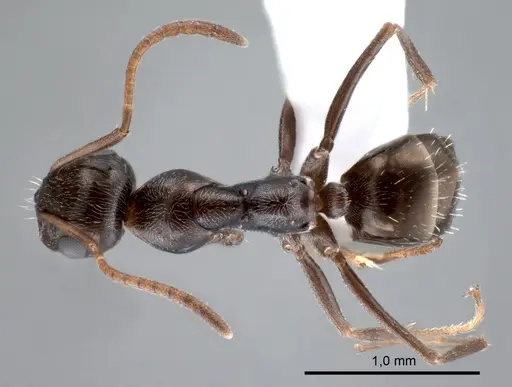
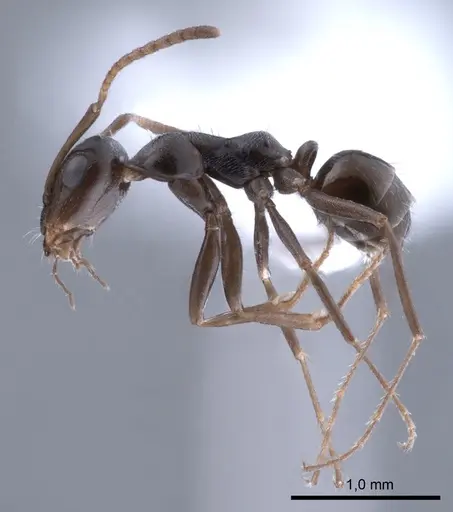
CASENT0912272
View on AntWeb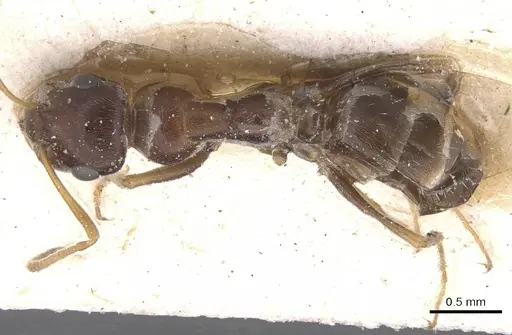
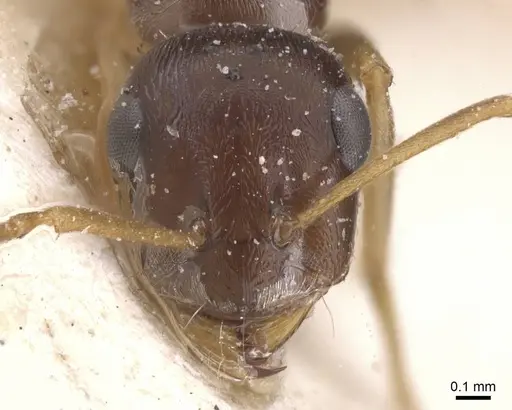
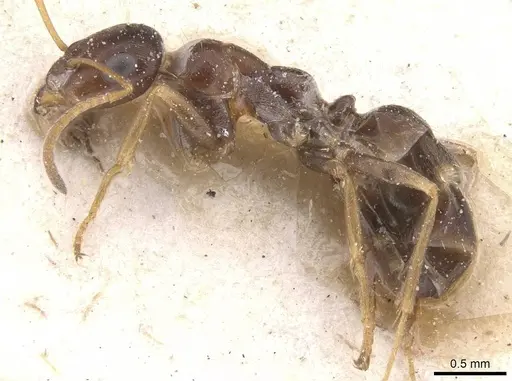
CASENT0917331
View on AntWeb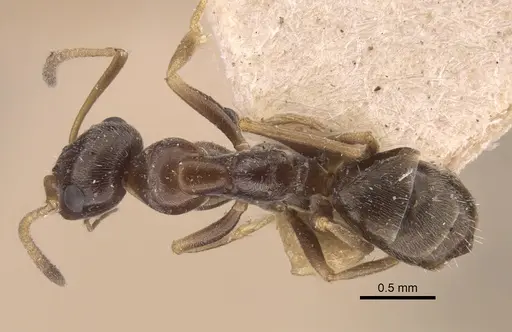
CASENT0922711
View on AntWeb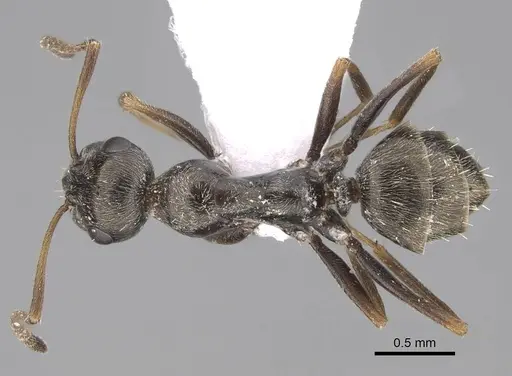
CFH000008
View on AntWeb
Literature
Loading...Loading products...