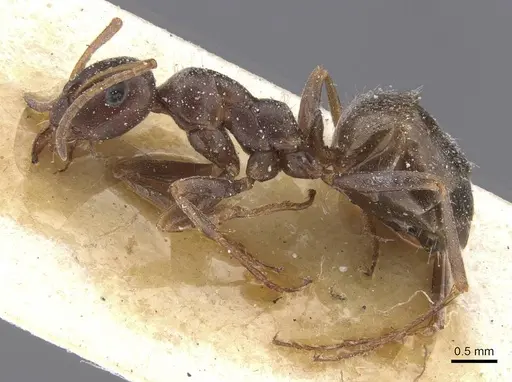
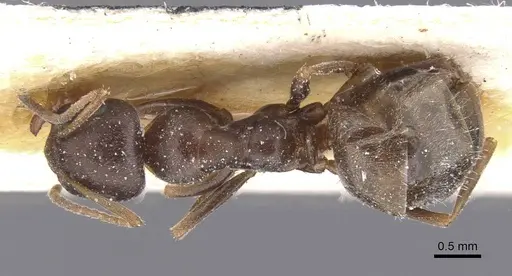
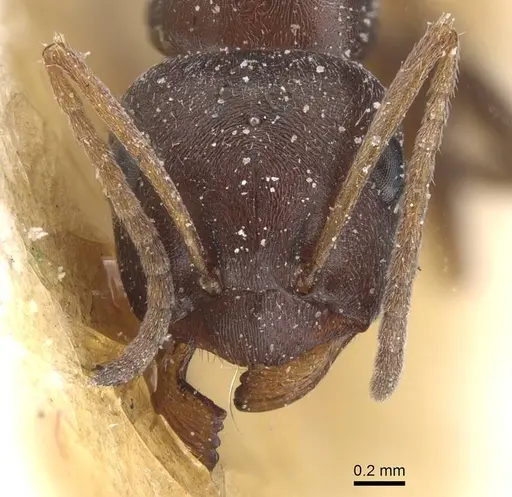
Proformica coriacea - "Desert Ant"
Proformica coriacea is a fascinating ant species from the Palaearctic region, known for inhabiting dry, open environments. These ants are part of a genus that sometimes includes 'honeypot ants' – specialized workers with remarkably inflated gasters that store liquid food for the colony. While specific details for P. coriacea are less common, other Proformica species can be quite small and inconspicuous. Colonies generally range from a few dozen to over a thousand individuals, and they are typically found nesting underground.
- Difficulty: Medium
- Origin & Habitat: Palaearctic Region (China, Kazakhstan, Kyrgyzstan, Mongolia, Russian Federation). in Dry and open environments like steppes, mountain meadows, and Mediterranean seashores. Nests are hypogaeic (underground)..
- Colony Type: Monogyne or Polygyne, claustral founding.
- Size & Growth:
- Queen: Not specified
- Worker: Not specified
- Colony: Small (hundreds). Medium growth.
- Antkeeping:
- Temperature: Aim for a temperature range of 24-28°C. Being a desert species, they prefer warmer conditions to thrive..
- Humidity: Keep humidity relatively low, around 40-60%. Provide a hydration area in the nest but avoid excessive moisture to prevent mold..
- Diapause: Required. 3-4 months at 10-15°C.
- Nesting: They prefer nests that mimic their natural underground environment. Acrylic, Ytong (aerated concrete), or naturalistic setups with sand/loam are suitable. Ensure good ventilation..
- Behavior: Low (towards handler) aggressiveness.
- Common Issues: Mold in nest, Humidity fluctuations, Overfeeding leading to waste, Queen stress.
One of the most intriguing aspects of the Proformica genus, to which P. coriacea belongs, is the potential presence of 'repletes.' These are workers with remarkably swollen gasters, essentially living storage units for liquid food. While not all Proformica species develop repletes, it's a characteristic worth noting and observing for in your colony. Providing a consistent and varied supply of liquid sugars will help support this unique adaptation if your colony exhibits it.
Given their natural habitat in dry, open environments like steppes and mountain meadows, Proformica coriacea colonies thrive best with lower humidity levels compared to many other ant species. It's crucial to ensure good ventilation in their enclosure to prevent stagnant air, which can lead to mold growth and be detrimental to the colony's health. While they need a water source, don't overdo the hydration in the nest itself.
The genus Proformica is known to be geographically restricted and often patchy in distribution, with populations considered small and inconspicuous in the wild. This can mean that colonies might be sensitive to significant disturbances. When setting up their formicarium, aim for a stable environment and avoid frequent major changes that could stress the colony. Patience and observation are key to understanding their specific needs.
The taxonomy of Proformica species, including P. coriacea, can be quite complex and sometimes confusing, with some forms exhibiting substantial morphological variation. This means that while general care guidelines apply, individual colonies might show slight variations in behavior or preferences. Keep detailed notes on your colony's development and adjust their care as needed based on their specific responses.
These ants are omnivores in their natural diet, foraging for various food sources. In captivity, a balanced diet including both sugars (honey water, sugar water) and protein (small insects like fruit flies, mealworms) is essential for their overall health and colony growth. Always ensure protein sources are thoroughly defrosted if frozen and offered in small, manageable pieces.
Frequently Asked Questions
What is the best type of nest for Proformica coriacea?
For Proformica coriacea, a nest that simulates their natural underground habitat is ideal. Acrylic nests with good ventilation, Ytong (aerated concrete) setups, or even naturalistic soil/sand setups are excellent choices. The key is to provide a dry environment with a clear hydration area.
Do Proformica coriacea need diapause?
Yes, Proformica coriacea requires a diapause period. This helps them mimic the natural seasonal cycles they experience in their native Palaearctic range. A cool period of 3-4 months at around 10-15°C is generally recommended to ensure the queen's longevity and colony health.
What do Proformica coriacea eat?
Proformica coriacea are omnivores, so a varied diet is crucial. They will readily consume liquid sugars like honey water or sugar water, and they also need a consistent supply of protein from feeder insects such as fruit flies, mealworms, or small crickets. Always ensure the insects are clean and free of pesticides.
Are Proformica coriacea difficult to keep?
They are considered a 'Medium' difficulty species. While not overly challenging, they do require specific temperature and humidity parameters, particularly favoring drier conditions. Proper ventilation and a well-structured nest are essential for their success in captivity.
How large do Proformica coriacea colonies get?
Colonies of Proformica species typically range from a few dozen to well over a thousand individuals, generally falling into the 'Small' to 'Medium' size category. Expect your P. coriacea colony to grow into the hundreds of workers.
Can Proformica coriacea have multiple queens?
Yes, Proformica colonies can be either monogyne (single queen) or polygyne (multiple queens), so it's possible for your P. coriacea setup to have more than one queen. This can influence colony growth and overall size.
Do Proformica coriacea have honeypot ants?
Some species within the Proformica genus are known to develop 'repletes,' which are specialized workers that store liquid food in their inflated gasters, essentially acting as living honeypots. While it's a notable trait of the genus, specific confirmation for P. coriacea developing repletes widely is less documented, but it's a fascinating behavior to watch for in your colony!
What is the natural habitat of Proformica coriacea?
Proformica coriacea originates from the Palaearctic region, specifically found in countries like China, Kazakhstan, Kyrgyzstan, Mongolia, and the Russian Federation. They thrive in dry, open environments such as steppes, mountain meadows, and coastal areas, where they build their nests underground.
Are Proformica coriacea aggressive?
Towards handlers, Proformica coriacea are generally not considered aggressive. Their aggression level is typically low, meaning they are unlikely to sting or bite defensively against human interaction. However, like any ant species, they may show aggression towards rival ant colonies or unfamiliar ants.
How fast do Proformica coriacea colonies grow?
Proformica coriacea colonies generally have a 'Medium' growth rate. They won't explode in numbers overnight like some more common species, but with proper care, a consistent food supply, and a successful diapause, you can expect steady and noticeable growth.
What are common issues when keeping Proformica coriacea?
Common challenges include managing humidity to prevent mold, especially in artificial setups, and avoiding overfeeding which can lead to uneaten food rotting in the nest. Keeping the colony at their preferred warmer temperatures is also vital to prevent colony stalling, and minimizing disturbances helps reduce queen stress.
Do Proformica coriacea sting?
No, Proformica coriacea are not known to sting. They belong to the subfamily Formicinae, which typically uses formic acid for defense rather than a sting.