

Procryptocerus victoris
- Scientific Name
- Procryptocerus victoris
- Tribe
- Attini
- Subfamily
- Myrmicinae
- Author
- Kempf, 1960
- Distribution
- Found in 1 countries
Procryptocerus victoris Overview
Procryptocerus victoris is an ant species of the genus Procryptocerus. It is primarily documented in 1 countries , including Brazil. Detailed taxonomic data and occurrence records can be further explored via authoritative databases such as AntWeb or the Global Biodiversity Information Facility (GBIF).
Procryptocerus victoris
Procryptocerus victoris is a small to medium-sized ant species belonging to the tribe Attini, native to Brazil in the Neotropical region. Workers are characterized by distinctive morphological features including a falcate epicnemial process and costate (ridged) patterns on the frons and mesonotum. The species was originally described by Kempf in 1960 from specimens collected in São Paulo state. While listed in some Costa Rican ant inventories, its primary confirmed range centers on southeastern Brazil. As a member of the Attini tribe, these ants are related to fungus-growing ants, though the specific dietary habits of Procryptocerus victoris remain unconfirmed. This species is rarely encountered in antkeeping and represents an uncommon choice for cultivation.
Quick Summary
- Difficulty: Unknown, Insufficient data
- Origin & Habitat: Southeastern Brazil (São Paulo region) in the Neotropical zone. Specific habitat preferences are unconfirmed, though related Procryptocerus species typically inhabit forest environments.
- Colony Type: Colony structure is unconfirmed. Most Procryptocerus species are believed to form single-queen colonies, but this has not been documented for P. victoris specifically.
- Size & Growth:
- Queen: Undocumented in available literature
- Worker: Undocumented in available literature, related species typically range 3-6mm
- Colony: Unknown, no colony size data available
- Growth: Unknown
- Development: Unknown, estimated 6-10 weeks based on typical Attini patterns at tropical temperatures (No direct development data exists for this species. Estimates based on related Neotropical Myrmicinae.)
- Antkeeping:
- Temperature: Likely requires warm conditions typical of Neotropical species, aim for 24-28°C based on habitat inference
- Humidity: Likely requires moderate to high humidity (60-80%) consistent with Brazilian Atlantic Forest environments
- Diapause: Unknown, Neotropical species may have reduced activity periods rather than true hibernation
- Nesting: Natural nesting habits unconfirmed. Likely nests in rotting wood, leaf litter, or soil in forested areas. Captive recommendations would be similar to other small Myrmicinae, test tubes or acrylic nests with moist substrate.
- Behavior: Behavior is poorly documented. Based on genus-level observations, Procryptocerus ants are generally non-aggressive and secretive, with workers that are slow-moving and often cryptic in their foraging. Escape risk assessment is difficult without size data, but related species are not known as escape artists. No documented stinging behavior.
- Common Issues: lack of documented care requirements makes successful cultivation challenging, no confirmed diet acceptance, what to feed is unknown, colony founding success rate is unestablished, wild-caught colonies may be difficult to locate due to cryptic habits, temperature and humidity requirements are inferred, not confirmed
Species Overview and Distribution
Procryptocerus victoris was described by Wilhelm W. Kempf in 1960 from specimens collected in São Paulo state, Brazil. The type locality is Alto da Serra near Santos. The species has been recorded primarily from southeastern Brazil, with some sources listing it in Costa Rican ant inventories, though this may represent range extension or misidentification. As a member of the tribe Attini (subfamily Myrmicinae), this species is taxonomically related to the famous leaf-cutter ants (Atta and Acromyrmex), though Procryptocerus belongs to a different genus within that tribe. The genus Procryptocerus is characterized by distinctive morphological features including specialized head structures and sculpturing patterns on the body.
Identification and Morphology
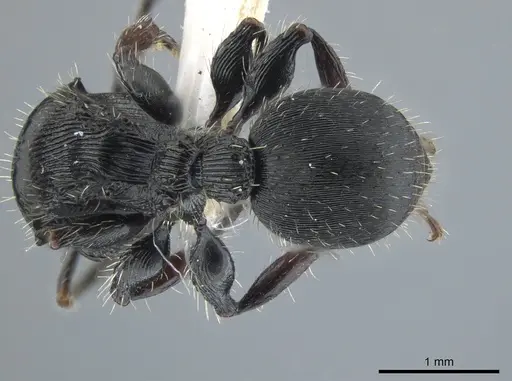
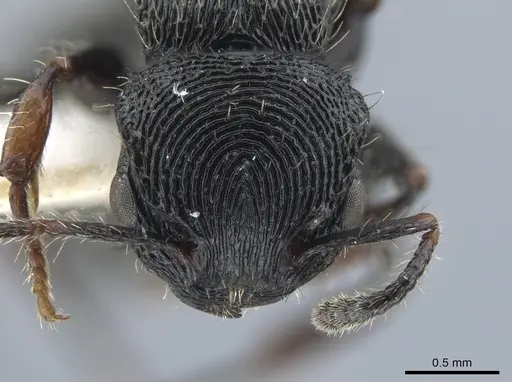
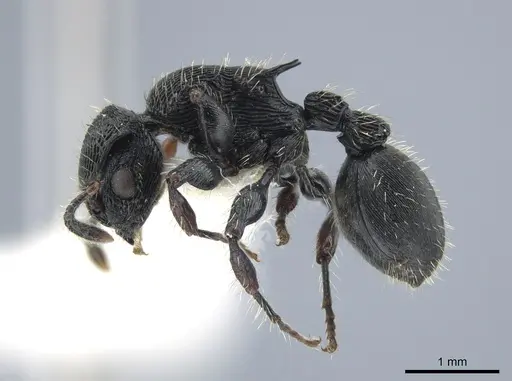
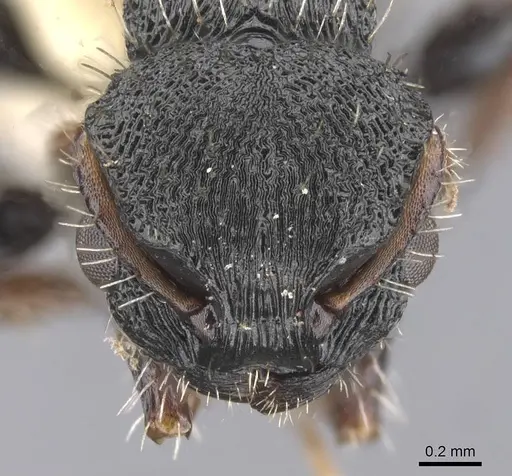
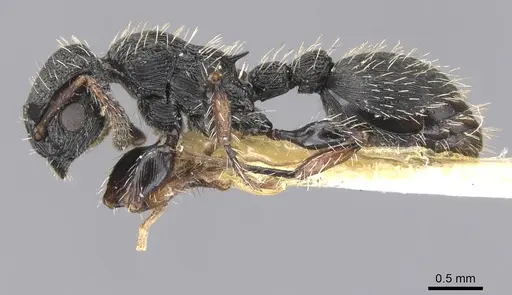
Procryptocerus victoris workers can be identified by several key morphological features: the epicnemial process is falcate (curved like a sickle), the condylar bulb is anteriorly visible, and the species displays characteristic rimae (ondulate striae or costae) particularly on the frons and mesonotum. These features distinguish it from other Procryptocerus species. Specific measurements for workers and queens are not documented in the available literature, making precise size identification challenging without reference specimens.
Housing and Nesting
Since specific nesting preferences for Procryptocerus victoris are unconfirmed, housing recommendations must be based on related species and general Attini biology. These ants likely prefer humid, forested microhabitats and would likely accept test tube setups or acrylic formicaria with moist substrate. Given their small size and presumed cryptic habits, provide narrow chambers and plenty of hiding spaces. A naturalistic setup with leaf litter and rotting wood pieces may better simulate their natural environment. Maintain consistent moisture without waterlogging the substrate.
Feeding and Diet
The exact dietary requirements of Procryptocerus victoris remain unconfirmed. While Attini tribe members include fungivorous species, Procryptocerus specifically are not known to cultivate fungus. Based on typical Myrmicinae feeding patterns, they likely consume small insects and may attend aphids for honeydew. Offer small protein sources like fruit flies, pinhead crickets, and mealworms. Sugar sources like honey water may be accepted. Due to their small size, prey items should be appropriately sized. Begin with small live prey and observe acceptance.
Temperature and Humidity
As a Neotropical species from southeastern Brazil, Procryptocerus victoris likely requires warm and humid conditions. Based on the species' known range in the Atlantic Forest region of São Paulo, aim for temperatures in the range of 24-28°C. Humidity should be maintained at moderate to high levels (60-80%), consistent with the moist forest environments typical of this region. Avoid temperatures below 20°C or excessively dry conditions. A heating cable on one side of the nest can help maintain appropriate temperatures while allowing the colony to self-regulate.
Colony Development
No specific data exists regarding the development timeline of Procryptocerus victoris. Based on typical Attini and Neotropical Myrmicinae patterns, development from egg to worker likely takes approximately 6-10 weeks at optimal tropical temperatures (around 25-27°C). Colony sizes are expected to remain relatively small, likely under 500 workers at maturity, based on observations of related Procryptocerus species. Founding queens likely seal themselves in a claustral chamber and survive on stored fat reserves until the first workers emerge, though this behavior has not been directly documented for this species.
Frequently Asked Questions
How do I care for Procryptocerus victoris ants?
Care requirements are not well-documented for this species. Based on related species, provide warm temperatures (24-28°C), moderate to high humidity (60-80%), and small appropriately-sized protein prey. Test tube setups or acrylic nests with moist substrate work well. This is an uncommon species with limited available husbandry information.
What do Procryptocerus victoris eat?
Their exact diet is unconfirmed. Likely accepts small insects like fruit flies and pinhead crickets based on typical Myrmicinae feeding patterns. May also accept sugar sources like honey water. Begin with small live prey and observe colony response.
How long does it take for Procryptocerus victoris to develop from egg to worker?
No specific development data exists for this species. Based on typical Attini patterns, expect approximately 6-10 weeks from egg to first worker at optimal temperatures around 25-27°C.
How big do Procryptocerus victoris colonies get?
Colony size is unconfirmed for this species. Based on related Procryptocerus species, colonies likely remain relatively small, probably under 500 workers at maturity.
What temperature should I keep Procryptocerus victoris at?
Based on their Neotropical distribution in southeastern Brazil, aim for temperatures in the range of 24-28°C. Avoid temperatures below 20°C. A gentle heat gradient allowing the colony to self-regulate is recommended.
Is Procryptocerus victoris a good species for beginners?
This species is not recommended for beginners due to the lack of documented care requirements. The difficulty level cannot be accurately assessed. For beginners, species with well-established care protocols are recommended.
Do Procryptocerus victoris queens need to hibernate?
Diapause requirements are unconfirmed for this species. As a Neotropical species from a warm climate, true hibernation is unlikely. They may have reduced activity periods during cooler months, but this is not well-documented.
Can I keep multiple Procryptocerus victoris queens together?
Colony structure (monogyne vs polygyne) is unconfirmed for this species. Without documented evidence, combining unrelated queens is not recommended as aggressive interactions may occur.

This caresheet is licensed under CC BY-SA 4.0 .
CASENT0651700
View on AntWeb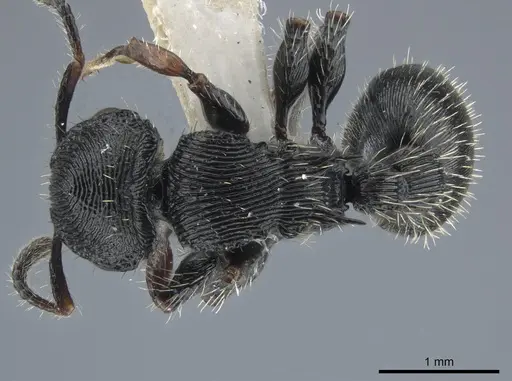
CASENT0912587
View on AntWeb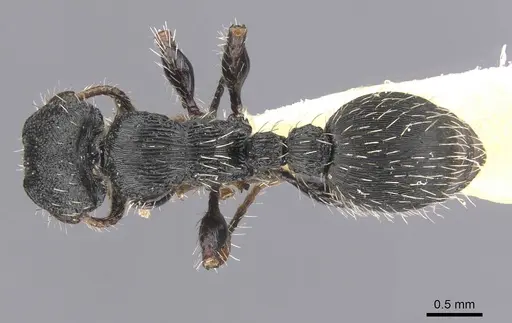
Literature
Loading...Loading products...