

Procryptocerus tortuguero
- Scientific Name
- Procryptocerus tortuguero
- Tribe
- Attini
- Subfamily
- Myrmicinae
- Author
- Longino & Snelling, 2002
- Distribution
- Found in 1 countries
Procryptocerus tortuguero Overview
Procryptocerus tortuguero is an ant species of the genus Procryptocerus. It is primarily documented in 1 countries , including Costa Rica. Detailed taxonomic data and occurrence records can be further explored via authoritative databases such as AntWeb or the Global Biodiversity Information Facility (GBIF).
Procryptocerus tortuguero
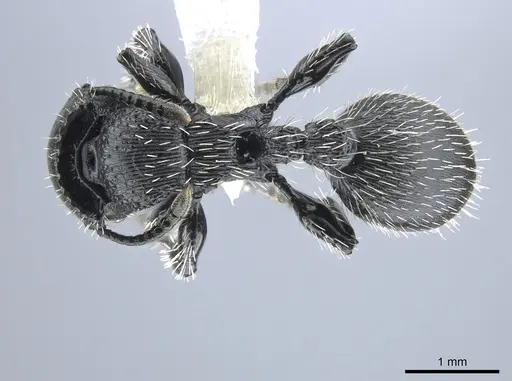
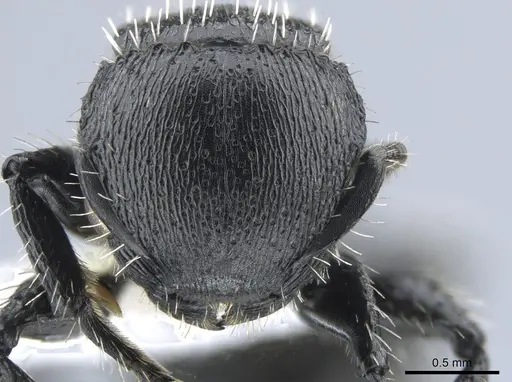
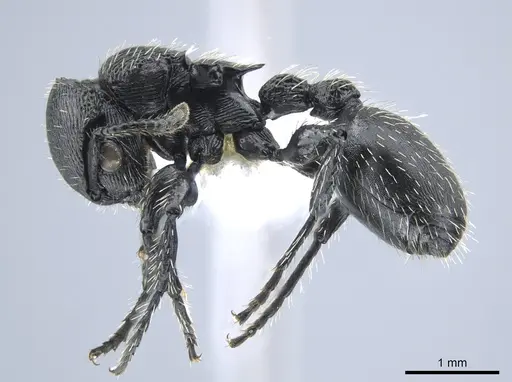
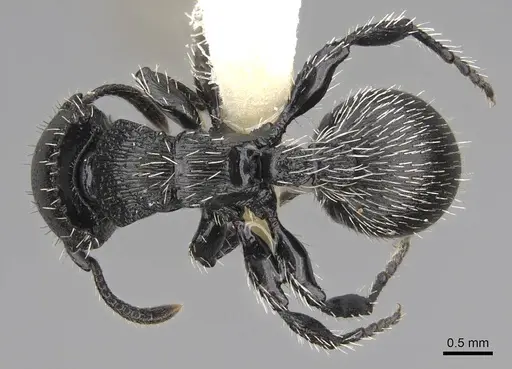
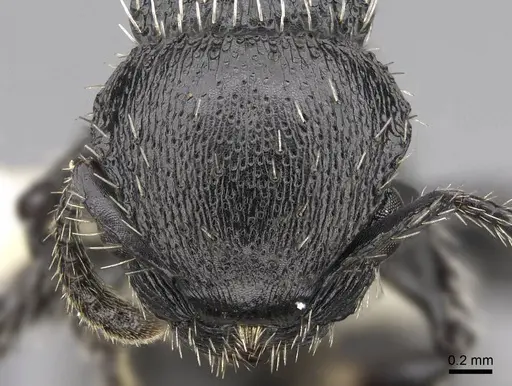
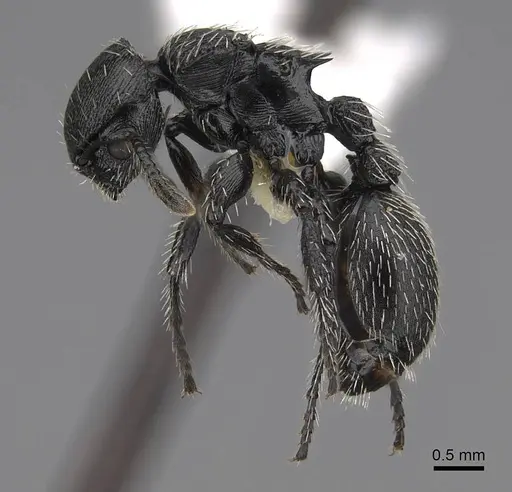
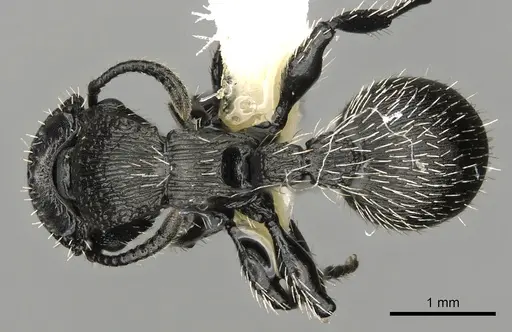
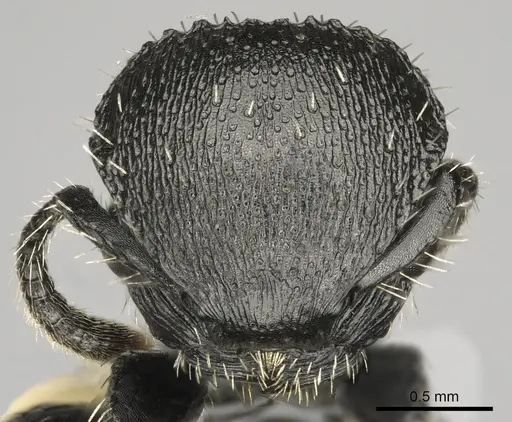
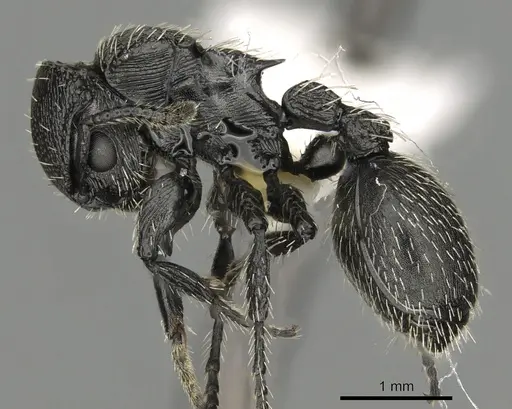
Procryptocerus tortuguero is a medium-sized myrmicine ant native to the lowland rainforests of Costa Rica and Colombia. Workers measure approximately 1.6mm in head width and feature distinctive facial sculpturing with evenly dispersed erect setae across the face disc. The species is recognized by its crenate (indented) frontovertexal margin and the striation pattern on the first gastral tergite that fades distally. This ant nests in dead plant stems, typically occupying the dead terminus of branches just distal to the live portion of woody plants. A documented nest contained 108 workers along with one dealate queen, one alate queen, and brood [1].
This is a rarely encountered tropical species with limited available biological data. Unlike many common ant genera, Procryptocerus species are arboreal or semi-arboreal, nesting in vegetation rather than soil. The genus is part of the tribe Attini (leafcutter ants and their relatives), though Procryptocerus itself does not practice leafcutter behavior. Their unusual nesting habits in plant stems make them a unique challenge for antkeepers.
Quick Summary
- Difficulty: Expert
- Origin & Habitat: Lowland rainforests of Costa Rica (primarily Tortuguero area) and recently documented in Colombia (Cauca). Found in primary wet forest, often in canopy-level vegetation and trailside plant stems [1][2].
- Colony Type: Monogyne (single-queen) colonies. One documented nest contained 108 workers with one dealate queen and one alate queen [1]. No information on ergatoid replacement reproductives.
- Colony: Monogyne
- Size & Growth:
- Queen: Estimated 6-8mm based on genus patterns (no specific measurement)
- Worker: Head width 1.615mm, body length approximately 4-5mm [1]
- Colony: At least 108 workers in natural nests, colony size potential unknown [1]
- Growth: Unknown, no captive breeding records exist
- Development: Unknown, no development data available for this species (No captive breeding records exist. Related Procryptocerus species suggest development may take several months, but this is entirely speculative.)
- Antkeeping:
- Temperature: Keep warm at 24-28°C. As a tropical lowland species, they require stable warm conditions year-round [1].
- Humidity: High humidity required, these are rainforest ants. Keep nest substrate consistently moist but not waterlogged. Provide a humidity gradient so ants can self-regulate [1].
- Diapause: No, this is a tropical species with no documented winter dormancy. Maintain warm conditions year-round.
- Nesting: In captivity, provide vertical or angled nest structures that mimic their natural stem-nesting habitat. Dead bamboo sections, vertical acrylic nests, or custom stem-like setups work well. They prefer tight chambers within plant material rather than open spaces.
- Behavior: Behavior is poorly documented. Workers have been collected from low vegetation and canopy levels (20m high), suggesting arboreal or semi-arboreal foraging. No data on aggression, stingers, or escape behavior exists. Given their small size and tropical origin, excellent escape prevention is essential, they can likely squeeze through small gaps. The genus shows relatively slow, deliberate movement patterns typical of Attini tribe members.
- Common Issues: no captive breeding records exist, this species has never been established in captivity by hobbyists, tropical humidity requirements make them prone to mold in poorly ventilated setups, arboreal nesting means standard horizontal formicariums may not be suitable, lack of basic biological data means keepers are essentially pioneering captive husbandry, very limited availability, rarely collected or sold in the antkeeping hobby
Natural History and Distribution
Procryptocerus tortuguero was originally described from Costa Rica, specifically the Tortuguero area in Limón Province. The type series was collected from a trailside woody plant stem with an old machete cut at the apex, the ants inhabited the dead terminus of the branch just distal to the live portion [1]. More recent records have expanded the known range to include Cauca, Colombia, representing the first South American record for this species [2]. Specimens have been collected from various heights, from low vegetation to the rainforest canopy approximately 20 meters high, and in the crown of a recent treefall in primary wet forest [1]. This suggests the species is arboreal or semi-arboreal, foraging and nesting in vegetation rather than on the forest floor.
Nesting Biology
The natural nesting biology of this species is well-documented from field collections. Nests are located in dead plant stems, specifically the dead terminus of branches that have been cut or broken. The ants excavate chambers either in wood they themselves excavate or in tunnels previously made by stem-boring insects [1]. One completely sampled nest contained 108 workers, one dealate (wingless, mated) queen, one alate (winged, unmated) queen, and brood [1]. This suggests a single-queen colony structure. In captivity, this translates to a need for vertical or angled nest structures that mimic their natural stem habitat. Horizontal formicariums are likely unsuitable, these ants expect to live in upright plant stems.
Temperature and Humidity Requirements
As a lowland tropical rainforest species from Costa Rica and Colombia, Procryptocerus tortuguero requires warm and humid conditions. The natural habitat is wet forest at low elevations (under 5m at the type locality) [1]. Maintain temperatures in the range of 24-28°C year-round, these ants have no tolerance for cool conditions. Humidity should be high, with the nest substrate kept consistently moist but not saturated. Provide a humidity gradient within the enclosure so ants can self-regulate. Good ventilation is essential to prevent mold while maintaining humidity, this is a delicate balance that requires attention. Unlike temperate species, no winter dormancy or diapause is required or expected.
Feeding and Diet
The tribe Attini includes leafcutter ants and fungus-growers, but Procryptocerus is not a leafcutter, they are likely generalist foragers. No specific dietary studies exist for this species. Based on related Attini and general Myrmicinae patterns, they likely consume small insects, honeydew from aphids or scale insects, and may accept sugar sources. In captivity, offer a varied diet including small live prey (fruit flies, pinhead crickets, mealworms), sugar water or honey, and observe acceptance. Start with small prey items appropriate to their size. Do not assume they need fungus gardens, Procryptocerus is not a true fungus-growing ant. [1]
Housing in Captivity
This species presents significant challenges for captive husbandry due to their arboreal nesting preferences. Standard horizontal formicariums are likely unsuitable. Instead, provide vertical or angled nest structures that mimic their natural stem habitat. Dead bamboo sections, custom acrylic nests designed for vertical orientation, or naturalistic setups with vertical plant stems work well. The nest chambers should be relatively tight and enclosed, reflecting their natural habit of nesting inside plant stems. Escape prevention is important, while not confirmed as escape artists, their small size means they can exploit small gaps. Use tight-fitting lids and consider barrier methods if needed. [1]
Frequently Asked Questions
Can I keep Procryptocerus tortuguero as a pet ant?
This species is not recommended for antkeepers. No captive breeding records exist, they are rarely available in the hobby, and basic biological data is lacking. You would essentially be pioneering captive husbandry with no established guidelines. Consider more established tropical species like tropical Lasius, Camponotus, or Pseudomyrmex that have documented care requirements.
What do Procryptocerus tortuguero ants eat?
Their specific diet is unstudied. Based on related Attini, they likely eat small insects and may consume honeydew. In captivity, offer small live prey like fruit flies or pinhead crickets, and sugar sources like honey or sugar water. Observe what they accept.
How big do Procryptocerus tortuguero colonies get?
The largest documented natural colony contained 108 workers [1]. Maximum colony size in captivity is completely unknown, no one has successfully established this species long-term in captivity.
What temperature do Procryptocerus tortuguero ants need?
Keep them warm at 24-28°C year-round. As a tropical lowland species, they require stable warm conditions and have no tolerance for cool temperatures.
Do Procryptocerus tortuguero ants need hibernation?
No. This is a tropical species from Costa Rica and Colombia with no natural diapause. Maintain warm conditions year-round.
What type of nest should I use for Procryptocerus tortuguero?
Use vertical or angled nest structures that mimic their natural stem-nesting habitat. Horizontal formicariums are unsuitable. Dead bamboo sections, custom vertical acrylic nests, or naturalistic setups with vertical plant material work best.
Where can I get Procryptocerus tortuguero ants?
This species is extremely rare in the antkeeping hobby. It is not commonly available from commercial ant sellers. The natural range is Costa Rica and Colombia, and they are not typically collected for the hobby trade.
How long does it take for Procryptocerus tortuguero to develop from egg to worker?
Unknown, no development data exists for this species. No captive breeding has been documented, so we have no information about their development timeline.
Are Procryptocerus tortuguero ants aggressive?
Their temperament is unstudied. Based on genus patterns and their arboreal lifestyle, they are likely not particularly aggressive but will defend their nest if threatened.
References

This caresheet is licensed under CC BY-SA 4.0 .
Literature
Loading...Loading products...