

Procryptocerus striatus
- Scientific Name
- Procryptocerus striatus
- Tribe
- Attini
- Subfamily
- Myrmicinae
- Author
- Smith, 1860
- Distribution
- Found in 0 countries
Procryptocerus striatus Overview
Procryptocerus striatus is an ant species of the genus Procryptocerus. It is primarily documented in 0 countries . Detailed taxonomic data and occurrence records can be further explored via authoritative databases such as AntWeb or the Global Biodiversity Information Facility (GBIF).
Procryptocerus striatus
Procryptocerus striatus is a small, distinctive ant species native to Brazil. Workers have a characteristic striate (ridged) pattern on their propodeal spines and posteropropodeum, which gives them their name. They belong to the tribe Attini, which includes leaf-cutter ants, though Procryptocerus species are not true leaf-cutters. These ants are found in the Atlantic Forest regions of Brazil, particularly in dense, humid forest habitats at elevations around 600-700 meters [1][2].
This species nests in decaying wood, excavating galleries and chambers within fallen branches lying on the forest floor. Their larvae show an interesting case of convergent evolution with Pseudomyrmine ants, both have long, curved, hook-shaped dorsal hairs that help them navigate narrow spaces in wood and twig nests [1]. This is a rarely kept species in captivity, and much of their biology remains unstudied.
Quick Summary
- Difficulty: Unknown, likely Expert
- Origin & Habitat: Brazil (São Paulo, Rio de Janeiro regions). Found in dense Atlantic Forest at 600-700m elevation, nesting in decaying wood on the forest floor [1][2][3].
- Colony Type: Unconfirmed. Colony structure has not been documented in scientific literature.
- Size & Growth:
- Queen:{.size-link} Unknown, no measurements available
- Worker:{.size-link} Unknown, original worker description from 1860 does not include measurements [2]
- Colony: Unknown, no colony size data available
- Growth: Unknown
- Development: Unknown, no development data available for this species (Based on related Attini species, expect development of several months at tropical temperatures, but this is purely estimated)
- Antkeeping:
- Temperature: Likely 22-26°C based on Brazilian Atlantic Forest habitat. Provide a gentle temperature gradient and monitor colony activity [1].
- Humidity: High humidity required, they nest in decaying wood in dense forest, suggesting 70-80% relative humidity with moist nest substrate.
- Diapause: Unknown, Brazilian species may not require true hibernation but may slow down during cooler months.
- Nesting: Must provide decaying wood or a naturalistic setup with wood fragments. Y-tong or plaster nests with wood inclusions work well. They mine into wood, so provide appropriate material [1].
- Behavior: Behavior is poorly documented. Based on genus-level observations, they are likely docile and non-aggressive. Workers probably forage individually rather than in trails. Their small size and nesting in decaying wood suggest they may be sensitive to disturbance. Escape prevention should be good regardless, they are not known escape artists, but always use appropriate barriers for the species size once established.
- Common Issues: this species is rarely kept and may have specific requirements not yet understood by the hobby, no established feeding guidelines exist, their diet within the Attini tribe is not well documented, wild-caught colonies may be difficult to establish in captivity, slow growth and lack of data means beginners may lose patience or make incorrect assumptions, humidity control is critical, drying out can quickly kill colonies in decaying wood nests
Natural History and Distribution
Procryptocerus striatus is endemic to Brazil, with documented records from São Paulo and Rio de Janeiro states [2][3]. The species was originally described by Fred Smith in 1860 as Procryptocerus striatus before being transferred to Procryptocerus by Emery in 1887 [2].
They inhabit the Atlantic Forest biome, a biodiversity hotspot known for its high humidity and dense vegetation. Specimens have been collected at elevations of 600-700 meters above sea level at Itatiaya [1]. The Atlantic Forest experiences high rainfall and relatively stable warm temperatures year-round, which informs their captive care requirements.
This is not a common species in ant collections, and there is limited scientific literature on their biology compared to more studied Attini like Atta or Acromyrmex leaf-cutters.
Nesting Biology
In their natural habitat, Procryptocerus striatus nests in decaying wood. Scientists have found colonies in fallen branches lying on the ground within dense forest, with the ants mining galleries and chambers directly into the soft, rotting wood [1].
This nesting preference is crucial for captive care. Unlike ants that nest in soil or use ready-made cavities, these ants need to excavate. In captivity, provide a naturalistic setup with decaying wood fragments, or use a Y-tong or plaster nest that includes wood material they can work with. The nest should remain consistently humid to mimic the damp forest floor environment they naturally inhabit.
The larvae show specialized adaptations for living in narrow spaces, they have long, curved, hook-shaped dorsal hairs that help them move through the tunnels they inhabit. This is a case of convergent evolution with Pseudomyrmine ants, which also live in twig and wood nests [1].
Morphology and Identification
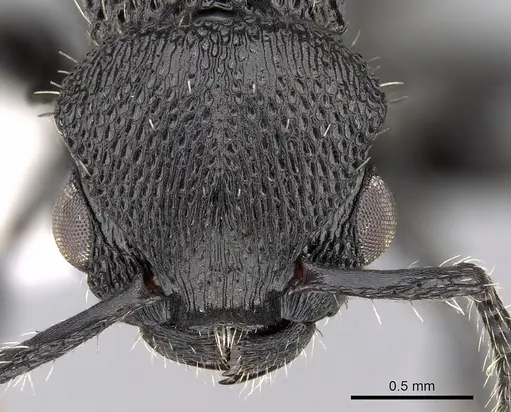
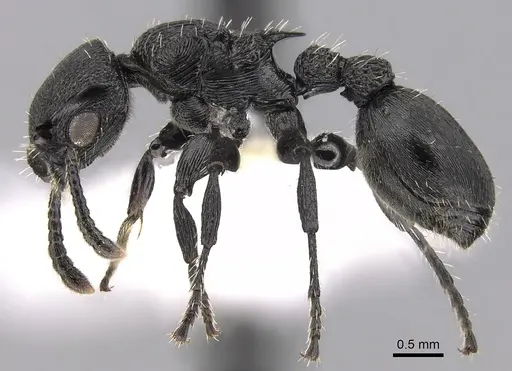
Procryptocerus striatus workers have distinctive morphological features that help identify them. The propodeal spines (the spiny projections on the back of the ant) are striate, meaning they have fine ridges running along their length. The posteropropodeum (the rear portion of the propodeum) also shows strigate (grooved or lined) texture [4].
These striations are characteristic of the genus Procryptocerus and help distinguish them from similar-looking ants. The species name 'striatus' literally means 'striped' or 'striated' in Latin, referring to this distinctive surface texture.
Without specific measurements in the literature, the exact size range is unknown, but they are small ants typical of the Attini tribe. If keeping multiple species, the striate propodeal spines are a reliable identification feature.
Feeding and Diet
The diet of Procryptocerus striatus is not documented in scientific literature. As members of the tribe Attini, they are related to leaf-cutter ants (Atta and Acromyrmex), but Procryptocerus are not true fungus-growers. Their diet likely includes nectar, honeydew from aphids or scale insects, and small insects, similar to many other Myrmicinae ants.
For captive feeding, offer a varied diet including sugar sources (honey water, sugar water) and protein sources (small insects like fruit flies, pinhead crickets, mealworms). Start with small prey items and observe what the workers accept. Since they nest in decaying wood, they may have different dietary preferences than typical ground-nesting ants.
Do not assume they need fungus, they are not in the same subtribe as true leaf-cutters. Offer foods sparingly and remove uneaten items to prevent mold in the humid nest environment.
Care Recommendations
Based on their natural history, Procryptocerus striatus requires high humidity and warm temperatures typical of Brazilian Atlantic Forest habitats. Keep temperatures in the range of 22-26°C, providing a gradient so the ants can self-regulate.
The most critical aspect is providing appropriate nesting material. A naturalistic setup with decaying wood fragments is ideal, but if using artificial nests, ensure the substrate remains moist but not waterlogged. Monitor condensation levels, some moisture is good, but excessive condensation can indicate too much humidity.
Because this species is rarely kept, start with a small colony and observe their behavior closely. Document your observations, captive husbandry records for this species would be valuable contributions to antkeeping knowledge. Be patient with growth, as limited data suggests they may be slow developers.
Use escape prevention appropriate for their size, though they are not known to be particularly aggressive or prone to escaping like some Myrmicinae species. [1]
Frequently Asked Questions
How long does it take for Procryptocerus striatus to produce first workers?
The egg-to-worker development time is unknown, this species has not been studied in captivity. Based on related Attini species, expect several months at optimal temperatures, but this is purely an estimate.
What do Procryptocerus striatus ants eat?
Their diet is unconfirmed in scientific literature. Based on genus patterns, they likely accept sugar sources (honey water, sugar water) and small insects. Do not assume they need fungus, they are not true leaf-cutters. Start with varied foods and observe what they accept.
Can I keep Procryptocerus striatus in a test tube?
Test tubes are not ideal for this species. They naturally nest in decaying wood and excavate galleries. A naturalistic setup with wood fragments, or a Y-tong/plaster nest with wood material, is more appropriate. Test tubes can be used for founding colonies temporarily but should not be the long-term housing.
Are Procryptocerus striatus good for beginners?
This species is not recommended for beginners. It is rarely kept in captivity, with limited available care information. The specific humidity and dietary requirements are not well understood. Only experienced antkeepers should attempt this species.
What temperature should I keep Procryptocerus striatus at?
Based on their Brazilian Atlantic Forest habitat, aim for 22-26°C. Provide a temperature gradient so the colony can self-regulate. Avoid temperatures below 20°C or above 30°C.
Do Procryptocerus striatus need hibernation?
Diapause requirements are unknown. As a Brazilian species from a relatively stable tropical climate, they likely do not require true hibernation. They may slow down during cooler months but should be kept warm year-round.
How big do Procryptocerus striatus colonies get?
Maximum colony size is unknown. No scientific literature documents colony sizes for this species. Related Attini species can reach thousands of workers, but Procryptocerus likely remain smaller.
Can I keep multiple Procryptocerus striatus queens together?
Colony structure (monogyne vs polygyne) is unconfirmed for this species. Do not attempt combining unrelated queens until more is known about their natural colony structure.
Why are my Procryptocerus striatus dying?
Common issues include: drying out (they require high humidity in decaying wood nests), incorrect diet (their specific requirements are unknown), and stress from disturbance. Ensure humid, stable conditions and minimal disruption. This species may have requirements not yet understood by the hobby.
Report an Issue
The current care sheet is based fully on literature. See inconsistencies, or something that's incorrect? Please , it will be resolved after review from an admin. Contributing to the blogs tab also helps providing information, to make us be able to further improve the caresheets. Thank you for your support!
References

This caresheet is licensed under CC BY-SA 4.0 .
CASENT0280785
View on AntWeb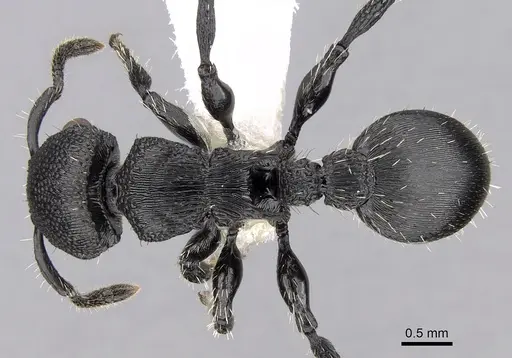
Literature
Loading...Loading products...