

Procryptocerus spiniperdus
- Scientific Name
- Procryptocerus spiniperdus
- Tribe
- Attini
- Subfamily
- Myrmicinae
- Author
- Forel, 1899
- Distribution
- Found in 5 countries
Procryptocerus spiniperdus Overview
Procryptocerus spiniperdus is an ant species of the genus Procryptocerus. It is primarily documented in 5 countries , including Brazil, Ecuador, French Guiana. Detailed taxonomic data and occurrence records can be further explored via authoritative databases such as AntWeb or the Global Biodiversity Information Facility (GBIF).
Procryptocerus spiniperdus
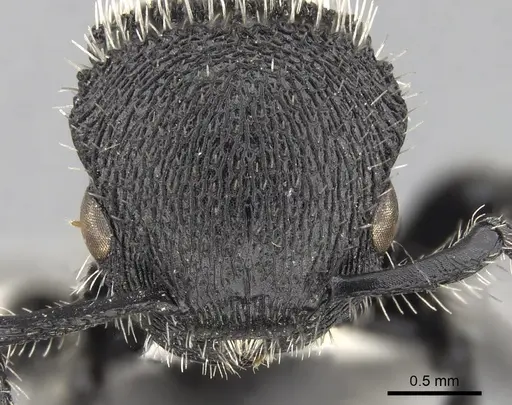
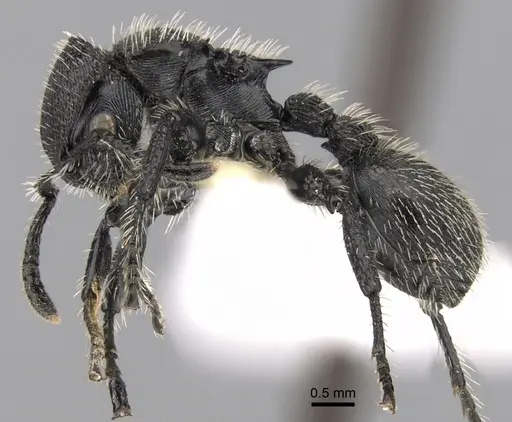
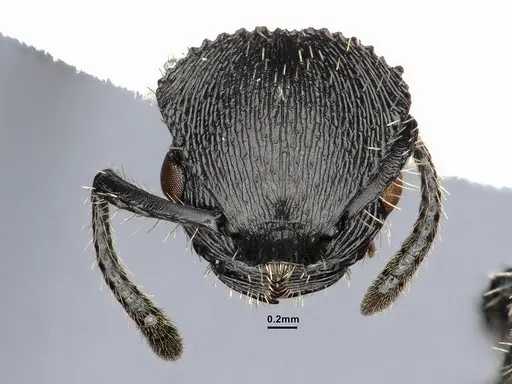
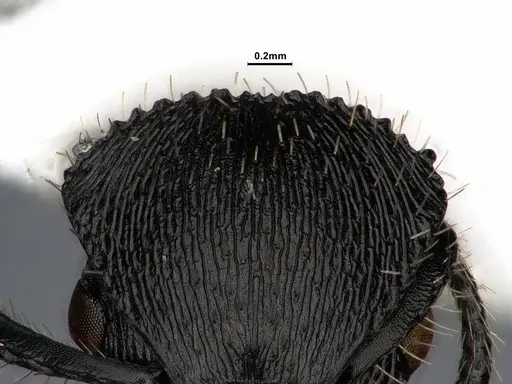
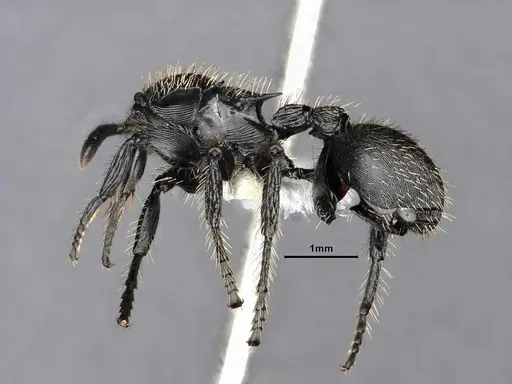
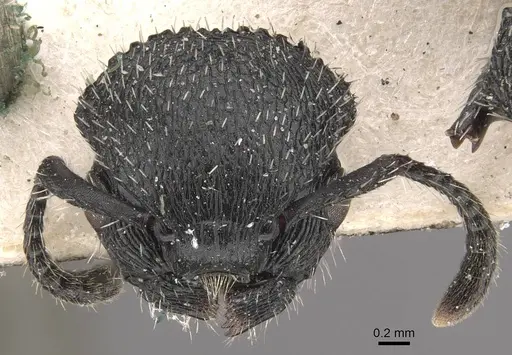
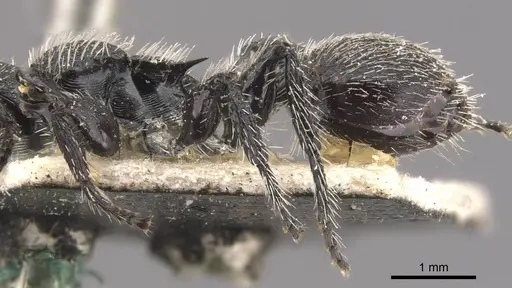
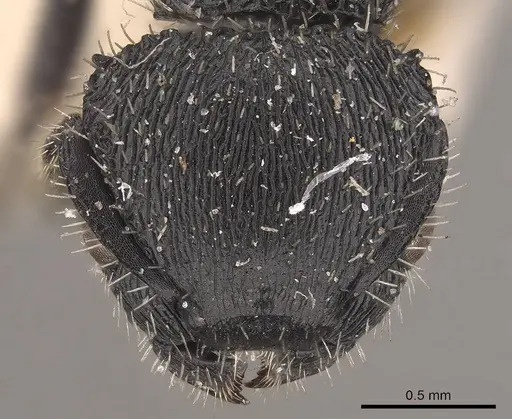
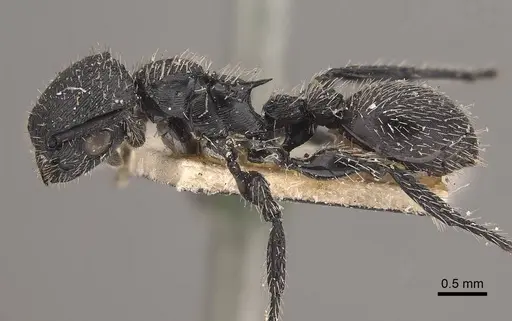
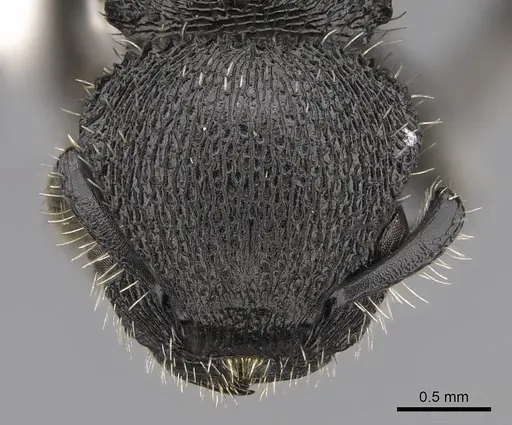
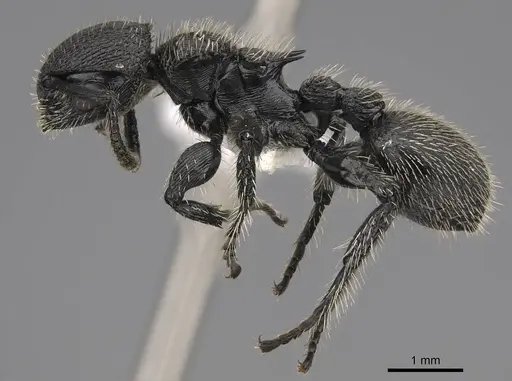
Procryptocerus spiniperdus is a medium-sized arboreal ant native to the Neotropical region, found across Brazil, Colombia, Ecuador, French Guiana, Peru, and Trinidad and Tobago [1][2]. Workers measure approximately 11-12mm in total length, making them a noticeable species compared to many Myrmicinae ants [2]. They have distinctive morphological features including a crenate (sharply indented) frontovertexal margin, a concave vertex, and finely striated metasomal segments [3].
This species is arboreal, living primarily in tree cavities, twigs, and bromeliads rather than ground nests. Research in Brazilian cocoa agroecosystems found them associated with twigs and bark cavities of bromeliads on Erythrina shade trees, rather than the suspended soil or leaf litter that other ant species use [4]. This arboreal lifestyle makes them a unique species to keep, requiring different setup considerations than typical ground-nesting ants.
Quick Summary
- Difficulty: Medium
- Origin & Habitat: Neotropical region including Brazil, Colombia, Ecuador, French Guiana, Peru, and Trinidad and Tobago. Found in arboreal habitats including bromeliads, tree cavities, and twigs, particularly on Erythrina trees in agricultural settings [1][4].
- Colony Type: Colony structure is not well-documented in scientific literature. Based on typical Procryptocerus patterns, likely monogyne (single queen) colonies.
- Size & Growth:
- Queen: Not specifically documented in available research, estimated 12-14mm based on genus patterns
- Worker: 11-12mm total length [2]
- Colony: Unknown, no colony size data available in research
- Growth: Unknown, no development timing data available
- Development: Unconfirmed, no direct measurements available. Based on related Attini species in tropical conditions, estimate 6-10 weeks at optimal temperature. (Development timeline is unconfirmed. Related Attini species typically develop in 6-10 weeks under tropical conditions.)
- Antkeeping:
- Temperature: Keep warm, around 24-28°C. Being a tropical species, they need consistently warm temperatures similar to their natural habitat in Brazil and Colombia [1].
- Humidity: Moderate to high humidity, they naturally inhabit bromeliads and tree cavities in humid tropical forests. Keep nest substrate moist but not waterlogged, with some drier areas available.
- Diapause: No, being a tropical species, they do not require hibernation or winter rest. Maintain consistent temperatures year-round.
- Nesting: Arboreal setup is essential. They naturally nest in twigs, tree bark cavities, and bromeliads. In captivity, use setups that mimic tree hollows, vertical or angled nests with narrow chambers work well. Cork bark setups or acrylic nests with tight chambers scaled to their size are appropriate.
- Behavior: This is a relatively calm, non-aggressive species compared to many Myrmicinae. They are arboreal foragers, likely hunting small invertebrates and tending honeydew-producing insects in their natural habitat. Workers are moderately active and forage along branches and vegetation. Their medium size and calm temperament make them manageable, but their arboreal nature requires specific housing. Escape prevention is important, while not tiny, they can squeeze through gaps if enclosures are not properly sealed.
- Common Issues: arboreal nature makes standard ground nests unsuitable, they need vertical/branch-like setups, tropical temperature requirements mean they cannot tolerate cool conditions, limited availability in the antkeeping hobby means established keeping practices are rare, humidity control is important, too dry causes desiccation, too wet promotes mold, wild-caught colonies may carry parasites or be stressed from collection
Natural History and Distribution
Procryptocerus spiniperdus is found across the northern South American continent, with documented populations in Brazil, Colombia, Ecuador, French Guiana, Peru, and Trinidad and Tobago [1]. The species was originally described from Trinidad by Forel in 1899,with the queen later described by Wheeler in 1922 [4].
This is exclusively an arboreal species. Research in Brazilian Atlantic forest agroecosystems found them specifically associated with twigs and bark cavities within bromeliads on Erythrina trees, a common shade tree in cocoa plantations [4]. Unlike many ant species that use the suspended soil or litter inside bromeliads, P. spiniperdus occupies the upper plant structures, foraging in the tree canopy [4]. This makes them a truly arboreal ant that rarely, if ever, descends to the ground.
The Colombian records from Caquetá and Vaupés departments show they inhabit lowland tropical areas around 60-300m elevation, consistent with their bromeliad-dwelling ecology [1][5].
Housing and Nest Setup
Keeping Procryptocerus spiniperdus successfully requires mimicking their natural arboreal habitat. These ants nest in tree cavities, twigs, and bromeliads, so standard horizontal ground nests are not appropriate [4].
The best captive setups replicate vertical tree hollows. Cork bark nests work well because they naturally provide the cavity-like spaces these ants prefer. Alternatively, custom acrylic nests with narrow, tight-fitting chambers scaled to their 11-12mm worker size can work. The key is providing a vertical or angled orientation rather than horizontal.
Because they are arboreal, the outworld should also reflect this, include branches, twigs, or other structures they can walk on. A naturalistic setup with cork bark as both nest and outworld often works best. Ensure the setup has proper escape prevention, while not tiny, they are agile and will find any gaps.
Humidity should be moderate to high inside the nest. These ants naturally experience humid tropical conditions in bromeliad axils and tree cavities. Keep the nest material moist but not dripping wet.
Feeding and Diet
As a member of the tribe Attini (which includes leaf-cutter ants), Procryptocerus has some relationship with fungal resources, but Procryptocerus species are not true leaf-cutters. They are generalist foragers in their natural habitat.
In captivity, offer a varied diet: protein sources like small insects (fruit flies, small crickets, mealworms), and sugar sources like honey water or sugar water. Being arboreal, they likely supplement their diet with honeydew from aphids or scale insects in the wild, so sugar sources are important.
Feed protein 2-3 times per week, and keep sugar water available constantly. Remove uneaten prey after 24-48 hours to prevent mold. Observe your colony's preferences, some colonies may favor certain foods over others.
Temperature and Seasonal Care
Being a tropical species from Brazil and Colombia, Procryptocerus spiniperdus requires warm temperatures year-round. Maintain the nest area at 24-28°C consistently. Temperatures below 22°C for extended periods can stress the colony and slow or stop brood development.
A small heating cable or mat on one side of the nest can help maintain warmth, but ensure there is a temperature gradient so workers can move between warmer and cooler areas. Room temperature may be sufficient in warm homes, but monitor with a thermometer.
No diapause or hibernation is required, this is a tropical ant that remains active year-round. Avoid placing the nest near air conditioning vents, drafty windows, or other cool areas. Consistent warmth is key to keeping this species healthy.
Behavior and Colony Dynamics
Procryptocerus spiniperdus is generally a calm, non-aggressive species. Workers are moderately active and spend time foraging both within the nest structure and in the outworld. Their arboreal nature means they are comfortable moving on vertical surfaces and branches.
The colony likely has a single queen (monogyne), though this has not been specifically documented in scientific literature. Queens are probably slightly larger than workers at 12-14mm, though exact measurements are not available.
Colony growth is expected to be moderate, faster than some slow-growing Camponotus species but not as rapid as some prolific Myrmicinae. Expect the first year to focus on establishing the colony, with growth becoming more noticeable in years two and beyond.
Frequently Asked Questions
Can I keep Procryptocerus spiniperdus in a test tube setup?
A standard test tube setup is not ideal for this species. They are arboreal ants that naturally nest in tree cavities and twigs, not horizontal tubes. A cork bark setup, custom acrylic nest with vertical orientation, or naturalistic vivarium with branches would be more appropriate.
How long does it take for the first workers to emerge?
The exact development timeline is unconfirmed for this species. Based on related Attini species under tropical conditions, expect approximately 6-10 weeks from egg to first worker at optimal temperature (24-28°C).
Are Procryptocerus spiniperdus good for beginners?
This species is rated as Medium difficulty. While not aggressive, their arboreal nature requires specific housing (vertical nests, not horizontal), and they need warm tropical conditions year-round. Some antkeeping experience is helpful before attempting this species.
Can I keep multiple queens together?
The colony structure of this species is not well-documented, but based on typical Procryptocerus patterns, they likely form single-queen colonies. Combining unrelated queens is not recommended without evidence that they can co-exist.
What temperature do Procryptocerus spiniperdus need?
Keep them warm at 24-28°C consistently. Being a tropical species from Brazil and Colombia, they cannot tolerate cool temperatures. A heating cable on part of the nest can help maintain appropriate temperatures.
Do they need hibernation or diapause?
No. As a tropical species, they do not require hibernation or winter rest. Maintain consistent warm temperatures year-round.
Why are my Procryptocerus spiniperdus dying?
Common causes include: temperatures below 22°C (tropical ants are sensitive to cool conditions), too dry humidity (they naturally live in humid bromeliad environments), improper housing (they need vertical/arboreal setups, not horizontal ground nests), or stress from wild collection. Ensure all parameters are appropriate for a tropical arboreal species.
What do Procryptocerus spiniperdus eat?
Offer a varied diet including protein (small insects like fruit flies, pinhead crickets, mealworms) 2-3 times per week and constant access to sugar sources (honey water or sugar water). They are generalist foragers.
How big do colonies get?
Colony size data is not available in scientific literature for this species. Based on related Attini species and their medium worker size, colonies likely reach several hundred workers over several years.
References

This caresheet is licensed under CC BY-SA 4.0 .
CASENT0280790
View on AntWeb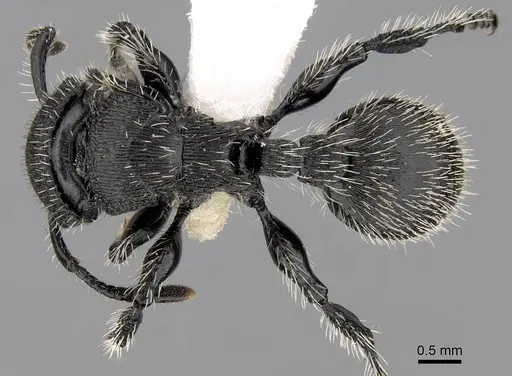
CASENT0884230
View on AntWeb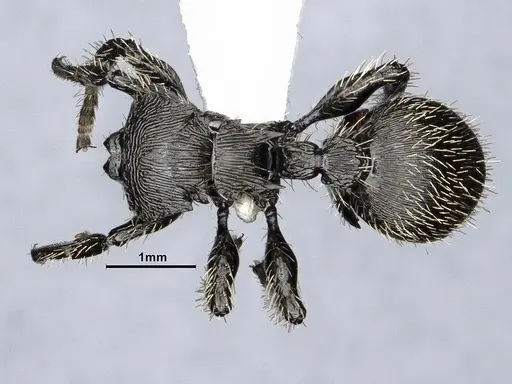
CASENT0909252
View on AntWeb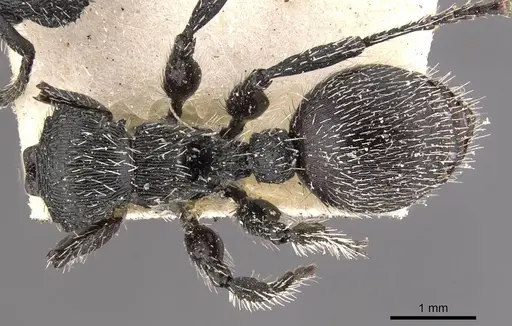
CASENT0919594
View on AntWeb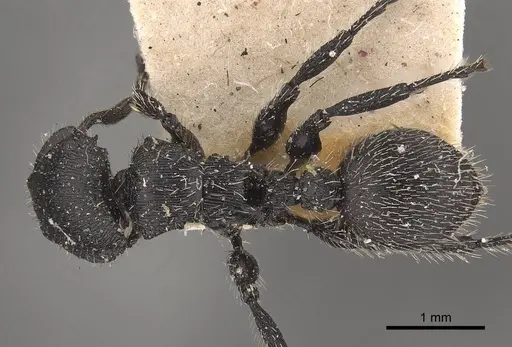
CASENT0922632
View on AntWeb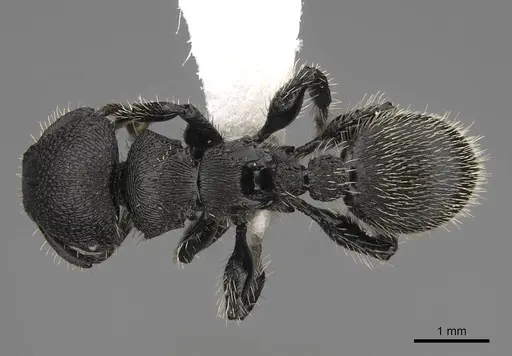
Literature
Loading...Loading products...