

Procryptocerus scabriusculus
- Scientific Name
- Procryptocerus scabriusculus
- Tribe
- Attini
- Subfamily
- Myrmicinae
- Author
- Forel, 1899
- Distribution
- Found in 4 countries
Procryptocerus scabriusculus Overview
Procryptocerus scabriusculus is an ant species of the genus Procryptocerus. It is primarily documented in 4 countries , including Costa Rica, Guatemala, Mexico. Detailed taxonomic data and occurrence records can be further explored via authoritative databases such as AntWeb or the Global Biodiversity Information Facility (GBIF).
Procryptocerus scabriusculus
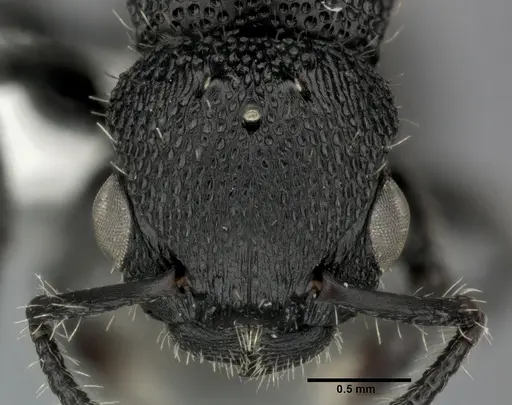
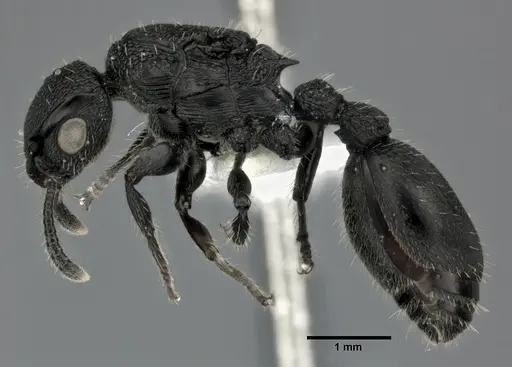
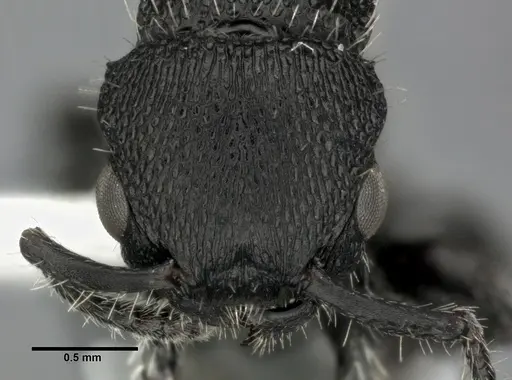
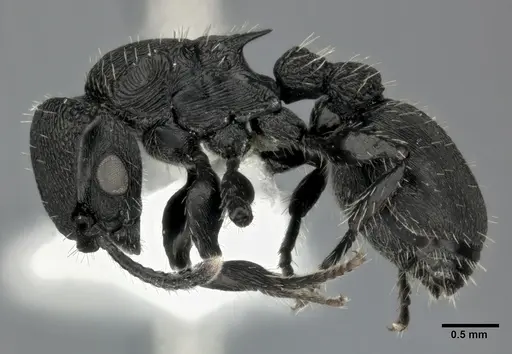
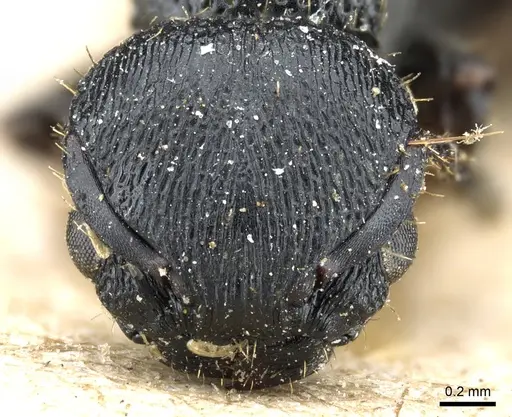
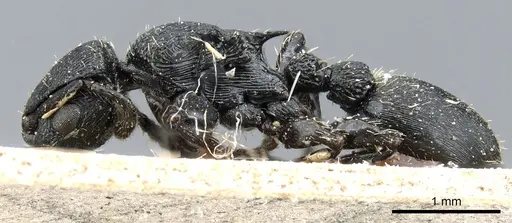
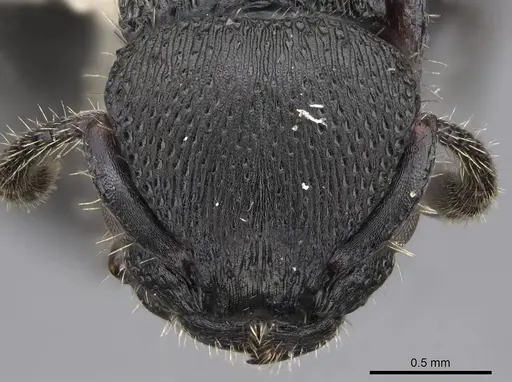
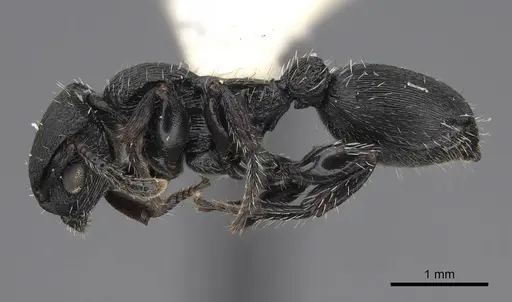
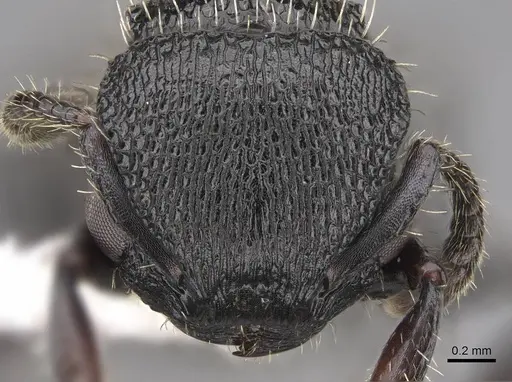
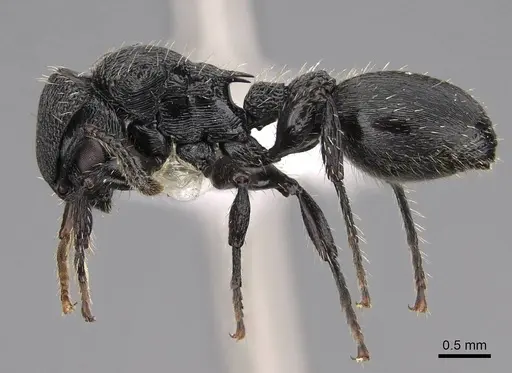
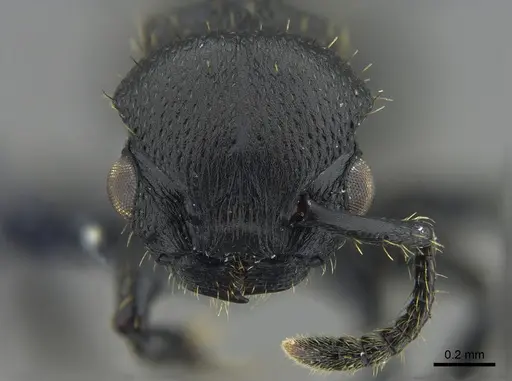
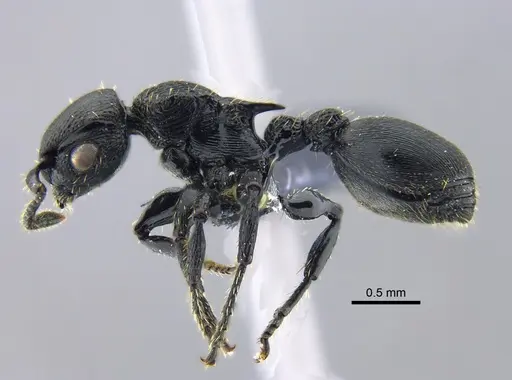
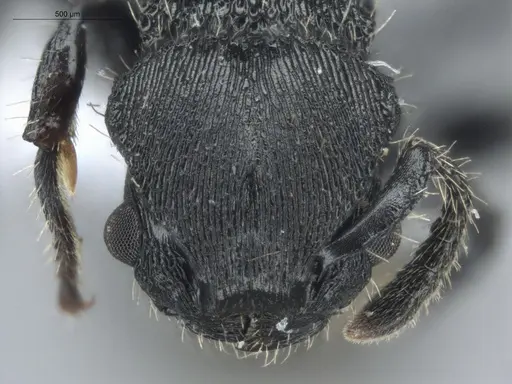
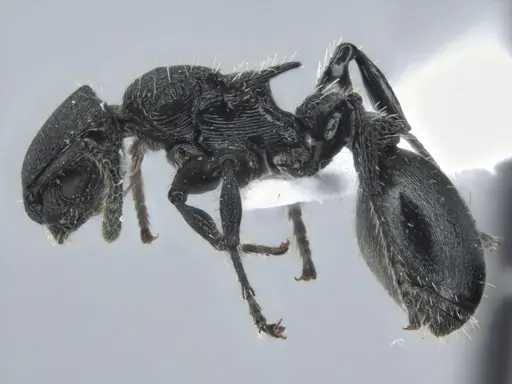
Procryptocerus scabriusculus is a small to medium-sized ant native to Central and northern South America. Workers measure 3.5-8.5mm with a distinctive appearance featuring a subcircular head, strongly swollen femora (thighs), and longitudinal striations on the gaster (abdomen). The face has characteristic foveate-striolate sculpture giving it a somewhat rough texture. This species is the most frequently encountered Procryptocerus throughout its range, which spans from Mexico down to Venezuela and Colombia [1].
Unlike most other Procryptocerus species which prefer wet forest habitats, P. scabriusculus thrives in dry habitats, roadsides, and second-growth vegetation, making it unusual within its genus [1]. It is a twig-nesting ant, colonizing hollow stems of various plants including Acacia, Spilanthes, and Baccharis. Colonies can be polygynous (multiple queens) with up to 27% of the adult population composed of queens, though monogynous (single-queen) colonies are also found [2]. Workers forage at dusk and during the night, and sexuals (winged queens and males) are attracted to lights at night [1].
Quick Summary
- Difficulty: Medium
- Origin & Habitat: Native to the Neotropical region from Mexico to Venezuela, including Belize, Colombia, Costa Rica, El Salvador, French Guiana, Guatemala, Honduras, Nicaragua, and Panama. Found from sea level to 1450m elevation in dry habitats, roadsides, second-growth vegetation, and coffee plantations [1][2].
- Colony Type: Facultatively polygynous, colonies can be monogyne (single queen) or polygyne (multiple queens working together). Up to 27% of adult population can be queens. At least one colony was observed to be polydomous (multiple connected nest sites) [1][2].
- Colony: Optionally polygyne
- Size & Growth:
- Queen: Approximately 5-6mm (estimated from worker proportions)
- Worker: 3.5-8.5mm (polymorphic workers) [3]
- Colony: One documented colony had 6 queens,62 workers and brood. Maximum colony size estimated around 60-100 workers based on available data [2].
- Growth: Moderate, development timeline not directly documented but inferred from related Myrmicinae patterns
- Development: Estimated 6-10 weeks at tropical temperatures (24-28°C) based on genus-level inference since specific development data is unavailable (No direct species-specific development data available. Estimates based on typical Myrmicinae development patterns.)
- Antkeeping:
- Temperature: Keep at 24-28°C (tropical room temperature). They tolerate a range from roughly 22-30°C but grow best in warm conditions. A gentle heat gradient allows workers to self-regulate [1][2].
- Humidity: Moderate humidity around 60-80%. These are twig-nesting ants from seasonal dry habitats, so they prefer somewhat drier conditions than typical rainforest species. Allow substrate to dry partially between waterings [1].
- Diapause: No true diapause, being a tropical species, they do not require hibernation. However, slight temperature reduction in winter months (to around 20-22°C) may slow activity and be beneficial [2].
- Nesting: Twig-nesting species that needs narrow, horizontal nesting chambers. In captivity, they do well in small formicariums with narrow test tube connections or acrylic nests with tight chambers scaled to their size. Natural nesting is in hollow twigs and small stems, provide similar conditions with chambers roughly 3-8mm in diameter [1][2].
- Behavior: Generally calm and non-aggressive temperament. Workers are small and somewhat inconspicuous, not particularly defensive. They forage primarily at dusk and during the night. Escape risk is moderate, their small size means they can slip through small gaps, but they are not strong climbers. Use standard escape prevention with fine mesh barriers. They are poor competitors in laboratory studies, losing about 60% of competitive encounters with other ant species for nest sites, this means they may struggle if housed near more aggressive ant species [4].
- Common Issues: poor competitor with other ants, they lose most nest competition encounters in lab studies, so keep them separate from aggressive species, nocturnal foraging means they may be less active during daytime observation hours, polygynous colonies may have queen-related aggression during founding, monitor when combining multiple queens, tropical species does not tolerate cold, keep above 20°C year-round, small size and weak climbing ability means they can get stuck in water barriers if not designed properly
Housing and Nest Setup
Procryptocerus scabriusculus is a twig-nesting ant, which means it naturally colonizes hollow stems and twigs. In captivity, you should replicate these conditions using narrow, horizontal nesting chambers. Small acrylic formicariums or Y-tong nests work well, with chambers sized roughly 4-8mm in diameter to match their worker size range. Test tube setups with cotton can work for founding colonies, but the tubes should be relatively short and narrow.
These ants are not aggressive and do not have a painful sting, so they are safe to handle. However, they are poor competitors, in studies, they lost about 60% of competitive encounters for nest sites against other ant species [4]. Keep them in separate enclosures from more aggressive ants. They are also poor climbers compared to many arboreal ants, so ensure your setup has smooth barriers that they cannot grip.
The outworld should be simple and easy to clean. Since they forage at night, you may not see much activity during daylight hours. Provide a shallow water source and protein foods in the outworld, and place sugar water on the nest itself or on a feeding platform.
Feeding and Diet
Like most Myrmicinae ants, Procryptocerus scabriusculus is omnivorous. They likely feed on honeydew (the sugary liquid excreted by aphids and scale insects), small insects, and nectar in the wild. In captivity, offer a mix of protein and sugar sources.
For protein, small soft-bodied insects work best, fruit flies, small crickets, mealworms, and waxworms are all appropriate. Since they are small ants, prey items should be appropriately sized. They are known predators of the coffee berry borer beetle in coffee plantations, demonstrating they can take down small insect prey [5]. Offer protein food 2-3 times per week, removing any uneaten prey after 24 hours.
For sugars, provide sugar water, honey, or diluted maple syrup. Change sugar foods every few days to prevent mold. A constant sugar source helps sustain the colony between protein feedings. Since they forage primarily at dusk and at night, place food in the evening for best feeding observation.
Temperature and Seasonal Care
As a tropical species from Central America, Procryptocerus scabriusculus prefers warm temperatures in the range of 24-28°C. They can tolerate temperatures as low as 20°C and as high as 30°C, but growth and activity are best in the warmer end of this range. Room temperature in most homes (around 22-24°C) is generally suitable.
Unlike temperate species, they do not require a true hibernation or diapause period. However, slight seasonal variations in temperature may be beneficial, you might allow temperatures to drop slightly to around 20-22°C during winter months, which may reduce activity but is not harmful. Avoid any temperatures below 18°C as this could stress the colony.
A heat gradient is helpful but not strictly required. If you use a heating cable or mat, place it on one side of the nest so workers can move between warmer and cooler areas as needed. Place heating on top of the nest, not underneath, to avoid evaporating moisture too quickly. [1][2]
Colony Dynamics and Queen Care
This species shows interesting social flexibility, colonies can be either monogynous (single queen) or polygynous (multiple queens). In documented colonies, up to 27% of the adult population were queens [1]. One wild colony contained 6 queens,62 workers, and brood [2].
If you are starting a colony from a founding queen, she will likely seal herself in a chamber and raise her first workers alone (claustral founding, which is typical for Myrmicinae, though not directly documented for this species). The first workers (nanitics) will be smaller than mature workers.
For established colonies, you may keep multiple queens together if the colony was originally polygynous. However, if combining unrelated foundresses, do so with caution as aggression can occur. The species has been described as a poor competitor, so avoid housing them with more aggressive ant species that might outcompete them for resources or attack the colony.
Behavior and Observation
Procryptocerus scabriusculus workers are primarily nocturnal or crepuscular (active at dusk), so you will see most activity in the evening and early morning hours [1]. During the day, workers tend to remain inside the nest. This is normal behavior for this species.
The workers are relatively calm and not particularly defensive. They go about their tasks methodically without the frantic activity seen in some faster-moving ant species. This makes them somewhat less exciting to observe than some ants, but their unique appearance and interesting nesting habits make them worthwhile.
In the wild, they are known to be poor competitors for nest sites, losing most encounters with other twig-nesting ants [4]. They are also known to be excluded by aggressive ant species like Azteca in coffee plantations [6]. In captivity, respect this by keeping them away from aggressive species and providing appropriate nest sites.
Range and Distribution
Procryptocerus scabriusculus has a wide distribution across the Neotropical region, from Mexico through Central America (Guatemala, Honduras, El Salvador, Nicaragua, Costa Rica, Panama) and into northern South America (Colombia, Venezuela, French Guiana) [1][7]. They are found from sea level up to about 1450m elevation.
They are unusual within the Procryptocerus genus because they prefer dry habitats, roadsides, and second-growth vegetation, whereas most other Procryptocerus species are found in wet forest habitats [1]. This makes them more tolerant of drier conditions than many related species.
They are commonly found in coffee plantations and are one of the most frequent twig-nesting ants in coffee agroecosystems in Mexico and Central America [2][4]. They nest in the hollow twigs of various plants, including coffee branches.
Frequently Asked Questions
How long does it take for Procryptocerus scabriusculus to produce first workers?
The exact development timeline is not documented, but based on typical Myrmicinae patterns at tropical temperatures (24-28°C), expect 6-10 weeks from egg to first worker. This is an estimate since specific development data for this species is not available.
Can I keep multiple queens together in one colony?
Yes, this species is facultatively polygynous, colonies can have either a single queen or multiple queens. In the wild, polygynous colonies with up to 27% of adults being queens have been documented. However, if combining unrelated foundresses, do so cautiously as aggression may occur.
What do Procryptocerus scabriusculus ants eat?
They are omnivorous. Offer small soft-bodied insects (fruit flies, small crickets, mealworms) for protein 2-3 times per week, and provide a constant sugar source like sugar water, honey, or maple syrup. They are known predators of coffee berry borer beetles in the wild.
What temperature do they need?
Keep them at 24-28°C (tropical room temperature). They can tolerate 20-30°C but grow best in warm conditions. No heating is needed if your room is in this range. Avoid temperatures below 18°C.
Are they good for beginners?
They are rated as medium difficulty. They have specific housing needs (twig-nesting setup), are nocturnal so less active during day, and are poor competitors against other ants. They require warm temperatures year-round. They are not the easiest starter species but are manageable for intermediate antkeepers.
What type of nest should I use?
Use a twig-nesting setup with narrow horizontal chambers (roughly 4-8mm diameter). Small acrylic formicariums, Y-tong nests, or short narrow test tubes work well. The chambers should be scaled to their small worker size.
Do they need hibernation?
No, they are a tropical species and do not require true hibernation. You may reduce temperatures slightly in winter (to around 20-22°C), but this is not required. Avoid cold temperatures below 18°C.
Why are my ants not active during the day?
This is normal, Procryptocerus scabriusculus is nocturnal/crepuscular, meaning they are most active at dusk and during the night. They rest inside the nest during daylight hours.
How big do colonies get?
Based on documented colonies, maximum size appears to be around 60-100 workers. One studied colony had 6 queens and 62 workers. They are not among the largest ant species, but colonies can be polygynous which increases total population.
Can I keep them with other ant species?
It is not recommended. Studies show they are poor competitors, losing about 60% of nest competition encounters with other ants. Keep them in separate enclosures from any aggressive species.
Where are they found in the wild?
They range from Mexico to Venezuela, throughout Central America and into northern South America. Unlike most Procryptocerus, they prefer dry habitats, roadsides, and second-growth vegetation. They are common in coffee plantations from sea level to 1450m elevation.
References

This caresheet is licensed under CC BY-SA 4.0 .
CASENT0106043
View on AntWeb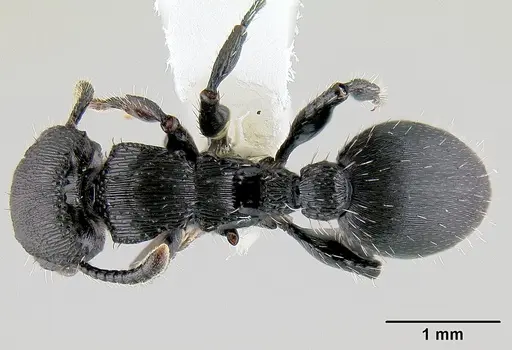
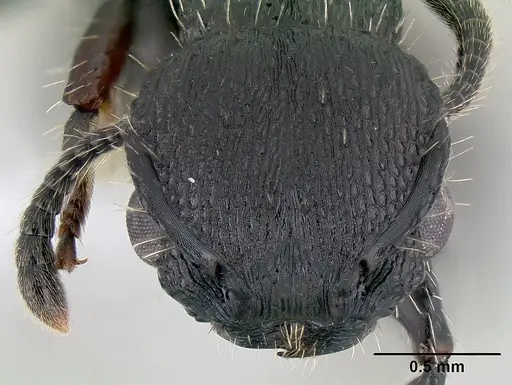
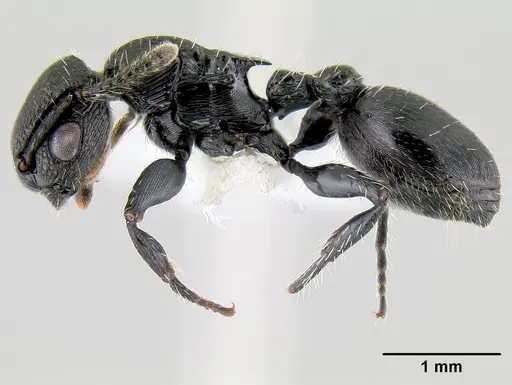
CASENT0246127
View on AntWeb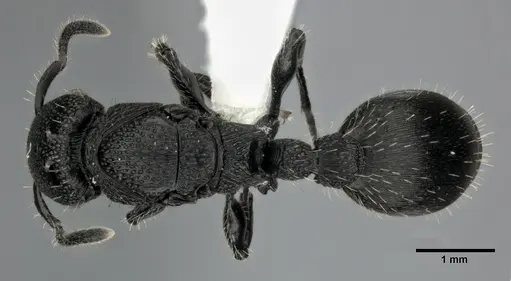
CASENT0246128
View on AntWeb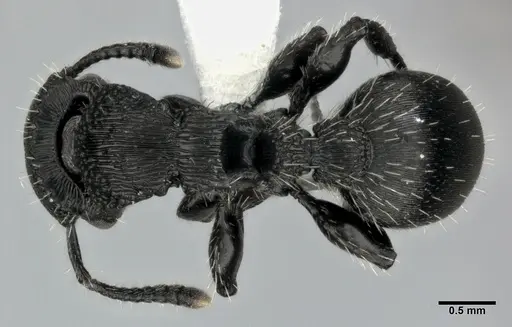
CASENT0904888
View on AntWeb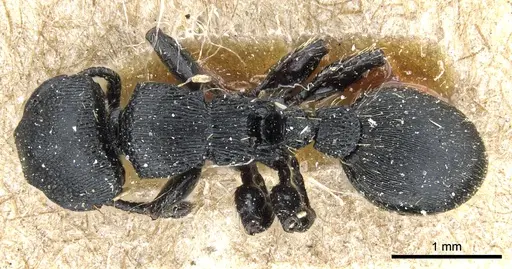
CASENT0914489
View on AntWeb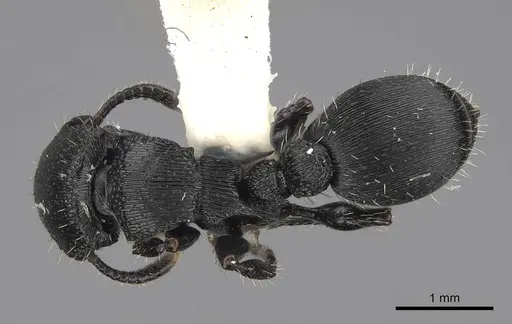
CASENT0922627
View on AntWeb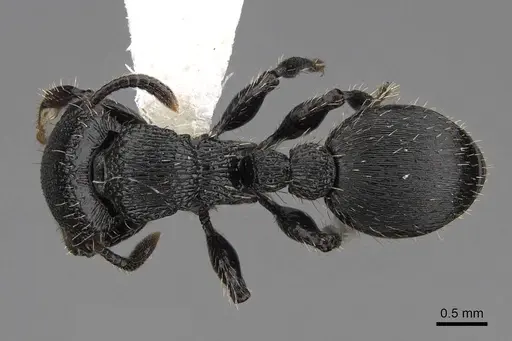
CBUMAGENT40424
View on AntWeb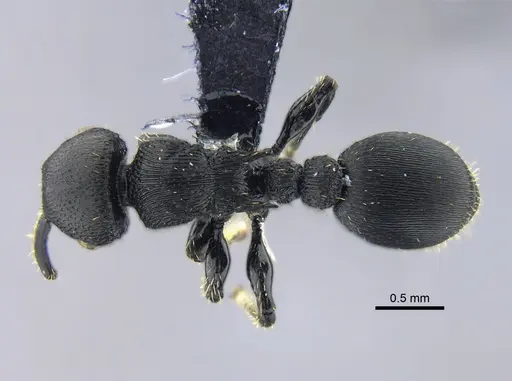
ECOFOG-IT14-0815-83
View on AntWeb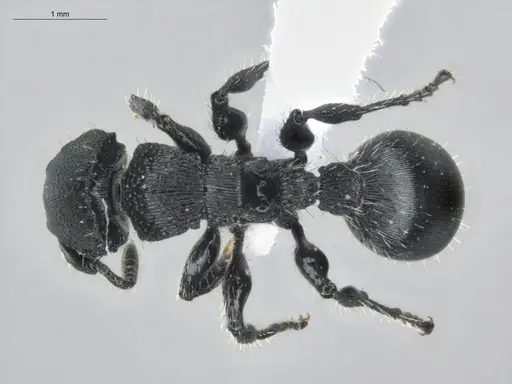
Literature
Loading...Loading products...