

Procryptocerus rudis
- Scientific Name
- Procryptocerus rudis
- Tribe
- Attini
- Subfamily
- Myrmicinae
- Author
- Mayr, 1870
- Distribution
- Found in 1 countries
Procryptocerus rudis Overview
Procryptocerus rudis is an ant species of the genus Procryptocerus. It is primarily documented in 1 countries , including Colombia. Detailed taxonomic data and occurrence records can be further explored via authoritative databases such as AntWeb or the Global Biodiversity Information Facility (GBIF).
Procryptocerus rudis
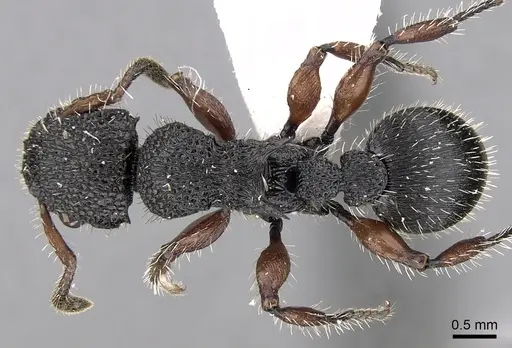
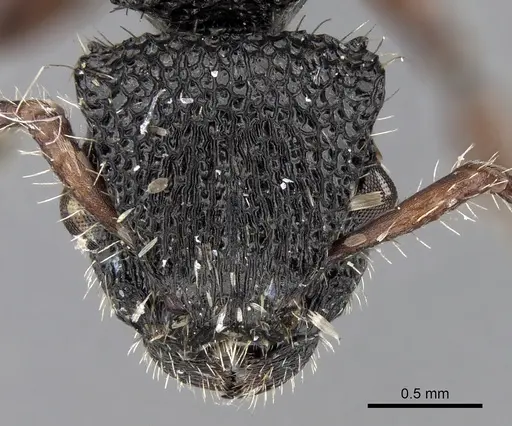
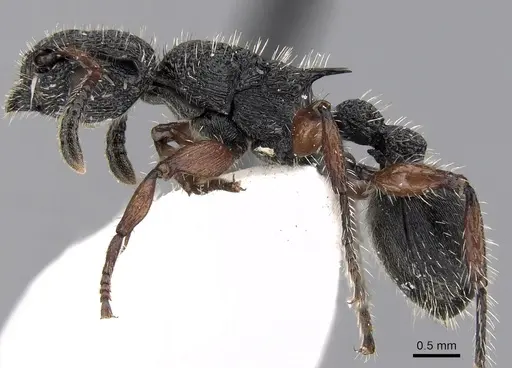
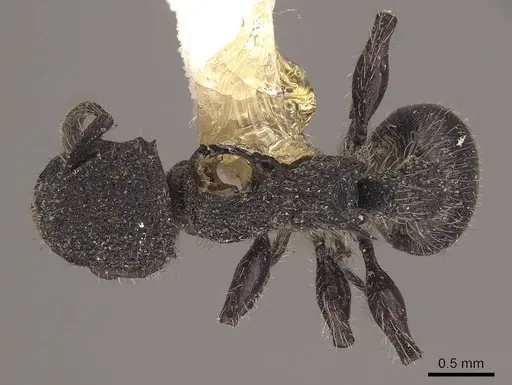
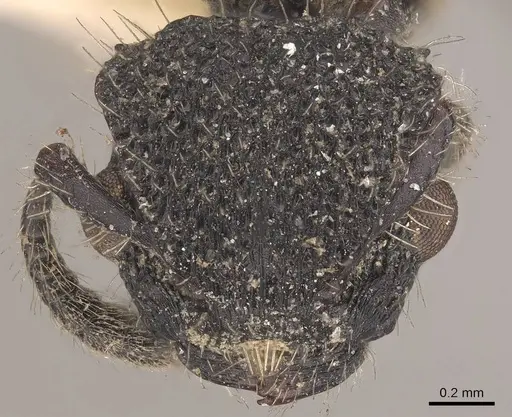
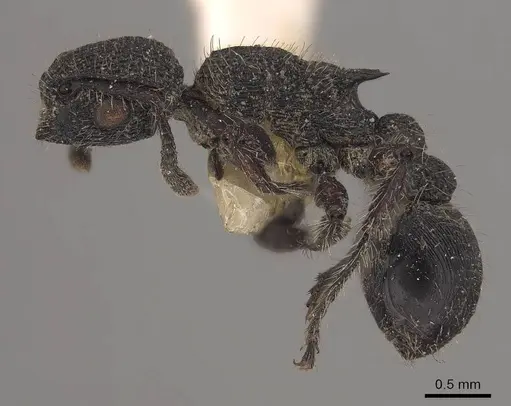
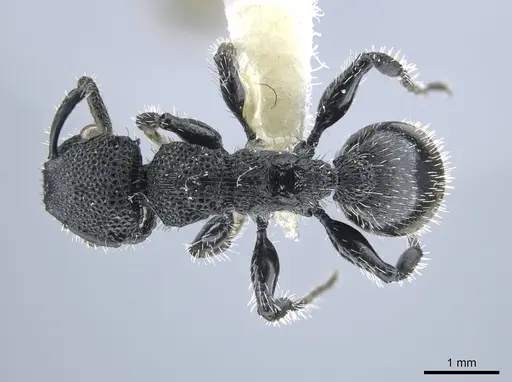
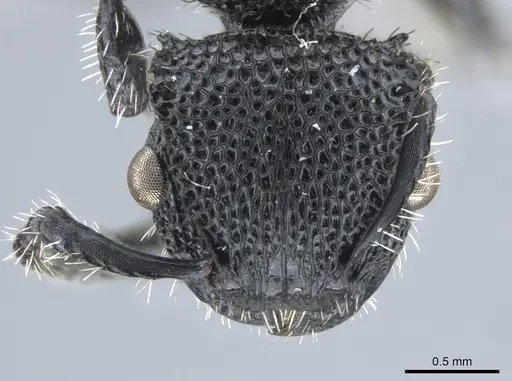
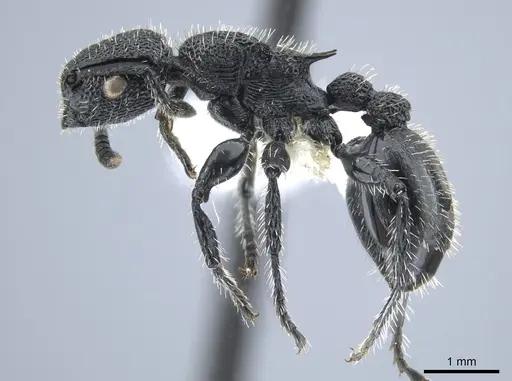
Procryptocerus rudis is a small, striking ant species native to Colombia and possibly Costa Rica in the Neotropical region. Workers measure 5-5.2mm and are entirely black and opaque with a rough, sculptured surface texture. They have distinctive propodeal spines that point backward and upward, and their legs are often reddish, particularly the anterior legs from femur to tarsus. The head and thorax have a characteristic roughly reticulately-rugose (net-like wrinkle) sculpture pattern.
This species belongs to the tribe Attini (fungus-growing ants), but Procryptocerus is considered a predatory or omnivorous member rather than a true leaf-cutter. They are rarely encountered in captivity and are poorly studied in the scientific literature. Their distribution in Colombia includes Valle del Cauca, Cundinamarca, and Huila departments [1][2].
Quick Summary
- Difficulty: Expert
- Origin & Habitat: Colombia (Neotropical region), found in Huila, Valle del Cauca, and Cundinamarca departments. Specific habitat requirements are unconfirmed [1][2].
- Colony Type: Unconfirmed colony structure. The tribe Attini typically has single-queen colonies, but Procryptocerus-specific data is lacking.
- Size & Growth:
- Queen: Unknown, not documented in available literature
- Worker: 5-5.2mm [3]
- Colony: Unknown, no colony size data available
- Growth: Unknown
- Development: Unknown, no development data available for this species (Based on typical Attini patterns, expect 6-10 weeks at tropical temperatures, but this is an estimate only)
- Antkeeping:
- Temperature: Likely 22-28°C based on Neotropical origin and related Attini species. Start in the mid-20s and observe colony activity [4].
- Humidity: Likely requires moderate to high humidity (60-80%) typical of Colombian forest habitats. Keep substrate consistently moist but not waterlogged.
- Diapause: Unlikely, as a Neotropical species from a region without harsh winters, they probably do not require a diapause period. However, they may have seasonal activity patterns tied to wet/dry cycles.
- Nesting: Natural nesting behavior is unconfirmed. Based on related Attini species and the rough sculpture on workers, they likely nest in soil or decaying wood in humid forest environments. A naturalistic setup with moist substrate or a Y-tong/plaster nest works well for similar Myrmicinae.
- Behavior: Behavior is poorly documented. They are likely relatively docile compared to some other Myrmicinae. Workers forage individually and are probably omnivorous, feeding on small arthropods and potentially honeydew. Their small size (5mm) and somewhat bulky build suggests moderate escape risk, use standard barrier methods but they are not tiny escape artists. They are not known to be aggressive stingers.
- Common Issues: this species is extremely rare in the antkeeping hobby with almost no captive breeding success documented, specific temperature and humidity requirements are unknown, requiring careful experimentation, colony size potential is completely unknown, making it difficult to plan appropriate housing, diet acceptance in captivity is unconfirmed, they may be specialized predators, no established care protocols exist, making this a species for experienced keepers willing to experiment
Species Overview and Identification
Procryptocerus rudis is a distinctive small ant species that can be recognized by its entirely black, opaque body with rough sculptural texture and its prominent propodeal spines that point backward and upward. Workers measure 5-5.2mm in length, making them a small but robust member of the Myrmicinae subfamily. The legs, particularly the anterior legs, often show reddish coloration from the femur to the tarsus. The head and thorax feature a characteristic net-like wrinkle pattern (reticulately-rugose), while the abdomen has longitudinal striations. This species was originally described as Procryptocerus rudis by Gustav Mayr in 1870 from Colombian specimens and was later moved to the genus Procryptocerus by Emery in 1887 [3][2].
Distribution and Habitat
Procryptocerus rudis is known from Colombia, with confirmed records from Huila, Valle del Cauca, and Cundinamarca departments [1][2]. Some sources also list the species in Costa Rica inventory surveys [4], though this may need verification. The specific habitat preferences within these regions are not well documented in the available literature. As a Neotropical species from Colombia, it likely inhabits humid forest environments typical of the region, possibly at mid-elevations. The lack of detailed habitat data makes it difficult to provide specific captive care parameters, but the general expectation would be warm, humid conditions matching Colombian tropical forest environments.
Taxonomy and Relatives
Procryptocerus rudis belongs to the tribe Attini within the subfamily Myrmicinae. The Attini tribe is best known for the leaf-cutter ants (Atta and Acromyrmex) that cultivate fungus for food. However, Procryptocerus is not a true leaf-cutter, it is considered a more primitive member of the Attini that likely has different dietary habits. The genus Procryptocerus contains several dozen species, all restricted to the Neotropics. They are characterized by their sculptured bodies, distinctive propodeal spines, and relatively rare occurrence in ant collections. The genus has been studied morphologically, with detailed descriptions of the worker caste available, but biological and ecological data remains sparse for most species [5][2].
Keeping Procryptocerus rudis in Captivity
This species is not recommended for beginners due to the complete lack of documented captive care information. There are no established protocols for housing, feeding, or breeding Procryptocerus rudis in captivity. If attempting to keep this species, use a naturalistic setup with moist substrate (soil or a soil/plaster mix) in a secure enclosure. Temperature should likely be in the range of 22-28°C based on the species' Neotropical origin. Humidity should be moderate to high (60-80%). For feeding, offer small live prey (fruit flies, pinhead crickets, small mealworms) and occasional sugar sources (honey water, sugar water). However, acceptance of captive diets is completely unconfirmed. This species is best suited for advanced antkeepers willing to document and share their observations to build husbandry knowledge.
Morphology and Identification for Keepers
When identifying Procryptocerus rudis, look for workers around 5mm in length with a completely black, opaque (not shiny) body. The most distinctive features are the pair of propodeal spines on the rear of the thorax, which point backward and are usually longer than the dorsal surface of the propodeum. The legs often show reddish coloration, especially on the anterior legs. The body surface has a rough, net-like texture (reticulately-rugose) especially on the head and thorax. The abdomen has longitudinal striations. These features help distinguish Procryptocerus from similar-sized dark Myrmicinae. Queens and males are not described in the available literature, so colony identification relies on workers [3][2].
Frequently Asked Questions
How long do Procryptocerus rudis workers live?
Worker lifespan is unconfirmed for this species. Typical Myrmicinae workers live several months to a few years, but specific data for P. rudis does not exist.
What do Procryptocerus rudis eat?
Diet is unconfirmed. As a member of the Attini tribe, they may be omnivorous or predatory, feeding on small insects and likely tending to homopterans for honeydew. In captivity, offer small live prey and sugar sources, but acceptance is completely unconfirmed.
Can beginners keep Procryptocerus rudis?
No. This species is rated Expert difficulty due to the complete lack of captive care documentation. There are no established protocols for housing, feeding, or breeding this species successfully.
How big do Procryptocerus rudis colonies get?
Colony size is completely unknown. No data exists on maximum colony size for this species in the wild or captivity.
What temperature do Procryptocerus rudis need?
Temperature requirements are unconfirmed. Based on their Neotropical Colombian origin, they likely need 22-28°C. Start in the mid-20s and adjust based on colony behavior.
Do Procryptocerus rudis need hibernation?
Unlikely. As a Neotropical species from Colombia (no harsh winters), they probably do not require a diapause period. However, seasonal activity patterns are not documented.
When do Procryptocerus rudis have nuptial flights?
Nuptial flight timing is completely unconfirmed. No data exists on when alates (reproductive ants) appear or mate in this species.
Is Procryptocerus rudis a fungus grower like leaf-cutters?
Procryptocerus belongs to the tribe Attini (fungus-growing ants) but is not a true leaf-cutter. They are considered a more primitive member of the tribe and likely have different dietary habits, probably predatory or omnivorous rather than fungus-cultivating.
References

This caresheet is licensed under CC BY-SA 4.0 .
Literature
Loading...Loading products...