

Procryptocerus regularis
- Scientific Name
- Procryptocerus regularis
- Tribe
- Attini
- Subfamily
- Myrmicinae
- Author
- Emery, 1888
- Distribution
- Found in 3 countries
Procryptocerus regularis Overview
Procryptocerus regularis is an ant species of the genus Procryptocerus. It is primarily documented in 3 countries , including Argentina, Brazil, Colombia. Detailed taxonomic data and occurrence records can be further explored via authoritative databases such as AntWeb or the Global Biodiversity Information Facility (GBIF).
Procryptocerus regularis
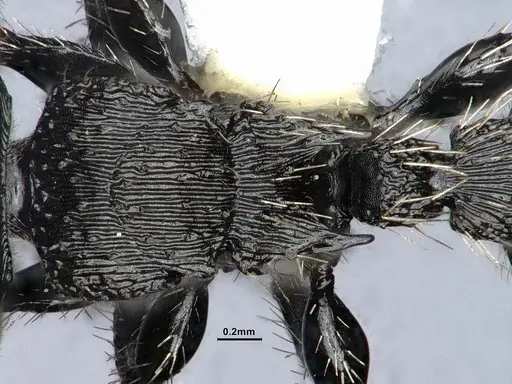
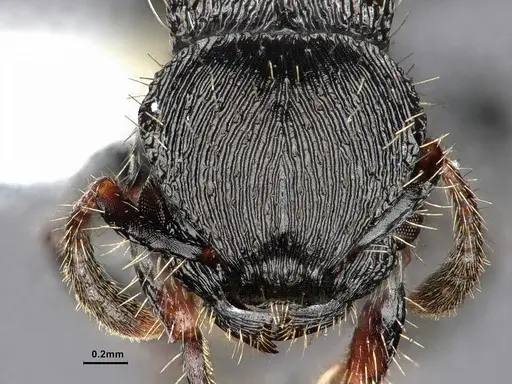
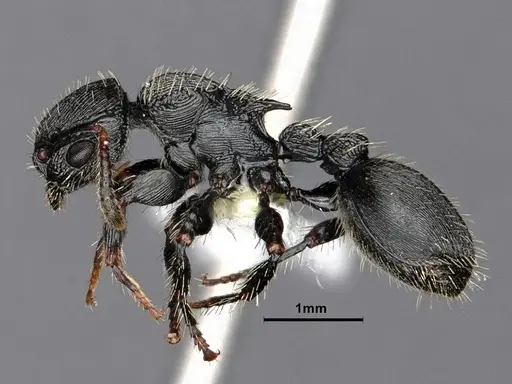
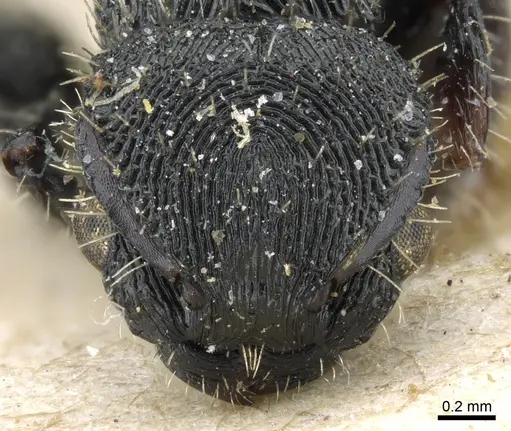
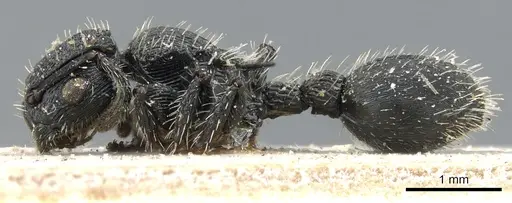
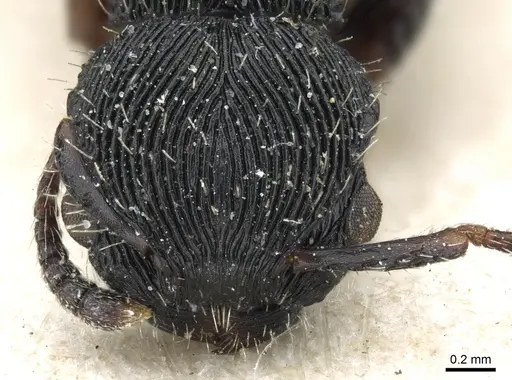
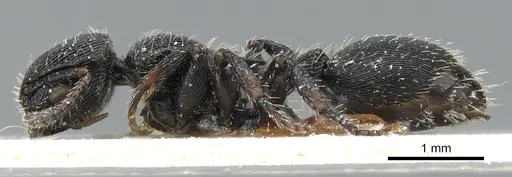
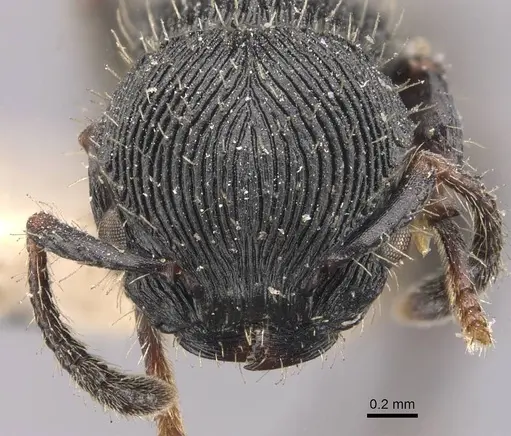
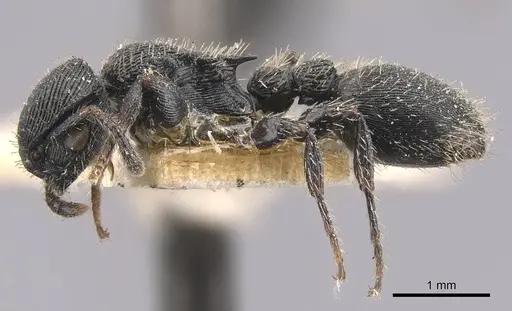
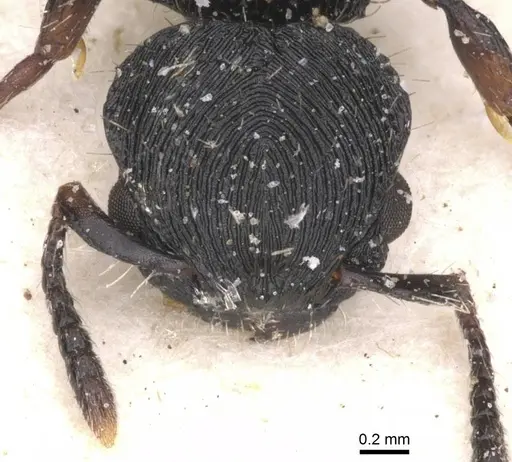
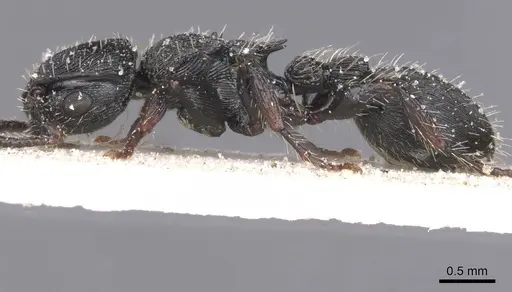
Procryptocerus regularis is a small to medium-sized ant species belonging to the tribe Attini, native to the Neotropical region including Brazil, Argentina, and Trinidad and Tobago. Workers are characterized by their distinctive morphological features including a subcircular head, costate (ridged) frons, and a postpetiole with a unique dorsal structure. The species is arboreal, meaning it nests in vegetation rather than on the ground, and is classified as a Tropical Climate Specialist. Colonies are relatively small, and the species remains poorly studied with limited published information on their biology and captive care requirements.
Quick Summary
- Difficulty: Unknown, Insufficient data for reliable assessment
- Origin & Habitat: Neotropical region, found in Brazil, Argentina (Corrientes and Misiones provinces), and Trinidad and Tobago. Inhabits arboreal vegetation in tropical dry forests, particularly in the upper Cauca river valley basin [1][2][3].
- Colony Type: Colony structure is unconfirmed. Based on being in the Attini tribe, likely monogyne (single queen) but this requires confirmation.
- Size & Growth:
- Queen: Unconfirmed, no specific measurements found in available literature
- Worker: Unconfirmed, morphological descriptions exist but specific measurements not provided in research data [4]
- Colony: Likely small to moderate based on typical Attini patterns, exact numbers unconfirmed
- Growth: Unknown
- Development: Unconfirmed, no development data available for this species (Development timeline has not been studied. Related Attini species typically take 6-10 weeks at optimal temperatures.)
- Antkeeping:
- Temperature: As a Tropical Climate Specialist, they likely require warm conditions in the low-to-mid 20s°C range. No specific studies on their thermal requirements exist. Based on their natural range in Brazil and Argentina, aim for roughly 22-26°C and monitor colony activity for signs of stress or inactivity [2].
- Humidity: Arboreal species typically prefer moderate to high humidity. Provide a humid environment with some variation, likely 60-80% relative humidity. Ensure the nest substrate remains slightly moist but not waterlogged.
- Diapause: Unknown, no published data on overwintering requirements. As a tropical species, they may not require a true diapause but may show reduced activity during cooler periods.
- Nesting: Arboreal nesting species, in captivity, they do best in setups that allow them to nest above ground. Y-tong (acrylic) nests or naturalistic setups with elevated nest chambers work well. Avoid ground-level test tube setups in favor of more vertical arrangements that mimic their natural arboreal habitat [1].
- Behavior: Behavior is poorly documented. As an Attini member, they are likely generalist foragers that collect fungal substrates or tend aphids. They are not aggressive and pose no significant threat to keepers. Escape prevention should be moderate, their small size means standard barriers are usually sufficient, but verify that lids and connections are secure. Activity level appears low to moderate based on limited field observations [5].
- Common Issues: lack of published care information makes reliable guidance difficult, arboreal nature requires specialized housing that most keepers are unfamiliar with, wild-caught colonies may have parasites or diseases with no documented treatment protocols, very limited availability in the antkeeping hobby means few experienced keepers can provide advice, humidity requirements are poorly understood and may lead to colony failure if mismatched
Nest Preferences and Housing
Procryptocerus regularis is an arboreal species, meaning it naturally nests in vegetation, trees, and elevated locations rather than in soil or ground cavities. This is a critical point for captive care, they do not thrive in standard test tube setups that place the nest at ground level. Instead, provide a more vertical arrangement that mimics their natural arboreal habitat. Y-tong (acrylic) nests work well, or you could create a naturalistic setup with elevated nest chambers. The nest should have small chambers scaled to their body size, with smooth interior surfaces. Because they are arboreal, they prefer having their nest positioned above the outworld rather than at floor level. Ensure the setup provides multiple chambers connected by narrow passages, allowing the colony to regulate their position based on humidity preferences. [1][4]
Feeding and Diet
As a member of the tribe Attini, Procryptocerus regularis likely has dietary preferences similar to other Attini ants, primarily fungivorous or generalist omnivores that may tend honeydew-producing insects and collect fungal substrates. However, their specific diet has not been documented in scientific literature. In captivity, offer a varied diet including sugar sources (honey water, sugar water) and protein sources (small insects like fruit flies, pinhead crickets, mealworms). Given the lack of specific dietary studies, observe your colony's preferences and adjust accordingly. Provide protein roughly twice weekly and ensure constant access to sugar water. Remove uneaten food promptly to prevent mold issues.
Temperature and Seasonal Care
This species is classified as a Tropical Climate Specialist, indicating they prefer warm, stable tropical conditions [2]. Their native range includes Brazil, Argentina, and Trinidad and Tobago, regions with year-round warm temperatures. In captivity, maintain temperatures in the low-to-mid 20s Celsius, ideally around 22-26°C. Use a heating cable or mat on one side of the nest to create a gentle thermal gradient, allowing the ants to self-regulate their temperature preference. Monitor colony activity, if workers cluster consistently in warmer areas, increase heat slightly, if they avoid heated areas, reduce temperature. Unlike temperate species, they likely do not require a true hibernation period, but may show reduced activity during cooler months in unheated rooms.
Behavior and Temperament
Procryptocerus regularis is not considered aggressive and poses minimal risk to keepers. Workers are small and while they may have a stinger, it is likely too small to penetrate human skin effectively. The species has been captured by hand collecting in the field, suggesting they are not particularly defensive or quick to bite [5]. They are likely moderate foragers that search for food in the vegetation layer rather than ground foraging. Their escape risk is moderate, standard barrier methods like fluon on test tube rims should suffice, but verify all connections are secure since small ants can exploit tiny gaps. Activity levels appear low to moderate based on limited field observations.
Colony Establishment and Growth
No specific information exists on the founding behavior of Procryptocerus regularis. Based on typical Attini patterns, the queen likely seals herself in a chamber (claustral founding) and lives off stored fat reserves until her first workers emerge. However, this is an inference rather than confirmed behavior. Colony growth is expected to be slow to moderate, with colonies likely remaining small (under 500 workers) based on typical patterns in the genus. The first workers (nanitics) will typically be smaller than mature workers. Patience is essential, expect the first workers to emerge several months after founding, and colony growth to proceed slowly over years rather than months. Do not disturb the founding chamber unnecessarily during the claustral period.
Frequently Asked Questions
How long does it take for Procryptocerus regularis to produce first workers?
The egg-to-worker timeline is unconfirmed for this species. Based on related Attini species, expect approximately 6-10 weeks at optimal temperature (22-26°C). However, this is an estimate, actual development time may vary. Be patient with founding colonies as disturbance can cause queen stress and abandonment.
Can I keep Procryptocerus regularis in a test tube setup?
This is not recommended. Procryptocerus regularis is an arboreal species that naturally nests in vegetation above ground. They do best in vertical setups like Y-tong nests or naturalistic arrangements with elevated nest chambers. Standard horizontal test tube setups do not match their natural arboreal nesting preferences.
What do Procryptocerus regularis ants eat?
Their specific diet is unconfirmed, but as members of the Attini tribe, they likely feed on fungal substrates, honeydew, and small insects. In captivity, offer a varied diet including sugar water or honey, and small protein sources like fruit flies, pinhead crickets, or mealworms. Observe your colony's preferences and adjust accordingly.
Are Procryptocerus regularis good for beginners?
No. This species is not recommended for beginners due to the complete lack of published care information and their specific arboreal nesting requirements. Their care needs are poorly understood, making it difficult to troubleshoot problems. Experienced antkeepers interested in unusual species may have better success, but even then, expect a steep learning curve.
What temperature should I keep Procryptocerus regularis at?
Aim for 22-26°C based on their classification as Tropical Climate Specialists. Use a heating cable on one side of the nest to create a gentle gradient. Monitor colony behavior, if they consistently avoid heated areas, reduce temperature, if they cluster in warm spots, you can increase slightly.
Do Procryptocerus regularis need hibernation?
Unknown, no published data exists on their overwintering requirements. As a tropical species, they likely do not require a true diapause. However, they may show reduced activity in cooler conditions. If you keep them at room temperature (around 20-24°C), they should remain active year-round.
How big do Procryptocerus regularis colonies get?
Colony size is unconfirmed, but based on typical Attini patterns, colonies likely remain small to moderate, probably under 500 workers. They are not known for reaching the large colony sizes seen in some other Myrmicinae species.
Where is Procryptocerus regularis found in the wild?
They are native to the Neotropical region, specifically Brazil, Argentina (Corrientes and Misiones provinces), and Trinidad and Tobago. They inhabit arboreal vegetation in tropical dry forests, particularly in the upper Cauca river valley basin.
Can I keep multiple Procryptocerus regularis queens together?
Not enough is known about their colony structure to answer this reliably. The colony type (monogyne vs polygyne) has not been documented. It is best to assume single-queen colonies and house foundresses separately until colony establishment is confirmed.
References

This caresheet is licensed under CC BY-SA 4.0 .
CASENT0280789
View on AntWeb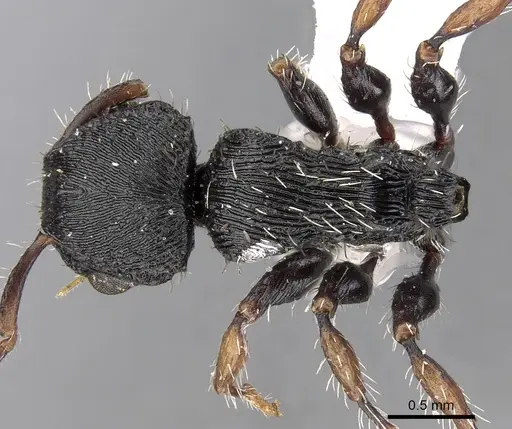
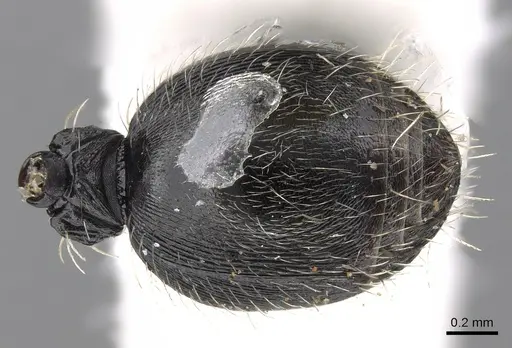
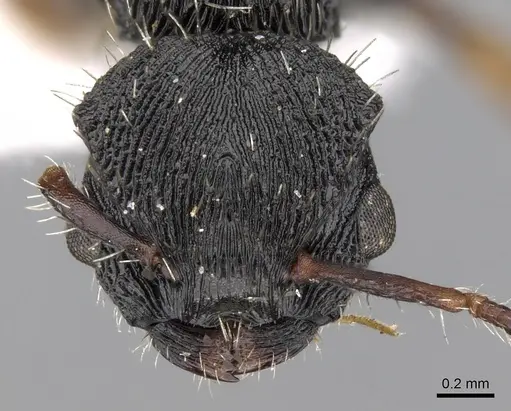
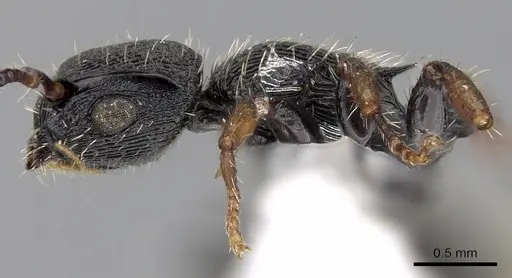
CASENT0884229
View on AntWeb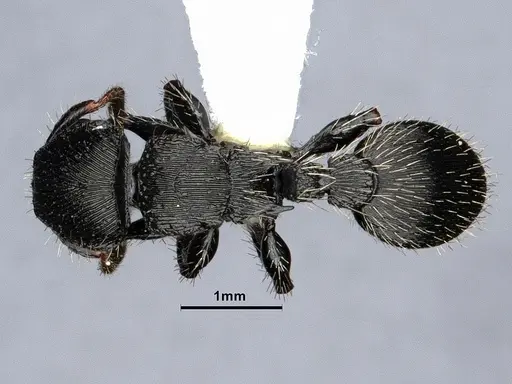
CASENT0904890
View on AntWeb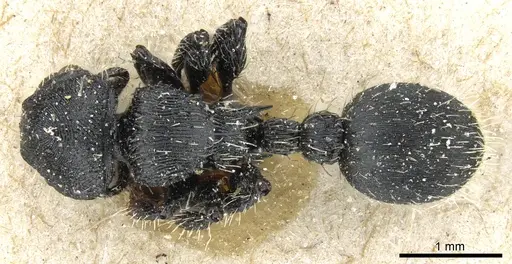
CASENT0904891
View on AntWeb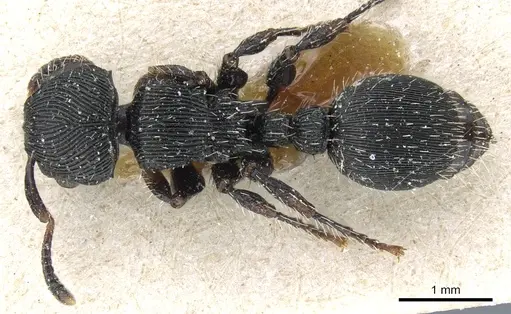
CASENT0909257
View on AntWeb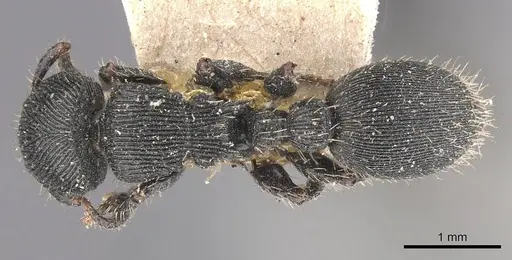
CASENT0912586
View on AntWeb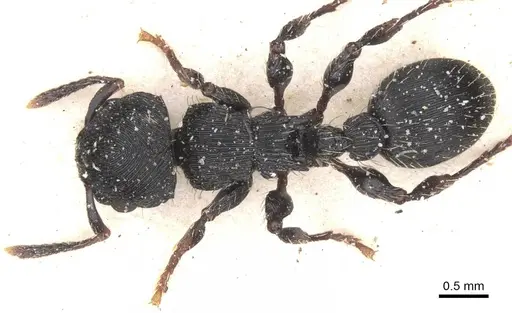
Literature
Loading...Loading products...