

Procryptocerus paleatus
- Scientific Name
- Procryptocerus paleatus
- Tribe
- Attini
- Subfamily
- Myrmicinae
- Author
- Emery, 1896
- Distribution
- Found in 4 countries
Procryptocerus paleatus Overview
Procryptocerus paleatus is an ant species of the genus Procryptocerus. It is primarily documented in 4 countries , including Costa Rica, Mexico, Nicaragua. Detailed taxonomic data and occurrence records can be further explored via authoritative databases such as AntWeb or the Global Biodiversity Information Facility (GBIF).
Procryptocerus paleatus
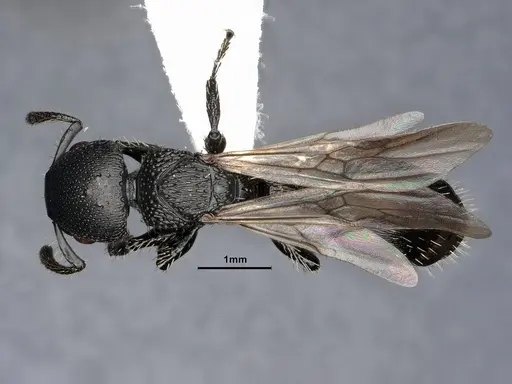
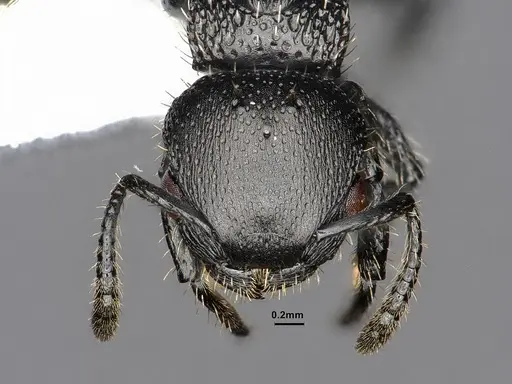
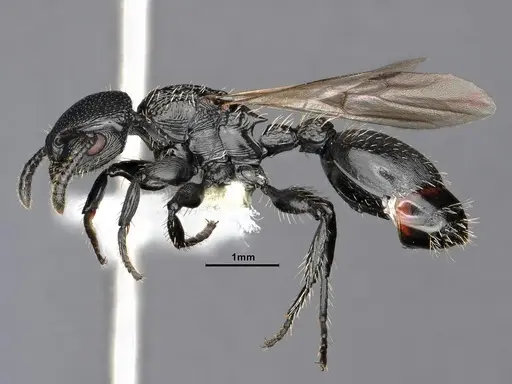
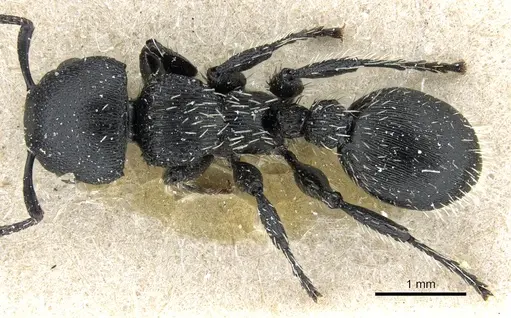
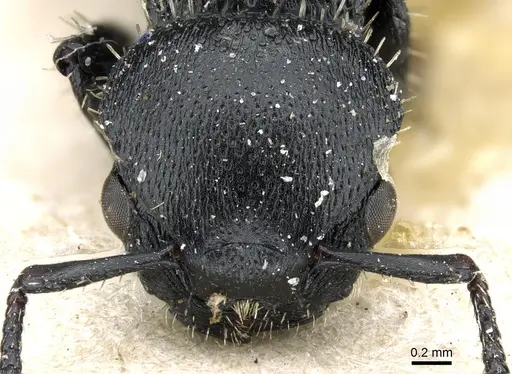
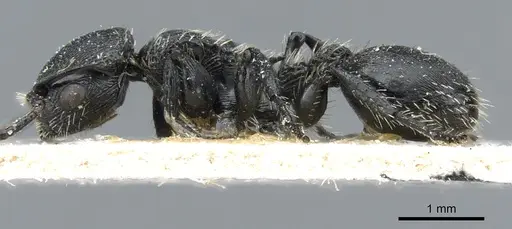
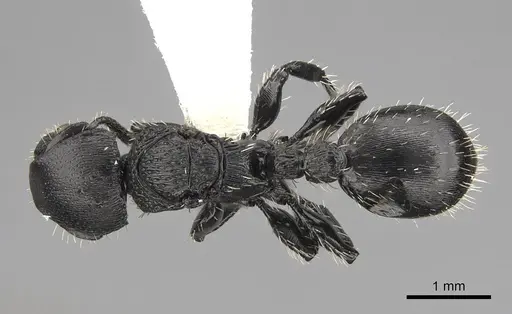
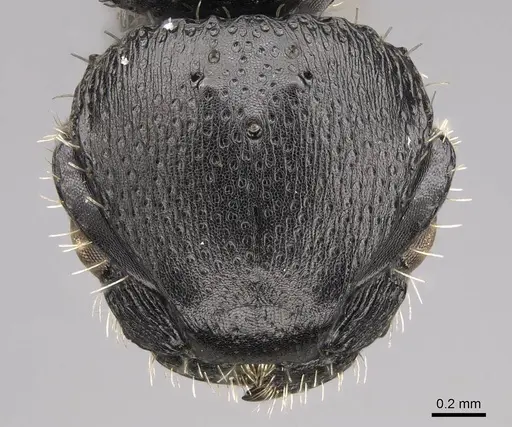
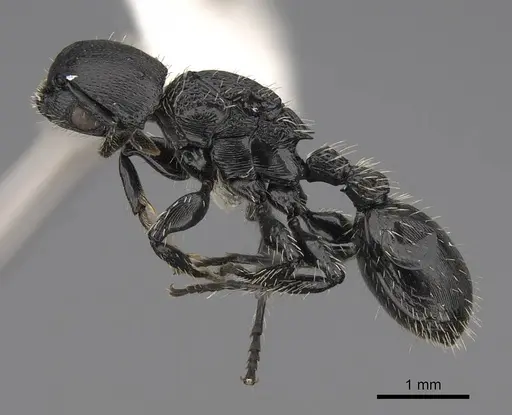
Procryptocerus paleatus is a small to medium-sized Myrmicine ant measuring approximately 1.5mm in head width. Workers have a distinctive appearance with a truncate clypeus, flat vertex, and mesonotal teeth that are small and squared-off. The body features characteristic dorsal striae that extend to the posterior margin of the first gastral tergite, with sparse setae on the gaster. Queens are similar in appearance but slightly smaller at 1.4mm head width [1]. This species is restricted to primary rainforest habitats in Central America, where it is almost exclusively found in canopy samples and treefalls rather than on low vegetation [1]. The genus Procryptocerus belongs to the tribe Attini, making them fungus-growing ants, though their specific fungal symbiont and cultivation behavior remain unstudied.
Quick Summary
- Difficulty: Expert
- Origin & Habitat: Primary rainforest of Central America, Costa Rica, Mexico, Panama, Ecuador, and Honduras. Workers are found on low vegetation and in treefalls, with nearly all canopy samples containing this species [1][2].
- Colony Type: Colony structure is unconfirmed. As an Attini tribe member, they are expected to be monogyne (single queen) like most fungus-growing ants, but this has not been directly documented.
- Size & Growth:
- Queen: 1.4mm head width [1]
- Worker: 1.537mm head width [1]
- Colony: Unknown, no colony size data available
- Growth: Unknown, no development data available
- Development: Unknown, no direct measurements exist. Related Attini species typically require 6-10 weeks at warm temperatures, but this is an estimate. (No published development data exists for this species. Estimates based on typical Attini patterns.)
- Antkeeping:
- Temperature: Keep at 24-26°C as a starting point. This is a tropical rainforest species requiring warm, stable conditions [1]. Adjust based on colony activity.
- Humidity: High humidity required, think damp rainforest canopy. Maintain 70-80% relative humidity with good ventilation to prevent mold.
- Diapause: No, being a tropical species, they do not require hibernation. Keep warm year-round.
- Nesting: No captive nesting data exists. In the wild, they are found in treefalls and canopy microhabitats. A naturalistic setup with high humidity or a well-humidified acrylic/plaster nest would be appropriate. They likely nest in pre-existing cavities in rotting wood.
- Behavior: Behavior is poorly documented. As a canopy-dwelling species, they are likely shy and not aggressive. Workers forage on vegetation and in treefall debris. Their small size and cryptic canopy habits suggest they are not escape risks compared to more active foragers. Being Attini, they likely have complex fungal cultivation behaviors, though this has not been studied in captivity.
- Common Issues: no captive husbandry data exists, this is one of the least-studied Attini in captivity, tropical humidity requirements are difficult to maintain consistently, specialized diet (fungus-growing) makes feeding challenging compared to typical ants, canopy-dwelling nature means they may be sensitive to disturbance, related Attini species are difficult to keep and rarely succeed in captivity
Species Overview and Natural History
Procryptocerus paleatus is a rare and cryptic ant species restricted to primary rainforest habitats in Central America. Its range extends from southern Mexico through Costa Rica and Panama to Ecuador [1][2]. Unlike many ground-nesting ants, this species is almost exclusively found in the rainforest canopy. At Corcovado National Park in Costa Rica, workers were very rarely encountered on low vegetation, yet they occurred in nearly every treefall or canopy sample collected [1]. This canopy-dwelling behavior makes them particularly challenging to study and collect. The genus Procryptocerus belongs to the tribe Attini, the fungus-growing ants, which includes the famous leafcutter ants (Atta and Acromyrmex). However, Procryptocerus is not a leafcutter and appears to be a more basal member of the tribe with different fungal cultivation habits [1].
Identification and Morphology
Workers of Procryptocerus paleatus can be identified by their distinctive morphology. They have a truncate clypeus (the area between the eyes and mouth) with strikingly orthogonal lateral nasal flanks. The frontovertexal margin is distinct throughout, forming a fastigium or ridge. Mesonotal teeth are present but small and squared-off, positioned well before the propodeal suture. The propodeal suture is shallow, with the mesonotum and dorsal face of the propodeum in roughly the same plane. Dorsal striae on the first gastral tergite extend to the posterior margin, which helps distinguish them from similar species like P. impressus and P. subpilosus. Setae (stiff hairs) are sparse, particularly on the first gastral tergite where they are widely spaced and do not overlap [1]. Queens are similar to workers but slightly smaller in head width (1.4mm vs 1.537mm) and have more pronounced foveae (pits) on the face, with larger foveae than the related P. impressus species [1].
Housing and Nesting
No established captive husbandry protocols exist for Procryptocerus paleatus. This is one of the least-studied Attini species in captivity, and successful keeping methods have not been documented in the antkeeping hobby. Based on their natural history as canopy-dwelling rainforest ants, they would require high humidity (70-80%) and warm temperatures (24-26°C). A naturalistic setup with pre-existing cavities in rotting wood would likely best mimic their natural nesting sites. Alternatively, a well-humidified acrylic or plaster nest could work, but these ants may be sensitive to disturbance given their cryptic canopy habits. Excellent escape prevention should be used despite their small size, as they are agile climbers. Ventilation is critical to prevent mold while maintaining humidity, avoid stagnant air but also avoid excessive airflow that dries the nest. [1]
Feeding and Diet
Procryptocerus paleatus belongs to the tribe Attini, meaning they are fungus-growing ants. However, unlike leafcutter ants that cut and cultivate fresh vegetation, Procryptocerus appears to be a more basal Attini that likely cultivates a different type of fungal symbiont. The specific diet and fungal cultivation behavior of this species has not been studied. In captivity, this presents a significant challenge, providing the correct fungal substrate that these ants can cultivate is extremely difficult. Related Attini species typically require a fungal garden maintained on organic matter. Attempting to keep this species would require significant experimentation with potential fungal substrates. Sugar water acceptance is uncertain. Live prey likely makes up part of their diet in the wild, as with other Attini. Given the lack of captive data, this species is not recommended for anyone except the most experienced antkeepers willing to experiment with fungal cultivation. [1]
Behavior and Temperament
The behavior of Procryptocerus paleatus in captivity has not been documented. In the wild, workers are collected from low vegetation and treefalls, suggesting they forage in these microhabitats. Their presence in canopy fogging samples indicates they are arboreal, spending most of their time in the rainforest canopy rather than on the forest floor. This arboreal lifestyle suggests they are likely shy and non-aggressive, avoiding confrontation rather than engaging in territorial disputes. Their small size and cryptic habits make them difficult to observe. As fungus-growers, they likely have complex social behaviors related to fungal garden maintenance, but these have not been studied. The genus shows morphological adaptations for arboreal life, including compressed, disciform femora with carinate dorsal margins that may help with climbing vegetation [3].
Challenges and Expert-Level Requirements
Procryptocerus paleatus is not a species for beginners or even intermediate antkeepers. The complete lack of captive husbandry data means there are no established protocols to follow. As a tropical canopy-dwelling species, they require precise humidity and temperature conditions that are difficult to maintain. The biggest challenge is their diet, being Attini, they require a fungal symbiont that must be correctly established and maintained. This is far more complex than feeding typical ants. Additionally, wild-caught colonies may harbor parasites or face significant adaptation stress to captive conditions. The canopy-dwelling nature of this species suggests they may be photosensitive and stressed by bright light or frequent disturbance. Anyone attempting to keep this species should have extensive experience with difficult tropical ants and be prepared for significant experimentation. Success would likely require replicating specific canopy microhabitat conditions. [1]
Frequently Asked Questions
Can I keep Procryptocerus paleatus as a beginner antkeeper?
No. This species is not recommended for beginners. There is no captive husbandry data available, they require high humidity and warm temperatures, and being fungus-growers, their dietary needs are extremely complex. This is an expert-level species that should only be attempted by very experienced antkeepers willing to experiment.
What do Procryptocerus paleatus eat?
As members of the tribe Attini (fungus-growing ants), they cultivate fungi for food. The specific fungal symbiont and cultivation method for this species is unconfirmed. Unlike leafcutter ants that cut leaves, Procryptocerus likely cultivates a different fungal type on organic matter. Successful captive keeping would require establishing and maintaining this fungal culture, a significant challenge with no established protocols.
How big do Procryptocerus paleatus colonies get?
Colony size is unknown. No published data exists on maximum colony size for this species. Based on related Attini, colonies likely reach several hundred workers, but this is an estimate.
What temperature and humidity do Procryptocerus paleatus need?
As a tropical rainforest species from Central America, they require warm temperatures (start around 24-26°C) and high humidity (70-80%). Good ventilation is essential to prevent mold while maintaining humidity. This is one of the more demanding species in terms of environmental control.
How long does it take for Procryptocerus paleatus to develop from egg to worker?
The development timeline is unconfirmed. No published data exists for this species. Related Attini species typically require 6-10 weeks from egg to worker at optimal temperatures, but this is a rough estimate.
Can I keep multiple Procryptocerus paleatus queens together?
This has not been documented. As Attini, they are likely monogyne (single queen) like most fungus-growing ants, but colony structure has not been studied. Combining unrelated queens is not recommended without evidence they can coexist.
Do Procryptocerus paleatus need hibernation?
No. Being a tropical species from Central America, they do not require hibernation or diapause. Keep them warm year-round.
What makes Procryptocerus paleatus difficult to keep?
Multiple factors make this an extremely challenging species: no captive husbandry data exists, they require precise tropical humidity and temperature, they are fungus-growers requiring complex dietary arrangements, they are canopy-dwelling and likely sensitive to disturbance, and they are rarely available in the antkeeping hobby. This is an expert-only species.
References

This caresheet is licensed under CC BY-SA 4.0 .
Literature
Loading...Loading products...