

Procryptocerus marginatus
- Scientific Name
- Procryptocerus marginatus
- Tribe
- Attini
- Subfamily
- Myrmicinae
- Author
- Borgmeier, 1948
- Distribution
- Found in 1 countries
Procryptocerus marginatus Overview
Procryptocerus marginatus is an ant species of the genus Procryptocerus. It is primarily documented in 1 countries , including Brazil. Detailed taxonomic data and occurrence records can be further explored via authoritative databases such as AntWeb or the Global Biodiversity Information Facility (GBIF).
Procryptocerus marginatus
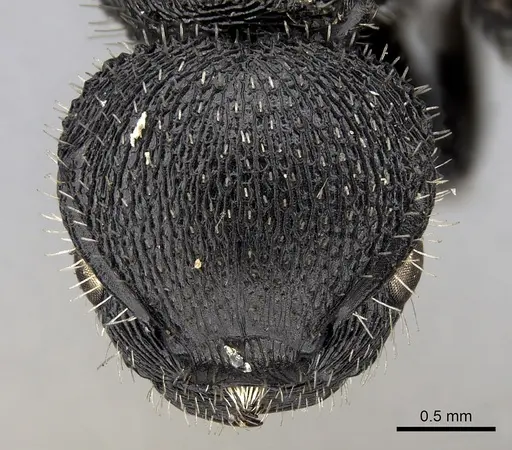
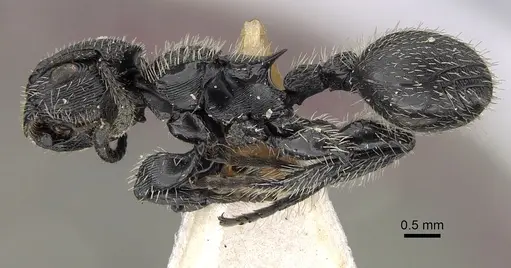
Procryptocerus marginatus is a small, distinctive myrmicine ant native to Brazil. Workers have a unique appearance with a truncate clypeus (the clypeus is cut off squarely), rounded eyes that don't protrude, and finely striated abdominal segments. The propodeal spines point parallel and upward. This species belongs to the tribe Cephalotini within the Attini, a group that includes fungus-farming ants. In the wild, P. marginatus appears to be quite rare, it was only recorded in 3% of survey plots in Amazonian forest studies and was found only in 2006,suggesting either low population density or specialized habitat requirements [1]. The species was described from Brazil by Borgmeier in 1948,with type specimens collected from Bahia [2].
Quick Summary
- Difficulty: Unknown, likely Expert
- Origin & Habitat: Brazil (Neotropical region). Found in Amazonian rainforest environments where it occurred in only 3% of survey plots [1].
- Colony Type: Colony structure is unconfirmed. No data on whether they are single-queen (monogyne) or multi-queen (polygyne).
- Size & Growth:
- Queen: Unknown, not measured in available literature
- Worker: Unknown, worker measurements not provided in available papers
- Colony: Unknown, colony size has not been documented
- Growth: Unknown
- Development: Unknown, no development data available for this species (Development timeline has not been studied. Related Attini species typically take 4-8 weeks at tropical temperatures, but this is only an estimate.)
- Antkeeping:
- Temperature: Likely needs warm conditions similar to other Brazilian tropical ants. Based on origin, aim for 24-28°C. No direct data available.
- Humidity: Likely needs high humidity given Amazonian distribution. Keep substrate consistently moist but not waterlogged. No direct data available.
- Diapause: Unknown, tropical species may not require true hibernation but may have reduced activity during cooler seasons.
- Nesting: No data on natural nesting preferences. Likely nests in rotting wood or leaf litter like other Attini. A naturalistic setup with moist substrate or a Y-tong/plaster nest would be appropriate starting points.
- Behavior: Behavior is poorly documented. Based on tribe affiliation (Cephalotini), they are likely more docile than aggressive. Escape risk is unknown but likely moderate given typical Myrmicinae size. No data on sting potency.
- Common Issues: this species is extremely rare in the hobby with almost no captive breeding records, specific temperature and humidity requirements are unknown, making successful keeping difficult, growth rate and development timeline are unconfirmed, making colony establishment challenging, no established feeding protocols exist for this species, wild-caught colonies may not survive transfer to captive conditions
Species Overview and Identification
Procryptocerus marginatus is a distinctive small ant belonging to the tribe Cephalotini within the subfamily Myrmicinae. The genus Procryptocerus is characterized by several unique morphological features: a truncate clypeus (cut off squarely rather than rounded), rounded eyes that do not protrude from the head, and propodeal spines that are parallel and upturned. The third abdominal segment (metasomal segment 3) is finely striated and densely punctate. The species was described by Borgmeier in 1948 from specimens collected in Brazil, specifically from the state of Bahia [3][2]. This ant is part of the Attini tribe, which includes the famous leaf-cutter ants, though Procryptocerus itself is not a leaf-cutter.
Distribution and Habitat
Procryptocerus marginatus is known only from Brazil, specifically the Neotropical region. The species was originally described from Bahia state and has been recorded in Amazonian forest surveys. In a comprehensive study of Amazonian ant diversity spanning 25 km², this species was found in only 3% of survey plots and only in the 2006 sampling year, suggesting it may have specialized habitat requirements or naturally low population densities [1]. This rarity makes both wild observations and captive keeping challenging.
Keeping Procryptocerus marginatus in Captivity
This species is extremely rare in the antkeeping hobby and there are no established care protocols. Based on its Brazilian origin and likely Amazonian habitat, it probably requires warm, humid conditions similar to other tropical myrmicines. Start with temperatures around 24-28°C and high humidity (70-80%). Use a naturalistic setup with moist substrate or a Y-tong/plaster nest that can maintain humidity. Since it belongs to the Attini tribe, it may have omnivorous or fungus-related dietary preferences, but this is unconfirmed. Begin with standard ant foods: sugar water/honey, small insects, and observe acceptance. Given the lack of captive breeding records, this species is recommended only for experienced antkeepers who can provide careful, documented care.
Challenges and Considerations
Procryptocerus marginatus presents significant challenges for antkeepers. First, this species is virtually unknown in captive breeding, finding a colony to acquire would be extremely difficult. Second, all biological aspects (founding behavior, development timeline, colony size, exact temperature/humidity needs, diet) remain unstudied. Third, the apparent rarity in the wild suggests this species may have specialized ecological requirements that would be difficult to replicate. If you do obtain this species, detailed record-keeping of all aspects of care would be valuable for advancing knowledge about this poorly understood ant.
Frequently Asked Questions
How do I keep Procryptocerus marginatus ants?
This species is extremely rare in the antkeeping hobby with no established care protocols. Based on its Brazilian origin, provide warm (24-28°C), humid conditions. Use a naturalistic setup or Y-tong nest with moist substrate. Start with standard foods like sugar water and small insects, and observe what it accepts. This species is recommended only for expert antkeepers.
What do Procryptocerus marginatus ants eat?
Diet is unconfirmed for this species. As members of the Attini tribe, they may have omnivorous habits or potentially fungus-related diets like other Cephalotini ants. No specific feeding studies exist. Offer varied foods including sugar sources and small protein sources and document acceptance.
How big do Procryptocerus marginatus colonies get?
Colony size is unknown. No published data exists on maximum colony size for this species. Based on related Attini, colonies may reach several hundred workers, but this is only an estimate.
Does Procryptocerus marginatus need hibernation?
Diapause requirements are unknown. As a tropical Brazilian species, it likely does not require true hibernation but may have reduced activity during cooler seasons. Maintain stable warm temperatures year-round.
Are Procryptocerus marginatus ants aggressive?
Aggression levels are unconfirmed. Based on typical Attini behavior, they are likely relatively docile. No data on sting potency exists, though Myrmicinae generally have stingers.
How long does it take for Procryptocerus marginatus to develop from egg to worker?
Development timeline is completely unknown for this species. No studies have documented egg-to-worker development time. Related Attini species typically take 4-8 weeks at tropical temperatures, but this is only a rough estimate.
Can beginners keep Procryptocerus marginatus?
No. This species is not recommended for beginners. There are no established care protocols, captive breeding is virtually nonexistent, and all basic biology remains unstudied. This is an expert-only species.
Where does Procryptocerus marginatus live?
This species is only known from Brazil, specifically from Bahia state and Amazonian regions. It appears to be quite rare in the wild, found in only 3% of survey plots in Amazonian studies [1].
References

This caresheet is licensed under CC BY-SA 4.0 .
CASENT0280786
View on AntWeb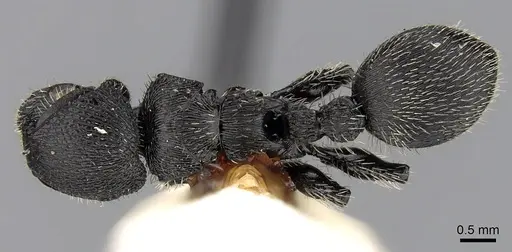
Literature
Loading...Loading products...