

Procryptocerus kempfi
- Scientific Name
- Procryptocerus kempfi
- Tribe
- Attini
- Subfamily
- Myrmicinae
- Author
- Longino & Snelling, 2002
- Distribution
- Found in 2 countries
Procryptocerus kempfi Overview
Procryptocerus kempfi is an ant species of the genus Procryptocerus. It is primarily documented in 2 countries , including Costa Rica, Panama. Detailed taxonomic data and occurrence records can be further explored via authoritative databases such as AntWeb or the Global Biodiversity Information Facility (GBIF).
Procryptocerus kempfi
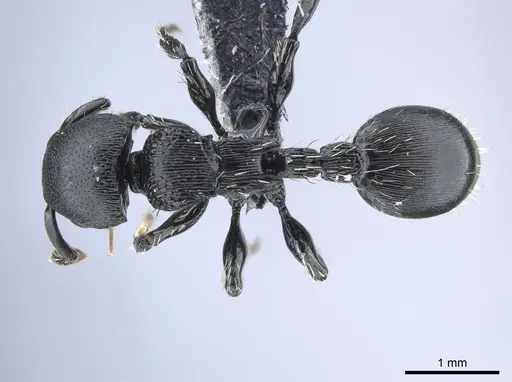
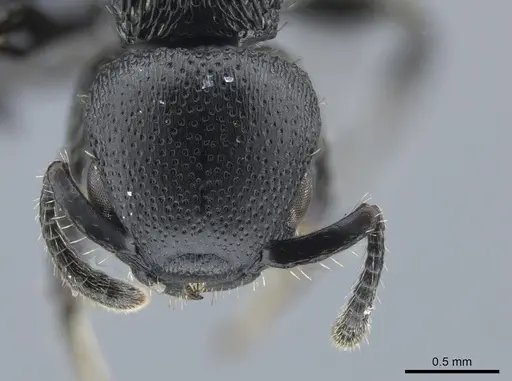
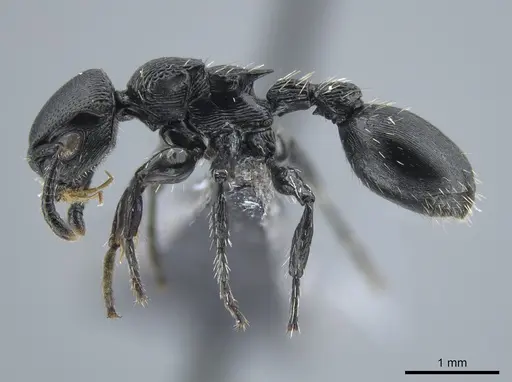
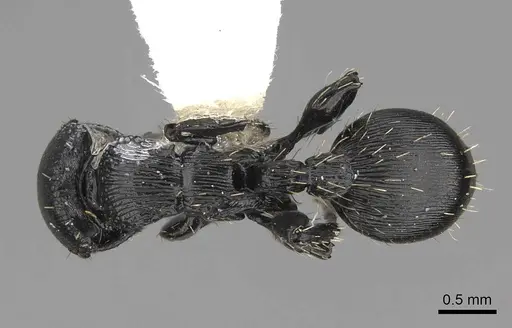
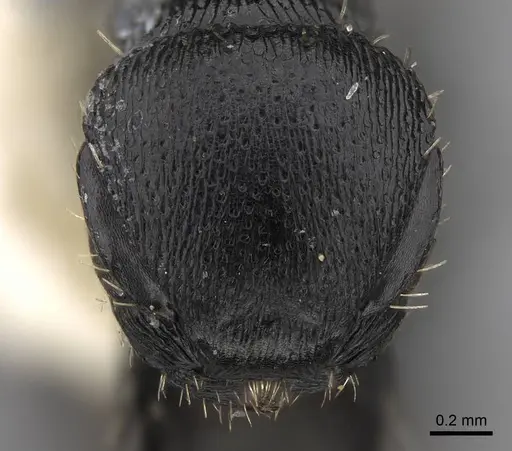
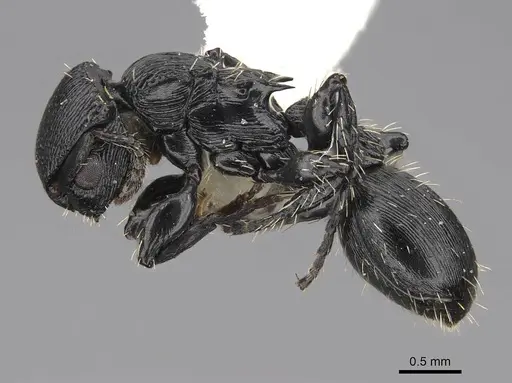
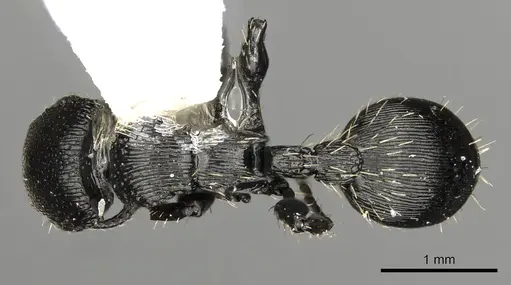
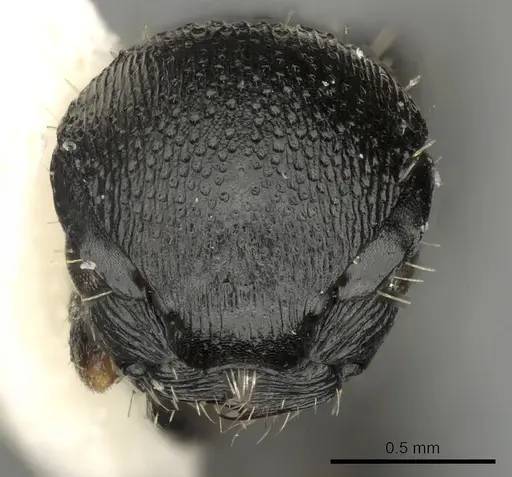
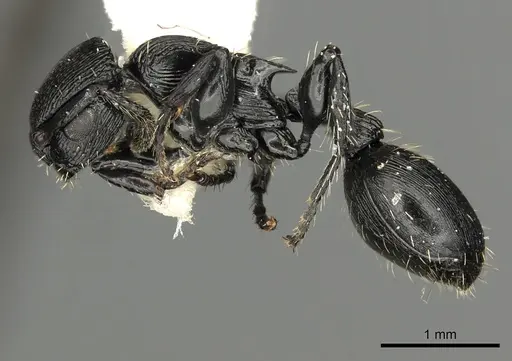
Procryptocerus kempfi is a small to medium-sized ant belonging to the tribe Attini, native to Central and South American rainforests. Workers measure approximately 1.16-1.31mm in head width and have a distinctive appearance with a dark, nearly black coloration and a somewhat flattened body structure adapted for life in the forest canopy and understory [1]. The species was formally described in 2002 by Longino and Snelling and is named in honor of ant taxonomist W.W. Kempf. These ants inhabit montane wet forests where they have been collected from low vegetation and treefalls, suggesting they are arboreal or semi-arboreal foragers [1][2]. The genus Procryptocerus is known for having flattened, broad antennal scapes and distinctive facial sculpturing, which helps distinguish them from related genera.
Quick Summary
- Difficulty: Medium to Hard
- Origin & Habitat: Montane wet forests of Costa Rica, Panama, Peru, and Colombia (Isla Gorgona) at elevations ranging from 600-850 meters [1][3][2]. This is a tropical rainforest species that thrives in humid, shaded conditions with stable temperatures.
- Colony Type: Colony structure is not well documented. Based on typical Procryptocerus patterns, likely single-queen (monogyne) colonies. No ergatoid replacement reproductives have been documented for this species.
- Size & Growth:
- Queen: Approximately 1.28mm head width [1]. Queens are dealate when found, indicating they have already mated and begun colony founding.
- Worker: 1.16-1.31mm head width [1]. Workers are small but robust with distinctive body sculpturing.
- Colony: Unknown. Based on related Procryptocerus species, colonies likely reach several hundred workers at most.
- Growth: Unknown. Likely moderate growth rate typical of tropical Myrmicinae.
- Development: Unconfirmed. Based on typical Attini patterns and tropical Myrmicinae development, estimate 6-10 weeks from egg to first worker at optimal temperature. (Development timeline has not been directly studied for this species. Temperature-dependent development is typical for tropical ants.)
- Antkeeping:
- Temperature: Keep at 20-24°C. Montane forest origin suggests they prefer cooler conditions than typical lowland tropical ants. Avoid temperatures above 28°C. A gentle thermal gradient allows workers to self-regulate.
- Humidity: High humidity is essential, these are wet forest ants. Keep nest substrate consistently moist but not waterlogged. Aim for 70-85% relative humidity in the nest area. Provide a water reservoir for humidity maintenance.
- Diapause: Unlikely. As a tropical species from consistent climate regions, they probably do not require a true diapause. However, slight seasonal slowdowns may occur during cooler or drier periods.
- Nesting: Natural nesting occurs in rotting wood, under bark, and in treefalls. In captivity, a naturalistic setup with rotting wood pieces or a well-humidified acrylic/plaster nest works well. They prefer tight, enclosed spaces scaled to their small size. Avoid dry, airy setups.
- Behavior: Procryptocerus kempfi workers are foragers that travel along vegetation and tree branches. They are likely generalist foragers or may have a diet偏向 fungivorous tendencies given their placement in the tribe Attini, though they are not true leaf-cutters. Workers have been collected from low vegetation, suggesting they forage in the understory layer. Their small size and semi-arboreal lifestyle mean escape prevention is important, use tight-fitting lids and fine mesh barriers. Aggression levels are not well documented but Procryptocerus species are generally not aggressive toward keepers. They are likely more secretive and shy rather than defensive.
- Common Issues: high humidity maintenance is critical, dry conditions will kill colonies quickly, tropical origin means they are sensitive to temperature extremes, keep away from direct heat sources and cold drafts, small colony size and slow growth can frustrate beginners who expect rapid development, escape prevention is necessary due to their small size and semi-arboreal nature, limited availability in the antkeeping hobby means established colonies are rare
Natural History and Distribution
Procryptocerus kempfi is found exclusively in montane wet forests of Central and South America. The species has been recorded in Costa Rica (Heredia province,17km south of Puerto Viejo at 600m elevation), Panama (Cerro Campana at 850m elevation), Peru, and Colombia's Isla Gorgona [1][3][2]. All known specimens have been collected from low vegetation or treefalls, indicating these ants are primarily arboreal or semi-arboreal, foraging in the forest understory and canopy layers. The montane wet forest habitat is characterized by high humidity, consistent temperatures, and dense vegetation. This species appears to prefer elevations between 600-850 meters where conditions remain cool and damp year-round.
Housing and Nest Setup
Because P. kempfi is a semi-arboreal species from humid forest environments, your setup should mimic these conditions. A naturalistic terrarium-type enclosure with live plants, moss, and pieces of rotting wood or bark works well. The ants will nest within the wood pieces or under bark, as this matches their natural behavior. Alternatively, a well-humidified acrylic nest or plaster formicarium can work, but ensure humidity remains consistently high. Use a water reservoir or sponge system to maintain moisture levels. Because they are small (around 1.2mm), ensure escape prevention is excellent, standard test tube setups may work for founding colonies but require tight barriers. Provide multiple chambers or wood pieces so the colony can choose optimal humidity zones within the nest.
Feeding and Diet
The tribe Attini includes fungus-growing ants, but Procryptocerus is not a true leaf-cutter. Their exact diet in the wild is not documented, but they likely function as generalist foragers, consuming small insects, honeydew, and possibly fungal materials. In captivity, offer a varied diet including small live prey (fruit flies, pinhead crickets, small mealworms), sugar water or honey, and observe what they accept. Protein-rich foods should be offered regularly. Because their specific dietary requirements are unknown, experimentation with different food types may be necessary. Remove uneaten prey after 24-48 hours to prevent mold issues in the humid setup they require.
Temperature and Humidity Management
P. kempfi requires cooler, more stable conditions than many tropical ants. Keep temperatures in the range of 20-24°C, avoiding both cold drafts and overheating. Montane forest origins mean they are adapted to consistent, moderate temperatures. Use a low-wattage heating cable on one side of the nest only if room temperature falls below 18°C, and always provide a temperature gradient so ants can self-regulate. Humidity is critical, maintain 70-85% relative humidity in the nest area. The substrate should feel consistently moist but never waterlogged. In naturalistic setups, mist regularly and use a water reservoir. Poor humidity tolerance is one of the most common reasons this species fails in captivity.
Colony Development and Growth
Colony development for P. kempfi has not been directly studied. Based on typical Myrmicinae patterns in tropical environments, expect 6-10 weeks from egg to first worker at optimal temperature. Initial colony growth is likely slow, with the queen raising a small batch of nanitic (first) workers entirely on her own. Colonies probably remain small (under 500 workers) even at maturity, as this appears typical for the genus. Patience is essential, do not disturb founding colonies or attempt to accelerate growth. The semi-arboreal nature of the species may also influence development patterns, as queens likely select enclosed nesting sites in rotting wood rather than underground chambers.
Frequently Asked Questions
How long does it take for Procryptocerus kempfi to produce first workers?
The exact timeline is unconfirmed, but based on typical tropical Myrmicinae development, expect 6-10 weeks from egg to first worker at optimal temperature (around 22°C). Initial colony growth is typically slow.
What do Procryptocerus kempfi ants eat?
Their exact diet is not documented, but they likely accept small live prey (fruit flies, small insects), sugar water, and honey. Offer a varied diet and remove uneaten food promptly.
What temperature and humidity do Procryptocerus kempfi need?
Keep temperatures at 20-24°C with a gentle gradient if possible. Humidity should be high (70-85%) with consistently moist substrate. These are montane forest ants requiring cooler, more humid conditions than typical tropical ants.
Are Procryptocerus kempfi ants difficult to keep?
This species is considered Medium to Hard difficulty due to specific humidity requirements and sensitivity to temperature extremes. They are not recommended for complete beginners, but experienced antkeepers should have success with proper setup.
How big do Procryptocerus kempfi colonies get?
Colony size is not well documented, but based on related species, colonies likely reach several hundred workers at most. They are not among the largest ant species.
Can I keep multiple Procryptocerus kempfi queens together?
Colony structure is unconfirmed for this species. Based on typical Procryptocerus patterns, single-queen colonies are likely. Combining unrelated queens is not recommended without documented evidence of pleometrosis.
Do Procryptocerus kempfi need hibernation?
As a tropical montane species, they likely do not require true hibernation. However, slight seasonal slowdowns during cooler periods may occur naturally.
What type of nest is best for Procryptocerus kempfi?
Naturalistic setups with rotting wood pieces or bark work well, mimicking their natural arboreal nesting sites. Well-humidified acrylic or plaster nests are alternatives. They prefer enclosed spaces scaled to their small size.
Where is Procryptocerus kempfi found in the wild?
They inhabit montane wet forests in Costa Rica, Panama, Peru, and Colombia (Isla Gorgona) at elevations of 600-850 meters. All specimens have been collected from low vegetation or treefalls.
References

This caresheet is licensed under CC BY-SA 4.0 .
Literature
Loading...Loading products...