

Procryptocerus goeldii
- Scientific Name
- Procryptocerus goeldii
- Tribe
- Attini
- Subfamily
- Myrmicinae
- Author
- Forel, 1899
- Distribution
- Found in 1 countries
Procryptocerus goeldii Overview
Procryptocerus goeldii is an ant species of the genus Procryptocerus. It is primarily documented in 1 countries , including Brazil. Detailed taxonomic data and occurrence records can be further explored via authoritative databases such as AntWeb or the Global Biodiversity Information Facility (GBIF).
Procryptocerus goeldii
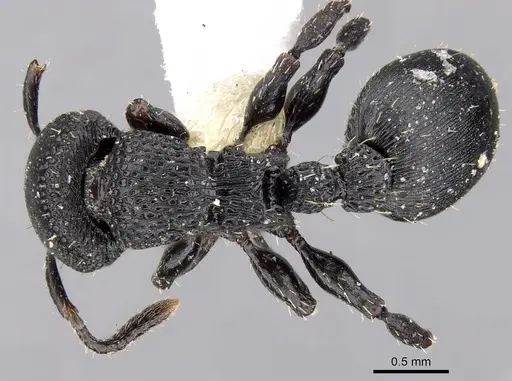
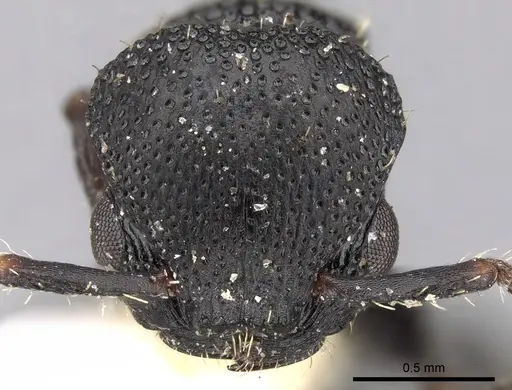
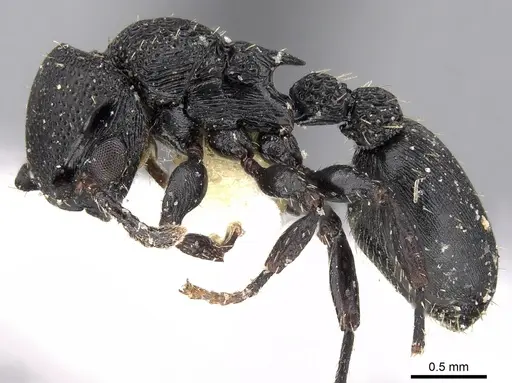
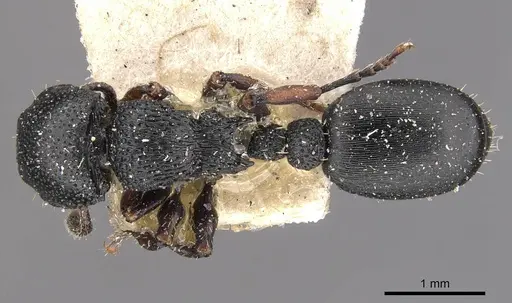
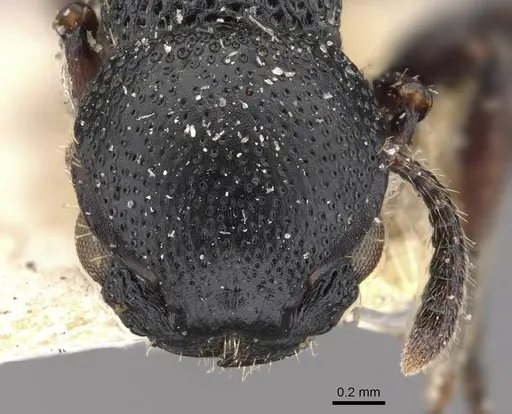
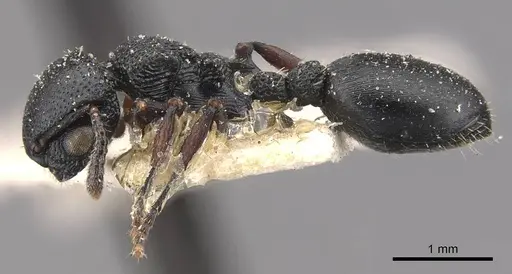
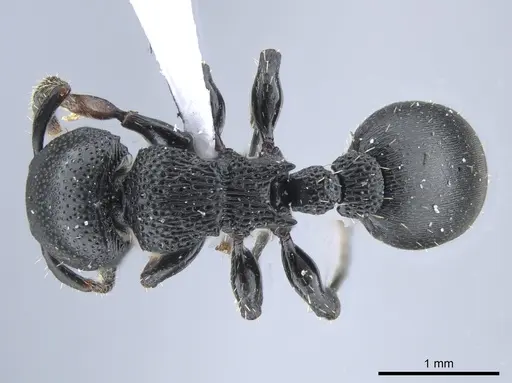
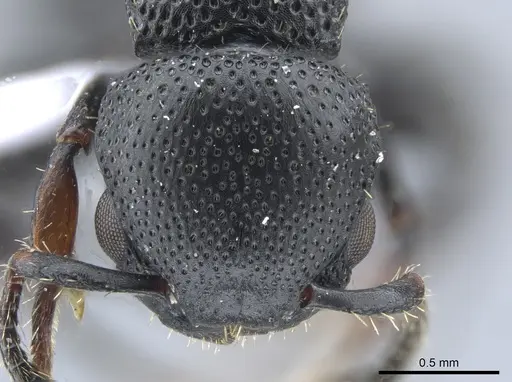
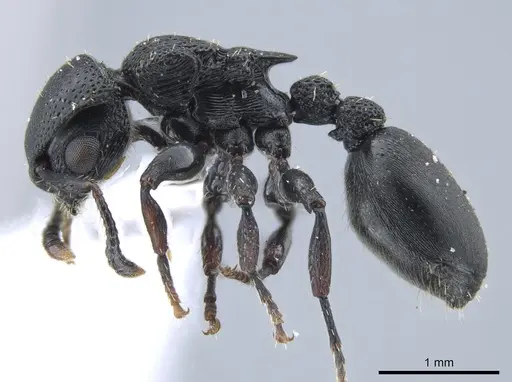
Procryptocerus goeldii is a small to medium-sized ant belonging to the tribe Attini, found across the Neotropical region including Brazil, Paraguay, Argentina, French Guiana, and Mexico. Workers are distinctive in the genus for their smooth and shining anterodorsal face of the petiole (the segment connecting the thorax and abdomen), which helps separate them from the very similar P. hylaeus. They also have transverse striae on the vertex giving a somewhat granular appearance, and very short, sparse, stiff setae on the face and body [1]. This species is often found in urban areas of southern Brazil, recorded in cities like Chapecó, Concórdia, and Pinhalzinho [2]. Little is known about their specific biology in the wild, but they are thought to be cryptic nesters, possibly in rotting wood or leaf litter in forest habitats.
Quick Summary
- Difficulty: Unknown, likely Expert
- Origin & Habitat: Neotropical region: Brazil (Bahia, Minas Gerais, Paraná, Rio de Janeiro, Rio Grande do Sul, Santa Catarina, São Paulo), Paraguay, Argentina, French Guiana, and Mexico. Found in urban areas of southern Brazil and Cerrado biome [1][2][3].
- Colony Type: Unconfirmed, likely single-queen colonies based on typical genus patterns
- Size & Growth:
- Queen: Undescribed in literature, estimated 6-8mm based on genus
- Worker: Undescribed in literature, estimated 3-5mm based on genus
- Colony: Unknown, likely under 500 workers based on typical Procryptocerus colony sizes
- Growth: Unknown, likely moderate
- Development: Unknown, estimated 6-10 weeks based on typical Myrmicinae development at tropical temperatures (No direct development data available for this species. Estimates based on related species in the genus and tribe.)
- Antkeeping:
- Temperature: Unconfirmed, likely 24-28°C based on Neotropical distribution
- Humidity: Unconfirmed, likely 60-80% humidity preference typical of Neotropical forest ants
- Diapause: Unknown, likely no true diapause given tropical distribution, may have reduced activity in cooler months
- Nesting: Unconfirmed, likely prefers humid, cryptic nesting sites like rotting wood, leaf litter, or under bark. Likely arboreal or semi-arboreal based on genus patterns
- Behavior: Behavior is poorly documented. Likely cryptic and non-aggressive, typical of Procryptocerus species. Workers probably forage individually or in small groups rather than forming large trails. Escape risk is moderate, standard containment recommended. Sting capability is present in the subfamily Myrmicinae but not documented for this specific species.
- Common Issues: no documented care information, all recommendations are estimates based on genus and tribe patterns, colony may fail if kept at incorrect humidity, Neotropical species need stable moisture, temperature too far outside tropical range may stress or kill colony, lack of documented diet acceptance means trial-and-error feeding required, wild-caught colonies may have parasites or diseases not well understood
Species Identification and Range
Procryptocerus goeldii is distinguished from its closest relative P. hylaeus by having a smooth and shining anterodorsal face of the petiole (transversely striate in P. hylaeus), and transverse striae on the vertex giving a granular appearance. The species occurs across the Neotropical region from Mexico south through Brazil to Argentina and Paraguay [1]. Type specimens were collected from Blumenau, Santa Catarina and Rio de Janeiro, Brazil. The species has been recorded in urban areas of southern Brazil, suggesting it can tolerate some habitat disturbance [2].
Nesting and Habitat Preferences
The natural nesting habits of P. goeldii are not documented in scientific literature. Based on typical Procryptocerus behavior and the Neotropical forest habitat, they likely nest in cryptic microhabitats such as rotting wood, under bark, or in leaf litter. They appear to tolerate urban environments in southern Brazil, recorded in multiple cities [2]. For captive care, a naturalistic setup with moist substrate (like a mix of soil and rotting wood) or a well-humidified acrylic/plaster nest would be appropriate starting points. Avoid dry conditions.
Temperature and Humidity Requirements
No specific thermal or humidity data exists for this species. As a Neotropical ant found across Brazil and Paraguay, they likely prefer warm, humid conditions typical of Atlantic Forest and Cerrado regions. Estimated temperature range of 24-28°C and humidity of 60-80% would be reasonable starting points. Monitor colony behavior, if workers cluster near moisture sources or appear sluggish, adjust accordingly. Stability is likely important, avoid sudden temperature or humidity swings.
Feeding and Diet
The diet of P. goeldii is not documented in scientific literature. As a member of the tribe Attini (which includes leaf-cutter ants), they may have omnivorous tendencies, potentially including fungal associations, but Procryptocerus itself is not a leaf-cutter. For captive care, offer a varied diet including sugar sources (honey, sugar water), protein (small insects like fruit flies, pinhead crickets), and observe acceptance. Start with small amounts and remove uneaten food to prevent mold.
Colony Structure and Development
The colony structure of P. goeldii has not been studied. Most Procryptocerus species are believed to form single-queen colonies, but this is not confirmed for P. goeldii. Similarly, founding behavior is unconfirmed, likely claustral (queen seals herself in) based on typical Myrmicinae patterns. Colony size is unknown but likely modest (under 500 workers) based on related species. Development time from egg to worker is unconfirmed, estimate 6-10 weeks at tropical temperatures based on Attini tribe patterns.
Frequently Asked Questions
How long does it take for Procryptocerus goeldii to produce first workers?
The egg-to-worker timeline is unconfirmed for this species. Based on typical Attini tribe development patterns at tropical temperatures (24-28°C), estimate 6-10 weeks. However, this is purely speculative, actual development time may differ significantly.
What do Procryptocerus goeldii ants eat?
Diet is unconfirmed for this species. Based on tribe membership (Attini), they may accept a variety of foods including sugar sources and protein. Offer honey/sugar water and small insects (fruit flies, pinhead crickets). Start with tiny amounts and remove uneaten food.
What temperature should I keep Procryptocerus goeldii at?
No specific data exists. Based on their Neotropical distribution (Brazil, Paraguay), estimate 24-28°C. Start in the middle of this range and adjust based on colony activity. Avoid temperatures below 20°C or above 32°C.
Are Procryptocerus goeldii good for beginners?
No, this species is not recommended for beginners. There is virtually no documented care information, and all recommendations are estimates based on genus and tribe patterns. Beginners should choose species with well-established care protocols.
How big do Procryptocerus goeldii colonies get?
Colony size is unconfirmed. Based on typical Procryptocerus species, likely under 500 workers. This is a modest colony size compared to many Myrmicinae.
Can I keep multiple Procryptocerus goeldii queens together?
Colony structure is unconfirmed. Multiple-queen colonies (polygyne) have not been documented for this species. Do not attempt combining unrelated queens without evidence they can coexist.
What type of nest should I use for Procryptocerus goeldii?
Nest type is unconfirmed. Based on likely habitat preferences, a naturalistic setup with moist substrate (soil/rotting wood mix) or a well-humidified acrylic/plaster nest would be appropriate. Ensure high humidity is maintainable.
Do Procryptocerus goeldii need hibernation?
Diapause is unconfirmed and unlikely given their tropical distribution. They probably do not require a hibernation period. Activity may reduce slightly in cooler months but no special winter care is needed.
References

This caresheet is licensed under CC BY-SA 4.0 .
Literature
Loading...Loading products...