

Procryptocerus elegans
- Scientific Name
- Procryptocerus elegans
- Tribe
- Attini
- Subfamily
- Myrmicinae
- Author
- Santschi, 1921
- Distribution
- Found in 1 countries
Procryptocerus elegans Overview
Procryptocerus elegans is an ant species of the genus Procryptocerus. It is primarily documented in 1 countries , including Brazil. Detailed taxonomic data and occurrence records can be further explored via authoritative databases such as AntWeb or the Global Biodiversity Information Facility (GBIF).
Procryptocerus elegans
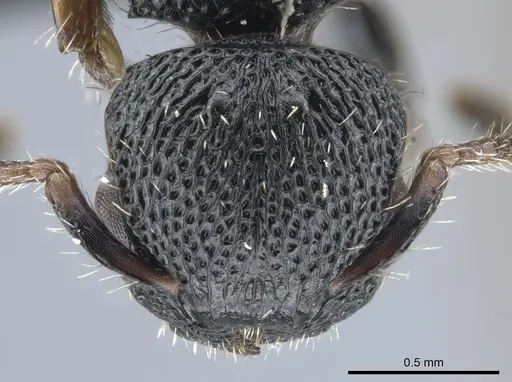
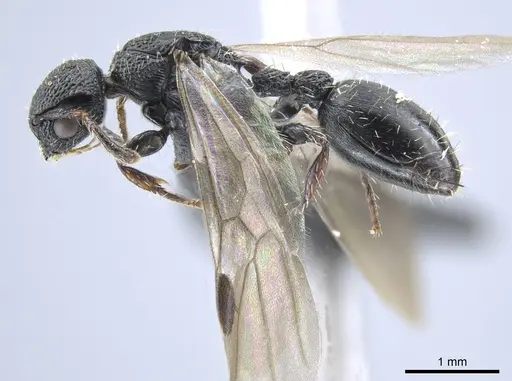
Procryptocerus elegans is a small fungus-growing ant belonging to the tribe Attini in the subfamily Myrmicinae. Workers are distinctive in appearance with elongated heads and a generally slender build. This species was originally described by Santschi in 1921 from São Paulo, Brazil, and represents one of the lesser-studied members of the fungus-growing ants [1]. The genus Procryptocerus contains species that are typically found in forested habitats across the Neotropics, where they cultivate fungus in underground chambers or within rotting wood. As with other Attini, these ants rely entirely on the fungus they cultivate for nutrition, making their relationship with their fungal symbiont essential to colony survival. The species remains poorly documented in scientific literature, with limited information available on its specific ecology, colony size, or captive care requirements.
Quick Summary
- Difficulty: Expert
- Origin & Habitat: Native to Brazil (São Paulo region) and recorded in Peru [1][2]. Found in Neotropical forested habitats where they nest in rotting wood, dead twigs, or underground chambers. As a tropical fungus-growing ant, they require humid, shaded conditions typical of forest floor environments.
- Colony Type: Colony structure is unconfirmed. Based on genus patterns, likely single-queen (monogyne) colonies, though this has not been directly documented for this species.
- Size & Growth:
- Queen: Unknown, no documented measurements available for this species. Estimated based on genus patterns: likely 5-7mm.
- Worker: Unknown, worker measurements not available in primary literature. Based on related Attini, likely 3-5mm.
- Colony: Unknown, no colony size data available. Related Procryptocerus species typically form colonies of several hundred workers.
- Growth: Unknown, no development data available. Estimated based on Attini patterns: moderate growth rate.
- Development: Unconfirmed, no direct measurements exist. Based on typical Attini development, estimated 6-10 weeks at optimal temperature. (Development timeline is unconfirmed for this species. Estimates based on related fungus-growing ant patterns.)
- Antkeeping:
- Temperature: Keep at 24-28°C, these are tropical ants requiring warm, stable conditions. A heating cable on one side of the nest can provide a gentle gradient. Avoid temperatures below 22°C as this species is adapted to tropical warmth.
- Humidity: High humidity is essential, aim for 70-85%. Keep the nest substrate consistently moist but not waterlogged. Fungus-growing ants need damp conditions for their fungal culture to thrive. Use a water reservoir or regular misting to maintain moisture.
- Diapause: Unconfirmed, tropical species may not require a true diapause but may slow down during cooler periods. No specific overwintering data exists for this species.
- Nesting: In captivity, they do well in naturalistic setups with rotting wood or cork bark, or in plaster/acrylic nests with high humidity chambers. They need tight, humid chambers for fungus cultivation. Avoid dry nest materials.
- Behavior: Procryptocerus elegans is a cryptic, non-aggressive species that avoids confrontation. Workers are slow-moving and forage primarily for plant material to cultivate their fungus. They are not known to sting and pose no danger to keepers. Escape risk is moderate, they are small but not particularly fast or prone to escaping when proper barriers are in place. Activity levels are moderate, with workers spending most of their time tending to the fungal garden.
- Common Issues: Fungus garden collapse is the primary risk, if the fungal culture dies, the colony will starve. Maintaining proper humidity without mold is critical., Tropical humidity requirements can be difficult to maintain consistently, leading to either desiccation or mold problems., Lack of documented care information means keepers are working largely from genus-level guidance rather than species-specific data., Slow growth and small colony sizes may frustrate keepers expecting rapid development., Temperature sensitivity, exposure to cool temperatures below 22°C can stress colonies and potentially lead to decline.
Fungus Farming and Feeding
Procryptocerus elegans belongs to the tribe Attini, the fungus-growing ants. Unlike leaf-cutter ants (Atta and Acromyrmex), Procryptocerus species are not leaf-cutters but instead collect small pieces of organic material like dead leaves, wood fragments, and plant debris to cultivate their fungal garden. In captivity, you can provide small pieces of leaf litter, rotting wood, or pre-cut organic material. The fungus grows in specialized chambers within the nest, and the ants harvest fungal tufts to feed the colony. Do not feed these ants typical ant proteins like insects alone, they need their fungal culture to survive. Some keepers have success offering tiny amounts of pre-fermented organic matter, but the primary food source must always be the fungus they cultivate. Sugar sources are generally not accepted as Attini get their carbohydrates from the fungus itself.
Housing and Nest Setup
These ants require high-humidity setups with excellent moisture retention. Naturalistic setups using cork bark or rotting wood pieces work well, as the material holds moisture while providing the dark, humid environment these fungus-growers need. Alternatively, plaster nests or acrylic nests with built-in water reservoirs can maintain consistent humidity. The nest should have tight chambers rather than large open spaces, as this helps maintain the humid microclimate needed for the fungal culture. Provide an outworld with easy access for adding organic material. Use a water tube or moisture reservoir in the nest area and check humidity levels regularly. Ventilation should be minimal to prevent drying, but some airflow helps prevent complete stagnation.
Temperature Requirements
As a tropical species from Brazil, Procryptocerus elegans requires warm conditions. Keep the nest area between 24-28°C, with a slight gradient if possible. Room temperature alone may be insufficient, especially in cooler climates. A heating cable placed on one side of the nest can provide gentle warmth without drying out the substrate. Monitor temperatures carefully, sudden drops below 22°C can stress colonies and potentially harm the fungal culture. Avoid direct heat sources that could create hot spots or dry the nest. Stable, warm conditions are more important than exact temperature precision.
Colony Establishment and Growth
Establishing a colony of Procryptocerus elegans requires patience, as this is not a rapidly growing species. Queens are claustral and seal themselves in to raise the first workers, relying on stored fat reserves during the founding phase. The first workers (nanitics) will be smaller than mature workers and may take several months to emerge depending on conditions. Once established, colony growth is gradual, expect several months to reach even 50 workers. The fungal garden must become established before significant growth occurs. Do not disturb the queen during the founding period, as stress can cause abandonment. Transfer to a proper nest setup only after the colony has several workers and the fungal garden is visible.
Behavior and Temperament
Procryptocerus elegans is a calm, non-aggressive species that poses no threat to keepers. Workers are relatively slow-moving and spend most of their time tending to the fungal garden or foraging for organic material. They are not defensive and do not have functional stingers. This makes them safe to handle, though they should be disturbed as little as possible. They are cryptic by nature and prefer dark, humid environments. Workers may be visible on the outworld during feeding activity but otherwise remain within the nest. They do not form large, conspicuous colonies like some Myrmicinae, making them a quiet addition to an ant collection.
Frequently Asked Questions
What do Procryptocerus elegans ants eat?
Procryptocerus elegans is a fungus-growing ant (Attini) that cultivates fungus for nutrition. They collect small organic material like leaf fragments and wood pieces to feed their fungal culture. In captivity, provide small pieces of leaf litter, rotting wood, or pre-cut organic matter. The fungus itself is their primary food source, they do not eat typical ant proteins like insects alone. Do not offer sugar water or honey as Attini get carbohydrates from their fungal symbiont.
How long does it take for Procryptocerus elegans to raise first workers?
The egg-to-worker timeline is unconfirmed for this species. Based on typical Attini development patterns, expect 6-10 weeks at optimal temperature (24-28°C) for the first workers to emerge. The founding queen seals herself in and raises the first brood claustrally. Remember that this is a slow-growing species, so patience is essential during the founding phase.
What temperature do Procryptocerus elegans need?
Keep them at 24-28°C. These are tropical ants requiring warm, stable conditions. A heating cable on one side of the nest can provide gentle warmth. Avoid temperatures below 22°C as this species is adapted to tropical warmth and may be stressed by cooler conditions.
Can I keep Procryptocerus elegans in a test tube?
A test tube is not ideal for this species long-term. They require high humidity and a substrate or chamber where they can cultivate their fungal garden. A naturalistic setup with cork bark or rotting wood, or a plaster nest with moisture reservoir, is more appropriate. Test tubes can work for temporary housing during the founding phase but should be upgraded once the colony has several workers.
How big do Procryptocerus elegans colonies get?
Colony size is not well documented for this species. Based on related Procryptocerus species, colonies likely reach several hundred workers at maturity. This is not a large colony species like some Atta leaf-cutters, expect modest colony sizes even at full maturity.
Do Procryptocerus elegans need hibernation?
No, hibernation is not required. As a tropical species from Brazil, they do not experience cold winters in their natural habitat. They may slow down slightly during cooler periods but do not need a diapause period. Maintain warm temperatures year-round for optimal colony health.
Is Procryptocerus elegans good for beginners?
No, this species is not recommended for beginners. It is classified as Expert difficulty due to several factors: the need for high humidity maintenance, the requirement to sustain a fungal culture, the lack of documented care information, slow growth rates, and the specialized diet requirements. This species is best suited for experienced antkeepers who are familiar with fungus-growing ant husbandry.
Why is my Procryptocerus elegans colony declining?
The most common cause of colony decline is fungal garden collapse. This can happen from improper humidity (too dry or too wet with mold), temperature stress (too cool), or disturbance to the nest. Ensure humidity is consistently high (70-85%), temperatures are warm (24-28°C), and minimize nest disturbances. Also verify the fungal garden is healthy, if the fungus dies, the colony will starve. Avoid feeding inappropriate foods like insects alone or sugar sources.
When should I move Procryptocerus elegans to a formicarium?
Move them to a proper nest setup only after the colony has several workers (at least 10-20) and the fungal garden is visible and healthy. The founding phase can be done in a test tube or small container, but they need more space and a proper substrate or chamber for fungus cultivation as they grow. A naturalistic setup often works best for this species.
References

This caresheet is licensed under CC BY-SA 4.0 .
UFV-LABECOL-007279
View on AntWeb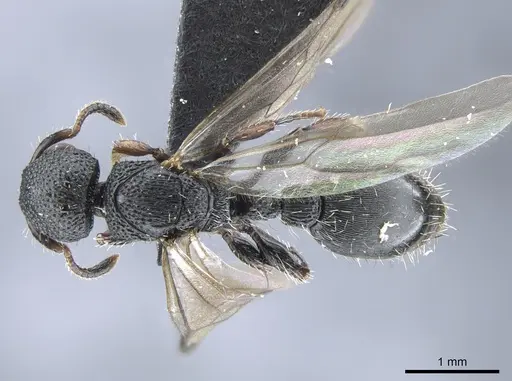
Literature
Loading...Loading products...