

Procryptocerus convexus
- Scientific Name
- Procryptocerus convexus
- Tribe
- Attini
- Subfamily
- Myrmicinae
- Author
- Forel, 1904
- Distribution
- Found in 1 countries
Procryptocerus convexus Overview
Procryptocerus convexus is an ant species of the genus Procryptocerus. It is primarily documented in 1 countries , including Brazil. Detailed taxonomic data and occurrence records can be further explored via authoritative databases such as AntWeb or the Global Biodiversity Information Facility (GBIF).
Procryptocerus convexus
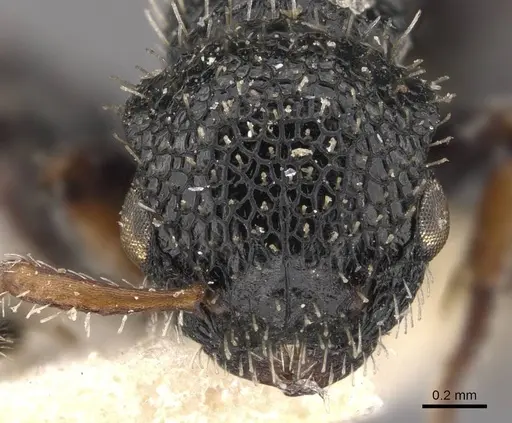
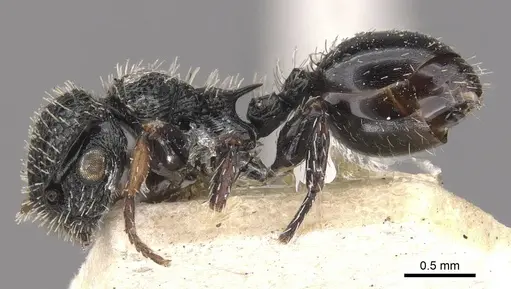
Procryptocerus convexus is a small Neotropical ant species belonging to the tribe Attini. Workers measure less than 4mm in total length, making them one of the smaller ant species in the genus [1]. They are distinguished by their convex dorsal profile, clathrate (grid-like) frons sculpture, and a smooth, glossy first gastral tergite with fewer hairs than other Procryptocerus species [2]. The head and mesosoma feature distinctive stiff pilosity, with Brazilian populations typically having shorter stiff hairs compared to Andean and Mesoamerican relatives [3].
This species has a limited known distribution in northern South America, originally described from Brazil (Amazonas and Pará states) and recently documented in Colombia's Caquetá department [4][2]. Despite being a member of the Attini tribe (which includes leaf-cutter ants), the specific biology, nesting habits, and colony structure of P. convexus remain completely unstudied. This makes it one of the least-known ant species in captivity, offering an opportunity for pioneering antkeepers to document behaviors that have never been observed in captivity.
Quick Summary
- Difficulty: Unknown, Insufficient data for difficulty rating
- Origin & Habitat: Neotropical Brazil (Amazonas, Pará) and Colombia (Caquetá), found in lowland rainforest areas at elevations around 260m [2][4]
- Colony Type: Unknown, colony structure has not been documented
- Size & Growth:
- Queen: Undocumented, no queen measurements available
- Worker: Less than 4mm total length [1], head width approximately 0.97mm [5]
- Colony: Unknown, no colony size data exists
- Growth: Unknown
- Development: Unknown, no development data exists for this species (Development timeline unstudied. Based on related Attini species, expect 6-10 weeks at optimal temperature, but this is purely estimated.)
- Antkeeping:
- Temperature: Likely 22-26°C based on lowland Neotropical distribution, start in this range and observe colony activity
- Humidity: Likely requires moderate to high humidity (60-80%) typical of Neotropical forest floor species, provide moist nest substrate
- Diapause: Unknown, no data on overwintering requirements. Neotropical species may not require true diapause but may show reduced activity during dry seasons.
- Nesting: Natural nesting habits unknown. Likely nests in rotting wood, leaf litter, or soil similar to other Attini. Y-tong or plaster nests with moisture retention would be appropriate experimental choices.
- Behavior: Behavior is completely unstudied. Based on genus placement in Attini, likely forages for fungal substrates or tends sap-feeding insects. Escape prevention should be excellent given their small size (under 4mm). Temperament unknown, exercise caution when observing and feeding.
- Common Issues: completely_unknown_biology, this species has no documented care information, making successful keeping uncertain, no_development_data, egg-to-worker timeline is unknown, making it impossible to assess if colony is developing normally, colony_structure_unconfirmed, monogyne vs polygyne is unknown, queen number requirements unclear, escape_risk, tiny size (under 4mm) means they can escape through standard test tube barriers, no_confirmed_diet, specific food preferences unknown, may require specialized fungal diet like other Attini
Species Identification and Distinction
Procryptocerus convexus can be identified by several distinctive morphological features. The workers have a convex dorsal profile (gibbous when viewed from the side) and lack the mesonotal processes found in some related species [1]. The frons exhibits a clathrate (grid-like) sculpture pattern, while the major opisthogastric tergite (first gastral segment) is smooth and shiny with relatively sparse erect hairs concentrated near the postpetiolar insertion [2][3]. Brazilian populations like P. convexus typically have shorter stiff pilosity compared to Andean and Mesoamerican Procryptocerus species, which tend to have longer flexuous hairs [3]. The head width measures approximately 0.97mm, making these among the smaller Procryptocerus species [5]. This species was originally described as a subspecies of P. hirsutus but was elevated to full species status by Longino and Snelling in 2002 based on morphological examination of type material [5][4].
Distribution and Habitat
Procryptocerus convexus has a limited known distribution in northern South America. The species was originally described from Brazil, specifically from the state of Pará, with additional records from Amazonas [4]. The type locality represents the primary documented collection site, and specimens have also been collected from Ilha de Curari using photoeclectors [4]. In 2018,the species was documented in Colombia for the first time, with a worker collected from Caquetá department in Parque Nacional Natural Chiribiquete at approximately 260m elevation [2]. This Colombian record expands the known range significantly and suggests the species may have a broader distribution than previously thought. The elevation of around 260m indicates a lowland tropical forest habitat, consistent with the Amazon basin region.
Why This Species is Challenging to Keep
Procryptocerus convexus represents one of the most poorly documented ant species in the antkeeping hobby. The scientific literature explicitly states that nothing is known about the biology of this species [5]. This includes no information on: founding behavior (claustral vs semi-claustral), colony structure (single queen vs multiple queens), diet preferences, nesting requirements, development time, or any aspect of their daily behavior. Unlike most commonly kept ant species where basic care parameters are established, keeping P. convexus requires essentially experimental conditions. You will be documenting behaviors and requirements that have never been observed before. This makes the species extremely high-risk for antkeepers, there is no established baseline to compare against to know if your colony is thriving or failing. Only experienced antkeepers with excellent record-keeping and the ability to maintain multiple backup colonies should attempt this species.
Experimental Care Approach
Given the complete lack of biological data, care recommendations must be based on inference from related species and general antkeeping principles. As a member of the tribe Attini (which includes fungus-growing ants), P. convexus may have dietary requirements similar to other Attini, potentially requiring fungal substrates rather than standard ant foods. However, this is purely speculative. For housing, use small-scale setups appropriate for tiny ants: test tubes with fine mesh barriers, small Y-tong nests, or plaster nests with appropriately scaled chambers. Temperature should likely be in the low-to-mid 20s°C range consistent with their lowland Neotropical distribution. Humidity should be moderate to high (60-80%) to mimic rainforest floor conditions. Start with standard ant foods (sugar water, small insects) and observe acceptance, but be prepared to experiment with fungal substrates if standard foods are rejected. Document everything, your observations may represent the first captive biology data for this species.
Legal and Ethical Considerations
Before acquiring Procryptocerus convexus, verify the legal status of this species in your jurisdiction. This species is native to Brazil and Colombia, and international trade may be regulated under CITES or national wildlife laws. Ensure any colony obtained was legally acquired from a permitted breeder or exporter. Additionally, consider whether this species should be kept at all given the complete lack of biological data, there is a high probability of colony failure due to unknown requirements. If you do attempt to keep this species, you have an opportunity to contribute valuable scientific knowledge to the antkeeping community. Document your observations thoroughly, including feeding behavior, development times, colony structure, and any unique behaviors. This information could help establish successful husbandry protocols for this poorly understood species.
Frequently Asked Questions
Is Procryptocerus convexus a good species for beginners?
No. This species is not recommended for beginners or even most experienced antkeepers. The scientific literature explicitly states that nothing is known about the biology of this species, meaning there are no established care protocols. Keeping this ant requires experimental conditions and carries an extremely high risk of colony failure due to unknown dietary, temperature, and humidity requirements.
What do Procryptocerus convexus ants eat?
Unknown. This species belongs to the tribe Attini, which includes fungus-growing ants, suggesting they may require fungal substrates rather than standard ant foods. However, this is purely speculative. No documented feeding observations exist for this species. You will need to experiment with various foods (sugar solutions, small insects, potential fungal growth substrates) and document what is accepted.
How long does it take for Procryptocerus convexus to develop from egg to worker?
Unknown, no development data exists for this species. Based on typical Attini development patterns, estimates would suggest 6-10 weeks at optimal temperature, but this is purely speculative. Without baseline data, it is impossible to determine if a colony is developing normally.
What size colony do Procryptocerus convexus colonies reach?
Unknown, no colony size data exists in any scientific literature. The maximum colony size, growth rate, and typical colony structure (single queen vs multiple queens) have not been documented.
Can I keep multiple Procryptocerus convexus queens together?
Unknown, colony structure (monogyne vs polygyne) has not been documented for this species. The safe approach is to keep only one queen per colony until more data is available.
What temperature should I keep Procryptocerus convexus at?
Based on their lowland Neotropical distribution in Brazil and Colombia, aim for temperatures in the 22-26°C range. This is an inference from related species, not documented requirements. Observe colony activity and adjust accordingly, if workers cluster consistently in warmer or cooler areas, use that information to refine your setup.
Do Procryptocerus convexus need hibernation or diapause?
Unknown, no data exists on overwintering requirements. As a Neotropical species from lowland Amazonian regions, they likely do not require true hibernation. However, they may show reduced activity during seasonal changes. Monitor your colony for natural slowdowns rather than imposing a diapause schedule.
What is the best nest type for Procryptocerus convexus?
Unknown, natural nesting habits have not been documented. Given their very small size (under 4mm), use small-scale nests with appropriately sized chambers: test tubes with fine mesh, small Y-tong nests, or moisture-retaining plaster nests. Provide a humidity gradient so ants can choose their preferred moisture level.
Why are my Procryptocerus convexus dying?
Without any baseline data on normal behavior or requirements, it is impossible to diagnose problems. This species has no documented care information, so any colony failure could be due to numerous unknown factors. Document everything about your setup and conditions to potentially identify patterns if the colony survives or fails.
References

This caresheet is licensed under CC BY-SA 4.0 .
CASENT0909248
View on AntWeb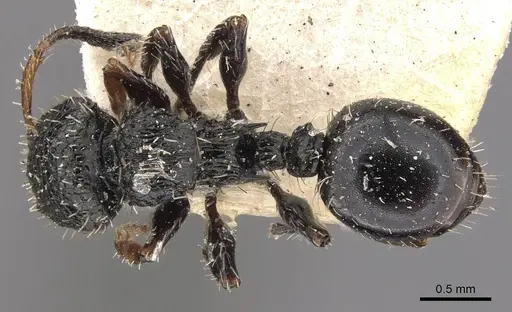
Literature
Loading...Loading products...