

Procryptocerus convergens
- Scientific Name
- Procryptocerus convergens
- Tribe
- Attini
- Subfamily
- Myrmicinae
- Author
- Mayr, 1887
- Distribution
- Found in 1 countries
Procryptocerus convergens Overview
Procryptocerus convergens is an ant species of the genus Procryptocerus. It is primarily documented in 1 countries , including Brazil. Detailed taxonomic data and occurrence records can be further explored via authoritative databases such as AntWeb or the Global Biodiversity Information Facility (GBIF).
Procryptocerus convergens
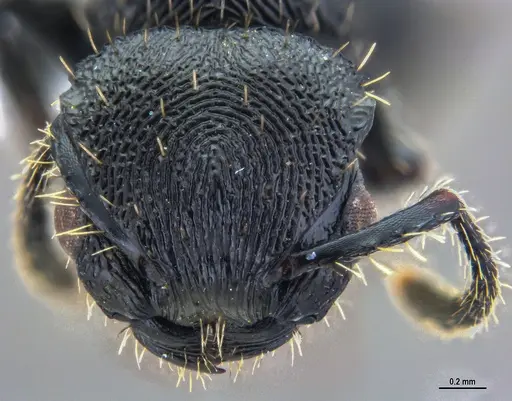
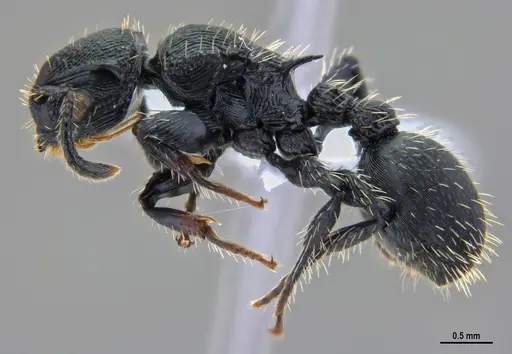
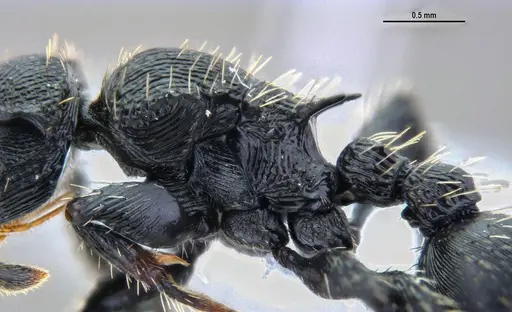
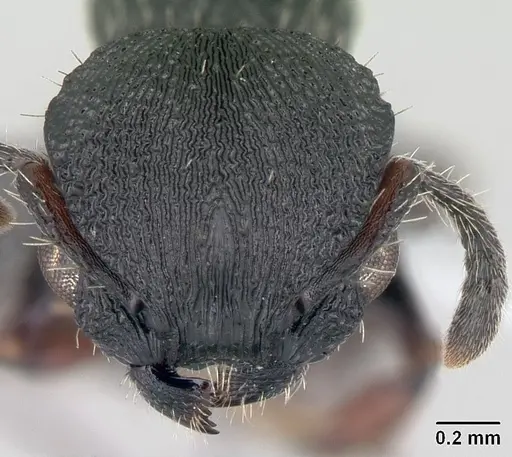
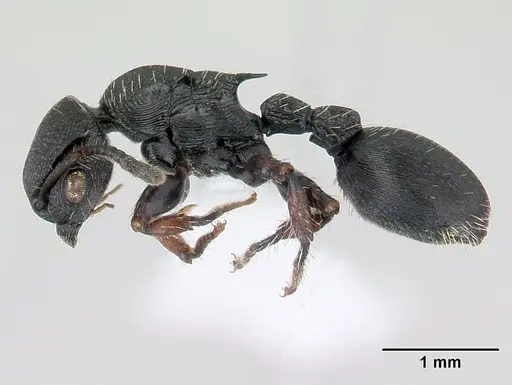
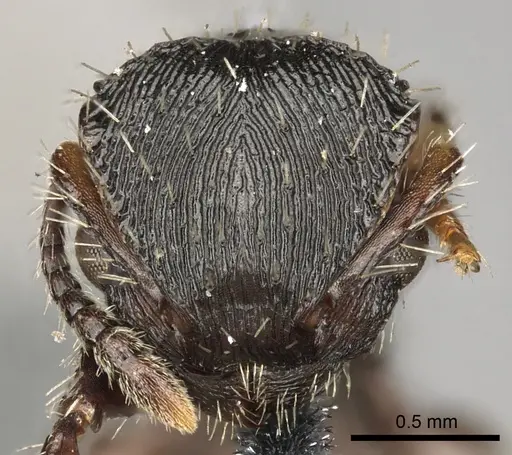
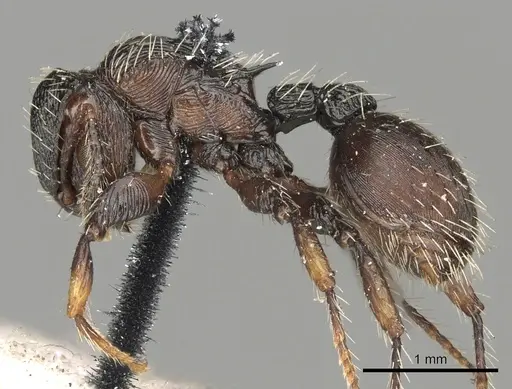
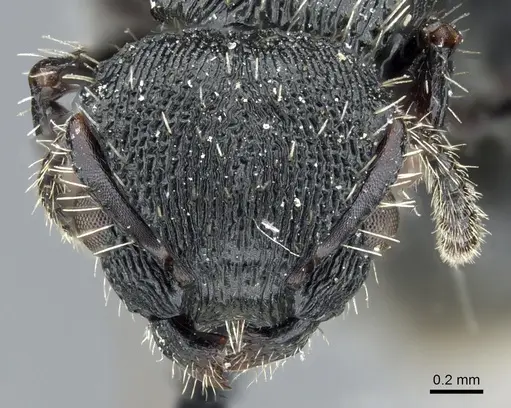
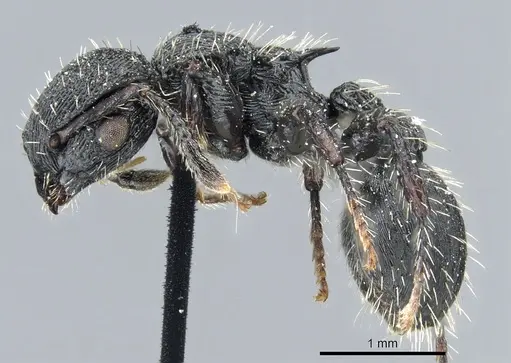
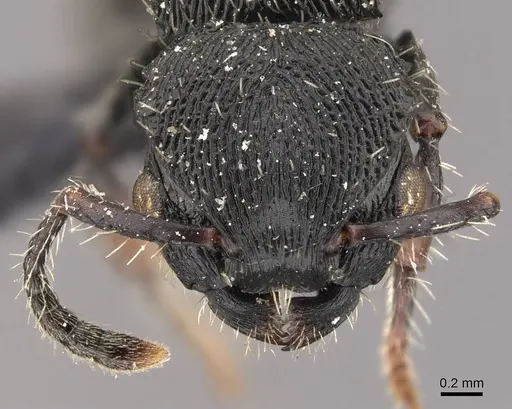
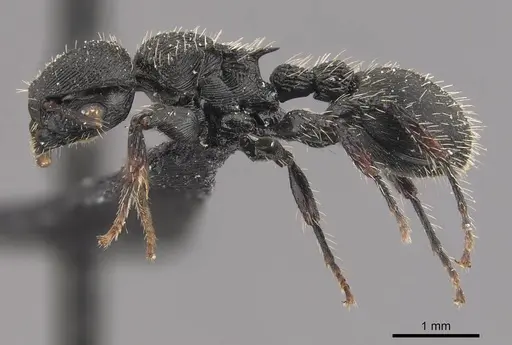
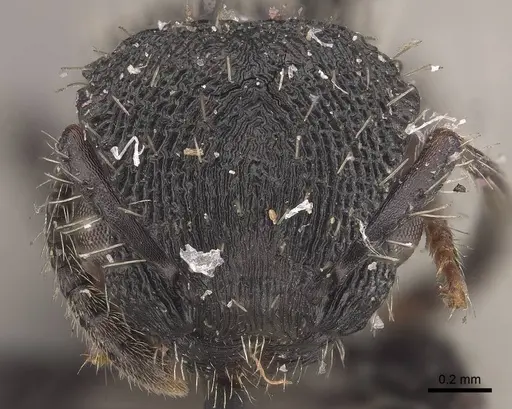
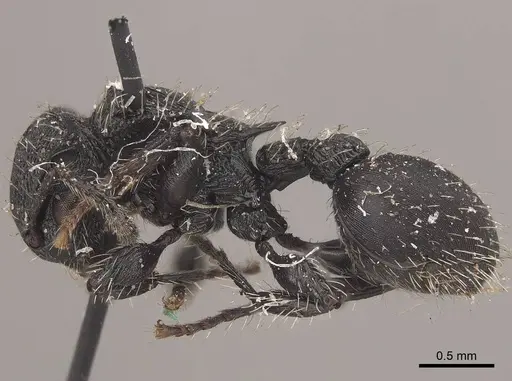
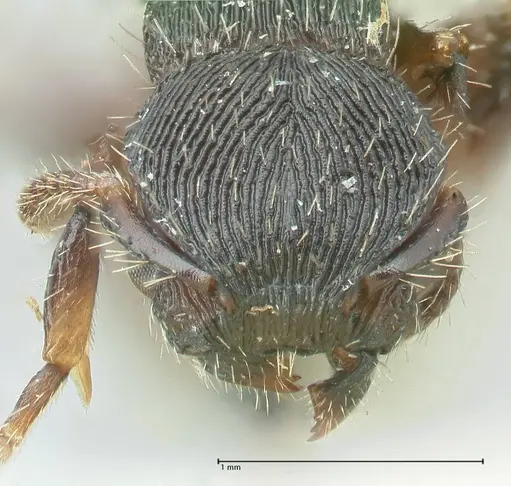
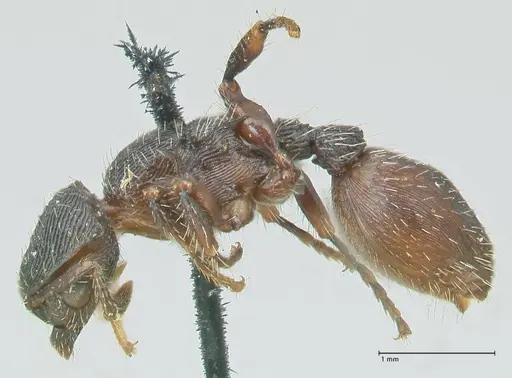
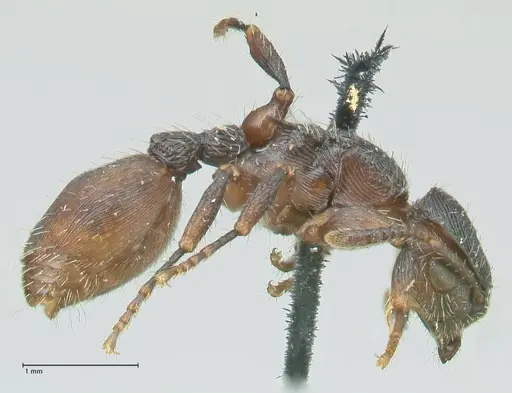
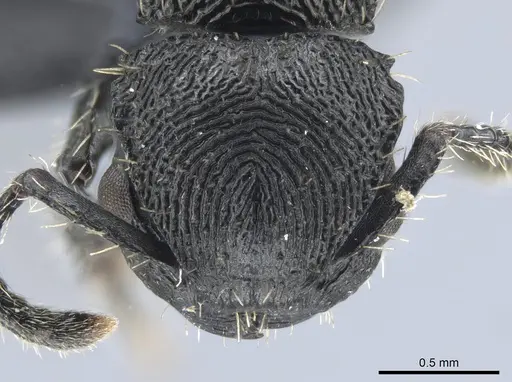
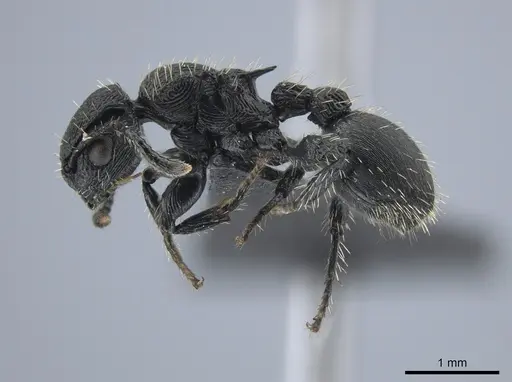
Procryptocerus convergens is a small, distinctive myrmicine ant native to the Neotropical region of Brazil and Venezuela. Workers measure around 4-5mm with a characteristic globular eye and a slightly notched head margin. Their body surface has distinctive foveolate (tiny pit) sculpturing that gives them a textured appearance. This species is extremely rare in the wild, making up only 0.02% of ant samples collected in some studies, and is almost exclusively found in arboreal habitats [1]. They are slow-moving ants that forage primarily in the canopy layer rather than on the ground [2].
What makes P. convergens particularly interesting is its unique nesting biology. Unlike most ants that nest in soil or rotting wood, this species nests inside the infructescences (fruiting structures) of bromeliad plants, specifically Vriesea friburgensis. The ants use the hollow stems and bud remains above the water reservoir in the plant's rosette as both shelter and food resources. This arboreal lifestyle means they are adapted to the humid, sheltered microclimates found in bromeliad tanks.
Quick Summary
- Difficulty: Expert
- Origin & Habitat: Native to the Neotropical region, specifically found in Brazil (Santa Catarina, Rio Grande do Sul) and Venezuela. Inhabits Atlantic Forest environments where it nests exclusively in bromeliad plants, particularly in the inflorescence structures of Vriesea friburgensis. The species has been recorded in urban areas of southern Brazil including Abelardo Luz, Campo Erê, Concórdia, Pinhalzinho, and Seara [3].
- Colony Type: Colony structure is not well documented in scientific literature. Based on typical Attini patterns, likely single-queen colonies, though this requires confirmation.
- Size & Growth:
- Queen: Approximately 6-7mm based on related Procryptocerus species.
- Worker: Approximately 4-5mm [4].
- Colony: Unknown, but likely small colonies given the species' rarity and slow behavior [1][2].
- Growth: Unknown, no development data available for this species.
- Development: Unknown, no direct studies on development. Based on typical Attini patterns in tropical arboreal ants, estimate 6-10 weeks at optimal temperature. (Development timeline has not been directly studied. Estimate based on related Myrmicinae patterns.)
- Antkeeping:
- Temperature: Keep at 22-26°C. This species comes from the warm, humid Atlantic Forest of southern Brazil where temperatures are moderate year-round. Avoid temperatures below 18°C or above 30°C.
- Humidity: High humidity is essential, these ants live in bromeliad tanks where humidity stays very high. Keep nest substrate consistently moist but not waterlogged. Aim for 70-85% humidity similar to their native bromeliad habitat.
- Diapause: Unlikely, as a tropical/subtropical species from southern Brazil, they probably do not require true hibernation. However, they may slow down during cooler winter months.
- Nesting: This is the most critical aspect of keeping P. convergens. They are strictly arboreal nesters in bromeliad structures. Provide a naturalistic setup with live or artificial bromeliads, or use a vertical nest setup with tight chambers that mimic the confined spaces of plant stems. Y-tong nests or plaster nests with small chambers work well. They need vertical space and should be kept in escape-proof housing.
- Behavior: Procryptocerus convergens is a calm, slow-moving ant with a docile temperament. They are not aggressive and rarely sting. Their slow behavior means they are not escape artists in the traditional sense, but their small size means they can still slip through small gaps. They are strictly arboreal and forage in the canopy layer, so they prefer to travel on vertical surfaces rather than across open ground. Workers forage individually or in small groups rather than forming large trails. They are likely nocturnal or crepuscular based on their arboreal habits.
- Common Issues: this species is extremely rare in the hobby and has very specific arboreal bromeliad nesting requirements that are difficult to replicate, high humidity requirements can lead to mold problems if ventilation is inadequate, slow colony growth means keepers may lose patience and make husbandry errors, the arboreal lifestyle means they may not adapt well to typical ground-based formicarium setups, wild-caught colonies may be stressed from removal from their natural bromeliad habitat and fail to establish
Nest Preferences and Housing
Procryptocerus convergens presents unique challenges for antkeepers because of its strictly arboreal nesting biology. In the wild, these ants nest exclusively inside the infructescences (fruiting structures) of bromeliad plants, particularly Vriesea friburgensis. The ants use the hollow stems and the remains of buds and fruits that sit above the water reservoir in the plant's rosette. This means they are adapted to tight, enclosed spaces with high humidity and good ventilation.
For captive housing, the best approach is a naturalistic setup that mimics their bromeliad home. You can use live bromeliads (though this requires significant plant care knowledge) or create an artificial bromeliad habitat using cork bark or PVC structures arranged vertically. Alternatively, a Y-tong nest with very small chambers works well, the key is providing tight, enclosed spaces rather than open areas. Plaster nests can work if kept consistently moist. The nest should be positioned vertically, not horizontally, as these are canopy-dwelling ants.
Escape prevention is important despite their slow movement, workers are small enough to slip through standard gaps. Use fine mesh and ensure all connections are tight. Place the nest in a tall formicarium or outworld that allows them to travel vertically. [4]
Feeding and Diet
As a member of the tribe Attini (the leaf-cutter ant tribe), Procryptocerus convergens likely has a diet similar to other Attini species, primarily fungus-growing or foraging for small arthropods and plant materials. However, they are not true leaf-cutters and their specific dietary needs are not well documented in scientific literature.
Based on related Procryptocerus species, you should offer a varied diet including: small live insects (fruit flies, pinhead crickets, small mealworms), sugar sources (honey water, sugar water in small amounts), and possibly small pieces of fruit or plant material. Protein is likely important for brood development. Feed small amounts of protein 2-3 times per week, and keep a sugar source available at all times.
Because they are slow-moving and likely forage individually, place food directly near the nest entrance rather than expecting them to form long foraging trails. Remove uneaten food within 24-48 hours to prevent mold in the humid environment they require.
Temperature and Humidity Requirements
This species comes from the Atlantic Forest region of southern Brazil, a warm, humid subtropical environment. Keep temperatures in the range of 22-26°C. They can tolerate brief periods slightly above or below this range, but prolonged exposure to temperatures below 18°C or above 30°C should be avoided.
Humidity is critical for this species. In their natural bromeliad habitat, the air inside the plant's rosette is nearly saturated with moisture. Aim for 70-85% humidity in the nest area. This is higher than most ant species require. Use a moisture reservoir in your nest setup (test tube water reservoir, moist plaster, or damp substrate) and monitor for drying. However, balance this with adequate ventilation to prevent stagnant air and mold growth.
Because they are arboreal, these ants do not need a temperature gradient as strongly as ground-nesting species. However, providing a slight gradient (perhaps 2-3°C difference) allows them to regulate their temperature by moving between chambers.
Behavior and Colony Dynamics
Procryptocerus convergens is characterized by slow, deliberate movement. Workers forage individually or in very small groups rather than forming the large trails typical of many Myrmicinae. They are almost exclusively arboreal, meaning they spend their time in the canopy and upper vegetation layers rather than on the ground [2]. This affects how they move through captive setups, they prefer vertical surfaces and may not use typical ground foraging areas.
The colony structure is not well documented, but based on typical Attini patterns, they likely have single-queen colonies with relatively slow growth. The species is extremely rare in the wild (only 0.02% abundance in some studies) [1], which suggests colonies are small and localized.
They are not aggressive and have no significant defensive capabilities. Workers are unlikely to sting, and their slow movement means they cannot escape quickly. This makes them relatively safe to handle, though their small size makes them fragile.
Acquisition and Ethical Considerations
Procryptocerus convergens is not a common species in the antkeeping hobby, and wild populations are extremely rare and localized. If you can find a colony for sale, it will likely be captive-bred rather than wild-caught. This is fortunate because wild-caught colonies face high mortality rates due to the stress of removal from their specialized bromeliad habitat.
When acquiring this species, seek out reputable breeders who specialize in rare Neotropical ants. Do not release this species or any of its relatives in non-native regions, while P. convergens itself is not considered invasive, introducing ant species to new areas can cause ecological damage.
Because this species has very specific habitat requirements and is difficult to keep, it is recommended only for experienced antkeepers who can provide the high humidity, arboreal housing, and stable conditions this species needs.
Frequently Asked Questions
How long does it take for Procryptocerus convergens to produce first workers?
The egg-to-worker timeline is not directly documented for this species. Based on typical Attini patterns for small tropical ants, estimate 6-10 weeks at optimal temperature (around 24°C). Expect slower growth than faster-growing Myrmicinae like Pheidole.
Can I keep Procryptocerus convergens in a test tube setup?
A standard test tube setup is not ideal for this species. They are strictly arboreal and need vertical, enclosed spaces that mimic bromeliad stems. A Y-tong nest with small chambers or a naturalistic vertical setup works better. However, you can use a test tube as a water reservoir connected to a more suitable nest chamber.
What do Procryptocerus convergens eat?
Based on related Attini species, they likely eat small insects (protein) and may accept sugar sources. Offer small live prey like fruit flies or pinhead crickets 2-3 times per week, and provide a sugar source (honey water or sugar water). They may also accept small pieces of fruit or plant material.
Are Procryptocerus convergens good for beginners?
No. This is an expert-level species due to its very specific arboreal bromeliad nesting requirements, high humidity needs, and rarity in the hobby. Beginners should start with more adaptable species like Lasius, Tetramorium, or Pheidole.
Do Procryptocerus convergens need hibernation?
Probably not. As a species from the warm, humid Atlantic Forest of southern Brazil, they likely do not require a true hibernation period. However, they may slow down during cooler winter months. If your room temperature drops significantly in winter, you may need to provide gentle heating.
How big do Procryptocerus convergens colonies get?
Colony size is not well documented, but based on the species' extreme rarity (only 0.02% abundance in studies) and slow behavior, colonies are likely small, probably under 100 workers even in mature colonies.
Why are my Procryptocerus convergens dying?
Common causes include: low humidity (they need 70-85%), incorrect temperature (too cold below 18°C or too hot above 30°C), improper nesting setup (they need vertical enclosed spaces, not horizontal formicariums), mold from excessive moisture without ventilation, or stress from wild-collection. Review your humidity, temperature, and nest setup first.
Can I keep multiple Procryptocerus convergens queens together?
The colony structure is not well documented for this species. Based on typical Attini patterns, they likely have single-queen colonies. Combining unrelated queens is not recommended as it has not been documented and could result in fighting.
When should I move Procryptocerus convergens to a formicarium?
Wait until the colony is established with at least 20-30 workers. These ants prefer small, tight chambers rather than large open spaces, so even a small colony can be kept in a properly configured nest. The key is providing vertical space with small, enclosed chambers that mimic their bromeliad homes.
References

This caresheet is licensed under CC BY-SA 4.0 .
ANTWEB1047386
View on AntWeb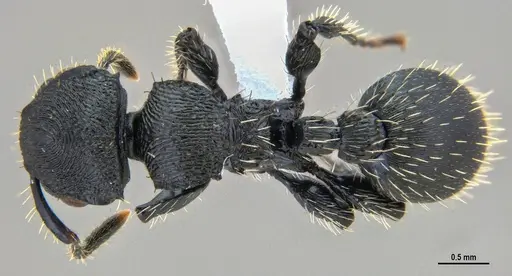
CASENT0178628
View on AntWeb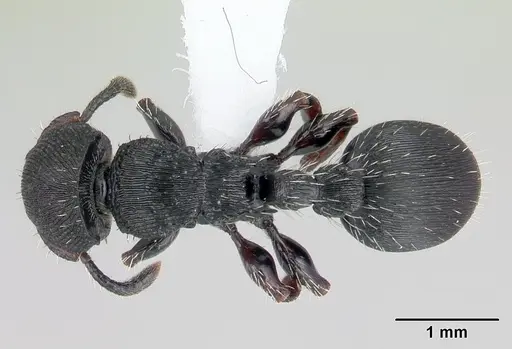
CASENT0900228
View on AntWeb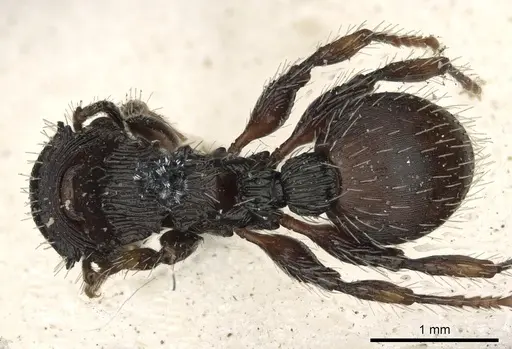
CASENT0904889
View on AntWeb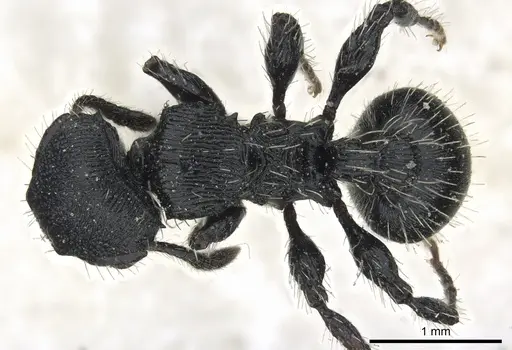
CASENT0909253
View on AntWeb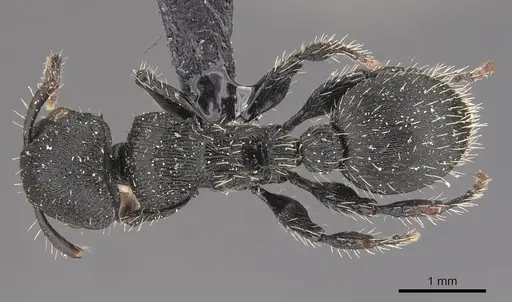
CASENT0919591
View on AntWeb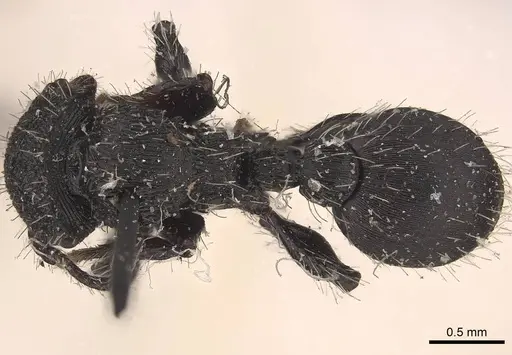
FOCOL2116
View on AntWeb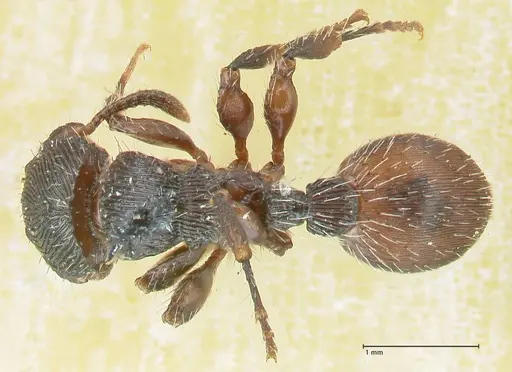
UFV-LABECOL-000638
View on AntWeb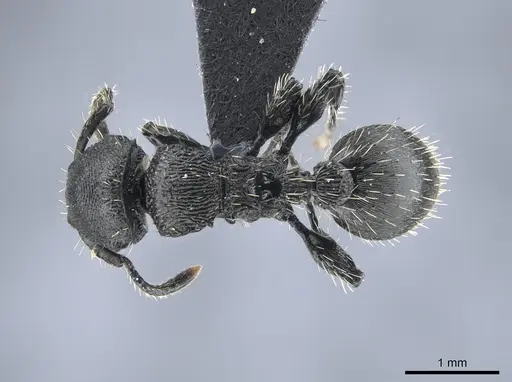
Literature
Loading...Loading products...