

Procryptocerus carbonarius
- Scientific Name
- Procryptocerus carbonarius
- Tribe
- Attini
- Subfamily
- Myrmicinae
- Author
- Mayr, 1870
- Distribution
- Found in 1 countries
Procryptocerus carbonarius Overview
Procryptocerus carbonarius is an ant species of the genus Procryptocerus. It is primarily documented in 1 countries , including Colombia. Detailed taxonomic data and occurrence records can be further explored via authoritative databases such as AntWeb or the Global Biodiversity Information Facility (GBIF).
Procryptocerus carbonarius
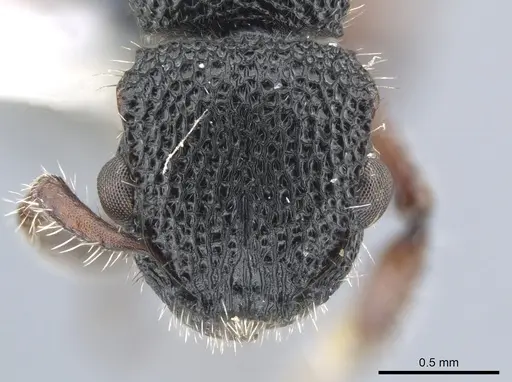
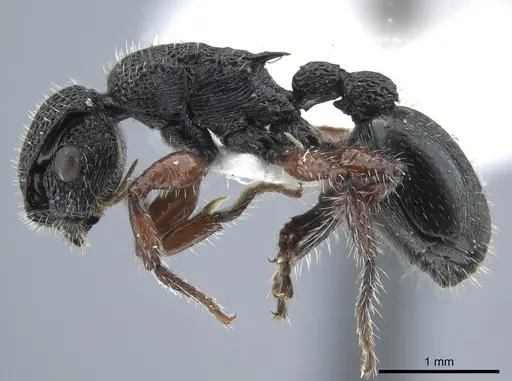
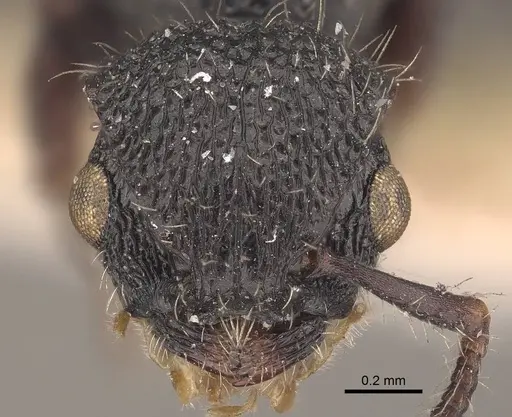
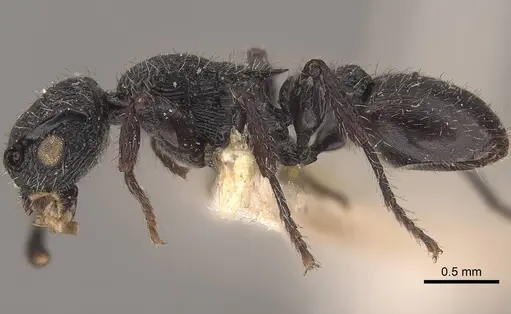
Procryptocerus carbonarius is a small, distinctive ant species native to the Neotropical region of Colombia and Panama. Workers measure around 4.2-4.5mm and are almost entirely black with brown mandibles, funicle, and tarsi. They have a rough, clathrate (grid-like) sculpture on the head and thorax, and their most striking feature is a pair of long, parallel propodeal spines extending backward from the mesosoma. The genus Procryptocerus is the well-established sister group to Cephalotes (the famous turtle ants), sharing similar morphological adaptations [1]. These ants are relatively rare in collections and are considered a specialty species for more experienced antkeepers interested in unusual Myrmicines.
Quick Summary
- Difficulty: Medium
- Origin & Habitat: Native to the Neotropical region of Colombia and Panama, specifically found in Antioquia, Caldas, and Cundinamarca in Colombia, and throughout Panama [2][3]. They inhabit tropical forest environments.
- Colony Type: Colony structure is unconfirmed. Based on sister genus Cephalotes patterns, likely single-queen (monogyne) colonies, but this has not been documented for this specific species.
- Size & Growth:
- Queen: Undocumented, estimated 5-6mm based on worker size and genus patterns
- Worker: 4.2-4.5mm [4][3]
- Colony: Unknown, likely small to moderate based on related genera
- Growth: Unknown, likely moderate based on tropical Attini patterns
- Development: Unconfirmed, estimated 6-10 weeks based on typical tropical Myrmicinae development at warm temperatures (Development timeline has not been directly studied. Estimates based on related genera in the Cephalotini tribe.)
- Antkeeping:
- Temperature: Keep at 24-28°C, these are tropical ants requiring warm, stable conditions. A heating cable on one side of the nest creates a suitable gradient.
- Humidity: Maintain high humidity (70-80%) with moist substrate. These forest-floor ants prefer damp conditions but avoid waterlogging. Mist occasionally and provide a water tube.
- Diapause: Unlikely, being a tropical species from Colombia and Panama, they probably do not require a true hibernation. They may show reduced activity during cooler periods.
- Nesting: In the wild, they likely nest in rotting wood, under bark, or in leaf litter on the forest floor. In captivity, a Y-tong (AAC) nest or naturalistic setup with moist substrate works well. Avoid dry conditions.
- Behavior: These ants are relatively docile and not aggressive. Workers are slow-moving and somewhat cryptic. They are not known to be escape artists despite their small size, but standard escape prevention (Fluon on edges) is still recommended. Foraging style is likely omnivorous, scavenging and hunting small invertebrates.
- Common Issues: lack of documented care information makes proper husbandry challenging, tropical humidity requirements can lead to mold if ventilation is poor, slow growth may cause keepers to overfeed or disturb the colony unnecessarily, wild-caught colonies may carry parasites that are difficult to treat, their rarity means fewer keeper resources and community knowledge are available
Housing and Nest Preferences
Procryptocerus carbonarius is a tropical forest ant that in the wild likely nests in rotting wood, under loose bark, or within leaf litter on the forest floor. They prefer tight, enclosed spaces that maintain humidity. For captivity, a Y-tong (AAC) nest works well because it provides dark chambers and holds humidity effectively. Alternatively, a naturalistic setup with moist soil and hiding spots like cork bark or flat stones can simulate their natural environment. Avoid dry nests or overly airy setups, these ants are adapted to the humid understory of tropical forests and will struggle in arid conditions. A test tube setup can work for founding colonies, but transfer to a more spacious formicarium once the colony reaches 15-20 workers. [3][2]
Feeding and Diet
The tribe Attini (which includes Procryptocerus and its sister genus Cephalotes) is primarily omnivorous, with a diet based on scavenging, predation, and tending sap-feeding insects for honeydew. In captivity, offer a varied diet: protein sources like small crickets, mealworms, fruit flies, and other small insects should be provided regularly. They will likely accept sugar water, honey, or diluted maple syrup as an energy source. Feed protein 2-3 times per week and keep sugar sources available continuously. Remove uneaten prey after 24-48 hours to prevent mold. Since their specific dietary requirements are unconfirmed, observe your colony's preferences and adjust accordingly.
Temperature and Humidity Requirements
Being native to tropical Colombia and Panama, Procryptocerus carbonarius requires warm and humid conditions. Maintain temperatures between 24-28°C, with a slight gradient allowing workers to choose their preferred zone. A heating cable placed on top of the nest (never underneath to avoid drying) can help maintain warmth. Humidity should be kept high at 70-80%, the substrate should feel consistently moist but never waterlogged. Provide a water tube for drinking water. Good ventilation is essential to prevent mold while maintaining humidity. If you see condensation constantly pooling, increase ventilation, if the substrate dries too quickly, reduce airflow. [2][3]
Colony Development and Growth
The colony development timeline for this species has not been directly documented. Based on typical patterns for tropical Myrmicinae in the Cephalotini tribe, expect 6-10 weeks from egg to first worker at optimal temperatures. Queens are estimated to be slightly larger than workers (around 5-6mm) based on genus patterns, though this has not been confirmed. Founding colonies should be left undisturbed in their test tube setup until the first workers (nanitics) emerge and the colony has grown to 10-15 workers. Do not disturb the queen during claustral founding, she seals herself in and relies on stored fat reserves. Growth rate is estimated as moderate. Colonies likely remain relatively small (under a few hundred workers) based on related genera.
Behavior and Temperament
Procryptocerus carbonarius workers are slow-moving and relatively docile. They are not aggressive and do not possess a painful sting, making them safe for handling. Workers likely forage individually or in small groups, searching for dead insects, honeydew, and other small food items. They are not known for being escape artists, but standard precautions (Fluon barrier on nest edges) should still be used. The species does not show major defensive behaviors, their main predators would be larger ants and forest-floor predators. Their cryptic nature and slow movement make them fascinating to observe. They are a specialty species best suited for antkeepers who appreciate unusual ants rather than flashy, aggressive species.
Frequently Asked Questions
How long does it take for Procryptocerus carbonarius to produce first workers?
The exact timeline is unconfirmed, but based on typical tropical Myrmicinae development, expect 6-10 weeks from egg to first worker at optimal temperatures (24-28°C).
What do Procryptocerus carbonarius ants eat?
They are omnivorous. Offer small insects (crickets, mealworms, fruit flies) for protein 2-3 times weekly, and keep sugar water or honey available continuously. They likely scavenge and hunt small invertebrates in the wild.
What temperature should I keep Procryptocerus carbonarius at?
Keep them warm at 24-28°C. These tropical ants require consistent warmth. A heating cable on the nest can help maintain proper temperature.
Are Procryptocerus carbonarius good for beginners?
They are considered a medium difficulty species. While not aggressive, their specific care requirements (high humidity, warm temperatures) and limited documented information make them better suited for intermediate antkeepers.
How big do Procryptocerus carbonarius colonies get?
Colony size is unconfirmed, but based on related genera, they likely remain small to moderate, probably under 500 workers.
Do Procryptocerus carbonarius need hibernation?
No, being a tropical species from Colombia and Panama, they do not require hibernation. They may show reduced activity during cooler periods but should be kept warm year-round.
What type of nest is best for Procryptocerus carbonarius?
A Y-tong (AAC) nest or naturalistic setup with moist substrate works well. They prefer tight, humid spaces similar to their natural forest-floor habitat. Avoid dry nests.
Can I keep multiple Procryptocerus carbonarius queens together?
This has not been documented. Based on sister genus Cephalotes patterns, they likely form single-queen colonies. Do not attempt combining unrelated queens.
Why is my Procryptocerus carbonarius colony dying?
Common causes include: too low humidity (they need 70-80%), temperatures outside 24-28°C, mold from poor ventilation, or stress from disturbance during founding. Ensure proper humidity and warmth, and minimize disturbances.
References

This caresheet is licensed under CC BY-SA 4.0 .
CASENT0651713
View on AntWeb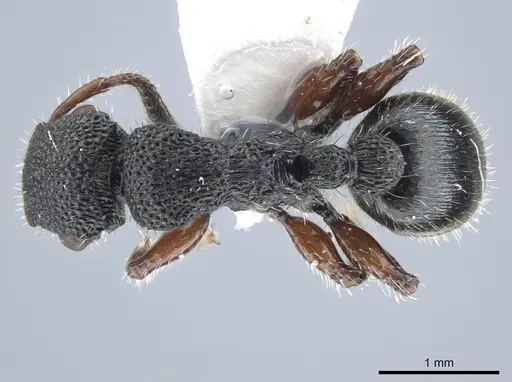
CASENT0919590
View on AntWeb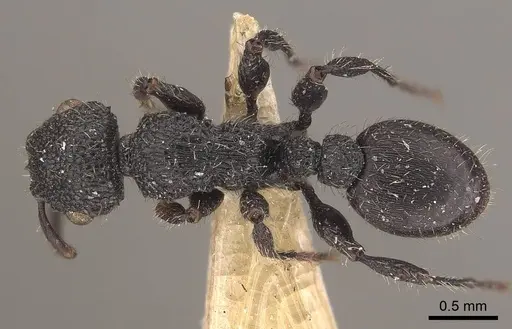
Literature
Loading...Loading products...