

Procryptocerus belti
- Scientific Name
- Procryptocerus belti
- Tribe
- Attini
- Subfamily
- Myrmicinae
- Author
- Forel, 1899
- Distribution
- Found in 6 countries
Procryptocerus belti Overview
Procryptocerus belti is an ant species of the genus Procryptocerus. It is primarily documented in 6 countries , including Costa Rica, Ecuador, Honduras. Detailed taxonomic data and occurrence records can be further explored via authoritative databases such as AntWeb or the Global Biodiversity Information Facility (GBIF).
Procryptocerus belti
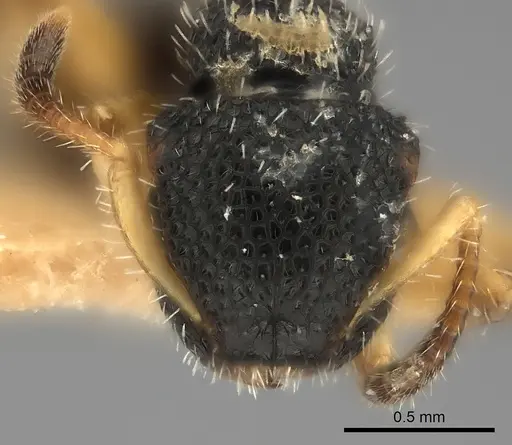
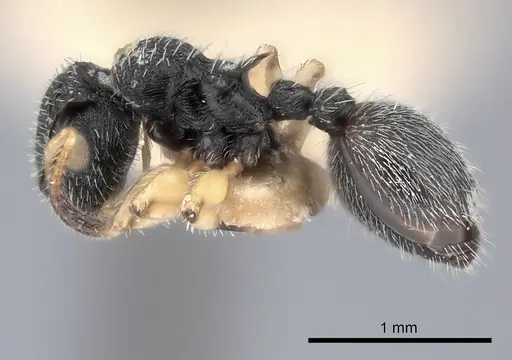
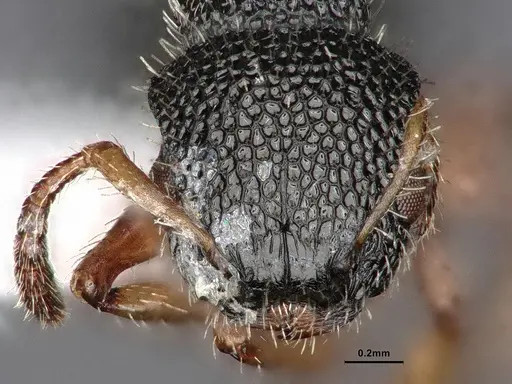
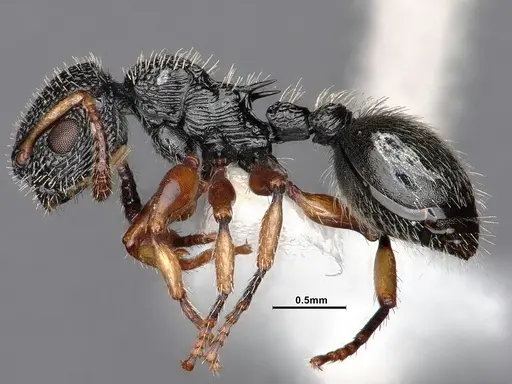
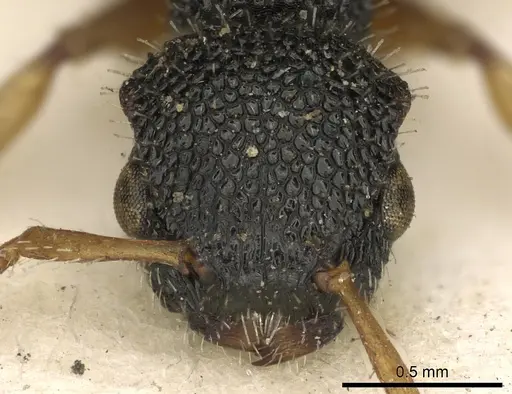
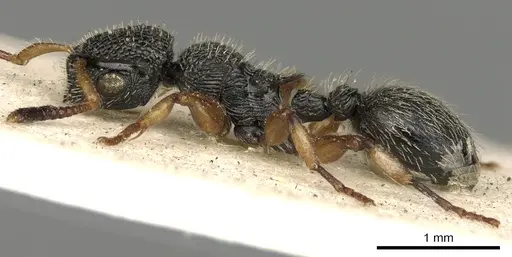
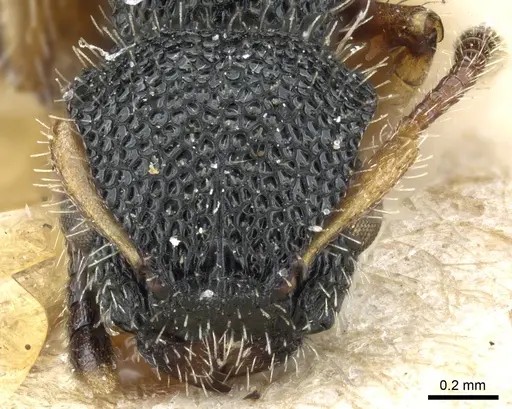
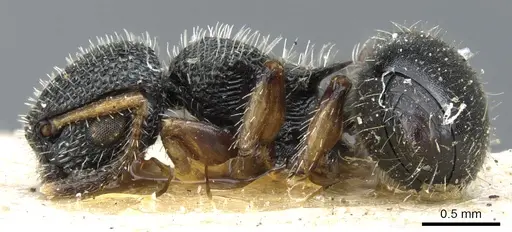
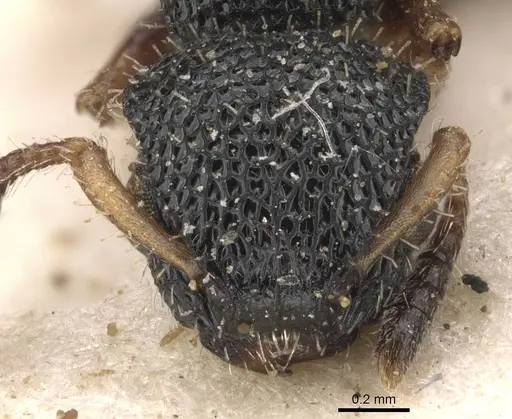
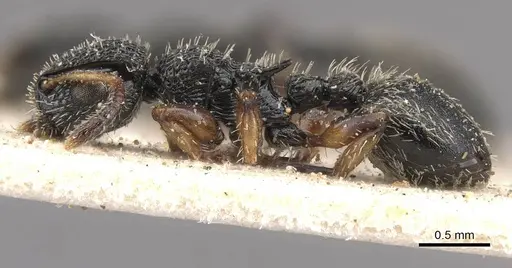
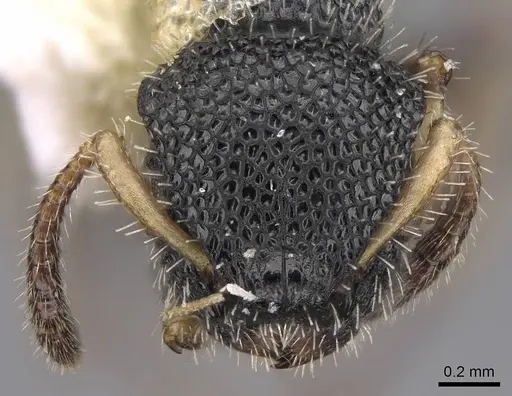
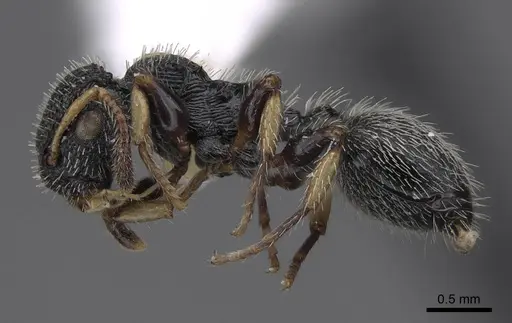
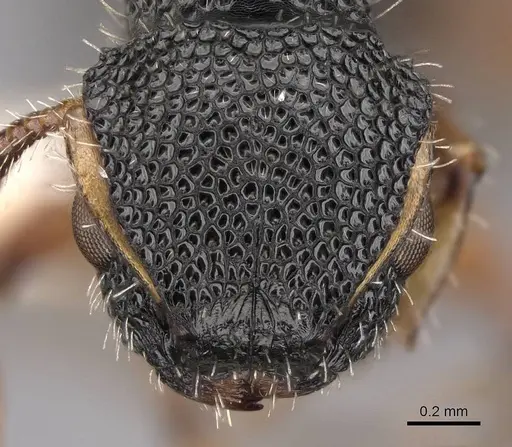
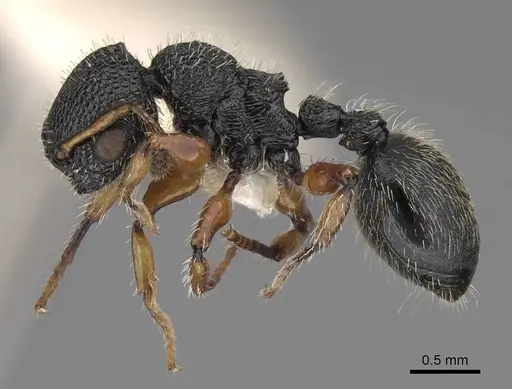
Procryptocerus belti are tiny, shiny black ants that live in the forest canopy from Mexico to Ecuador [1][2]. Workers measure less than 4 millimeters long with distinctive light orange-brown legs and antennae that contrast against their dark bodies [3][4]. They nest inside narrow dead stems and forage alone on low vegetation and tree trunks [1][5]. Unlike many ants that can swim, these ants sink and cannot move on water at all [6], but they can cling to leaves and branches with impressive strength for their size [7].
These ants prefer seasonally dry tropical forests and are surprisingly abundant in the Pacific lowlands of Costa Rica, though they become rare in wetter Atlantic forests [1]. They have been found living in the canopy of tall trees like figs and sloaneas, and occasionally end up in the feces of silky anteaters that feed on them [1]. Their small colony size and solitary foraging style make them a challenging but unique species for advanced antkeepers [5].
Quick Summary
- Difficulty: Hard
- Origin & Habitat: Neotropical: Mexico to Panama, Ecuador, and Colombia [1][2]. Primary rainforest canopy, secondary growth, beach-edge vegetation, and mangroves [1].
- Colony Type: Unknown, small colonies documented but queen number remains unconfirmed [5].
- Size & Growth:
- Queen: ~3-4 mm (head width 0.92 mm) [4].
- Colony: Small, exact maximum unknown [5]. Likely under 100 workers based on related species.
- Growth: Slow (inferred from small colony size and solitary foraging behavior).
- Development: Unknown, likely 6-10 weeks at 25-27°C based on small body size and tropical habitat, but this is unconfirmed. (Nanitic workers may emerge faster than subsequent generations. Development speed depends heavily on temperature.)
- Antkeeping:
- Temperature: 24-28°C (estimated). Tropical species from lowland forests, start at 25°C and adjust based on activity levels.
- Humidity: Moderate to high, roughly 60-80%. Keep nest substrate lightly moist but not wet, with good ventilation to prevent mold.
- Diapause: Likely not required, tropical distribution suggests no winter rest, but this is unconfirmed.
- Nesting: Narrow cavities mimicking dead stems (2-4 mm diameter) with vertical orientation. Y-tong or plaster nests with small chambers work better than open spaces [1].
- Behavior: Solitary foragers that hunt alone rather than in trails [5]. Arboreal climbers with excellent grip but cannot swim [6][7]. Generally slow-moving and not aggressive. Escape risk is extreme due to tiny size [3].
- Common Issues: escape prevention is critical, at less than 4 mm they fit through the tiniest gaps and standard mesh may be too coarse., founding behavior is unconfirmed, queens may fail to raise first workers in captivity due to unknown biological requirements., small colonies are fragile, disturbances or overfeeding can wipe out the entire workforce., arboreal housing is essential, flat horizontal setups stress them, they need vertical climbing surfaces and narrow cavities., humidity balance is tricky, they need moist tropical conditions but stagnant air causes mold in small nests.
Natural History and Distribution
Procryptocerus belti ranges from Mexico through Central America to Ecuador and Colombia [1][2]. In Costa Rica, they show a strong preference for seasonally dry habitats on the Pacific side, where they are very abundant in lowland forests south of Puntarenas [1]. However, they become rare in wet Atlantic forests like La Selva Biological Station, where they only appear sparsely in the tops of canopy trees [1].
These ants are true arboreal specialists. They nest inside narrow-gauge dead stems, often in detached branches lodged in low vegetation [1]. They have been collected from the canopies of tall trees including Brosimum, Sloanea, Ficus, and Leuhea [1]. Workers forage alone on low vegetation rather than forming foraging trails [5]. Their presence in the feces of silky anteaters (Cyclopes) suggests they are common enough in the canopy to form part of the regular diet of these tree-dwelling mammals [1].
Housing and Nest Design
In captivity, you must replicate their narrow stem-nesting habits. Use cavities with diameters between 2-4 mm, standard test tubes may be too large unless you block most of the entrance [1]. Small Y-tong (AAC) nests with tight chambers work well, or plaster nests carved with narrow tunnels.
Set up the nest vertically rather than horizontally, as these ants are adapted to climbing stems [1]. Provide plenty of vertical climbing surfaces like twigs, cork bark, or rough mesh. They cannot swim, so ensure water sources have shallow edges or sponges to prevent drowning [6].
Escape prevention requires extreme measures. At under 4 mm with flattened bodies, they squeeze through gaps that stop larger ants [3]. Use fine stainless steel mesh (under 0.5 mm holes) and Fluon or PTFE barriers on all container walls.
Feeding and Diet
As members of the turtle ant tribe (Cephalotini), Procryptocerus belti are generalist predators that hunt small prey [4]. In captivity, offer tiny live insects like springtails, fruit flies (Drosophila), or newly hatched pinhead crickets. Because they forage solitarily, provide small amounts of prey frequently rather than large dumps that could overwhelm the small workforce [5].
They likely accept sugar sources like honey water or sugar water, as many arboreal ants collect honeydew in the wild. However, protein is essential for brood development. Remove uneaten prey quickly to prevent mold in the humid conditions they prefer.
Temperature and Humidity
These tropical canopy ants need warm, stable conditions. Aim for 24-28°C with a slight gradient across the nest [8]. If your room temperature drops below 22°C, use a heating cable on one side of the formicarium, placed on top to avoid creating condensation pools at the bottom.
Maintain moderate to high humidity around 60-80%, mimicking the moist but airy conditions of forest canopy stems [1]. The nest substrate should feel damp to the touch but not waterlogged. Provide ventilation to prevent stagnant air, which causes mold in small stem-like cavities.
Arboreal Adaptations and Behavior
Procryptocerus belti show fascinating physical adaptations for canopy life. Despite weighing only about 1 milligram, they generate impressive adhesive force relative to their body size, among the highest recorded for ants tested, allowing them to cling securely to leaves and branches [7].
However, they completely lack swimming ability. When dropped on water, they sink and cannot move, unlike many ants that paddle to safety [6]. This makes sense for canopy dwellers that rarely encounter standing water, but means you must prevent drowning in water dishes.
Their solitary foraging behavior means you will see individual workers wandering alone rather than forming organized trails [5]. They move slowly and deliberately, relying on their armor-like sculptured exoskeletons for defense rather than speed.
Frequently Asked Questions
Can I keep Procryptocerus belti in a test tube?
Yes, but use small-diameter test tubes (10 mm or less) and block most of the entrance to create a narrow cavity similar to their natural dead stem nests [1]. Standard test tubes may be too spacious and make them feel exposed.
How long does Procryptocerus belti take from egg to worker?
The exact timeline is unknown. Based on their small size (~1 mg body mass) and tropical habitat, expect roughly 6-10 weeks at 25-27°C, but this is an estimate [8].
Do Procryptocerus belti need hibernation?
Probably not. They come from tropical regions without cold winters [1]. Keep them at stable warm temperatures year-round unless you observe a natural slowdown period.
What do Procryptocerus belti eat?
Small live prey like springtails, fruit flies, and tiny crickets. They forage alone and cannot handle large insects [5]. Offer sugar water or honey for energy, but prioritize protein for their small colonies.
Are Procryptocerus belti good for beginners?
No. Their tiny size requires expert escape prevention, their founding biology is unconfirmed, and they need specialized arboreal housing. They are best suited for experienced keepers looking for a challenge [5].
Can I keep multiple Procryptocerus belti queens together?
Not recommended. Their colony structure is unknown, and combining unrelated queens has not been documented. Small colonies in the wild suggest single-queen setups are safer [5].
How big do Procryptocerus belti colonies get?
They remain small. Exact numbers are unknown, but they are described as having small colonies with low densities, likely under 100 workers [5].
Why are my Procryptocerus belti dying?
Common causes include escapes through tiny gaps, drowning in water dishes (they cannot swim) [6], incorrect humidity (too dry or moldy), and disturbance during the sensitive founding phase. Their biology is poorly documented, making captive survival challenging.
References

This caresheet is licensed under CC BY-SA 4.0 .
CASENT0217915
View on AntWeb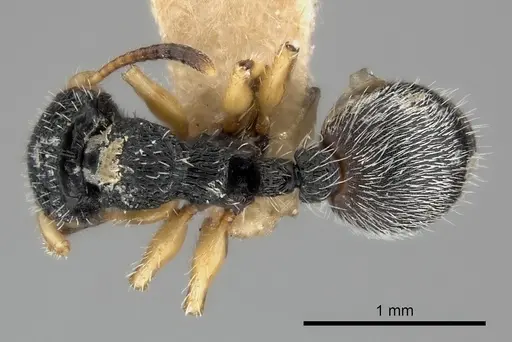
CASENT0884228
View on AntWeb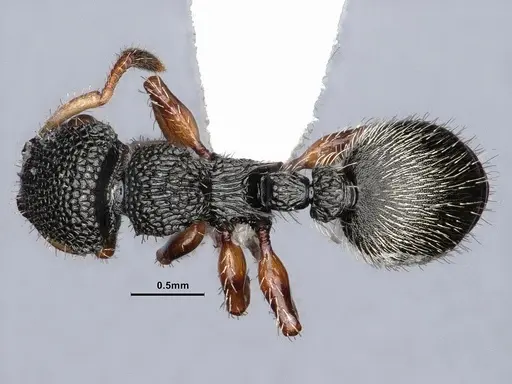
CASENT0900227
View on AntWeb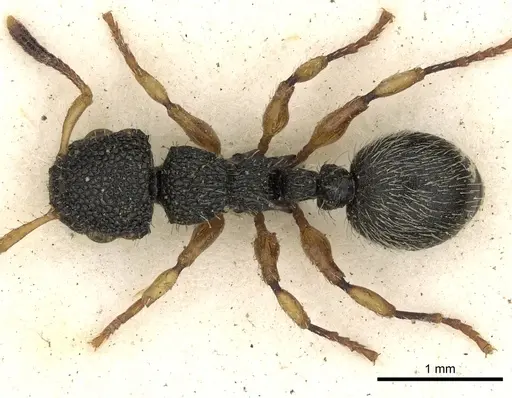
CASENT0904894
View on AntWeb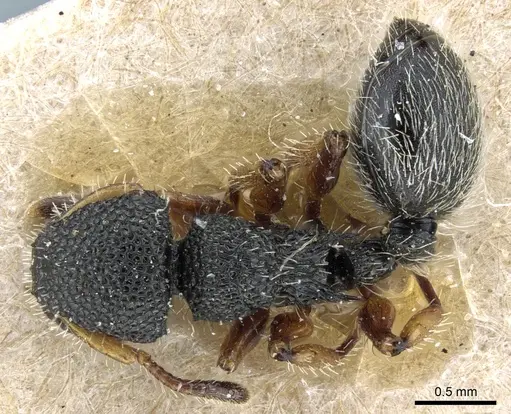
CASENT0909243
View on AntWeb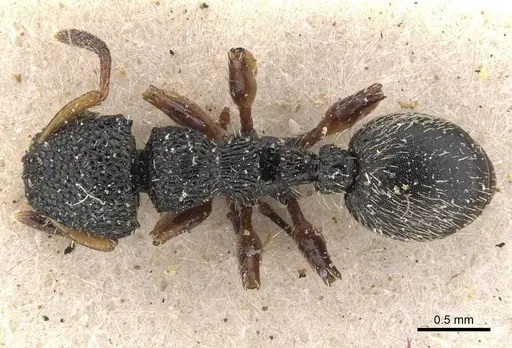
CASENT0914487
View on AntWeb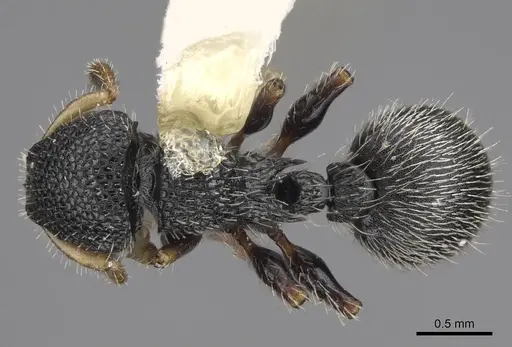
CASENT0922618
View on AntWeb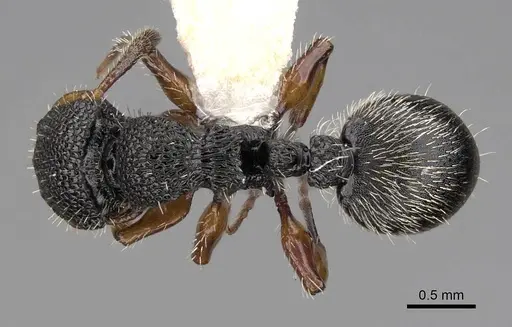
Literature
Loading...Loading products...