

Procryptocerus balzani
- Scientific Name
- Procryptocerus balzani
- Tribe
- Attini
- Subfamily
- Myrmicinae
- Author
- Emery, 1894
- Distribution
- Found in 3 countries
Procryptocerus balzani Overview
Procryptocerus balzani is an ant species of the genus Procryptocerus. It is primarily documented in 3 countries , including Bolivia, Plurinational State of, Ecuador. Detailed taxonomic data and occurrence records can be further explored via authoritative databases such as AntWeb or the Global Biodiversity Information Facility (GBIF).
Procryptocerus balzani
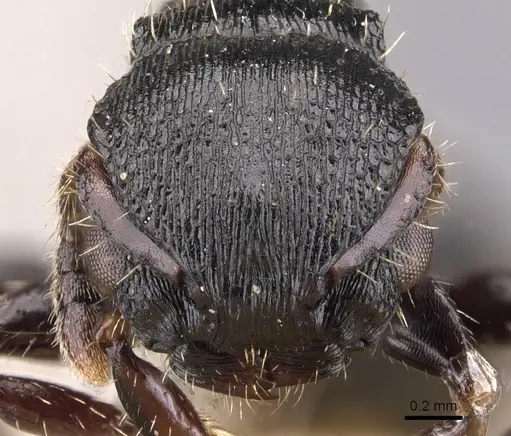
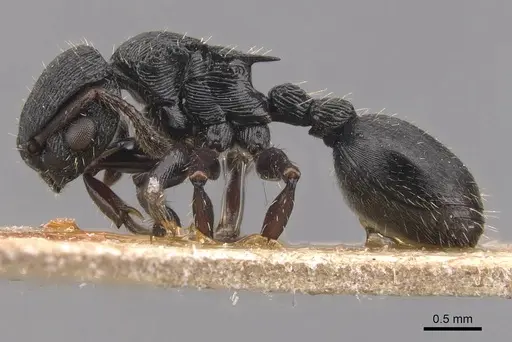
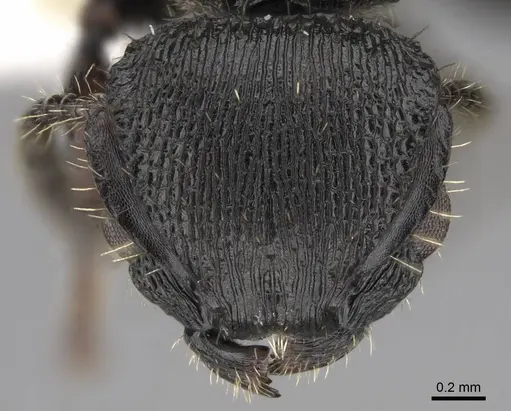
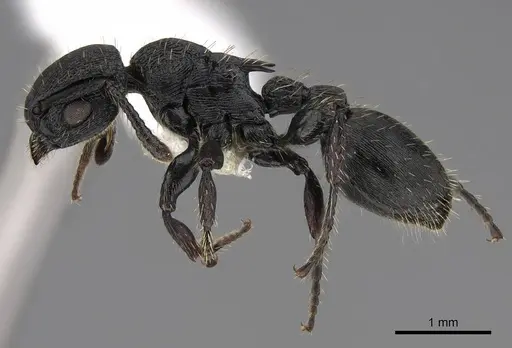
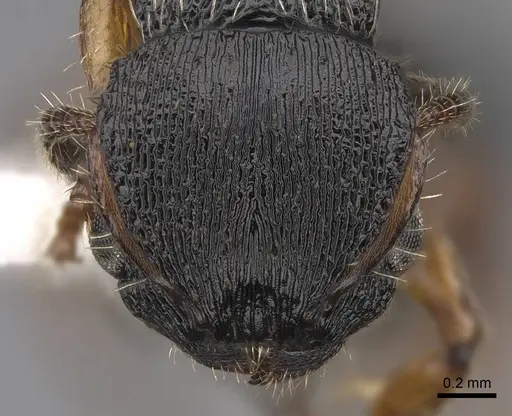
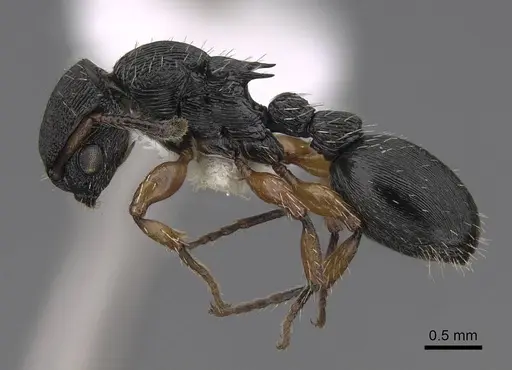
Procryptocerus balzani is a small Neotropical ant species belonging to the tribe Attini, a group of fungus-growing ants. Workers are tiny, measuring around 2-3mm, with a distinctive flat vertex (the top of the head) that helps distinguish them from related genera [1]. They have a dark brown to black coloration typical of many Attini species. These ants are found across the Neotropical region, including Bolivia, Colombia, Costa Rica, Panama, and Peru [2]. As members of the Attini tribe, they are among the less-studied Neotropical ants, with limited research on their specific biology and behavior in the wild.
Quick Summary
- Difficulty: Medium
- Origin & Habitat: Native to the Neotropical region spanning Bolivia, Colombia, Costa Rica, Panama, and Peru. They inhabit tropical and subtropical forest environments typical of Central and South American lowland regions [2].
- Colony Type: Unknown colony structure. The species has not been studied in detail regarding queen number or colony organization.
- Size & Growth:
- Queen: Estimated 4-5mm based on genus patterns for small Attini species
- Worker: Estimated 2-3mm based on genus morphology [1]
- Colony: Unknown, likely small colonies typical of less specialized Attini genera
- Growth: Moderate, estimated based on typical Attini development patterns
- Development: Estimated 6-10 weeks at tropical temperatures (24-28°C) based on typical Myrmicinae development in warm climates (Development timeline is estimated, no specific studies on this species. Tropical Attini species typically develop faster than temperate species due to consistent warmth.)
- Antkeeping:
- Temperature: Keep at 24-28°C (warm tropical conditions). As a Neotropical species, they require consistently warm temperatures year-round. A heating cable on one side of the nest can help maintain this range.
- Humidity: High humidity (70-80%) is essential, think damp tropical forest floor. Keep the nest substrate consistently moist but not waterlogged. Provide a water tube as a drinking source.
- Diapause: No, as a Neotropical species from tropical regions, they do not require hibernation. Keep them warm year-round.
- Nesting: In the wild, they likely nest in rotting wood, leaf litter, or soil in forest habitats. In captivity, a small acrylic nest or Y-tong setup with tight chambers works well. The chambers should be appropriately scaled to their tiny worker size.
- Behavior: Procryptocerus balzani is a shy, non-aggressive species. Workers are small and docile, not given to stinging. They are likely nocturnal or crepuscular foragers, typical of many forest-dwelling Attini. Their tiny size makes them excellent escape artists, use fine mesh and tight-fitting lids. They are relatively inactive compared to more common pet ants, making them a quiet colony addition.
- Common Issues: escape prevention is critical due to their tiny 2-3mm size, they can squeeze through standard mesh, high humidity requirements can lead to mold if ventilation is poor, slow colony growth may frustrate keepers expecting rapid development, warm temperatures year-round are essential, cold can be fatal, wild-caught colonies may carry parasites that are difficult to treat in captivity
Housing and Nest Setup
Procryptocerus balzani requires a small, well-humidified nest setup. Because workers are only around 2-3mm, the chambers and passages must be appropriately scaled, tight enough that ants can move comfortably but not so large they feel exposed. A small acrylic nest or Y-tong (AAC) formicarium works well. The nest material should be kept consistently moist, as these ants come from humid tropical environments. Add a water tube connected to the nest for drinking access, Attini species often need direct water sources. Place the nest in a dark area or use a cover to reduce stress, as bright lighting can cause colonies to abandon chambers. [2]
Temperature and Heating
As a Neotropical species from tropical forests, Procryptocerus balzani needs warm temperatures between 24-28°C. This is warmer than most temperate ant species require. Use a heating cable placed on top of the nest (never underneath where it could dry out the moisture) to create a gentle warmth gradient. Room temperature alone is often insufficient, monitor with a thermometer. Avoid temperature drops below 22°C, as prolonged cool conditions can slow brood development and weaken colonies. Consistent warmth year-round is essential since these ants do not experience cold winters in their native habitat. [2]
Feeding and Diet
Procryptocerus balzani belongs to the Attini tribe, the fungus-growing ants. However, unlike leaf-cutter ants (Atta, Acromyrmex), Procryptocerus species are not leaf-cutters and likely cultivate smaller fungal gardens or have different feeding strategies. Offer small protein sources like fruit flies, small mealworms, or tiny insects. Sugar water or honey can be offered occasionally, though acceptance varies. Observe your colony's preferences, some Attini species readily accept sugar while others focus on protein. Feed small amounts every 2-3 days and remove uneaten food to prevent mold. [2]
Humidity and Water
High humidity is critical for this species. The nest substrate should feel consistently damp but never waterlogged, squeeze a bit of substrate and it should hold together without dripping. Provide a water tube or small watering hole in the nest for drinking access. Mist the outworld occasionally but focus on maintaining nest humidity. Poor humidity leads to desiccation and colony loss. However, balance humidity with adequate ventilation to prevent mold growth, which can be fatal to small colonies. [2]
Behavior and Temperament
Procryptocerus balzani is a docile, non-aggressive species. Workers are small and unlikely to sting. They are probably nocturnal or crepuscular foragers in the wild, typical of many forest-dwelling ants. Colonies are relatively quiet and not particularly active compared to species like Lasius or Camponotus. They are best suited for keepers interested in observing an unusual, less-common species rather than an active, interactive pet. Their small size and docile nature make them suitable for observation but require careful attention to escape prevention. [2]
Colony Development
Colony growth is expected to be moderate, likely reaching a few dozen to perhaps a hundred workers over time. The first workers (nanitics) will be smaller than mature workers, which is normal. Development from egg to worker likely takes 6-10 weeks at optimal tropical temperatures, though this is estimated based on related species. Brood development may slow significantly if temperatures drop below optimal ranges. Be patient, small Attini colonies grow more slowly than many common pet ant species. [2]
Frequently Asked Questions
How long does it take for Procryptocerus balzani to produce first workers?
Based on typical Attini development patterns, expect 6-10 weeks from egg to first worker at optimal temperatures (24-28°C). This is an estimate since no specific studies exist on this species. Cooler temperatures will significantly slow development.
What do Procryptocerus balzani ants eat?
They likely accept small protein sources like fruit flies, tiny insects, and small mealworms. As Attini (fungus-growing ants), they may have specialized dietary needs, but Procryptocerus species are not leaf-cutters. Offer small amounts of protein every few days and sugar water occasionally. Remove uneaten food promptly.
Can I keep Procryptocerus balzani in a test tube?
A test tube can work for a founding queen and small colony, but you will need to upgrade to a small formicarium as the colony grows. Ensure the tube has a water reservoir and keep it humidified. For established colonies, a small acrylic or Y-tong nest with appropriately scaled chambers is better.
Do Procryptocerus balzani need hibernation?
No, they do not require hibernation. As a Neotropical species from tropical regions, they need warm temperatures (24-28°C) year-round. Cold temperatures can be harmful or fatal. Keep them warm throughout the year.
Are Procryptocerus balzani good for beginners?
They are rated as medium difficulty. They require warm temperatures and high humidity year-round, which is more demanding than temperate species. Their tiny size also requires excellent escape prevention. They are best suited for keepers with some experience maintaining tropical ant species.
How big do Procryptocerus balzani colonies get?
Colony size is not well documented, but based on genus patterns, they likely reach a few dozen to around 100 workers. They are not large colony formers like some Myrmicinae. Expect modest colony sizes even at maturity.
Why are my Procryptocerus balzani escaping?
Their tiny 2-3mm size makes them excellent escape artists. Use fine mesh (0.5mm or smaller) on all openings, seal all gaps with fluon or silicone, and ensure lids fit tightly. Check barriers regularly, small ants can exploit even microscopic gaps.
What temperature should I keep Procryptocerus balzani at?
Keep them at 24-28°C consistently. Use a heating cable on top of the nest to maintain these temperatures. Room temperature alone is usually insufficient. Monitor with a thermometer and adjust heating to maintain the optimal range.
References

This caresheet is licensed under CC BY-SA 4.0 .
CASENT0884225
View on AntWeb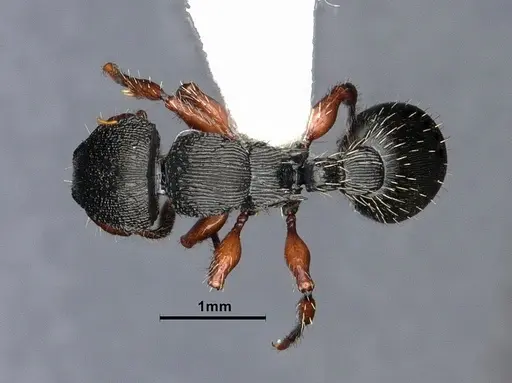
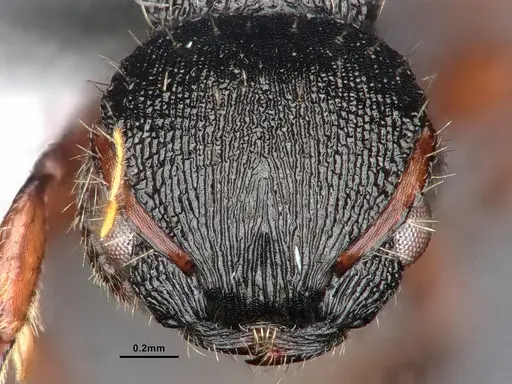
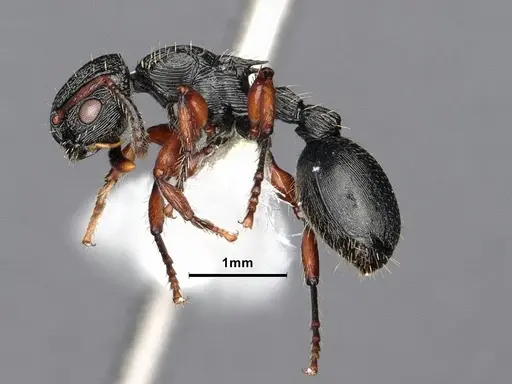
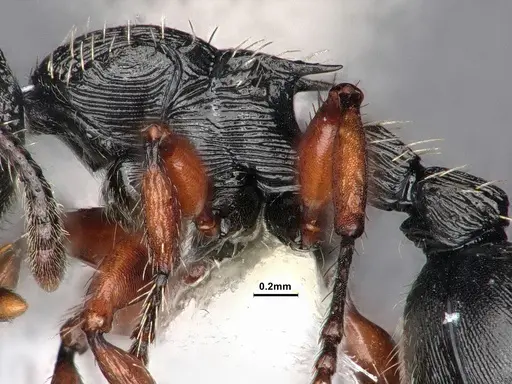
CASENT0905780
View on AntWeb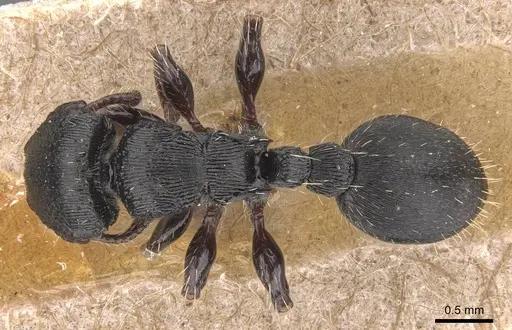
CASENT0922616
View on AntWeb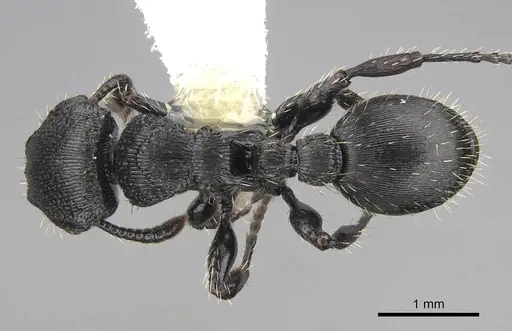
CASENT0922626
View on AntWeb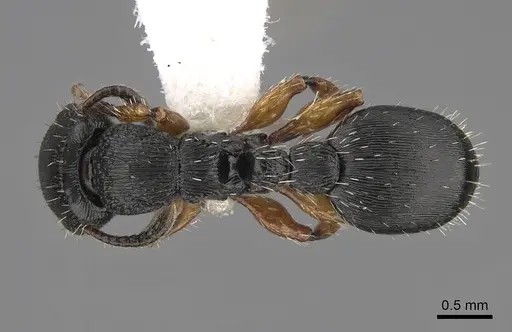
Literature
Loading...Loading products...