

Proceratium williamsi
- Scientific Name
- Proceratium williamsi
- Tribe
- Proceratiini
- Subfamily
- Proceratiinae
- Author
- Mathew & Tiwari, 2000
- Distribution
- Found in 1 countries
Proceratium williamsi Overview
Proceratium williamsi is an ant species of the genus Proceratium. It is primarily documented in 1 countries , including India. Detailed taxonomic data and occurrence records can be further explored via authoritative databases such as AntWeb or the Global Biodiversity Information Facility (GBIF).
Proceratium williamsi
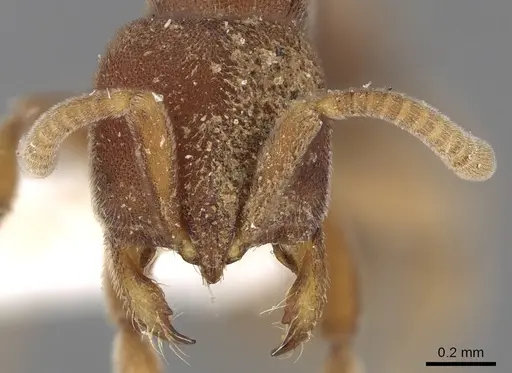
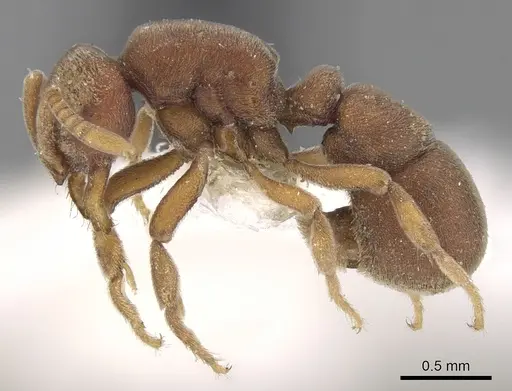
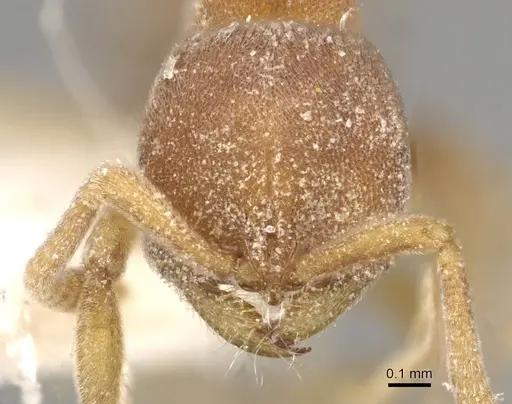
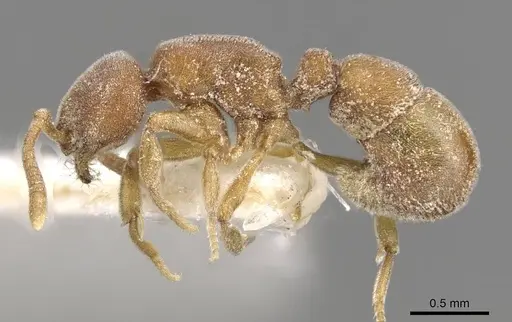
Proceratium williamsi is a tiny, cryptic ant species native to the Himalayan region of India and Bhutan. Workers measure just 2.87-2.92mm and have a distinctive reddish-brown coloration with a densely punctated, silky glossy body surface. This species belongs to the itoi species group, characterized by having the fourth abdominal segment sternite protruding over the third. Queens are larger at 4.13-4.34mm and possess prominent eyes and ocelli. These ants inhabit the leaf litter layer of primary subtropical forests in the cool, shady understory of the Himalayas, where they hunt small prey among the decaying organic matter [1][2].
This species was originally described as Proceratium williamsi in 2003 but was synonymized with P. williamsi in 2014. It remains the only Proceratium species documented from India prior to recent discoveries. As predators specialized for life in forest floor debris, they represent a fascinating challenge for antkeepers interested in specialized litter-dwelling species [3][4].
Quick Summary
- Difficulty: Medium
- Origin & Habitat: Himalayan region of India (Meghalaya, Sikkim, Uttarakhand, West Bengal, Arunachal Pradesh, Himachal Pradesh, Uttar Pradesh) and Bhutan. Inhabits leaf litter of primary subtropical forests and occasionally soil samples from secondary forests in cool, shady locations [3][4][5].
- Colony Type: Likely single-queen colonies (monogyne), though colony structure has not been directly studied. Colony size is expected to be small, typical for Proceratium species.
- Size & Growth:
- Queen: 4.13-4.34mm [1]
- Worker: 2.87-2.92mm [1]
- Colony: Estimated under 100 workers based on typical Proceratium colony sizes
- Growth: Slow
- Development: Estimated 8-12 weeks based on typical Proceratium genus patterns at subtropical temperatures (Development timeline is not directly documented for this species, estimate based on genus-level data)
- Antkeeping:
- Temperature: Keep around 20-24°C. These ants come from cool Himalayan understories, so avoid overheating. A gentle gradient allowing cooler areas is beneficial [5].
- Humidity: High humidity is essential, they naturally live in damp leaf litter. Keep nest substrate consistently moist but not waterlogged. Provide a humid outworld as well [5].
- Diapause: Yes, Himalayan origin indicates they need a winter rest period. Reduce temperature to 10-15°C for 2-3 months during winter months [5].
- Nesting: Y-tong or plaster nests work well for these tiny ants. They prefer tight chambers scaled to their small size. Naturalistic setups with leaf litter and decaying wood debris can also be successful [5].
- Behavior: Proceratium williamsi is a cryptic, slow-moving predator that hunts small invertebrates in leaf litter. They are not aggressive and will avoid confrontation. Workers forage individually through the substrate rather than in groups. Their small size and cryptic nature make them challenging to observe. Escape risk is moderate, while small, they are not particularly active climbers [5].
- Common Issues: high humidity maintenance is critical, drying out kills colonies quickly, slow growth tests keeper patience and leads to overfeeding mistakes, wild-caught colonies may have parasites that cause captive failures, tiny size makes them vulnerable to flooding in test tube setups, difficulty observing and locating workers in complex naturalistic setups
Natural History and Distribution
Proceratium williamsi is endemic to the Himalayan mountain range, found across a wide altitudinal range in northern India from Uttarakhand to Meghalaya in the northeast, as well as in Bhutan. These ants inhabit the leaf litter layer of primary subtropical forests at elevations ranging from near sea level to approximately 2000 meters. They prefer cool, shady locations with high humidity and are typically collected by sifting through accumulated dead leaves and decaying organic matter on the forest floor. The species was first recorded from India in 2000,representing the first Proceratium species documented in the country. Subsequent surveys have found it throughout the Himalayan states of India, making it one of the more widely distributed Proceratium species in the region [3][4][2].
Housing and Nest Preferences
These tiny ants require careful attention to nest dimensions. Y-tong (acrylic) nests with narrow chambers or plaster nests with small tunnels work well. The chambers should be scaled to the tiny worker size, tight spaces help them feel secure. Because they naturally live in leaf litter, a naturalistic setup with a deep layer of moist substrate (coco fiber, soil mix) topped with leaf litter and small decaying wood pieces can mimic their natural environment. However, this makes observation difficult. Many keepers prefer Y-tong nests for easier viewing while providing a humid outworld with leaf litter debris for foraging. Regardless of nest type, humidity must remain high, these ants quickly desiccate in dry conditions. A water tube or reservoir connected to the nest helps maintain moisture [5].
Feeding and Diet
Proceratium williamsi is a predator, hunting small invertebrates in nature. In captivity, offer small live prey such as springtails, fruit flies, tiny isopods, and other micro-arthropods appropriate to their size. They are unlikely to accept dry commercial ant foods. Prey should be smaller than their own body size, these are tiny ants with modest hunting capabilities. Some keepers report success with very small pieces of mealworms or other soft-bodied insects, but live prey should form the core of their diet. Sugar sources are generally not accepted by Proceratium species, as they are obligate predators. Feed every 2-3 days, removing uneaten prey to prevent mold issues [5].
Temperature and Seasonal Care
As Himalayan subtropical forest inhabitants, these ants prefer moderate temperatures in the 20-24°C range. Avoid temperatures above 28°C, which can stress and kill colonies. Room temperature within this range is often suitable. Because they come from high-elevation forests with distinct seasons, they require a winter diapause period. In autumn, gradually reduce temperature to around 10-15°C and maintain this for 2-3 months. During this period, reduce feeding significantly or stop entirely. Return to normal temperatures in spring to trigger renewed activity and growth. This seasonal cycle is important for long-term colony health and may trigger reproductive behavior [5].
Behavior and Observation
Proceratium williamsi is a cryptic, solitary forager. Workers move slowly through the substrate rather than racing around the outworld. They are not defensive and do not possess a painful sting, these ants rely on camouflage and hiding rather than confrontation. Observation requires patience and good lighting, as workers are tiny and often remain hidden in nest chambers or under debris. Colony activity tends to increase in humid conditions. Because they are not showy ants that swarm on food, keepers interested in observing interesting predatory behavior rather than dramatic foraging raids will find them most rewarding. Their slow, deliberate movements and hunting strategies make them fascinating subjects for patient observation [5].
Frequently Asked Questions
How long does it take for Proceratium williamsi to produce first workers?
The exact timeline is unconfirmed, but based on typical Proceratium genus patterns, expect 8-12 weeks from egg to first worker at optimal temperatures around 22°C. Growth is slow, these are tiny ants with small colonies, so patience is essential [5].
What do Proceratium williamsi ants eat?
They are predators that hunt small invertebrates. Feed tiny live prey like springtails, fruit flies, and micro-arthropods. They do not accept sugar or dry commercial foods. Prey should be appropriately sized, smaller than the workers themselves [5].
Do Proceratium williamsi ants sting?
While they possess a stinger, it is far too small to penetrate human skin. These ants are completely harmless to humans and rely on hiding rather than defense [5].
Are Proceratium williamsi good for beginners?
No, they are considered intermediate to advanced due to their high humidity requirements, specialized predatory diet, slow growth, and need for seasonal temperature cycling. They are not recommended as a first ant species [5].
Do Proceratium williamsi need hibernation?
Yes, they require a winter rest period of 2-3 months at reduced temperatures (10-15°C) due to their Himalayan origin. This diapause is important for colony health and may trigger reproductive behavior [5].
How big do Proceratium williamsi colonies get?
Based on typical Proceratium species, colonies likely reach under 100 workers. They are small colonies even at maturity, reflecting their niche as cryptic leaf-litter predators [5].
Can I keep multiple Proceratium williamsi queens together?
Colony structure is not well documented for this species. Combining unrelated queens is not recommended as it has not been studied and could result in aggression. Start with a single queen for best results [5].
What humidity level do Proceratium williamsi need?
High humidity is critical, they naturally live in damp leaf litter. Keep nest substrate consistently moist but not waterlogged. The outworld should also be humid. Drying out quickly kills these ants [5].
When should I move Proceratium williamsi to a formicarium?
Keep them in a test tube or small container for the founding stage. Once the colony reaches 15-20 workers and the test tube becomes crowded, you can move them to a Y-tong or plaster nest. They do well in smaller setups scaled to their tiny size [5].
What temperature is ideal for Proceratium williamsi?
Keep them at 20-24°C, avoiding temperatures above 28°C. They come from cool Himalayan understories and do not tolerate heat. Room temperature in this range is often suitable [5].
References

This caresheet is licensed under CC BY-SA 4.0 .
CASENT0281860
View on AntWeb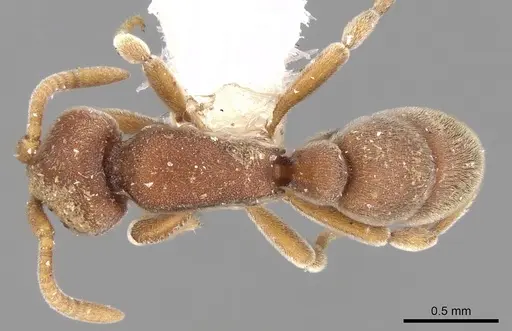
CASENT0915311
View on AntWeb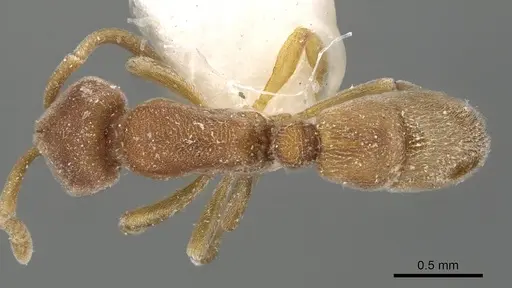
Literature
Loading...Loading products...