

Proceratium tio
- Scientific Name
- Proceratium tio
- Tribe
- Proceratiini
- Subfamily
- Proceratiinae
- Author
- Snelling & Cover, 1992
- Distribution
- Found in 3 countries
Proceratium tio Overview
Proceratium tio is an ant species of the genus Proceratium. It is primarily documented in 3 countries , including Guatemala, Honduras, Mexico. Detailed taxonomic data and occurrence records can be further explored via authoritative databases such as AntWeb or the Global Biodiversity Information Facility (GBIF).
Proceratium tio
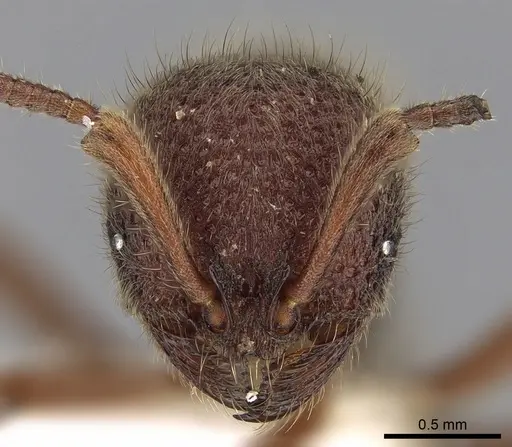
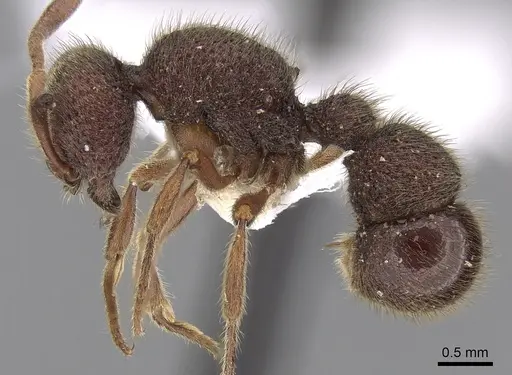
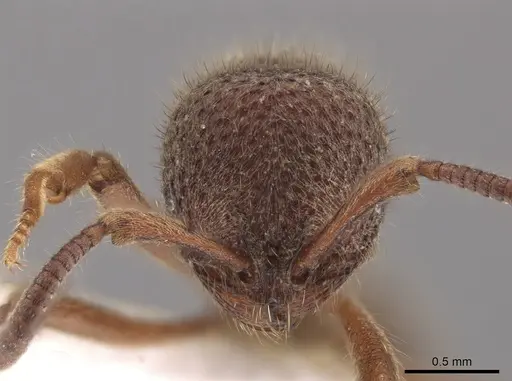
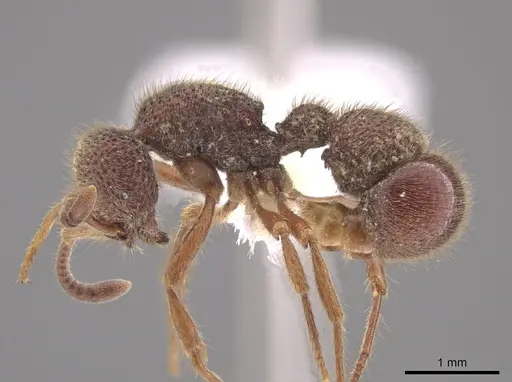
Proceratium tio is a rare, cryptic ant species native to the rainforests of Mexico and Guatemala. Workers measure around 5.3mm and have a distinctive brownish-red coloration with lighter antennae and legs. These ants are easily recognized by their unusual abdominal structure, the fourth abdominal segment projects forward over the third, giving them a unique appearance among ants. Their eyes are very small, which is typical of leaf-litter-dwelling cryptic species that rely more on chemical cues than vision [1]. Found in rainforest leaf litter at elevations around 1500 feet, these ants are specialist predators that hunt spider eggs [2].
Quick Summary
- Difficulty: Expert
- Origin & Habitat: Rainforests of Mexico (Veracruz) and Guatemala at elevations around 1500 feet. They live in leaf litter on the forest floor [2][1].
- Colony Type: Colony structure is unconfirmed. Proceratium species typically have single-queen colonies, but this has not been documented for P. tio specifically.
- Size & Growth:
- Queen: Not documented, queen size unknown
- Worker: 5.3mm total length [1]
- Colony: Unknown, no colony size data available for this rare species
- Growth: Unknown, growth rate has not been studied
- Development: Unconfirmed, no development data exists for this species. Based on related Proceratium species and tropical ant patterns, expect 6-10 weeks at optimal temperature, but this is an estimate only. (Development timeline is unconfirmed. Related tropical Proceratium species typically develop in 6-10 weeks at warm temperatures.)
- Antkeeping:
- Temperature: Keep warm, around 24-28°C. This matches their natural rainforest habitat in tropical Mexico and Guatemala. A gentle gradient allows workers to self-regulate
- Humidity: High humidity is essential, these ants live in rainforest leaf litter. Keep substrate consistently moist but not waterlogged. Aim for 70-85% humidity in the nest area
- Diapause: Unknown, no seasonal data available for this tropical species. They likely do not require a true hibernation but may reduce activity during cooler periods.
- Nesting: Naturalistic setup with moist leaf litter or soil works best. These cryptic ants prefer dark, confined spaces. A Y-tong or plaster nest with small chambers and high humidity also works well. They are not aggressive escape artists but their small size means escape prevention is still important
- Behavior: These are cryptic, slow-moving ants that spend most of their time hunting in leaf litter. They are specialist predators of spider eggs and will likely ignore typical ant feeds. They are not aggressive and rarely venture into the open. Their small eyes indicate they rely heavily on chemical signals rather than vision. Workers are not known to sting, their primary defense is remaining hidden [2][1].
- Common Issues: specialized diet makes feeding difficult, they require spider eggs or similar small prey, standard ant feeds may be rejected, high humidity needs can lead to mold problems if ventilation is poor, slow growth and cryptic behavior make it hard to monitor colony health, rare species means wild colonies are difficult to find and collection may be unethical, their small size and cryptic nature make escape detection difficult
Housing and Nest Preferences
Proceratium tio is a cryptic leaf-litter ant that thrives in naturalistic setups mimicking their natural forest-floor habitat. The best approach is a naturalistic terrarium with several inches of moist substrate (a mix of soil and decaying leaf litter works well). This provides the dark, humid environment they naturally inhabit. The substrate should remain consistently moist but never waterlogged, these ants breathe through their spiracles and can drown in saturated conditions. A thin layer of charcoal at the bottom of the terrarium helps with drainage and odor control. You can also use a Y-tong or plaster nest with small, tight chambers, but you must maintain high humidity (70-85%) and provide a layer of moist substrate or moss on the water reservoir side. These ants do not need much vertical space, they are ground-dwellers that prefer to stay hidden under debris and within crevices. [1][2]
Feeding and Diet
This is the most challenging aspect of keeping Proceratium tio. They are specialist predators of spider eggs in the wild [2], which means they have very specific dietary requirements. In captivity, you should attempt to provide small spider eggs (easily collected from spider egg sacs during the appropriate season). If spider eggs are unavailable, they may accept other small, soft-bodied arthropods such as springtails, booklice, or tiny caterpillars. They will likely reject typical ant feeds like mealworms, crickets, or honey. Offer food in very small quantities, only what the colony can consume within a day or two. Given their specialized diet, this species is best suited for experienced antkeepers who can source or culture spider eggs or similar specialized prey. Sugar sources are unlikely to be accepted, these are pure predators, not sugar-seekers.
Temperature and Humidity
As a tropical rainforest species from Mexico and Guatemala, Proceratium tio requires warm, humid conditions. Keep the nest area at 24-28°C (75-82°F). A heating cable on one side of the nest creates a gentle temperature gradient, allowing workers to self-regulate by moving between warmer and cooler areas. Place the heating element on top of the nest, not underneath, to avoid evaporating moisture too quickly. High humidity is critical, aim for 70-85% relative humidity in the nest area. The substrate should feel damp to the touch but not release water when squeezed. Mist the setup regularly and ensure the water reservoir in test-tube setups is adequate. However, balance humidity with adequate ventilation to prevent mold growth, which can be fatal to these small ants. A small ventilation hole or mesh-covered opening helps maintain fresh air while retaining moisture.
Behavior and Temperament
Proceratium tio is an extremely cryptic species, workers are slow-moving and spend most of their time hidden under leaf litter or within the substrate. Their small eyes indicate they rely primarily on chemical signals (pheromones) rather than vision to navigate and communicate. This is a specialist predator, not a forager that actively hunts in the open. Workers are not aggressive and will retreat rather than defend. They do not have a functional stinger and pose no threat to humans. Their primary defense is remaining hidden, you may go days without seeing your ants at all. This makes monitoring colony health challenging. Colonies are likely small (based on related species patterns) and grow slowly. The unique forward projection of their fourth abdominal segment gives them a distinctive appearance when you do spot them. They are not escape artists in the traditional sense, but their small size means they can slip through gaps that larger ants cannot. [1][2]
Frequently Asked Questions
What do Proceratium tio ants eat?
They are specialist predators of spider eggs in the wild. In captivity, you should attempt to provide spider eggs or similar small soft-bodied prey like springtails. They will likely reject standard ant feeds like mealworms or honey. This specialized diet makes them difficult to keep [2].
How long does it take for Proceratium tio to develop from egg to worker?
The development timeline is unconfirmed, no scientific data exists for this species. Based on related Proceratium species and tropical ant development patterns, expect approximately 6-10 weeks at optimal temperature (around 26°C), but this is only an estimate.
Are Proceratium tio ants good for beginners?
No. This is an expert-level species due to their highly specialized diet (requiring spider eggs or similar prey), high humidity needs, and cryptic behavior that makes monitoring colony health difficult. They are also extremely rare in the antkeeping hobby.
What size colony do Proceratium tio colonies reach?
Colony size is unknown, no colony data exists for this rare species. Based on related Proceratium species, colonies are likely small, possibly under 100 workers even when mature.
Do Proceratium tio ants need hibernation?
Unknown, no seasonal data exists for this tropical species. As a rainforest ant from Mexico and Guatemala, they likely do not require true hibernation but may reduce activity during cooler periods. Do not attempt hibernation without specific data.
What temperature should I keep Proceratium tio at?
Keep them warm at 24-28°C (75-82°F), matching their natural tropical rainforest habitat. A gentle temperature gradient allows workers to self-regulate. Use a heating cable on top of the nest if room temperature is below this range.
Can I keep Proceratium tio in a test tube setup?
A test tube setup can work if you maintain high humidity (70-85%) and provide a moist cotton ball. However, a naturalistic setup with moist leaf litter substrate is more suitable for these cryptic leaf-litter ants. The test tube should have a water reservoir large enough to maintain humidity but not so large that flooding becomes a risk.
Do Proceratium tio ants sting?
They are not known to sting. These are cryptic, non-aggressive ants that rely on hiding rather than defending. They pose no danger to humans.
Where is Proceratium tio found in the wild?
They are native to the rainforests of Mexico (Veracruz state) and Guatemala, typically found in leaf litter at elevations around 1500 feet [2][3].
Why is my Proceratium tio colony not growing?
Several factors could be involved: they may not be accepting the food you are offering (they require spider eggs or similar specialized prey), humidity may be too low, or temperature may be outside their preferred range. Their slow growth may also simply reflect their natural biology, these are not fast-growing ants. Monitor for mold, which can quickly kill small colonies.
References

This caresheet is licensed under CC BY-SA 4.0 .
CASENT0281857
View on AntWeb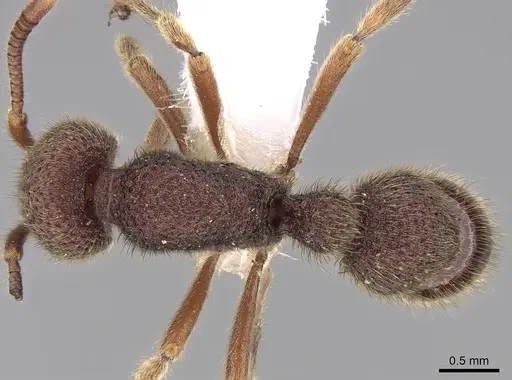
CASENT0648884
View on AntWeb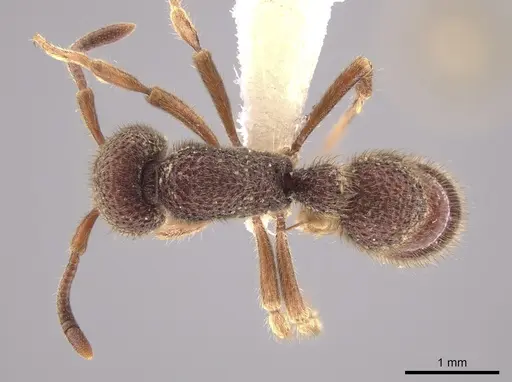
Literature
Loading...Loading products...