

Proceratium stictum
- Scientific Name
- Proceratium stictum
- Tribe
- Proceratiini
- Subfamily
- Proceratiinae
- Author
- Brown, 1958
- Distribution
- Found in 1 countries
Proceratium stictum Overview
Proceratium stictum is an ant species of the genus Proceratium. It is primarily documented in 1 countries , including Australia. Detailed taxonomic data and occurrence records can be further explored via authoritative databases such as AntWeb or the Global Biodiversity Information Facility (GBIF).
Proceratium stictum
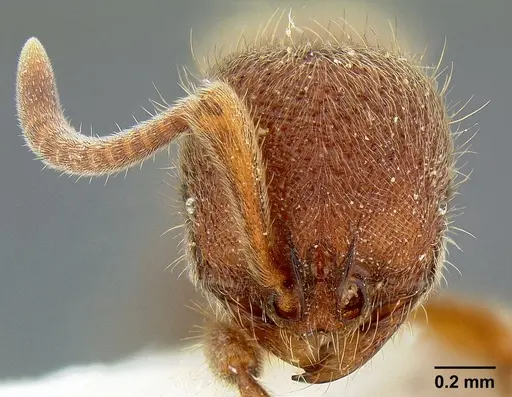
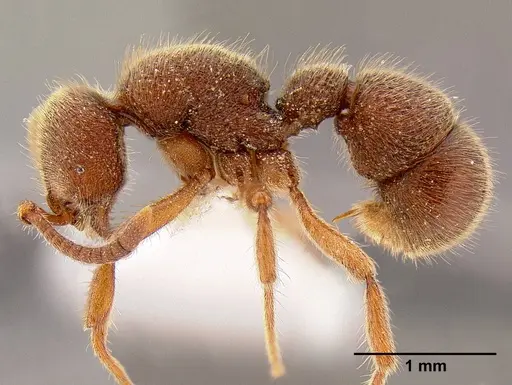
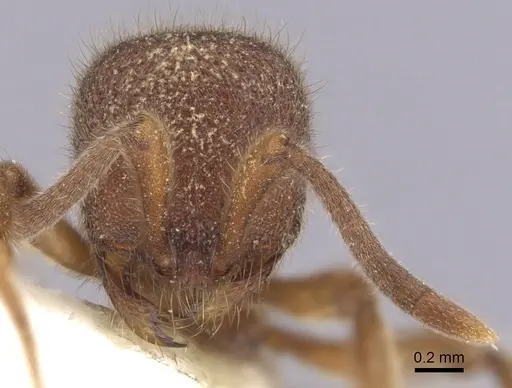
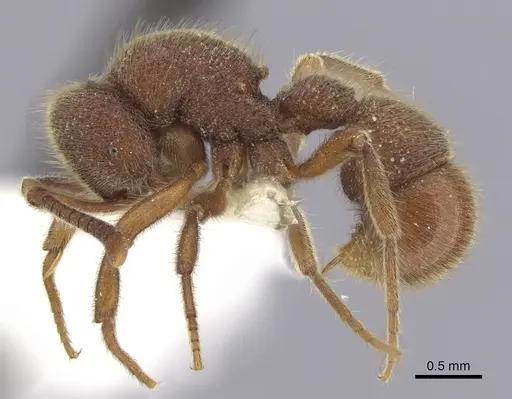
Proceratium stictum is a small, cryptic ant species native to the rainforests of Queensland, Australia. Workers measure 3.5-4.5mm and have a distinctive rusty-brown (ferrugineous) coloration with a uniquely curved abdomen that helps them strike at prey [1]. Their head is slightly longer than broad with prominent genal carinae, and their body is covered in a combination of short dense hairs and longer suberect hairs [1]. This species belongs to the Stictum Clade alongside P. deelemani and P. foveolatum, and can be distinguished from similar species by its less divergent frontal carinae and longer hind basitarsi [2]. In the wild, they nest in rotten logs, leaf litter, and shallow ground nests in humid rainforest environments [3].
What makes Proceratium stictum interesting is its specialized predatory lifestyle. Like other Proceratiinae ants, they are slow-moving ambush hunters that use their curved abdomen to deliver precise strikes to small arthropod prey. Their large eyes (for a Proceratium) suggest they may rely more on visual hunting than many related species. Colonies remain small, typically with fewer than 100 workers, making them a modest but fascinating addition to an ant collection.
Quick Summary
- Difficulty: Medium
- Origin & Habitat: Queensland, Australia, rainforest habitat in rotten logs, leaf litter, and shallow ground nests [3][1]
- Colony Type: Likely single-queen colonies based on typical Proceratium patterns. Colony size small, likely under 100 workers.
- Colony: Monogyne
- Founding: Semi-claustral
- Size & Growth:
- Queen: Unconfirmed, estimated 5-6mm based on genus patterns
- Worker: 3.5-4.5mm (TL 3.51-4.47mm) [1]
- Colony: Likely under 100 workers based on typical Proceratium colony sizes
- Growth: Slow, Proceratium species typically develop slowly
- Development: Estimated 8-12 weeks based on related Proceratium species development patterns (Development is likely slow given their cryptic rainforest lifestyle and small colony sizes. Temperature-dependent, warmer conditions may speed development.)
- Antkeeping:
- Temperature: Keep at 22-26°C. These are tropical rainforest ants requiring warm, stable temperatures. A gentle heat gradient allows them to regulate their preferred zone.
- Humidity: High humidity required, aim for 70-85%. Keep the nest substrate consistently moist but not waterlogged. Mist occasionally and provide a water tube. Their natural habitat in rainforest leaf litter stays consistently damp.
- Diapause: Likely minimal or no true diapause given their tropical origin. However, they may reduce activity during cooler winter months if room temperature drops.
- Nesting: Use a naturalistic setup with damp substrate (soil/peat mix) or a Y-tong/plaster nest with high humidity chambers. They prefer dark, confined spaces similar to their natural rotten log microhabitat. Provide plenty of hiding structures like cork bark or leaf litter material.
- Behavior: These are cryptic, slow-moving ants that spend most of their time hidden in the nest or hunting along substrate surfaces. They are not aggressive and will flee rather than fight. Workers hunt small arthropods using their curved abdomen for precision strikes. Escape risk is moderate, they are small but not particularly good climbers. Use standard barrier methods. They are primarily nocturnal or crepuscular, showing more activity in dim lighting conditions.
- Common Issues: high humidity is critical, these rainforest ants die quickly in dry conditions, slow growth can frustrate beginners, colonies take months to establish, small colony size means they produce few workers initially, don't panic if growth seems slow, they need small live prey, won't accept large insects or dry protein foods, wild-caught colonies may have parasites or be stressed from collection
Housing and Nest Setup
Proceratium stictum requires a humid, naturalistic setup that mimics their rainforest leaf litter habitat. A small naturalistic terrarium with a soil/peat substrate works well, fill it with 3-5cm of damp substrate and add leaf litter, small pieces of cork bark, and rotting wood pieces for hiding places. Alternatively, a Y-tong or plaster nest with high humidity chambers can work, but ensure the chambers are appropriately sized for their small size. These ants prefer dark conditions, so cover at least part of the nest with a dark cloth or use a nest with limited light exposure. A small water tube for humidity is essential, these ants cannot survive dry conditions. [1][3]
Feeding and Diet
Proceratium stictum is a specialized predator that hunts small arthropods. In captivity, offer small live prey such as springtails, fruit flies, small mites, and other micro-arthropods. They are unlikely to accept large insects or dry protein foods. Feed protein 2-3 times per week, offering only what they can consume in a day. Remove uneaten prey to prevent mold. Sugar sources may be accepted occasionally, you can offer a drop of diluted honey or sugar water, but don't rely on it as a primary food source. These ants are not aggressive foragers and will typically only take prey that comes within striking distance.
Temperature and Humidity
Maintain temperatures between 22-26°C with minimal fluctuations. A heating cable on one side of the nest can create a gentle gradient, but ensure the warm end doesn't exceed 28°C. Humidity is critical, keep substrate consistently moist (70-85% relative humidity). Mist the enclosure regularly and check that condensation forms on the walls. The nest should never dry out. If you use a test tube setup, ensure the water reservoir is adequate but not excessive to prevent flooding. Room temperature in the low-to-mid 20s°C is ideal for this species.
Colony Development and Growth
Proceratium colonies grow slowly. A founding queen will lay a small batch of eggs and personally hunt to feed her larvae until the first workers (nanitics) emerge. These first workers will be smaller than mature workers but should already be capable hunters. Expect 2-4 months from founding to first workers, and another several months before the colony reaches 10-20 workers. Colony size likely maxes out around 50-100 workers in captivity. Growth is temperature-dependent, warmer conditions (within safe limits) will speed development slightly. Be patient, these ants are long-lived and a healthy colony can persist for many years.
Behavior and Observation
These are cryptic, secretive ants that spend much of their time hidden. Workers are slow-moving and deliberate, often patrolling along substrate surfaces searching for prey. They are not aggressive and will retreat from threats rather than fight. Their unique curved abdomen is used for striking prey, when they catch something, they arch their gaster forward to deliver a precise blow. Observation is best done in the evening or with dim lighting, as they are more active in low-light conditions. Avoid disturbing the nest frequently, these ants stress easily and may abandon brood if disturbed too much. [1]
Frequently Asked Questions
How long does it take for Proceratium stictum to produce first workers?
Expect 8-12 weeks from egg to first worker at optimal temperature (24-26°C). This is a slow-developing species, so be patient with founding colonies.
What do Proceratium stictum ants eat?
They are specialized predators that need small live arthropods. Offer springtails, fruit flies, small mites, and other micro-arthropods. They rarely accept dry foods or large insects.
Do Proceratium stictum ants sting?
They have a stinger but are too small and non-aggressive to pose any threat to humans. They will flee rather than use it.
How big do Proceratium stictum colonies get?
Colonies likely reach 50-100 workers at maximum. They remain small colonies throughout their life.
What humidity level do Proceratium stictum ants need?
High humidity is essential, aim for 70-85%. Keep the substrate consistently moist but not waterlogged. These rainforest ants die quickly in dry conditions.
Can I keep Proceratium stictum in a test tube setup?
A test tube setup can work for founding colonies, but you must maintain high humidity and provide small prey items. A naturalistic setup with damp substrate is often better for long-term success.
Do Proceratium stictum ants need hibernation?
No, as tropical rainforest ants from Queensland, they don't require true hibernation. However, they may reduce activity during cooler winter months if room temperature drops.
Are Proceratium stictum ants good for beginners?
They are moderate difficulty, not the easiest species but not the hardest. Their main requirements are high humidity and a constant supply of small live prey, which requires some dedication.
When should I move my colony to a formicarium?
Wait until the colony has at least 15-20 workers and is actively foraging. Proceratium colonies prefer naturalistic setups regardless of size. A small terrarium works well at any colony size.
Why are my Proceratium stictum ants not foraging?
They may be stressed, too cold, or the prey may be too large. Ensure proper temperature (22-26°C), high humidity, and offer appropriately-sized live prey. They are also more active in dim lighting.
References

This caresheet is licensed under CC BY-SA 4.0 .
CASENT0106095
View on AntWeb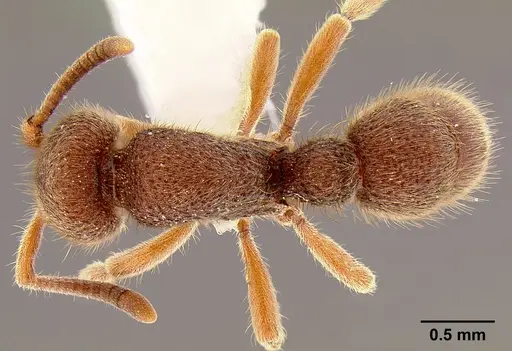
CASENT0249263
View on AntWeb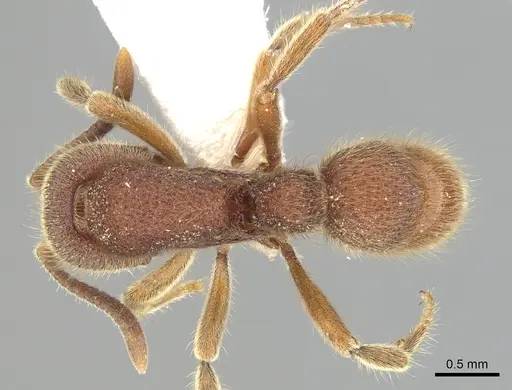
Literature
Loading...Loading products...