

Proceratium politum
- Scientific Name
- Proceratium politum
- Tribe
- Proceratiini
- Subfamily
- Proceratiinae
- Author
- de Andrade, 2003
- Distribution
- Found in 1 countries
Proceratium politum Overview
Proceratium politum is an ant species of the genus Proceratium. It is primarily documented in 1 countries , including New Caledonia. Detailed taxonomic data and occurrence records can be further explored via authoritative databases such as AntWeb or the Global Biodiversity Information Facility (GBIF).
Proceratium politum
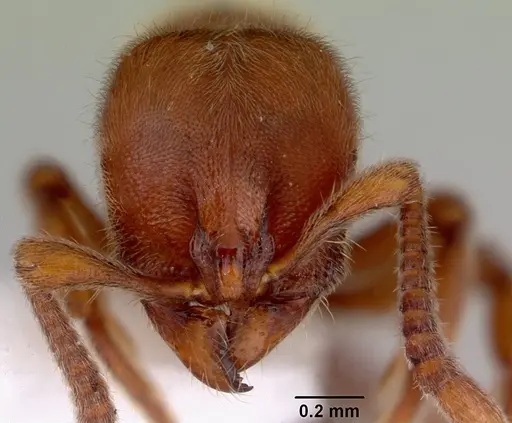
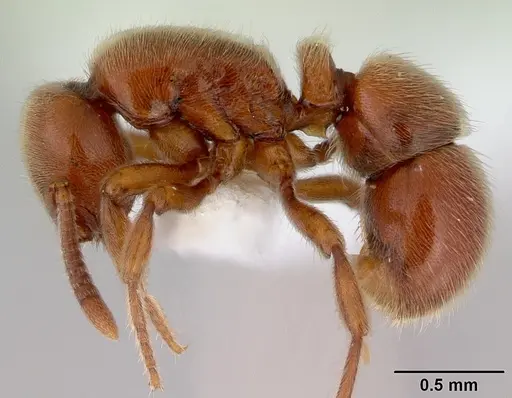
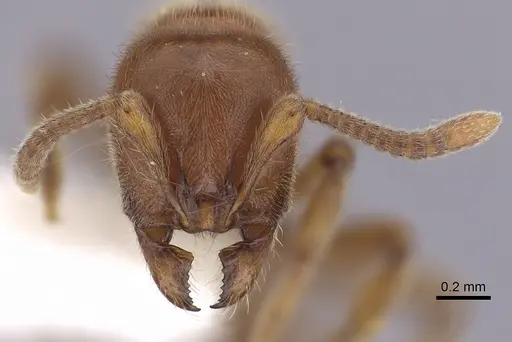
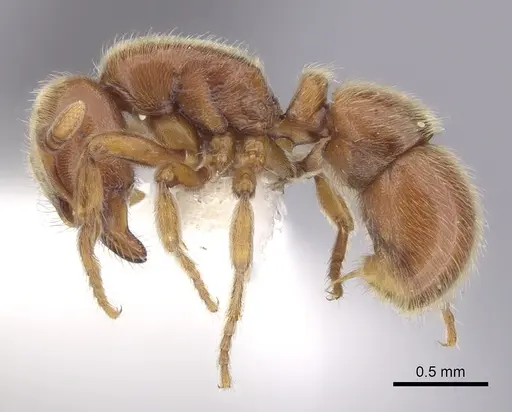
Proceratium politum is a rare, cryptic ant species endemic to New Caledonia, an island in the South Pacific. Workers are tiny at just 3.16-3.47mm total length, with a smooth, shiny orange-brown body that gives this species its name (politus means 'smooth' in Latin). They belong to the Proceratiinae subfamily, which is known for having a uniquely shaped abdomen that curves upward rather than hanging down, giving them a distinctive appearance. The frontal carinae are very broad, and they have small eyes barely visible beneath the integument. This species was described in 2003 and is one of only two Proceratium species recorded from New Caledonia, the other being P. caledonicum. In the wild, they have been found in disturbed rainforest habitat beside streams at around 350 meters elevation [1][2].
Quick Summary
- Difficulty: Expert
- Origin & Habitat: New Caledonia (Australasian Region), found in disturbed rainforest beside streams at 350m elevation [1][2]
- Colony Type: Unconfirmed, Proceratium species are typically single-queen colonies but specific colony structure for P. politum has not been documented
- Size & Growth:
- Queen: Not described, Proceratium queens are generally similar in size to workers or slightly larger
- Worker: 3.16-3.47mm total length (HL 0.69-0.74mm, HW 0.64-0.69mm) [2]
- Colony: Unknown, Proceratium colonies are typically small, likely under 100 workers based on genus patterns
- Growth: Slow, based on typical Proceratium genus patterns
- Development: Unconfirmed, Proceratium species typically require 2-3 months from egg to worker based on related genus data (Development timeline has not been directly studied for this species. Expect slow growth typical of cryptic subterranean ants.)
- Antkeeping:
- Temperature: Unconfirmed, aim for 22-26°C as a starting point, typical for tropical Proceratium species. Provide a gentle gradient if possible.
- Humidity: High, these ants are found near streams in rainforest, so keep substrate consistently moist but not waterlogged. Provide a hydration source like a water tube.
- Diapause: Unknown, no data on overwintering requirements. As a tropical species from New Caledonia, they likely do not require true hibernation but may have reduced activity in cooler months.
- Nesting: Naturalistic setup with moist substrate (soil/peat mix) works best. They are subterranean and cryptic, preferring tight chambers and narrow passages. Y-tong or plaster nests with small chambers can work. Keep dark and undisturbed.
- Behavior: Proceratium politum is a cryptic, subterranean species that avoids light. They are predatory like other Proceratium ants, hunting small arthropods in soil and leaf litter. Workers are slow-moving and not aggressive. Escape prevention is important due to their small size, use fine mesh and tight-fitting lids. They are not known to sting and pose no danger to keepers.
- Common Issues: very small size means escapes are likely without fine mesh barriers, cryptic nature means colonies can appear inactive, do not disturb frequently, predatory diet requires live prey, sugar sources are typically not accepted, slow growth can lead to overfeeding by impatient keepers, wild-caught colonies may have parasites that are difficult to treat
Housing and Nest Setup
Proceratium politum requires a setup that mimics their natural subterranean habitat. A naturalistic terrarium-style setup with moist soil or peat substrate works well, fill the container with several inches of damp substrate and add pieces of rotting wood or leaf litter for hunting grounds. Alternatively, a Y-tong (acrylic) nest with small, tight chambers can work, but ensure the chambers are appropriately sized for their tiny workers. Keep the nest area dark and undisturbed, these ants strongly avoid light and will be stressed by frequent observation. A water tube attached to the nest provides a reliable humidity source. Because of their very small size (under 4mm), excellent escape prevention is essential, use fine mesh on any ventilation and ensure all connections are tight. Avoid test tubes for long-term housing as these cryptic ants need space to forage in substrate. [2]
Feeding and Diet
Proceratium politum is predatory, like other Proceratium species. Their primary diet consists of small live prey, springtails are ideal and should be the staple food. They may also accept other tiny arthropods such as booklice, psocids, and small mites. Offer prey items at least twice weekly, removing any uneaten prey after 24-48 hours to prevent mold. Sugar sources like honey or sugar water are typically NOT accepted by Proceratium ants, they are obligate predators. Do not rely on carbohydrate foods. Some keepers report success with very tiny pieces of raw insect, but live prey should form the foundation of their diet. Feed conservatively, overfeeding is a common mistake with slow-growing colonies.
Temperature and Humidity
As a tropical species from New Caledonia, Proceratium politum needs warm, humid conditions. Aim for temperatures in the range of 22-26°C as a starting point, observe your colony's activity to fine-tune. A heating cable on one side of the nest can create a temperature gradient, but never place heat directly on the nest as it can dry out the substrate too quickly. Humidity should be high, keep the substrate consistently moist but not waterlogged. The substrate should feel damp to the touch. A water tube connected to the nest helps maintain humidity through evaporation. Avoid both stagnant air (causes mold) and excessive airflow (causes drying). Since this species has not been specifically studied for its temperature and humidity tolerances, these recommendations are based on typical Proceratium genus requirements.
Behavior and Temperament
Proceratium politum is an extremely cryptic, secretive ant that spends most of its time underground hunting through substrate. Workers are slow-moving and not aggressive, they pose no threat to keepers and are not known to sting. They strongly avoid light and will retreat deeper into the nest when exposed. This species is not a display ant, you will see your workers infrequently, which is normal. They use chemical trails rather than visual navigation. Colony activity is often concentrated in the evening and night hours. Workers are small (3.16-3.47mm) so escape prevention must be excellent, they can squeeze through surprisingly small gaps. Do not disturb the colony frequently as this causes stress. The colony will expand slowly, so patience is essential. [2]
Colony Growth and Development
Proceratium politum colonies grow very slowly, which is typical for the genus. The first workers (nanitics) will be smaller than mature workers and may take several months to appear after founding. Expect a long founding period, Proceratium queens likely seal themselves in a claustral chamber and raise the first brood alone on stored fat reserves, similar to other Proceratium species. Once the colony establishes, growth remains slow, a mature colony may only reach 50-100 workers over several years. Do not overfeed in an attempt to speed growth, this typically leads to mold problems and colony decline. Maintain consistent conditions and exercise patience. The slow growth rate is one reason this species is considered suitable for expert keepers only.
Frequently Asked Questions
How long does it take for Proceratium politum to produce first workers?
The exact timeline is unconfirmed for this species, but based on typical Proceratium patterns, expect 2-3 months from egg to first worker under optimal conditions. The founding period may be longer since these are slow-growing cryptic ants.
Can I keep Proceratium politum in a test tube?
Test tubes are not ideal for long-term housing. These subterranean ants need substrate to hunt and forage in. Use a naturalistic setup with moist soil/peat or a Y-tong nest with small chambers. Test tubes are only suitable for temporary housing or founding queens.
What do Proceratium politum eat?
They are predatory ants that need live small prey. Springtails are the ideal staple food, offer them at least twice weekly. They may also accept other tiny arthropods like booklice, psocids, and small mites. Sugar sources like honey are typically NOT accepted.
Are Proceratium politum good for beginners?
No, this species is rated Expert difficulty. They have very specific requirements (high humidity, predatory diet, slow growth), are extremely cryptic and hard to observe, and require excellent escape prevention due to their tiny size. They are best suited for experienced antkeepers.
Do Proceratium politum ants sting?
Proceratium ants have a stinger but it is very small and they are not aggressive. They pose no danger to keepers and are not known to sting defensively.
How big do Proceratium politum colonies get?
Colony size is unconfirmed but Proceratium colonies are typically small, likely under 100 workers based on genus patterns. They grow very slowly over several years.
Do Proceratium politum need hibernation?
Unknown, no data exists on overwintering requirements. As a tropical species from New Caledonia, they likely do not require true hibernation but may show reduced activity in cooler months.
Why can't I see my Proceratium politum workers?
This is normal, Proceratium politum is a cryptic, subterranean species that avoids light. They spend most of their time hunting through substrate and will be rarely visible. This is not a display ant. Avoid disturbing the nest frequently.
When should I move Proceratium politum to a formicarium?
Move to a naturalistic setup or appropriate nest (Y-tong with small chambers) once the colony reaches 15-20 workers. Ensure the nest chambers are appropriately sized, too large spaces stress these tiny ants.
Can I keep multiple Proceratium politum queens together?
Not recommended, combining unrelated queens of this species has not been documented. Proceratium species typically form single-queen colonies. If you obtain multiple foundresses, house them separately.
References

This caresheet is licensed under CC BY-SA 4.0 .
CASENT0172113
View on AntWeb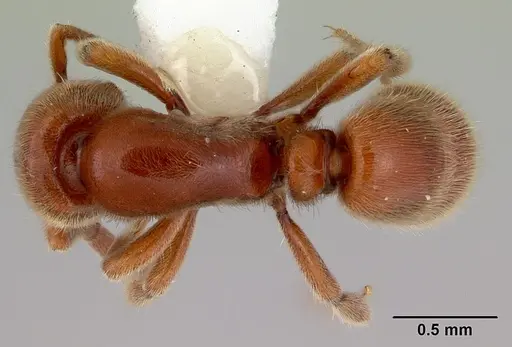
CASENT0249262
View on AntWeb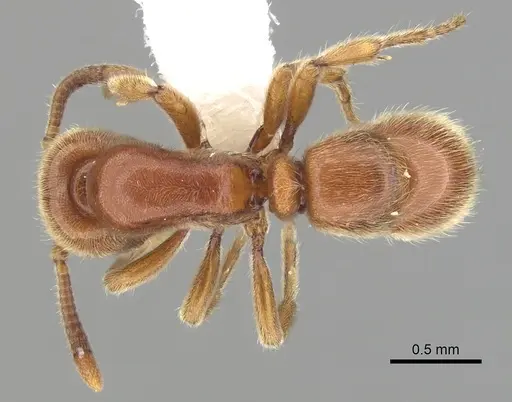
Literature
Loading...Loading products...