

Proceratium oceanicum
- Scientific Name
- Proceratium oceanicum
- Tribe
- Proceratiini
- Subfamily
- Proceratiinae
- Author
- de Andrade, 2003
- Distribution
- Found in 2 countries
Proceratium oceanicum Overview
Proceratium oceanicum is an ant species of the genus Proceratium. It is primarily documented in 2 countries , including Fiji, Wallis and Futuna. Detailed taxonomic data and occurrence records can be further explored via authoritative databases such as AntWeb or the Global Biodiversity Information Facility (GBIF).
Proceratium oceanicum
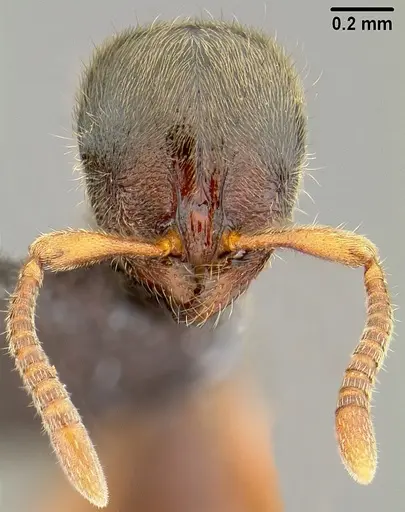
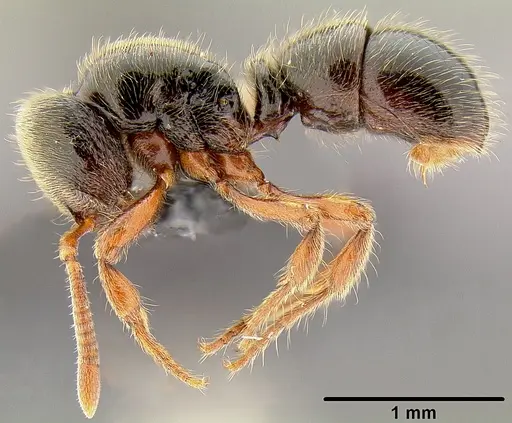
Proceratium oceanicum is a rare, cryptic ant species endemic to the islands of Fiji, specifically found only on Viti Levu. Workers are small at 3.4-3.6mm with a distinctive appearance featuring a dark brown body, lighter-colored head, and an extremely narrow, squamiform (scale-like) petiolar node that makes them easily distinguishable from other Proceratium species [1][2]. These ants belong to the Silaceum Clade and are part of the Proceratiinae subfamily, known for their cryptic, ground-nesting habits in rainforest environments [3]. The type specimen was collected from soil under grass in primary rainforest at Nadarivatu [3].
Quick Summary
- Difficulty: Expert
- Origin & Habitat: Fiji Islands (Viti Levu only), endemic species found in primary and disturbed rainforest [2][4]. Type locality is Nadarivatu, Viti Levu, collected from soil under grass in rainforest [3].
- Colony Type: Colony structure is unconfirmed. Proceratium species typically have single-queen colonies, but founding behavior for this specific species has not been documented.
- Size & Growth:
- Queen: Undescribed, no dealate queen has been documented for this species
- Worker: 3.4-3.6mm (TL), head width 0.75-0.78mm, Weber's length 0.98-1.00mm [3]
- Colony: Unknown, only two worker specimens have been collected in the wild [1]
- Growth: Unknown, no colony development data exists
- Development: Unconfirmed, no captive breeding data exists. Based on related Proceratium species, estimate 6-10 weeks at tropical temperatures, but this is an educated guess. (Development timeline is entirely unstudied for this species. Related Proceratium species typically develop slowly.)
- Antkeeping:
- Temperature: Keep at tropical temperatures around 24-28°C. Fiji is warm year-round, so these ants likely prefer stable warmth. Use a heating cable on one side of the nest to create a gentle gradient if room temperature is below this range.
- Humidity: High humidity is essential, rainforest species require consistently moist substrate. Keep the nest substrate damp but not waterlogged. Provide a water tube for drinking access.
- Diapause: Unlikely, as a tropical endemic species from Fiji, they probably do not require hibernation. Maintain stable tropical conditions year-round.
- Nesting: Natural nesting occurs in soil under grass in rainforest environments. In captivity, a moist plaster nest or test tube setup with soil substrate works well. They prefer tight, enclosed chambers scaled to their small size.
- Behavior: Proceratium ants are cryptic and secretive, typically nesting in concealed locations. Workers are slow-moving and likely forage on the forest floor. They are predatory, hunting small arthropods and other ants. Escape risk is moderate due to their small size, use standard barriers but they are not extreme escape artists like some tiny species. Temperament is non-aggressive, they will avoid confrontation rather than engage.
- Common Issues: very limited availability, this is an extremely rare species not commonly available in the antkeeping hobby, no captive breeding data exists, all information is inferred from related species, wild-caught colonies may have parasites or health issues from collection stress, slow growth and cryptic behavior make observing colony development difficult, tropical requirements mean they need stable warmth and humidity year-round
Why This Species Is So Challenging
Proceratium oceanicum represents one of the most challenging ants to keep because it is extremely rare both in the wild and in the antkeeping hobby. This species is endemic to Fiji, found only on the island of Viti Levu, and has only been collected a handful of times [2][4]. There is essentially no captive breeding history or documented care information for this species. Everything we know about keeping Proceratium ants comes from related species, making this a true expert-level species for experienced keepers who enjoy the challenge of working with unstudied species. If you obtain this species, you may be contributing to the first successful captive breeding of this ant, which makes it both challenging and potentially rewarding.
Housing and Nest Setup
These ants require a setup that mimics their natural rainforest soil environment. A test tube setup with moist cotton or a plaster/acrylic nest with a soil chamber works well. The nest should have tight chambers scaled to their small 3.5mm worker size. Because they are cryptic, they prefer dark, enclosed spaces and will not typically venture into outworlds frequently. Provide a water tube connected to the nest for drinking access, Proceratium species need water readily available. The outworld should be simple with minimal space since these ants are not active foragers in open areas.
Feeding and Diet
Proceratium ants are predatory and likely hunt small arthropods on the forest floor. Feed small live prey such as springtails, fruit flies, and other tiny insects. They probably accept protein sources like small mealworms or cricket pieces, but success may vary. Sugar water or honey may be accepted occasionally but should not be the primary food source. Feed small amounts of prey 2-3 times per week and remove any uneaten prey within 24 hours to prevent mold. The cryptic nature of these ants means they may take food slowly or only at night.
Temperature and Humidity
As a tropical species from Fiji, Proceratium oceanicum requires warm, humid conditions. Maintain temperatures between 24-28°C with minimal fluctuation. A heating cable placed on one side of the nest creates a temperature gradient allowing the ants to self-regulate. Humidity should be high, think damp rainforest floor. The substrate should remain consistently moist but never waterlogged. If using a test tube setup, ensure the water reservoir is appropriately sized to maintain humidity without flooding the colony. Poor humidity will likely cause colony decline.
Behavior and Observation
Proceratium oceanicum workers are slow-moving and secretive by nature. They spend most of their time hidden within the nest or moving slowly through substrate tunnels. You will not see the active, visible foraging behavior common in many ant species. Workers likely hunt by walking slowly and ambushing prey rather than chasing it. Colonies will be small even when established, probably never reaching the hundreds or thousands of workers seen in common species. Observation requires patience and careful attention to subtle colony activities. [1]
Frequently Asked Questions
Is Proceratium oceanicum available for purchase?
This is an extremely rare species that is rarely, if ever, available in the antkeeping hobby. It is endemic to Fiji and has only been collected a few times. Unless you have a specific source with permits for Fiji native species, you are unlikely to find this species for sale.
How difficult is Proceratium oceanicum to keep?
This is an expert-level species. There is no captive breeding history or documented care information for P. oceanicum specifically. All care must be inferred from related Proceratium species. You will essentially be pioneering captive care for this species if you obtain it.
What do Proceratium oceanicum ants eat?
Based on related Proceratium species, they are predatory hunters. Feed small live prey like springtails, fruit flies, and tiny arthropods. They may accept small protein pieces like mealworm fragments. Offer prey 2-3 times per week and remove uneaten food promptly.
Do Proceratium oceanicum ants need hibernation?
No. As a tropical species from Fiji, they do not require hibernation. Maintain stable tropical conditions year-round at 24-28°C.
How big do Proceratium oceanicum colonies get?
Unknown. Only two worker specimens have ever been collected in the wild. Based on related Proceratium species, colonies likely remain small, probably under 100 workers even when mature.
What temperature should I keep Proceratium oceanicum at?
Keep them warm at 24-28°C. Fiji is tropical with year-round warmth, so these ants prefer stable, warm conditions. A heating cable on one side of the nest can help maintain appropriate temperatures.
What humidity level do Proceratium oceanicum ants need?
High humidity is essential. As a rainforest soil-nesting species, they need consistently moist substrate. Keep the nest substrate damp but not waterlogged. Poor humidity will likely cause colony failure.
How long does it take for Proceratium oceanicum to develop from egg to worker?
Unconfirmed, no captive breeding data exists for this species. Based on related Proceratium species, estimate 6-10 weeks at tropical temperatures, but this is purely an educated guess.
Can I keep multiple Proceratium oceanicum queens together?
Not recommended. There is no data on colony founding behavior for this species, and combining unrelated queens of this rare species carries significant risk of colony failure. Single-queen colonies are standard for Proceratium species.
Do Proceratium oceanicum ants sting?
Proceratium ants have stingers but are not aggressive and rarely sting. Given their small size and cryptic nature, they pose minimal sting risk to keepers.
References

This caresheet is licensed under CC BY-SA 4.0 .
CASENT0171053
View on AntWeb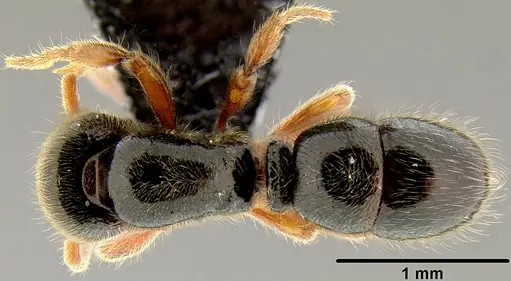
Literature
Loading...Loading products...