

Proceratium micrommatum
- Scientific Name
- Proceratium micrommatum
- Tribe
- Proceratiini
- Subfamily
- Proceratiinae
- Author
- Roger, 1863
- Distribution
- Found in 7 countries
Proceratium micrommatum Overview
Proceratium micrommatum is an ant species of the genus Proceratium. It is primarily documented in 7 countries , including Colombia, Costa Rica, Guatemala. Detailed taxonomic data and occurrence records can be further explored via authoritative databases such as AntWeb or the Global Biodiversity Information Facility (GBIF).
Proceratium micrommatum
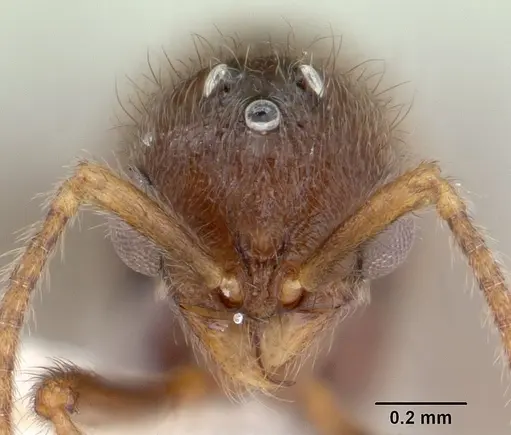
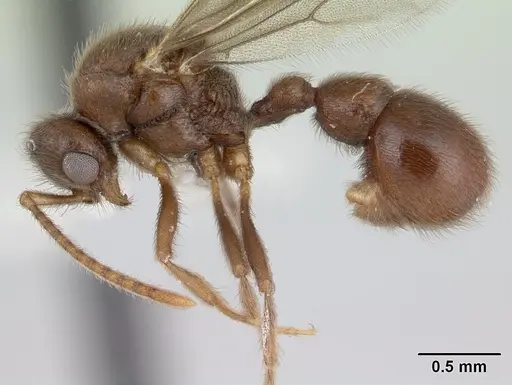
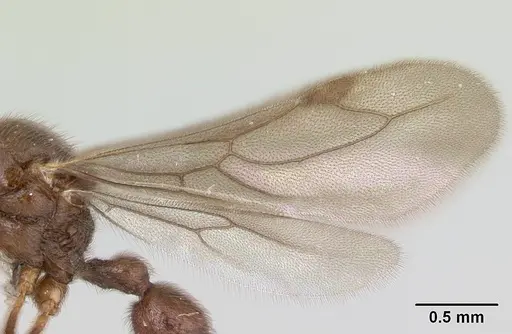
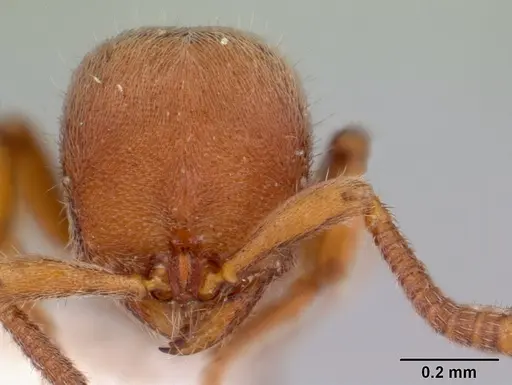
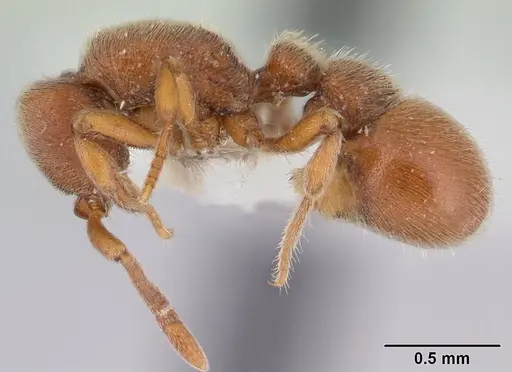
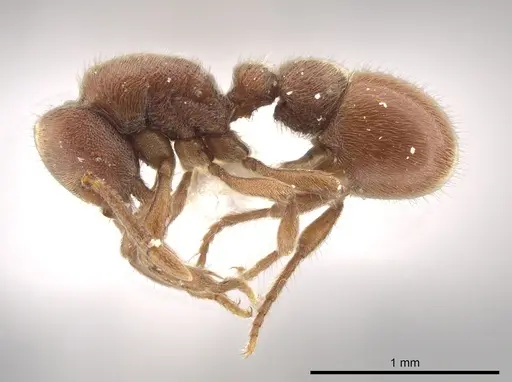
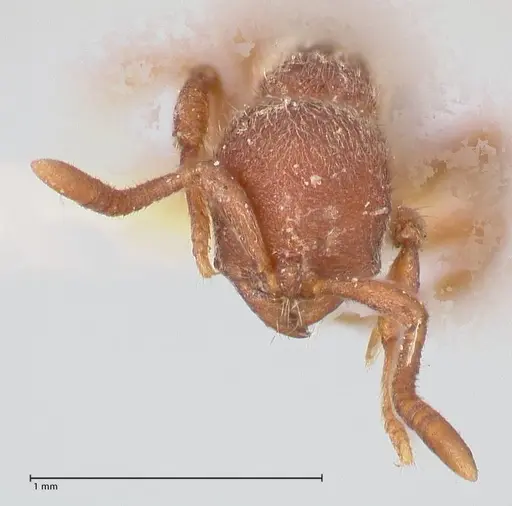
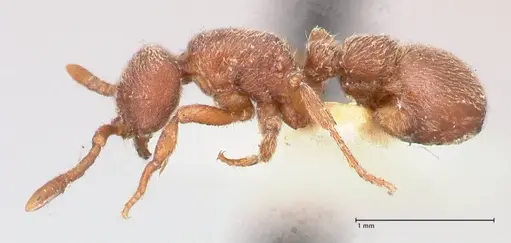
Proceratium micrommatum is a tiny, cryptic ant species native to the Neotropical region, ranging from Mexico down to Colombia, Ecuador, and Venezuela. Workers measure just 2.6-3.5mm in length, making them one of the smaller Proceratium species [1][2]. They have a light brown-ferrugineous body with noticeably lighter antennae and legs [3]. This species belongs to the Micrommatum Clade and can be identified by the absence of a pectinate spur on the middle tibia and the distinctive spaced foveolate depressions on the petiole and first gastral segment [4][5]. The most notable thing about P. micrommatum is that it has the widest distribution of any Proceratium species in the New World, yet it remains one of the least studied due to its cryptic, ground-dwelling nature [1].
Quick Summary
- Difficulty: Hard
- Origin & Habitat: Neotropical lowland wet forests from Mexico to Colombia, Ecuador, and Venezuela. Found in sifted leaf litter samples from the forest floor [3].
- Colony Type: Colony structure is unconfirmed. No specific data on queen number or colony size in the wild.
- Size & Growth:
- Queen: 3.25-3.55mm [3]
- Worker: 2.64-3.53mm [3]
- Colony: Unknown, likely small colonies based on related species
- Growth: Unknown, likely slow based on genus patterns
- Development: Unknown, no direct data available. Based on typical Proceratium patterns, expect 8-12 weeks at warm temperatures. (Development timeline has not been directly studied for this species.)
- Antkeeping:
- Temperature: Keep at 24-28°C based on their Neotropical lowland forest origin. A gentle gradient allows workers to self-regulate.
- Humidity: High humidity is essential, these ants live in damp forest floor leaf litter. Keep nest substrate consistently moist but not waterlogged.
- Diapause: Unknown, Neotropical species may not require true hibernation but may slow down during cooler periods.
- Nesting: Naturalistic setup with moist substrate works best. They prefer tight, humid chambers similar to their leaf litter microhabitat. Y-tong or plaster nests with good moisture retention are suitable.
- Behavior: These are extremely cryptic, slow-moving ants that spend most of their time hunting in the leaf litter layer. They are specialist predators of spider eggs [6], which is their primary food source in the wild. Workers are not aggressive and rarely venture into open spaces. Their small size and cryptic behavior make them challenging to observe. Escape prevention should be good despite their small size since they are not strong climbers.
- Common Issues: specialized diet makes feeding difficult, they require spider eggs or similar small prey, slow growth and cryptic behavior can make it hard to monitor colony health, high humidity requirements can lead to mold problems if ventilation is poor, wild-caught colonies may be difficult to establish due to stress, their tiny size makes them prone to escaping through standard test tube setups
Natural History and Distribution
Proceratium micrommatum holds the distinction of having the widest distribution of any Proceratium species in the New World, ranging from Mexico through Central America (Guatemala, Honduras, Panama) down to South America (Colombia, Ecuador, Venezuela, and recently documented in Peru) [1][7]. Despite this broad range, they remain rarely encountered because they are cryptic ground-dwelling ants that live in the leaf litter layer of tropical wet forests. In Costa Rica, they are found specifically in lowland wet forest habitats, where they are typically collected through sifting leaf litter samples from the forest floor [3]. Their small size (under 3.6mm total length) and cryptic behavior make them one of the harder Proceratium species to locate in the field [1].
Identification and Distinguishing Features
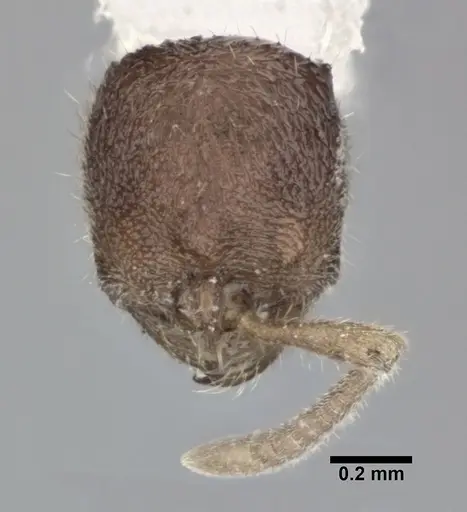
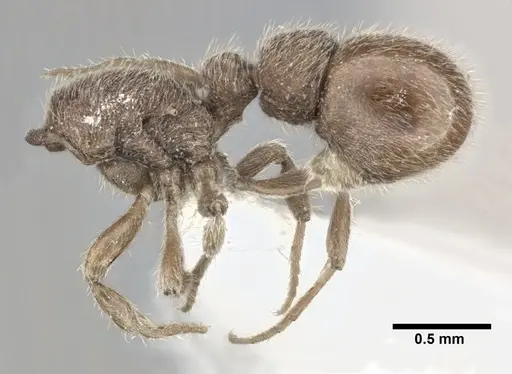
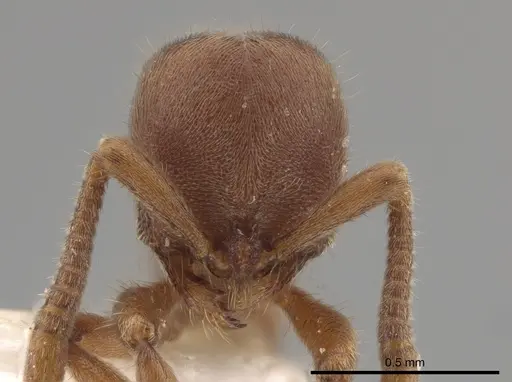
Workers of P. micrommatum can be identified by several key features: they lack the pectinate spur on the middle tibia (a characteristic of the subfamily Proceratiinae), they have a relatively smooth propodeal dorsum without the bulge typical of P. colombicum, and their petiole and first gastral segment bear distinctive spaced foveolate depressions [4][5]. They are small ants with a total length under 3.60mm and mesosoma length under 0.95mm [1]. The body is light brown-ferrugineous with noticeably lighter antennae and legs [3]. They can be confused with P. mexicanum, but that species has a strongly impressed propodeal carina, while P. micrommatum has at most very superficial traces of a transverse carina between the basal and declivous faces of the propodeum [7].
Feeding and Diet
This species is a specialist predator of spider eggs [6], a diet unique among many ant species. In captivity, this specialized diet presents a significant challenge for keepers. While they may accept other small soft-bodied prey, spider eggs should be considered the ideal food source. Related Proceratium species have been observed carrying, storing, and eating spider eggs [8], confirming this dietary specialization within the genus. Given the difficulty of obtaining spider eggs regularly, keepers may need to experiment with other small soft prey items like springtails, but success is uncertain. Sugar sources are unlikely to be accepted given their predatory specialization. Feed small prey items frequently, removing any uneaten food to prevent mold in the humid setup.
Housing and Nesting
Proceratium micrommatum requires a setup that mimics their natural leaf litter microhabitat. A naturalistic setup with moist substrate and hiding places works best. The key requirements are high humidity, tight chambers, and minimal open space. Y-tong (AAC) nests or plaster nests with good moisture retention are suitable options, provided they maintain consistent dampness without flooding. Because they are tiny and cryptic, avoid tall open spaces in the outworld, they will stay hidden. Use a small, humid outworld as well. Given their small size, escape prevention should be considered, though they are not strong climbers like some other genera.
Temperature and Care
As a Neotropical lowland species, P. micrommatum requires warm temperatures in the range of 24-28°C. This aligns with their origin in warm, humid tropical forests. A temperature gradient allows the colony to self-regulate, which is especially important in a species that may have specific thermal preferences for brood development. Maintain stable temperatures, avoid drafts and sudden changes. Since they come from environments with minimal seasonal temperature variation, they likely do not require a true hibernation period, though activity may slow during cooler periods. The high humidity requirement (consistent with their forest floor habitat) must be balanced with adequate ventilation to prevent mold.
Behavior and Temperament
These ants are extremely cryptic and slow-moving. Workers spend most of their time hunting in the leaf litter layer, searching for spider eggs and other small soft-bodied prey. They are not aggressive and will avoid confrontation with larger ants. The fourth abdominal segment is projected forward [6], which is a distinctive morphological feature of this genus. Colonies are likely small based on patterns seen in related Proceratium species. Because they are so rarely observed and poorly studied in the wild, much of their natural behavior remains unknown. In captivity, they will likely remain hidden much of the time, making them a 'watching' ant rather than an active display species.
Frequently Asked Questions
How long does it take for Proceratium micrommatum to produce first workers?
The egg-to-worker timeline is unconfirmed for this species. Based on typical Proceratium genus patterns, expect approximately 8-12 weeks at optimal warm temperatures (24-28°C). However, this is an estimate as no direct development studies exist for P. micrommatum.
What do Proceratium micrommatum ants eat?
They are specialist predators of spider eggs [6]. In captivity, spider eggs should be the primary food if available. Other small soft-bodied prey may be accepted experimentally, but success is uncertain. Sugar sources are unlikely to be accepted.
Are Proceratium micrommatum ants good for beginners?
No. This species is rated as difficult (Expert level) due to their specialized diet, high humidity requirements, cryptic behavior, and the lack of available information about their captive care. They are not recommended for beginners.
Do Proceratium micrommatum ants sting?
Proceratium species have a developed sting [3], but given their tiny size (under 3.5mm), the sting is unlikely to penetrate human skin. They are not aggressive and would only sting if directly handled.
How big do Proceratium micrommatum colonies get?
Colony size is unknown but likely small, probably under 100 workers based on related Proceratium species patterns. They are cryptic ants living in leaf litter, which typically supports smaller colony sizes.
Can I keep multiple Proceratium micrommatum queens together?
Not enough is known about their colony structure. The colony type (monogyne/polygyne) has not been documented in scientific literature. Combining unrelated queens is not recommended without evidence they can coexist.
What temperature should I keep Proceratium micrommatum at?
Keep them at 24-28°C based on their Neotropical lowland forest origin. A gentle temperature gradient allows the colony to self-regulate. Avoid temperatures below 22°C or above 30°C.
Do Proceratium micrommatum ants need hibernation?
Diapause requirements are unknown. As a Neotropical species from lowland forests, they likely do not require true hibernation. However, they may slow down during cooler periods.
Why are my Proceratium micrommatum ants dying?
Common issues include: improper humidity (too dry or too wet leading to mold), unsuitable diet (they need spider eggs or similar small prey), stress from wild collection, and temperature problems. Their specialized nature means colonies often fail without the specific conditions they require.
What type of nest is best for Proceratium micrommatum?
A naturalistic setup with moist substrate or a Y-tong/plaster nest with good moisture retention works best. They need tight, humid chambers that mimic their leaf litter microhabitat. Avoid dry setups.
References

This caresheet is licensed under CC BY-SA 4.0 .
CASENT0178753
View on AntWeb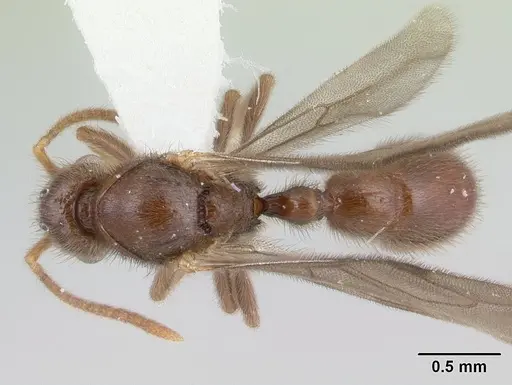
CASENT0178848
View on AntWeb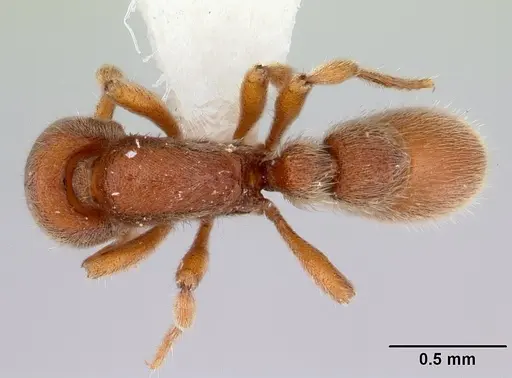
CASENT0246700
View on AntWeb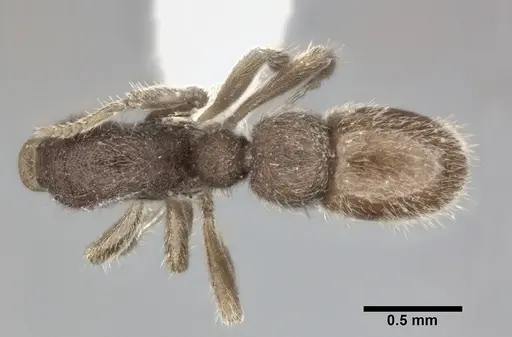
CASENT0635698
View on AntWeb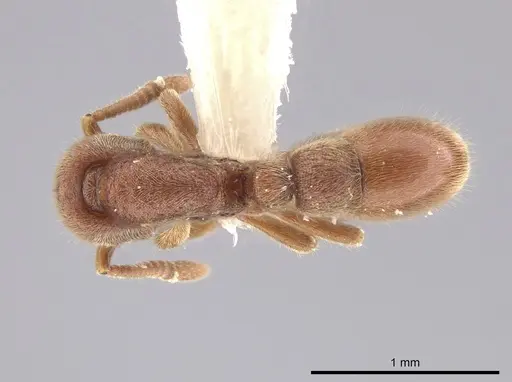
FOCOL0932
View on AntWeb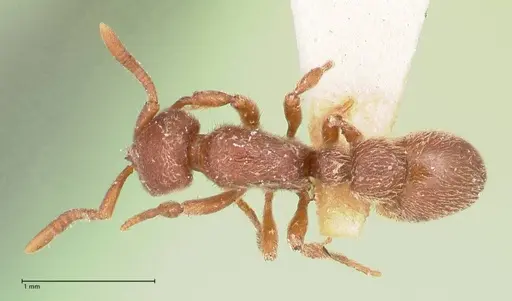
Literature
Loading...Loading products...