

Proceratium mexicanum
- Scientific Name
- Proceratium mexicanum
- Tribe
- Proceratiini
- Subfamily
- Proceratiinae
- Author
- de Andrade, 2003
- Distribution
- Found in 2 countries
Proceratium mexicanum Overview
Proceratium mexicanum is an ant species of the genus Proceratium. It is primarily documented in 2 countries , including Mexico, United States of America. Detailed taxonomic data and occurrence records can be further explored via authoritative databases such as AntWeb or the Global Biodiversity Information Facility (GBIF).
Proceratium mexicanum
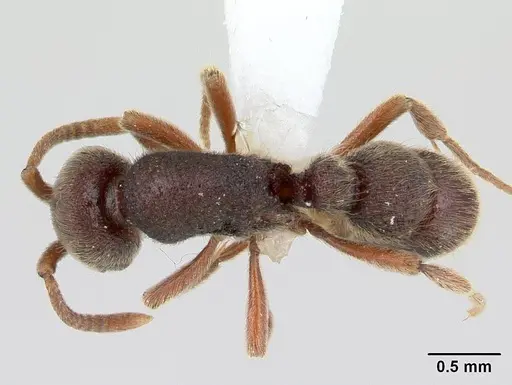
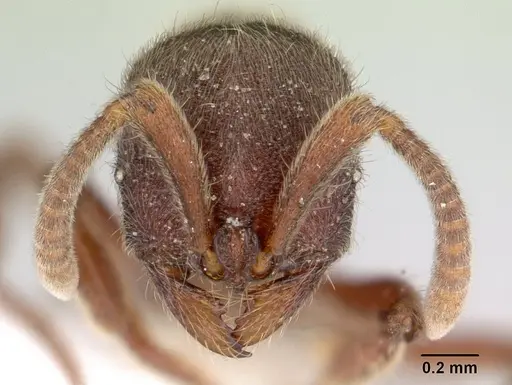
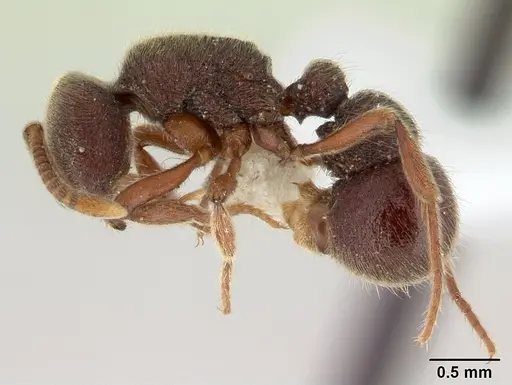
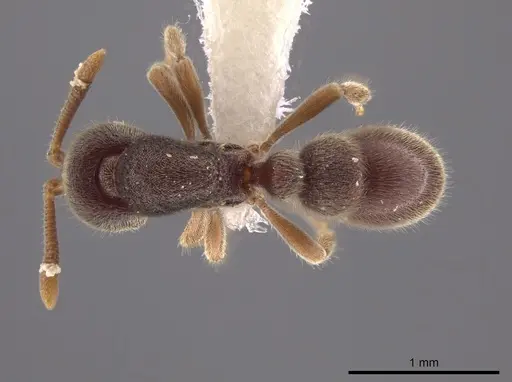
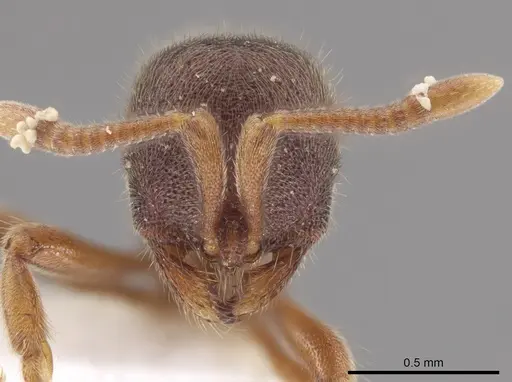
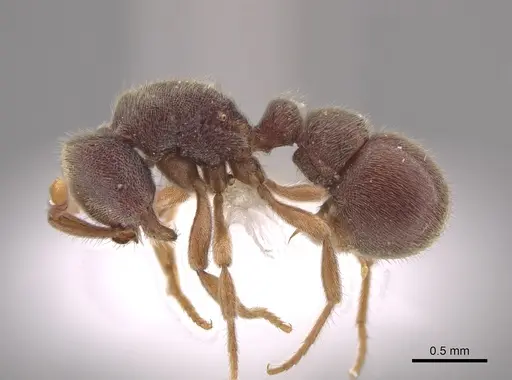
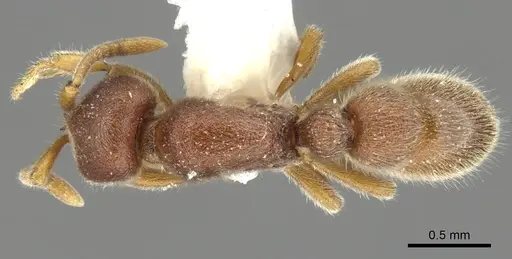
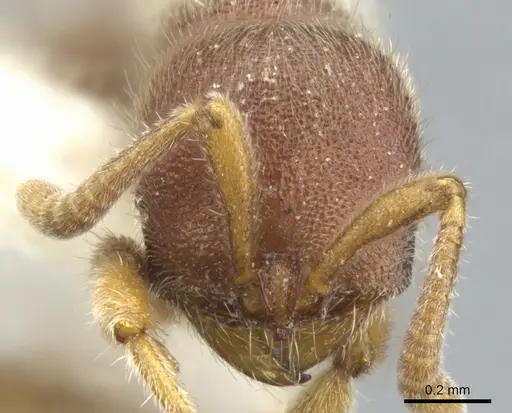
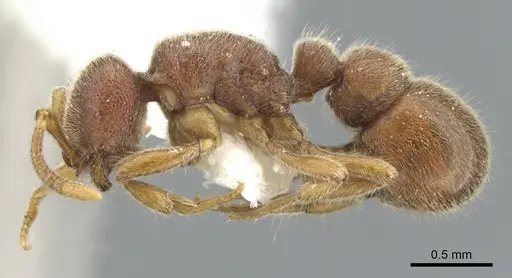
Proceratium mexicanum is a small, cryptic ant species native to southern Texas, Mexico, and Guatemala. Workers measure 2.93-4.00mm with a dark ferrugineous to dark brown body and lighter antennae and legs. The genus Proceratium is known for their unusual fourth abdominal segment that projects forward over the gastral segment, giving them a distinctive appearance. These ants are rare and seldom observed, living hidden in forest litter where they hunt spider eggs. They belong to the Proceratiinae subfamily and are closely related to the genus Dinoponera, one of the largest ants in the world [1][2].
What makes this species particularly interesting is their specialized diet, they are specialist predators of spider eggs, making them unique among North American ants. Their cryptic lifestyle and small colony sizes (likely under 100 workers) mean they are rarely encountered even in their native range. They prefer the humid, shaded conditions of palm thorn forests in their natural habitat [2][3].
Quick Summary
- Difficulty: Hard
- Origin & Habitat: Southern Texas (USA) through Mexico to Guatemala, in palm thorn forest litter and tropical lowland rainforests [1][2][3].
- Colony Type: Likely monogyne (single queen) based on typical Proceratium patterns. Colony sizes appear small, likely under 100 workers given their cryptic lifestyle and specialized diet [1].
- Size & Growth:
- Queen: 3.76-3.90mm [4]
- Worker: 2.93-4.00mm [4]
- Colony: Estimated under 100 workers based on similar cryptic Proceratium species, they remain small and localized [1].
- Growth: Slow, specialist predators typically develop slowly
- Development: Estimated 8-12 weeks based on typical Proceratiinae development patterns. No direct data available for this species. (Development is likely slow given their specialized diet and cryptic nature. Related Proceratium species take several months from egg to worker.)
- Antkeeping:
- Temperature: Keep around 22-26°C. They come from warm tropical and subtropical regions, so maintain stable warmth without temperature swings [1].
- Humidity: High humidity is essential, these are forest floor ants from humid tropical environments. Keep nest substrate consistently moist but not waterlogged. Provide a gradient with slightly drier areas available.
- Diapause: Likely minimal or no true diapause given their tropical distribution. However, slight cooling during winter months may be beneficial, aim for 18-20°C during winter rather than full hibernation.
- Nesting: Naturalistic setup with moist substrate works best. They nest in leaf litter and rotting wood in the wild, so a Y-tong or plaster nest with damp substrate mimics their natural environment. Keep them in a quiet, dark location as they are extremely cryptic.
- Behavior: Extremely cryptic and reclusive. Workers are slow-moving and rarely venture into the open. They are specialist predators of spider eggs, using their unique morphology to access hidden prey. They are not aggressive and pose no threat to keepers. Escape risk is moderate, they are small but not particularly fast or agile. However, their small size means standard escape prevention measures should still be used. They are rarely seen foraging openly and will likely remain hidden in their nest [2].
- Common Issues: specialized diet makes feeding difficult, they require spider eggs or similar small prey, which are hard to obtain regularly, slow growth and small colony sizes mean progress is hard to observe, which can frustrate beginners, high humidity requirements create mold risk if ventilation is poor, cryptic nature makes it difficult to assess colony health, you may not see workers for days, wild-caught colonies may be stressed from collection and difficult to establish
Housing and Nest Setup
Proceratium mexicanum requires a naturalistic setup that mimics their forest floor habitat. A Y-tong (acrylic) nest or plaster nest with moist substrate works well. Keep the nest area humid, these ants come from tropical environments and quickly succumb to dry conditions. Use a mixture of soil and organic material to create a substrate they can burrow into. Place the nest in a dark, quiet location as they are extremely shy and will remain hidden if disturbed. An outworld (foraging area) should be small since these ants rarely venture out. Use a test tube setup for founding colonies with a water reservoir to maintain humidity. Escape prevention is important despite their small size, use tight-fitting lids and fine mesh barriers [3][1].
Feeding and Diet
This species is a specialist predator of spider eggs, this is their primary food source in the wild [2]. In captivity, you will need to provide spider eggs (often available from pet stores that sell spiders, or you can collect from outdoor spider webs). Other small arthropods may be accepted, but spider eggs should form the core of their diet. This specialized diet makes them challenging to keep, obtaining a steady supply of spider eggs is difficult. Some keepers report success with small fruit flies and other tiny insects, but these should be considered supplements rather than primary food. Sugar sources are unlikely to be accepted, they are strict predators. Feed sparingly and remove uneaten prey to prevent mold. Given their cryptic nature, you may not see them feed often [2].
Temperature and Humidity
Maintain temperatures between 22-26°C year-round. These ants come from warm tropical and subtropical regions, so they need consistent warmth. A slight heating gradient in the nest allows them to regulate their temperature. Humidity is critical, keep the substrate consistently moist but never waterlogged. The forest floor environment they come from is constantly humid. Use a water reservoir in test tube setups or mist regularly in naturalistic setups. Provide a small dry area in the nest so they can escape if conditions become too wet. During winter, you can reduce temperature slightly to 18-20°C, but avoid cold temperatures below 15°C. They do not require true hibernation [1].
Behavior and Colony Life
Proceratium mexicanum is one of the most cryptic ant species you can keep. Workers are rarely seen outside the nest and will spend most of their time hidden in the substrate. The colony will likely remain small, probably under 100 workers even at maturity. Queens are not particularly large (3.76-3.90mm) but are robust. Workers move slowly and deliberately, hunting for spider eggs in the leaf litter. Do not expect to see dramatic foraging behavior or territorial defense. These ants are essentially invisible in the nest, which can make assessing colony health difficult. Be patient, a healthy colony will produce new workers, but you may only see a few individuals at a time. They are completely harmless to keepers and cannot sting [1][2].
Frequently Asked Questions
Can I keep Proceratium mexicanum in a test tube?
Yes, test tubes work well for founding colonies. Use a test tube with a water reservoir and cotton plug, keeping it horizontal so the queen can burrow into a dark area. Maintain high humidity by ensuring the water reservoir doesn't run dry. However, you will eventually need to move them to a more naturalistic setup as the colony grows, since they need substrate to hunt in.
What do Proceratium mexicanum eat?
They are specialist predators of spider eggs, this is their primary food in the wild. In captivity, you need to provide spider eggs regularly. Other small prey like fruit flies may be accepted as supplements, but spider eggs should form the main diet. Obtaining a steady supply of spider eggs is the biggest challenge with this species [2].
How long does it take for the first workers to appear?
Estimated 8-12 weeks from egg to worker based on typical Proceratium development patterns. No specific data exists for this species, but related Proceratium species develop slowly. Be patient, these ants are not fast growers, and the founding period can be lengthy [1].
Are Proceratium mexicanum good for beginners?
No, this species is not recommended for beginners. Their specialized diet (spider eggs), high humidity requirements, slow growth, and cryptic nature make them challenging even for experienced antkeepers. They are considered an expert-level species.
Do Proceratium mexicanum ants sting?
No, they cannot sting and pose no danger to keepers. They are completely harmless. Their main defense is staying hidden, you will rarely see them out in the open.
How big do Proceratium mexicanum colonies get?
Colonies remain small, likely under 100 workers even at maturity. This is typical for cryptic Proceratium species that live hidden in forest litter. Do not expect large, active colonies, these ants are meant to be observed in small numbers [1].
Do Proceratium mexicanum need hibernation?
No, they do not require true hibernation. They come from tropical and subtropical regions where temperatures remain warm year-round. During winter, you can reduce temperatures slightly to 18-20°C, but avoid cold temperatures below 15°C. A slight cooling period may be beneficial but is not required.
Why can't I see my ants?
This is normal, Proceratium mexicanum is extremely cryptic. Workers spend most of their time hidden in the substrate and rarely come out into the open. This is not a sign of problems, it's simply their natural behavior. You may only see a few workers at a time even in a healthy, established colony.
When should I move them to a formicarium?
Move them when the test tube becomes crowded or the water reservoir needs frequent refilling. A naturalistic setup with moist substrate is best. However, do not rush the transition, keep them in the test tube as long as possible for stable conditions. Moving stressed or unhealthy colonies often leads to colony loss.
Can I keep multiple queens together?
This has not been documented in scientific literature. Based on typical Proceratium behavior, single-queen colonies are most likely. Combining unrelated queens is not recommended as it may result in aggression. Start with one queen per colony.
References

This caresheet is licensed under CC BY-SA 4.0 .
Literature
Loading...Loading products...